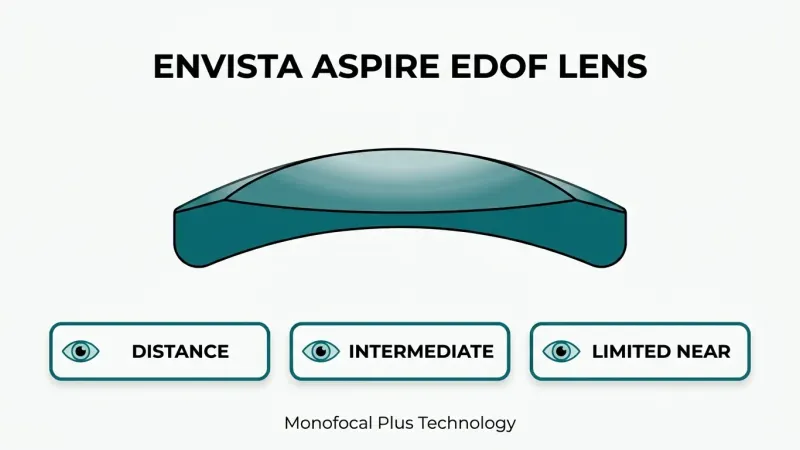
Ongoing eye wellness after cataract surgery is a continuous care approach that combines regular professional monitoring, protective daily habits, and prompt attention to visual changes in the months and years following the procedure. Because certain complications may develop well beyond the initial recovery window, long-term follow-up plays a central role in preserving surgical outcomes.
This guide covers vision recovery and stabilization, potential long-term complications, routine exam schedules, daily protective habits, dry eye management, co-existing condition considerations, urgent warning signs, and prescription update needs.
Vision after cataract surgery typically improves over several weeks, with full stabilization often occurring around eight weeks post-operatively. Fluctuations in clarity, contrast, and color perception are common during this period, and scheduled follow-up visits help distinguish normal healing shifts from changes that may require intervention.
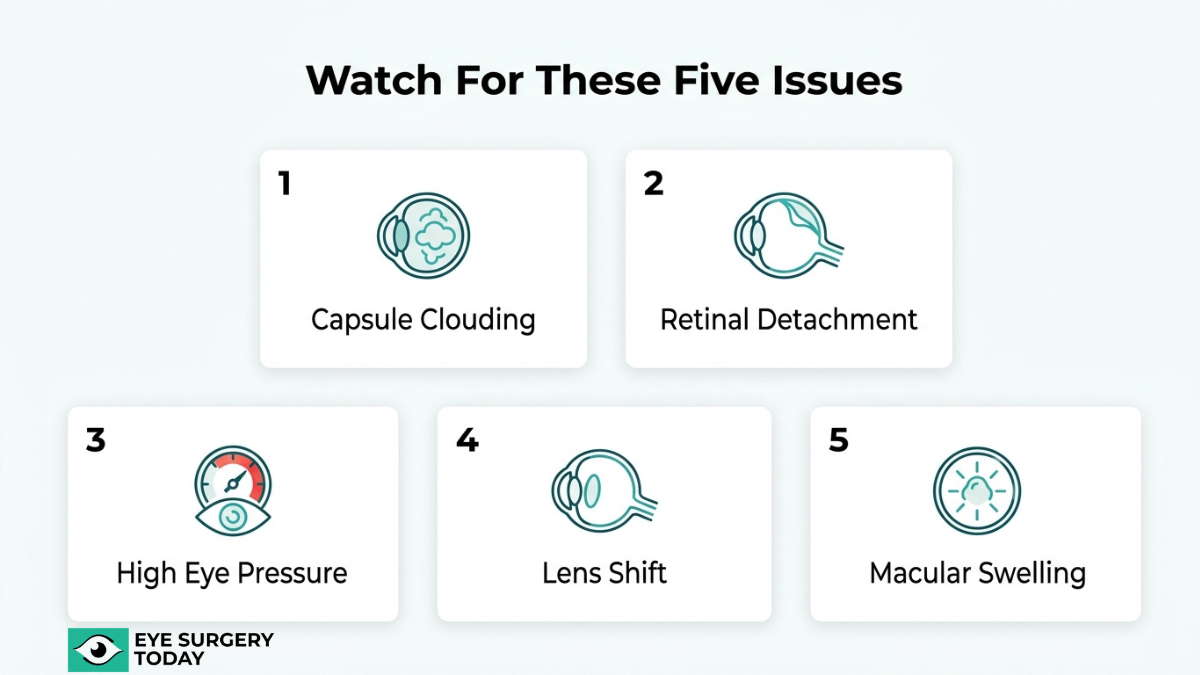
Several complications can emerge months or years later, including posterior capsule opacification, retinal detachment, elevated intraocular pressure, lens dislocation, and cystoid macular edema. Each presents differently, and routine diagnostic testing during annual exams remains the most reliable detection method.
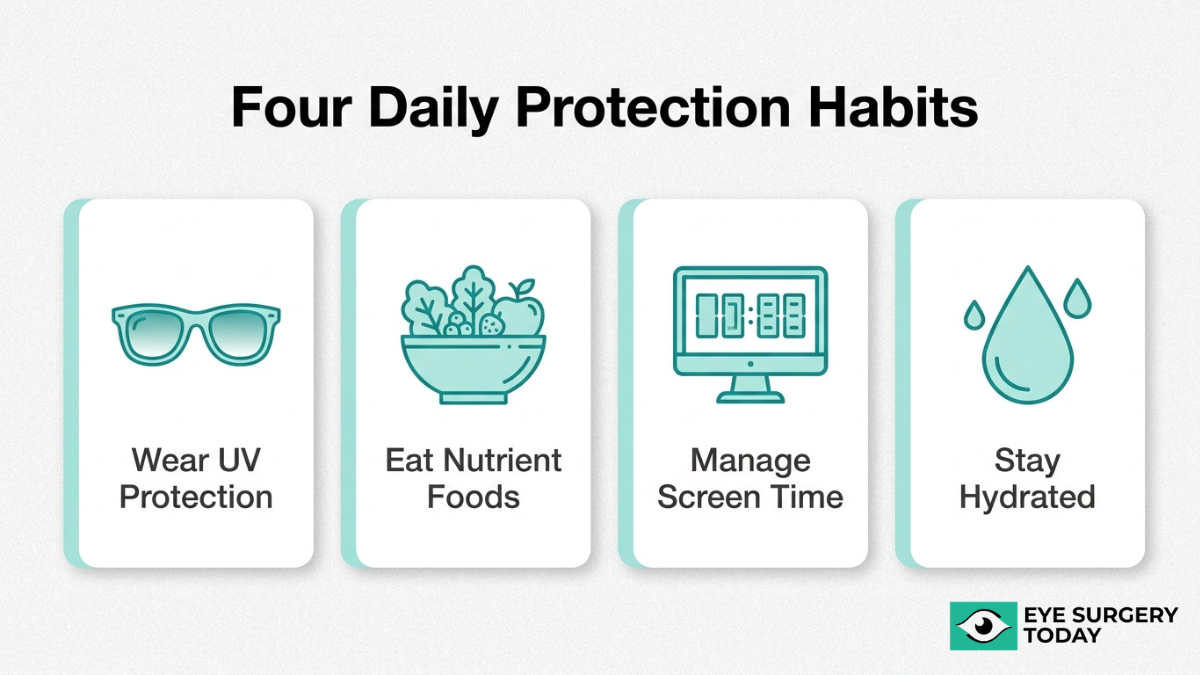
Daily habits such as wearing UV-blocking sunglasses, eating nutrient-rich foods with lutein and omega-3 fatty acids, managing screen time, and staying hydrated may help support ocular surface health and long-term comfort. Persistent dry eye, which can affect roughly one third of patients beyond three months, often requires a structured management plan.
Patients with glaucoma, diabetic retinopathy, or age-related macular degeneration may need adjusted monitoring schedules after surgery. Recognizing urgent symptoms, knowing when prescriptions need updating, and accessing surgeon-reviewed resources all contribute to sustained visual wellness.
Why Is Long-Term Eye Care Important After Cataract Surgery?
Long-term eye care is important after cataract surgery because certain complications can develop months or even years after the procedure, and consistent monitoring helps detect these issues early. While most patients experience successful outcomes, the eye continues to change over time. Conditions such as posterior capsule opacification, dry eye, and shifts in intraocular pressure may emerge well beyond the initial recovery window. Regular follow-up exams allow your ophthalmologist to assess visual and refractive outcomes, update prescriptions, and intervene promptly if problems arise. According to a StatPearls review published by the NCBI Bookshelf, postoperative follow-up for cataract surgery is traditionally recommended to detect possible complications, with some issues like posterior capsule opacification presenting up to three years after the procedure. Proactive, ongoing care protects the visual gains achieved through surgery and supports overall eye wellness for years to come.
What Does Normal Vision Feel Like After Cataract Surgery?
Normal vision after cataract surgery may feel clearer and brighter, though the experience changes over weeks as the eye heals. The sections below cover how vision may shift in the months ahead, which visual symptoms are common during long-term recovery, and when vision typically stabilizes.
How May Vision Continue to Change in the Months After Surgery?
Vision may continue to change in the months after surgery as the eye moves through distinct healing phases. Blurry vision is common for a few days post-surgery, but continued blurred vision beyond this initial period can signal developing issues. According to Griffey Eye Care, blurred vision persisting as long as two years later can indicate posterior capsule opacification, a condition where the membrane behind the intraocular lens becomes cloudy.
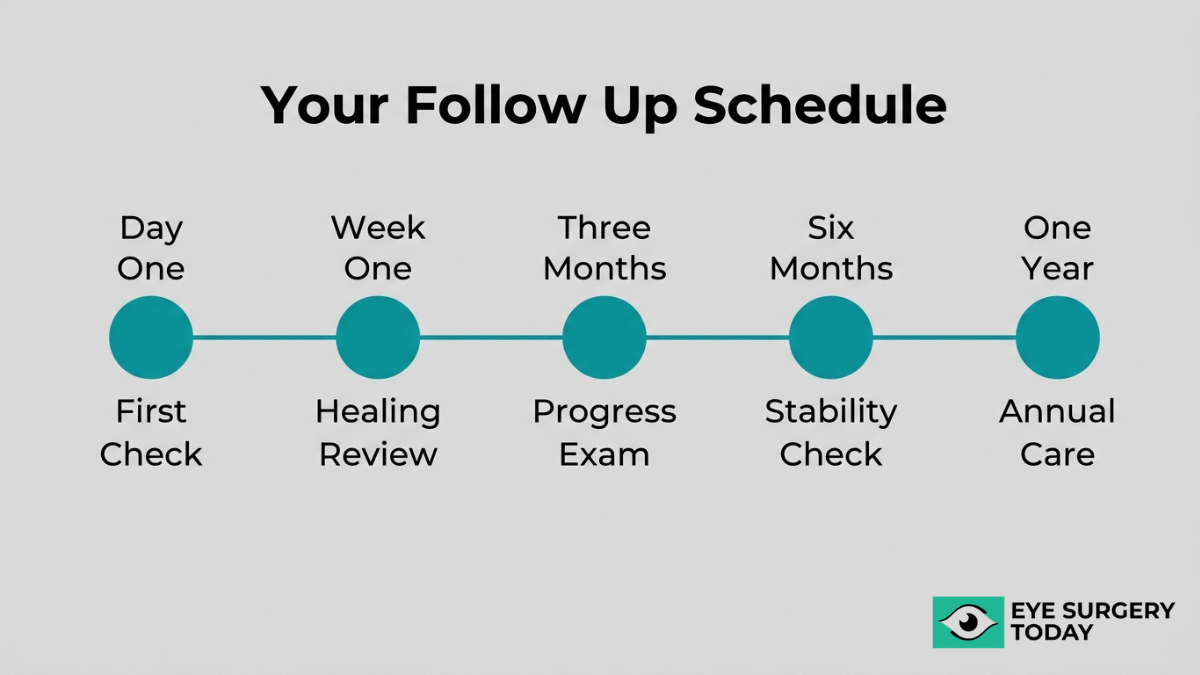
Fluctuations in clarity, contrast sensitivity, and color perception are typical during the first several weeks. Dry eye symptoms can also influence how vision feels on a day-to-day basis; when these symptoms persist beyond the normal three-month postoperative window, roughly one third of patients experience ongoing visual dissatisfaction. Scheduled follow-up exams at key intervals, including one day, one week, three months, six months, and one year after surgery, help your ophthalmologist distinguish normal healing shifts from changes that require intervention.
What Visual Symptoms Are Common During Long-Term Recovery?
Common visual symptoms during long-term recovery include:
- Mild glare or halos around lights, particularly at night
- Fluctuating sharpness that varies with eye dryness or fatigue
- Slight differences in color perception between the operated and non-operated eye
- Occasional floaters that may become more noticeable against brighter backgrounds
These symptoms often diminish gradually as the eye completes its healing cycle. However, any sudden increase in floaters, flashes of light, or a persistent shadow across the visual field warrants prompt evaluation. In most cases, the symptoms listed above reflect a normal adjustment period rather than a complication, though consistent monitoring through routine checkups remains the most reliable way to confirm this.
When Does Vision Typically Stabilize After Cataract Surgery?
Vision typically stabilizes after cataract surgery within approximately eight weeks. According to the National Eye Institute, most patients notice gradual vision improvement over several weeks, with the eye typically fully healed within this eight-week window.
During this stabilization period, protective measures play an important role. Eye protection after cataract surgery provides postoperative infection prophylaxis while also shielding the eye from accidental trauma and preventing rubbing. Wearing prescribed eye shields, especially during sleep, supports undisrupted healing during these critical weeks. Once the eye reaches full stability, your ophthalmologist can assess whether an updated prescription for glasses or contact lenses is needed for fine-tuned visual clarity.
Understanding what stable vision feels like sets the foundation for recognizing potential long-term complications that may develop later.
What Are the Potential Long-Term Complications After Cataract Surgery?
The potential long-term complications after cataract surgery include posterior capsule opacification, retinal detachment, elevated eye pressure, intraocular lens dislocation, cystoid macular edema, and late-onset inflammation.
What Is Posterior Capsule Opacification?
Posterior capsule opacification (PCO) is a condition where the thin membrane behind the intraocular lens (IOL) becomes cloudy after cataract surgery, causing gradual vision blurring. PCO is the most common long-term complication, sometimes called a “secondary cataract,” though no new cataract actually forms.
According to a study published in PMC (National Institutes of Health), 3.7% of eyes developed PCO at one year following surgery, with 1.8% undergoing YAG laser capsulotomy for visually significant cases. Some patients may not notice symptoms until two or three years after the original procedure, which is why consistent postoperative follow-up remains essential.
YAG laser capsulotomy treats PCO by creating a small opening in the clouded capsule. The outpatient procedure typically restores clarity within days. Because PCO can develop gradually without obvious early warning signs, routine eye exams remain the most reliable way to catch it before significant vision loss occurs.
How Can Late-Onset Inflammation Affect the Eye?
Late-onset inflammation can affect the eye by causing persistent or recurring swelling inside the eye weeks, months, or even years after cataract surgery. This condition, sometimes called chronic anterior uveitis or iritis, may produce symptoms such as:
- Light sensitivity that worsens over time
- Dull aching or discomfort around the eye
- Blurred or hazy vision
- Visible redness in the white of the eye
Several factors can trigger delayed inflammatory responses, including retained lens material, reaction to the IOL material, or underlying autoimmune conditions. Left untreated, chronic inflammation may lead to secondary complications like synechiae (adhesions between the iris and lens) or elevated intraocular pressure.
Treatment typically involves anti-inflammatory eye drops, such as topical corticosteroids or nonsteroidal anti-inflammatory drugs (NSAIDs). Patients who experience recurring episodes may require longer treatment courses. Any new eye pain or light sensitivity months after surgery warrants prompt evaluation by an ophthalmologist.
What Is the Risk of Retinal Detachment After Cataract Surgery?
The risk of retinal detachment after cataract surgery is low but clinically significant. Retinal detachment occurs in approximately 1 out of every 1,000 cases (0.1%), classifying it as a rare complication.
According to a systematic review and meta-analysis published on ResearchGate, the five-year cumulative risk of retinal detachment after cataract surgery was 1.19%, with 80.9% of cases occurring within the first year post-surgery. Certain patients face higher risk, particularly those with high myopia, prior eye trauma, or a history of retinal problems. Cataract surgery in diabetic patients may lead to new vessel growth, potentially causing vitreous hemorrhage, tractional retinal detachment, and neovascular glaucoma.
Warning signs that require immediate attention include:
- Sudden increase in floaters or flashes of light
- A shadow or curtain appearing across the visual field
- Rapid, unexplained vision loss
Early detection dramatically improves outcomes, making awareness of these symptoms one of the most important aspects of long-term post-surgical care.
Can Elevated Eye Pressure Develop After Cataract Surgery?
Yes, elevated eye pressure can develop after cataract surgery. Increased intraocular pressure (IOP) may occur in the early postoperative period due to retained viscoelastic material, inflammation, or steroid eye drop use. In some cases, pressure elevation persists or develops later as a long-term concern.
Patients with pre-existing glaucoma face the greatest risk. For those with mild to moderate glaucoma, minimally invasive glaucoma surgery (MIGS) can be performed alongside cataract surgery to enhance intraocular pressure-lowering effects, according to the American Academy of Ophthalmology’s preferred practice pattern guidelines.
Symptoms of elevated IOP are often subtle or absent, which makes regular pressure monitoring critical. When symptoms do appear, they may include:
- Eye pain or headache
- Halos around lights
- Gradual peripheral vision loss
Routine IOP checks during follow-up visits allow early intervention with pressure-lowering drops or additional procedures if needed. This is one complication where consistent monitoring matters far more than symptom awareness alone.
What Are the Signs of a Dislocated Intraocular Lens?
The signs of a dislocated intraocular lens (IOL) are visual disturbances caused by the lens shifting from its intended position inside the eye. IOL dislocation is an uncommon but serious complication that may occur months or years after cataract surgery.
Symptoms to watch for include:
- Sudden blurred or double vision
- Visible edge of the IOL (appearing as a crescent or shadow)
- Fluctuating vision quality
- Increased glare, particularly at night
Risk factors for late IOL dislocation include pseudoexfoliation syndrome, previous eye trauma, connective tissue disorders, and high myopia. Weakening of the zonular fibers that support the capsular bag can gradually allow the lens to shift over time.
Treatment depends on the degree of displacement. Minor shifts may be monitored, while significant dislocation typically requires surgical repositioning or IOL exchange. Prompt reporting of any sudden visual changes to an ophthalmologist helps ensure timely intervention.
How May Cystoid Macular Edema Present After Surgery?
Cystoid macular edema (CME) may present after surgery as painless blurring or decreased central vision, typically developing weeks to months following cataract removal. CME involves fluid accumulation in the macula, the part of the retina responsible for sharp, detailed sight.
According to IRIS Registry data published in Ophthalmology (American Academy of Ophthalmology Journal) covering 2016 to 2019, the incidence of CME diagnosis after cataract surgery in the United States was 0.8%. Although relatively uncommon, CME can also develop as a secondary complication following Nd:YAG capsulotomy for PCO treatment.
Common signs and symptoms include:
- Blurred or wavy central vision
- Difficulty reading or recognizing faces
- Colors appearing washed out or faded
Treatment typically involves topical NSAIDs and corticosteroid eye drops. Most cases resolve with appropriate therapy, though some patients require intravitreal injections for persistent edema. Because symptoms can be subtle initially, optical coherence tomography (OCT) during routine follow-up visits remains the most reliable detection method.
Understanding these potential complications reinforces why scheduled follow-up care plays such a vital role in preserving surgical outcomes.
What Routine Eye Exams Are Needed After Cataract Surgery?
Routine eye exams needed after cataract surgery include scheduled visits during the first year and annual comprehensive checkups thereafter. These differ from the comprehensive eye exams for cataracts conducted prior to surgery, which are vital for initial diagnosis and surgical planning. The following sections cover first-year frequency, long-term scheduling, and specific tests your doctor may perform.
How Often Should You See Your Ophthalmologist in the First Year?
You should see your ophthalmologist at several key intervals during the first year after cataract surgery. According to a 2025 study published in BMC Ophthalmology, slit-lamp examinations, optical coherence tomography, and intraocular pressure evaluation are typically performed at 1 day, 1 week, 3 months, 6 months, and 1 year postoperatively.
These early visits allow your doctor to monitor healing, detect complications such as inflammation or elevated eye pressure, and assess your visual outcome. The first-year window is particularly critical because many complications, including posterior capsule opacification and retinal changes, can present during this period. Missing scheduled appointments may delay detection of treatable conditions that affect long-term visual clarity.
What Follow-Up Schedule Is Recommended Beyond the First Year?
The follow-up schedule recommended beyond the first year typically transitions to annual comprehensive eye exams. Once the initial postoperative milestones are met, yearly visits help your ophthalmologist screen for late-onset conditions that may develop months or even years after surgery.
Annual exams are especially important because some complications emerge well beyond the recovery window. Routine yearly checkups also provide an opportunity to monitor co-existing conditions, such as glaucoma or diabetic retinopathy, that can progress independently of the cataract procedure. For most patients, maintaining this annual schedule represents the most practical approach to preserving surgical outcomes over the long term.
What Tests May Your Doctor Perform at Long-Term Checkups?
The tests your doctor may perform at long-term checkups include several key diagnostic assessments:
- Slit-lamp examination evaluates the anterior segment of the eye, including the intraocular lens position and the posterior capsule.
- Optical coherence tomography (OCT) provides detailed cross-sectional imaging of the retina to detect macular edema or other retinal changes.
- Intraocular pressure (IOP) measurement screens for elevated pressure that could indicate glaucoma development.
- Visual acuity testing confirms whether your corrected and uncorrected vision remain stable.
- Dilated fundus examination allows your ophthalmologist to inspect the peripheral retina for signs of detachment or degeneration.
Each of these tests targets a specific potential complication, making the combination an effective screening strategy. Understanding what to expect at these visits can help you prepare and communicate any visual changes to your care team.
What Daily Habits Can Help Protect Your Eyes After Surgery?
Daily habits that can help protect your eyes after surgery include wearing UV-blocking sunglasses, eating nutrient-rich foods, managing screen time, and staying hydrated.
How Does UV Protection Support Long-Term Eye Health?
UV protection supports long-term eye health by shielding the eye from harmful ultraviolet radiation that can damage ocular tissues over time. After cataract surgery, the natural lens has been replaced with an intraocular lens, which may filter UV differently depending on its design. Wearing sunglasses rated for 100% UVA and UVB protection reduces cumulative light damage to the retina and surrounding structures.
Beyond UV filtering, protective eyewear serves a practical recovery function. According to a 2025 review published by PMC (National Institutes of Health), eye protection after cataract surgery provides postoperative infection prophylaxis, shields the eye from trauma, and prevents the patient from rubbing the eye. Wraparound styles offer the most complete coverage, especially outdoors. Making sunglasses a consistent habit, even on overcast days, is one of the simplest ways to safeguard surgical outcomes long term.
What Role Does Nutrition Play in Post-Surgical Eye Wellness?
Nutrition plays a supportive role in post-surgical eye wellness by supplying antioxidants and essential fatty acids that may help protect ocular tissues from age-related damage. While a healthy diet cannot reverse cataract removal or replace medical follow-up, specific nutrients have been studied for their potential to slow progression of other sight-threatening conditions.
Key nutrients linked to eye health include:
- Lutein and zeaxanthin accumulate in the macula and may help filter harmful blue light.
- Omega-3 fatty acids (DHA and EPA) can support tear film stability and may reduce ocular inflammation.
- Vitamin C and vitamin E function as antioxidants that may protect retinal cells from oxidative stress.
- Zinc assists in transporting vitamin A to the retina for proper visual function.
According to the AREDS2 study published by PMC (National Institutes of Health), dietary lutein and zeaxanthin combined with omega-3 fatty acids may help reduce the risk of progression to advanced age-related macular degeneration. Prioritizing leafy greens, fatty fish, and colorful vegetables is a practical way to incorporate these nutrients daily.
How Can Proper Screen Habits Reduce Eye Strain After Surgery?
Proper screen habits can reduce eye strain after surgery by limiting prolonged near-focus demands that fatigue the visual system. Extended screen use decreases blink rate, which accelerates tear evaporation and may worsen post-surgical dryness.
Practical screen habits to adopt include:
- Follow the 20-20-20 rule: every 20 minutes, look at something 20 feet away for 20 seconds.
- Position screens at arm’s length with the top of the monitor at or slightly below eye level.
- Adjust brightness and contrast so the screen does not feel significantly brighter than the surrounding room.
- Use artificial tears before and during long screen sessions to maintain moisture on the ocular surface.
- Take scheduled breaks of at least 5 minutes per hour of continuous use.
These adjustments become especially valuable during the first several months after cataract surgery, when the eyes are still adapting. Consistent screen discipline is often underestimated, yet it directly influences day-to-day comfort for patients recovering from any intraocular procedure.
Why Is Staying Hydrated Important for Eye Comfort?
Staying hydrated is important for eye comfort because adequate fluid intake helps maintain healthy tear film production. The tear film relies on a balanced aqueous layer, and systemic dehydration can reduce its volume, leading to dryness, irritation, and blurred vision.
After cataract surgery, the ocular surface is particularly vulnerable to dryness due to surgical disruption of corneal nerves. Drinking sufficient water throughout the day supports the body’s ability to replenish tears naturally. Caffeine and alcohol in excess can have a mild diuretic effect, potentially compounding fluid loss. For most adults, aiming for six to eight glasses of water daily provides a reasonable baseline, though individual needs vary with activity level, climate, and medication use. Pairing consistent hydration with lubricating eye drops creates a practical foundation for long-term ocular surface comfort.
With protective daily habits established, managing dry eye symptoms becomes the next priority for sustained comfort.
How Should You Manage Dry Eye After Cataract Surgery?
You should manage dry eye after cataract surgery by identifying its causes, using appropriate eye drops, and knowing when to escalate care. The following sections cover persistent dry eye causes, helpful eye drops, and when to seek treatment.
What Causes Persistent Dry Eye After Cataract Surgery?
Persistent dry eye after cataract surgery is caused by corneal nerve disruption during the procedure, reduced tear film stability from surgical incisions, and inflammation of the ocular surface. The microscope light exposure and use of antiseptic solutions during surgery can also damage the tear-producing glands on the eye’s surface.
According to the American Academy of Ophthalmology’s 2023 Preferred Practice Pattern on dry eye syndrome, dry eye symptoms that continue beyond the normal postoperative period of three months are seen in about one third of individuals, making it a leading reason for patient dissatisfaction.
Pre-existing risk factors often compound the problem. Patients with a history of meibomian gland dysfunction, prolonged screen use, or autoimmune conditions may experience more severe and prolonged dryness. Because corneal nerves can take several months to regenerate after the incision, the feedback loop that normally triggers tear production is temporarily impaired. This makes early identification of contributing factors essential for guiding the right management approach.
Which Eye Drops May Help With Long-Term Dryness?
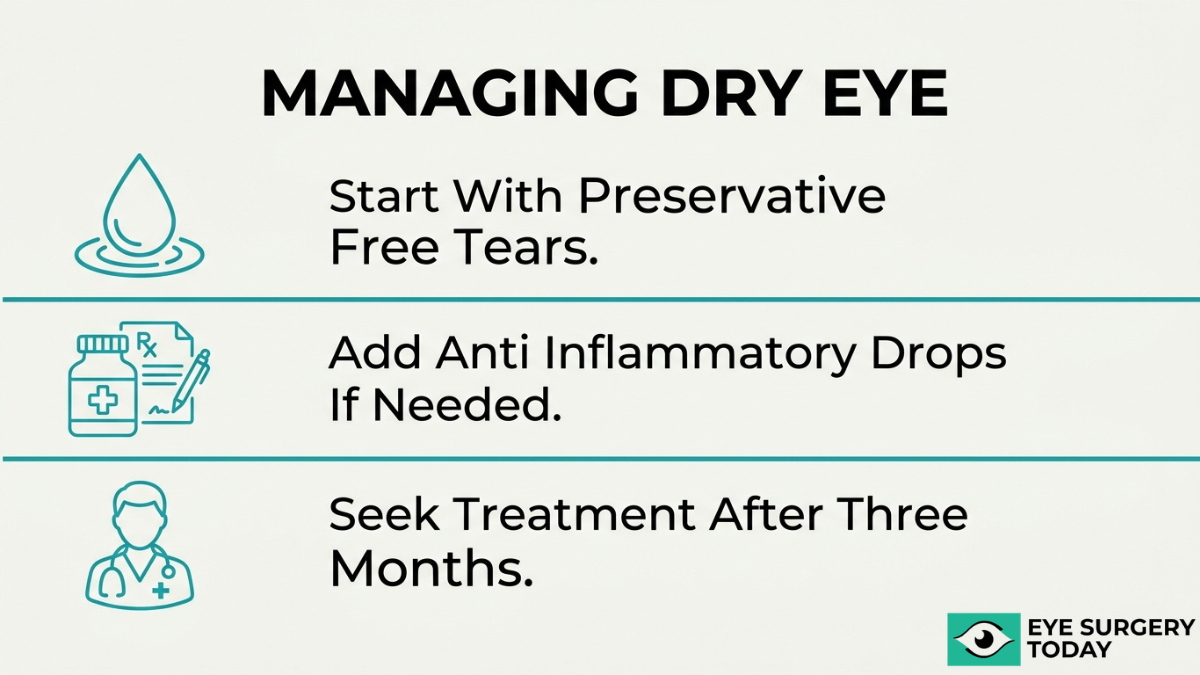
The eye drops that may help with long-term dryness include preservative-free artificial tears, anti-inflammatory prescription drops, and lipid-based tear supplements. Each type addresses a different layer of the tear film.
- Preservative-free artificial tears replenish the aqueous layer and can be used frequently without risking preservative toxicity to the corneal surface.
- Cyclosporine ophthalmic emulsion (Restasis) may help increase natural tear production by reducing inflammation on the ocular surface.
- Lifitegrast ophthalmic solution (Xiidra) targets a specific inflammatory pathway associated with dry eye disease.
- Lipid-based artificial tears stabilize the outer lipid layer, slowing tear evaporation in patients with meibomian gland dysfunction.
Your ophthalmologist may recommend starting with preservative-free artificial tears and escalating to prescription options if symptoms persist beyond initial recovery. For many patients, combining a lubricating drop with a targeted anti-inflammatory yields the most consistent relief.
When Should You Seek Treatment for Chronic Dry Eye?
You should seek treatment for chronic dry eye when symptoms persist beyond three months after cataract surgery, interfere with daily activities, or fail to respond to over-the-counter artificial tears. Chronic dry eye that goes unaddressed can compromise visual quality and overall satisfaction with surgical outcomes.
Warning signs that indicate escalation include:
- Persistent burning, stinging, or gritty sensation despite regular artificial tear use.
- Blurred vision that fluctuates with blinking.
- Redness or light sensitivity that worsens over time.
- Excessive tearing, which paradoxically signals an unstable tear film.
Your eye care provider may recommend advanced treatments such as punctal plugs, intense pulsed light therapy, or prescription anti-inflammatory drops depending on the severity. Proactive management of chronic dry eye is one of the most underestimated factors in long-term patient satisfaction after cataract surgery, and addressing it early often prevents months of unnecessary discomfort.
Understanding how dry eye interacts with other eye conditions can further improve post-surgical outcomes.
How Can Other Eye Conditions Affect Your Eyes After Surgery?
Other eye conditions can affect your eyes after surgery by altering healing, increasing complication risks, or requiring adjusted treatment plans. The subsections below cover glaucoma management changes, diabetic monitoring needs, and age-related macular degeneration progression.
How Does Glaucoma Management Change After Cataract Surgery?
Glaucoma management changes after cataract surgery because the procedure itself can influence intraocular pressure (IOP). Cataract removal often produces a modest IOP reduction, which may allow your ophthalmologist to adjust glaucoma medications. In some cases, minimally invasive glaucoma surgery (MIGS) can be performed alongside cataract surgery to enhance pressure-lowering effects in patients with mild to moderate glaucoma.
Your doctor may recommend more frequent IOP monitoring in the months following surgery, since post-surgical inflammation can temporarily raise eye pressure. Patients already using glaucoma drops should confirm their updated medication schedule before leaving the surgical center. This overlap between glaucoma care and cataract recovery is one of the most commonly underestimated aspects of post-operative planning; coordinating both conditions from the start leads to better long-term pressure control and visual outcomes.
What Should Diabetic Patients Monitor After Cataract Surgery?
Diabetic patients should monitor blood sugar levels, retinal health, and any new visual symptoms closely after cataract surgery. Diabetes introduces unique risks because cataract surgery in diabetic patients may lead to the growth of new vessels, potentially causing vitreous hemorrhage, tractional retinal detachment, and neovascular glaucoma, according to a report published in Retina Today.
Key warning signs that require immediate contact with your eye doctor include:
- Sudden vision loss or noticeable decline in clarity
- Persistent pain that does not respond to prescribed medication
- Significant eye redness that worsens rather than improves
- New floaters, flashes of light, or small dark spots in your field of vision
Diabetic retinopathy can progress more rapidly after surgery due to post-operative inflammation, so regular dilated retinal exams remain essential. Maintaining stable blood glucose levels before and after the procedure may help reduce the likelihood of these complications.
How May Age-Related Macular Degeneration Progress After Surgery?
Age-related macular degeneration (AMD) may progress after surgery because cataract removal does not halt or reverse existing retinal degeneration. While the procedure can improve overall visual clarity, it may also make pre-existing AMD symptoms more noticeable once the clouded lens is replaced.
The AREDS2 study found that dietary xanthophylls, specifically lutein and zeaxanthin, combined with omega-3 fatty acids (DHA and EPA) may help reduce the risk of progression to advanced AMD. Patients with early or intermediate AMD should discuss supplementation with their ophthalmologist as part of a long-term post-surgical wellness plan.
Routine macular monitoring through optical coherence tomography (OCT) allows early detection of wet AMD conversion, which requires prompt treatment. For patients managing both conditions, consistent follow-up is the most reliable way to preserve the visual gains achieved through cataract surgery.
With co-existing conditions addressed, knowing when to seek urgent care protects those results.
When Should You Seek Urgent Care for Your Eyes After Surgery?
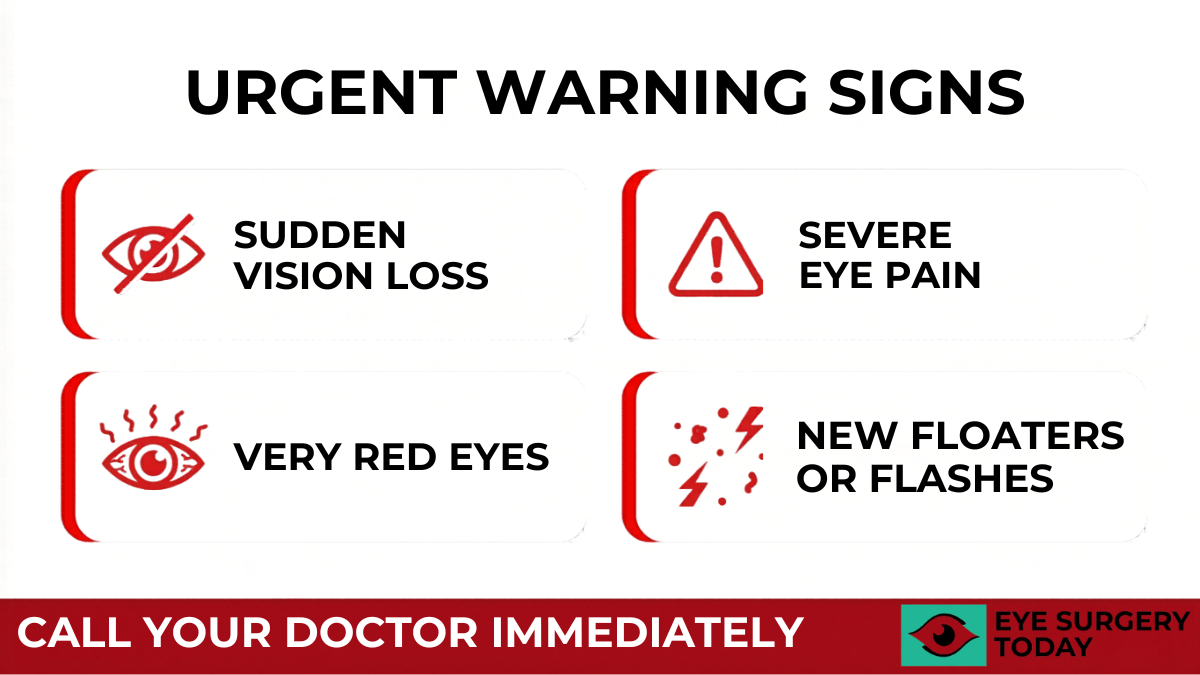
You should seek urgent care for your eyes after surgery if you experience sudden vision loss, persistent severe pain, very red eyes, or new floaters and flashes of light. These symptoms may indicate serious complications that require immediate evaluation.
According to the National Eye Institute, patients should call their eye doctor immediately if they notice vision loss, bad pain that won’t go away, very red eyes, or floaters such as flashes of light or small dark spots. Recognizing these warning signs early can be critical, since conditions like retinal detachment, endophthalmitis, or acute inflammation may progress rapidly without prompt treatment.
Key symptoms that warrant urgent contact with your eye care provider include:
- Sudden vision loss or a noticeable decrease in clarity that develops without explanation.
- Severe eye pain that does not respond to prescribed pain medication.
- Significant eye redness that worsens rather than gradually improving.
- New floaters, flashes of light, or a shadow/curtain appearing across your visual field.
- Increasing swelling or discharge from the operated eye.
Not every minor discomfort requires emergency attention; mild irritation or slight blurriness in the early days of healing is often expected. However, when symptoms appear suddenly or intensify, delaying care can allow treatable conditions to cause lasting damage. Even if a symptom turns out to be benign, having it evaluated promptly is always the safer choice. Understanding when to update your prescription is another important part of your post-surgical care plan.
What Happens If You Need a Prescription Update After Surgery?
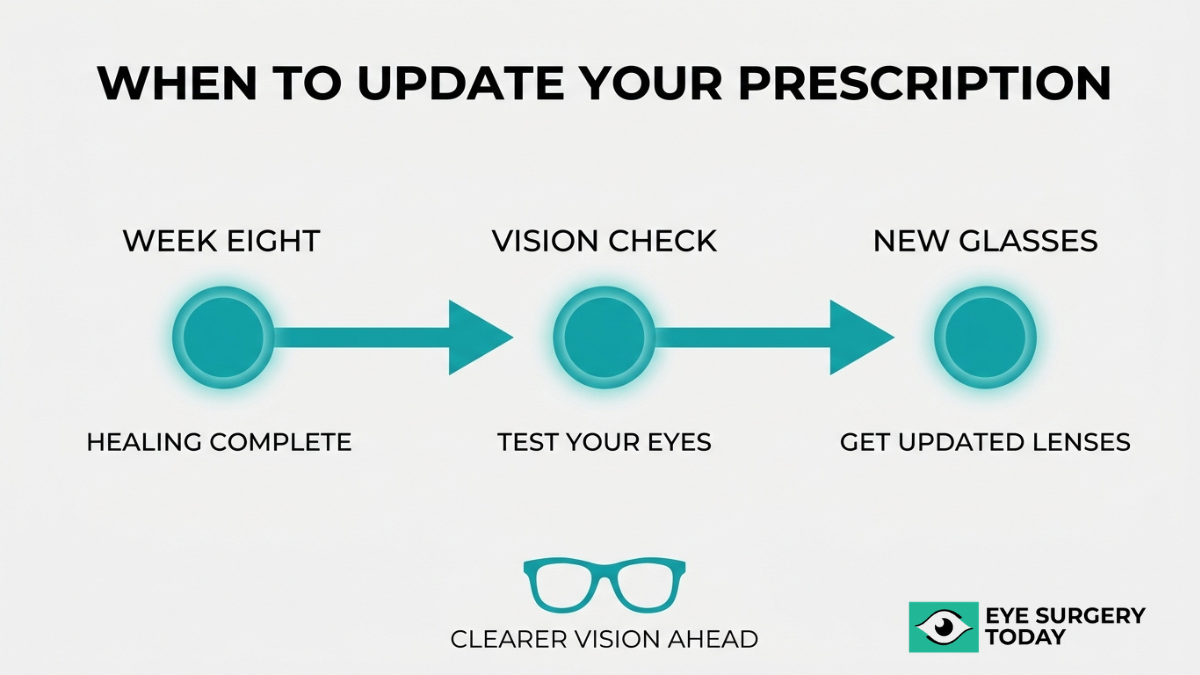
A prescription update after cataract surgery may be needed once the eye finishes healing, typically around eight weeks post-operatively. The sections below cover when glasses may still be necessary and how to recognize signs that your prescription needs adjusting.
When Might You Still Need Glasses After Cataract Surgery?
You might still need glasses after cataract surgery for tasks such as reading, computer work, or driving at night, depending on the type of intraocular lens (IOL) implanted. Monofocal IOLs correct vision at one fixed distance, so most patients with these lenses require glasses for either near or intermediate tasks. Multifocal and extended depth-of-focus lenses reduce glasses dependence but may not eliminate it entirely.
According to the National Eye Institute, once the eye is completely healed, typically eight weeks after surgery, patients might need a new prescription for glasses or contact lenses to see clearly. Waiting until the eye stabilizes before filling a new prescription is important because refractive measurements taken too early can be inaccurate. Rushing into new glasses during the healing window often results in a prescription that no longer fits once recovery is complete.
How Do You Know When Your Prescription Needs Adjusting?
You know when your prescription needs adjusting by noticing persistent visual changes after your eye has fully stabilized. Common indicators include:
- Difficulty reading fine print or menus at close range.
- Blurred distance vision while driving, especially at night.
- Frequent squinting or eye strain during screen use.
- Headaches that develop after sustained visual tasks.
These symptoms should be distinguished from normal healing fluctuations, which typically resolve within the first several weeks. If visual difficulties appear or worsen after the initial eight-week recovery window, scheduling an eye exam can determine whether a new prescription is warranted. Residual refractive error is one of the most common reasons patients feel dissatisfied after otherwise successful cataract surgery, so addressing it promptly makes a meaningful difference in daily comfort and clarity.
Understanding your prescription needs sets the stage for exploring how surgeon-reviewed resources can support every phase of your recovery.
How Can Surgeon-Reviewed Resources Guide Your Post-Surgery Care?
Surgeon-reviewed resources can guide your post-surgery care by providing clinically accurate, accessible information about long-term eye wellness. The sections below cover how Eye Surgery Today supports patient education and the key takeaways for ongoing care after cataract surgery.
Can Eye Surgery Today Help You Understand Long-Term Eye Care?
Yes, Eye Surgery Today can help you understand long-term eye care by offering surgeon-reviewed educational content designed to make complex post-surgical guidance accessible. Because some complications, such as posterior capsule opacification, may not present until up to 3 years after surgery, according to the StatPearls medical reference, patients benefit from ongoing access to reliable information throughout their recovery and beyond.
Eye Surgery Today bridges this knowledge gap by translating clinical insights into clear, patient-focused resources covering topics such as:
- Recovery timelines and what to expect at each stage
- Warning signs that may require urgent attention
- Routine exam schedules and follow-up recommendations
- Daily protective habits, including UV protection and nutrition
- Co-existing condition management for patients with glaucoma or diabetes
Rather than replacing professional medical advice, these resources empower patients to ask better questions during appointments and recognize when something may need attention. For many patients navigating the months and years after cataract surgery, having a trusted reference point makes the difference between uncertainty and confidence in their care decisions.
What Are the Key Takeaways About Ongoing Eye Wellness After Cataract Surgery?
The key takeaways about ongoing eye wellness after cataract surgery center on consistent monitoring, protective daily habits, and prompt response to changes in vision.
- Attend all scheduled follow-up exams. Routine visits allow your ophthalmologist to detect complications early, when they are most treatable.
- Recognize that healing takes time. Full visual stabilization may take several weeks, and prescription updates are typically recommended once the eye has completely healed.
- Watch for warning signs. Sudden vision loss, persistent pain, very red eyes, or new floaters may require immediate medical attention.
- Protect your eyes daily. UV-blocking sunglasses, proper nutrition with lutein and omega-3 fatty acids, and adequate hydration all support long-term ocular health.
- Manage co-existing conditions proactively. Patients with glaucoma, diabetic retinopathy, or age-related macular degeneration should work closely with their eye care team to monitor for progression.
- Stay informed through trusted sources. Surgeon-reviewed resources, like those on Eye Surgery Today, can help you stay current on best practices without relying on unverified information.
Ongoing eye wellness is not a single milestone; it is a continuous commitment. Patients who combine regular professional care with informed daily habits tend to maintain the best long-term visual outcomes after cataract surgery.