After cataract surgery, patients often notice:
- Brighter, clearer vision
- Improved color perception
- Mild irritation or scratchiness
- Temporary light sensitivity
Discomfort is usually minimal and short-lived. Severe pain is not typical and should be reported to a doctor.
Why Aftercare Matters
Following aftercare instructions helps:
- Prevent infection
- Reduce inflammation
- Promote proper healing
- Protect vision quality
Most recovery issues are avoidable when post-operative guidance is followed carefully.
The Role of Eye Drops in Recovery
Prescription eye drops are a key part of recovery. They are used to:
- Prevent infection
- Control inflammation
- Support healing
Using drops exactly as prescribed is one of the most important responsibilities patients have after surgery.
Activity Restrictions During Recovery
During early recovery, patients are usually advised to:
- Avoid rubbing the eye
- Avoid heavy lifting or strenuous activity
- Protect the eye from water exposure
- Wear protective eyewear as recommended
Most normal daily activities can be resumed quickly, but precautions help reduce risk.
Vision Changes During Healing
Vision after cataract surgery does not stabilize instantly.
It is common to experience:
- Fluctuating clarity
- Temporary blurriness
- Light sensitivity
- Mild halos
As swelling resolves and the eye adapts to the new lens, vision typically improves steadily.
Follow-Up Appointments Are Important
Post-operative visits allow the surgeon to:
- Monitor healing
- Adjust medications
- Address concerns early
- Ensure the best outcome
Even when vision feels good, follow-up appointments are essential.
How Long Does Full Recovery Take?
While many patients resume normal activities within days, full healing may take several weeks.
Factors that affect recovery include:
- Individual healing response
- Presence of other eye conditions
- Type of lens implanted
- Adherence to aftercare instructions
Patience is an important part of the process.
Cataract Surgery Recovery Is Highly Safe
Cataract surgery has one of the highest success rates in medicine. Complications are uncommon, and most issues — when identified early — are treatable.
Understanding what is normal versus what requires attention helps patients recover with confidence.
When to Contact Your Doctor
Patients should contact their eye care provider if they experience:
- Increasing pain
- Sudden vision loss
- Severe redness
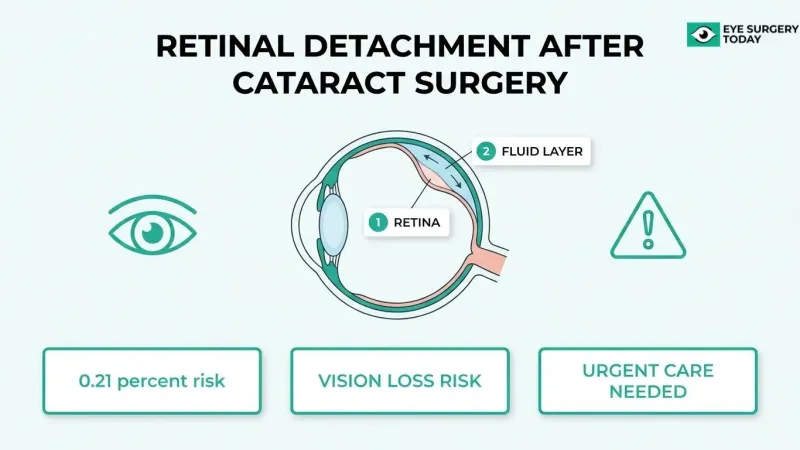
- Flashes of light or many floaters
- Persistent nausea or headache
Prompt evaluation ensures safety and peace of mind.
Recovery Varies by Individual
Every patient heals at a slightly different pace. Comparing recovery to others is not helpful — what matters is steady improvement and appropriate follow-up.
Your surgical team will guide you based on your specific situation.
Long-Term Vision After Cataract Surgery
Once healing is complete:
- Cataracts do not return
- The implanted lens remains clear
- Vision often feels brighter and more stable
Final visual outcomes depend on lens choice, eye health, and healing.
Recovery Is a Partnership
Successful recovery is a partnership between patient and surgeon. Education, communication, and adherence to instructions help ensure the best possible outcome.