


What Types of Eye Surgery Are Most Common Today?
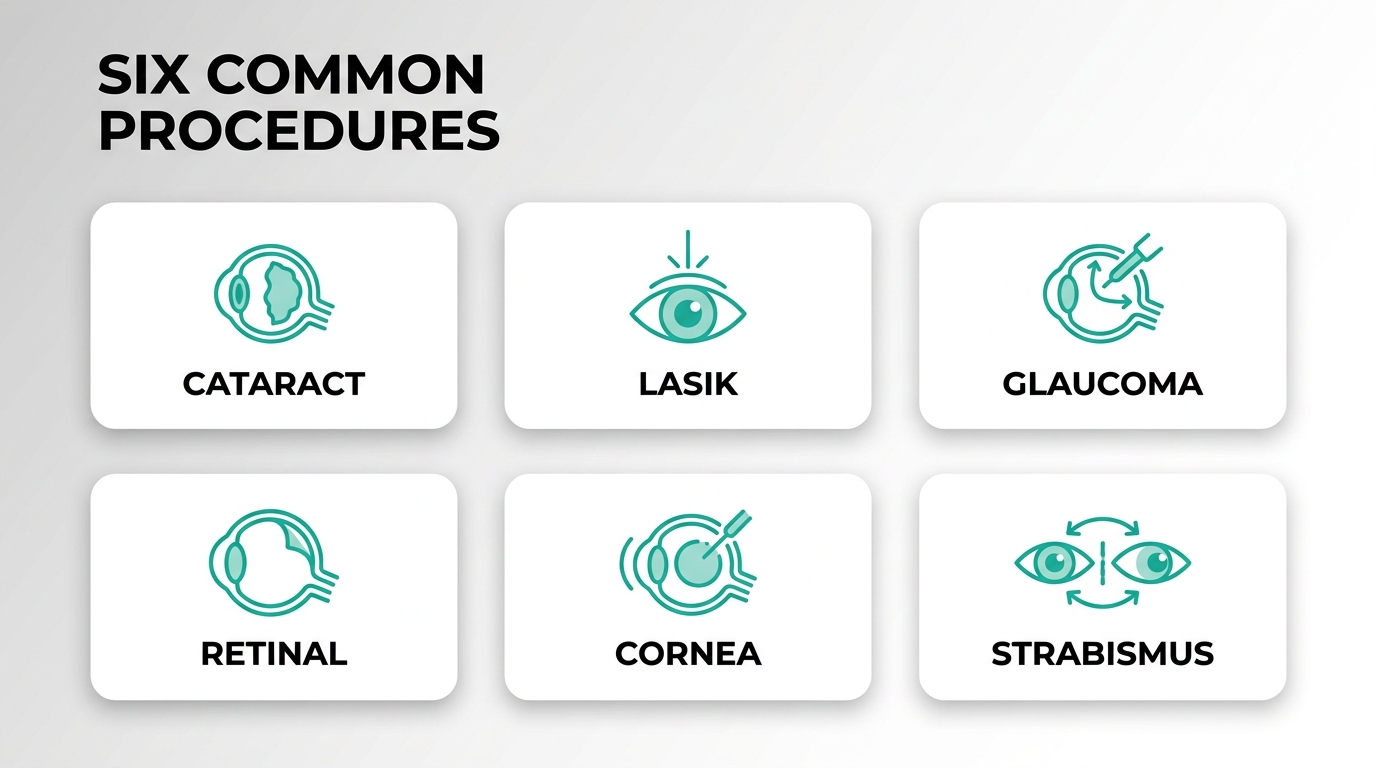
The most common types of eye surgery today include cataract surgery, LASIK, glaucoma surgery, retinal detachment surgery, corneal transplant surgery, and strabismus surgery. Each procedure targets a distinct condition, ranging from lens clouding to misaligned eyes.
Cataract Surgery
Cataract surgery is an operation to remove the eye’s cloudy natural lens and replace it with a clear artificial intraocular lens (IOL). The clouded lens distorts incoming light, making vision appear blurry, hazy, or less colorful, similar to looking through a foggy windshield.
During phacoemulsification, the surgeon numbs the eye, creates tiny incisions near the cornea, breaks up the cataract with small instruments, and inserts the IOL. Incisions are typically self-sealing. According to the American Academy of Ophthalmology, the overall success rate for cataract surgery is approximately 97%.
Potential risks include:
- Eye infection, bleeding, or ongoing swelling
- Detached retina or IOL dislocation
- Halos, glare, or blurred vision
- Vision loss unrelated to the cataract itself
Importantly, cataract surgery may not restore vision lost due to other conditions such as macular degeneration, glaucoma, or diabetic retinopathy.
LASIK Surgery
LASIK surgery is a laser refractive procedure that reshapes the cornea to correct nearsightedness, farsightedness, and astigmatism. According to the American Refractive Surgery Council, about 96% of patients are satisfied with their LASIK outcomes, and serious sight-threatening complications occur in less than 1% of procedures.
Common side effects may include:
- Dry eye, glare, halos, ghosting, or starbursts
- Symptoms lasting six to twelve months as part of normal healing
- Need for retreatment in fewer than 5% of cases
Original Medicare does not cover LASIK, as it is considered an elective procedure.
Glaucoma Surgery
Glaucoma surgery targets elevated intraocular pressure (IOP), the primary modifiable risk factor for optic nerve damage. Initial treatment usually involves topical or oral medications, with laser trabeculoplasty considered as an adjunctive therapy for progressive damage, followed by incisional procedures such as trabeculectomy or a glaucoma drainage implant.
Because visual loss from glaucoma is irreversible, timely treatment escalation may be important when medications no longer adequately control IOP.
Retinal Detachment Surgery
Retinal detachment is a sight-threatening condition with an incidence of approximately 1 in 10,000, with higher rates in males, highly myopic individuals, and those who have had prior ocular surgery, according to EyeWiki. It occurs when subretinal fluid accumulates between the neurosensory retina and the retinal pigment epithelium, disrupting photoreceptor function.
There are three main types of retinal detachment:
- Rhegmatogenous (RRD): Caused by a retinal break; risk factors include high myopia, lattice degeneration, and prior cataract surgery
- Tractional (TRD): Caused by proliferative diabetic retinopathy, sickle cell retinopathy, or ocular trauma
- Exudative (ERD): Caused by inflammatory diseases, choroidal tumors, or systemic conditions such as preeclampsia
Surgical techniques may include scleral buckling, pneumatic retinopexy, and vitrectomy, and depending on the type of retinal detachment.
Corneal Transplant Surgery
A corneal transplant is an operation to replace a diseased cornea with a clear, healthy cornea from a human donor. The types of corneal transplants are:
- Penetrating keratoplasty (PK): Full-thickness replacement; recovery may take a year or more, with a rejection risk of up to 3 in 10
- Deep anterior lamellar keratoplasty (DALK): Partial-thickness replacement with shorter healing time and lower rejection risk
- Endothelial keratoplasty (DSEK/DSAEK and DMEK): Replaces only the innermost corneal layer; DMEK offers quicker recovery due to thinner donor tissue
Per the American Academy of Ophthalmology, patients may need to stop blood thinners before surgery and undergo a pre-operative physical examination.
Strabismus Surgery
Strabismus surgery corrects misaligned eyes when conservative measures such as eyeglasses, patching, prisms, and orthoptic exercises are no longer effective. The procedure adjusts the extraocular muscles to realign the eyes.
According to EyeWiki, known intraoperative complications include:
- Scleral perforation (0.3% to 7.8% incidence)
- Lost muscle, a surgical emergency occurring in approximately 0.02% of pediatric cases
- Slipped muscle reported in 10.6% of corrective surgeries after unsatisfactory outcomes
- Oculocardiac reflex in 14% to 90% of cases, decreasing with patient age
- Post-operative infection with an overall incidence of 0.14%
Understanding which surgery applies to your condition is the foundation for every preparation decision that follows.
Who May Be a Good Candidate for Eye Surgery?
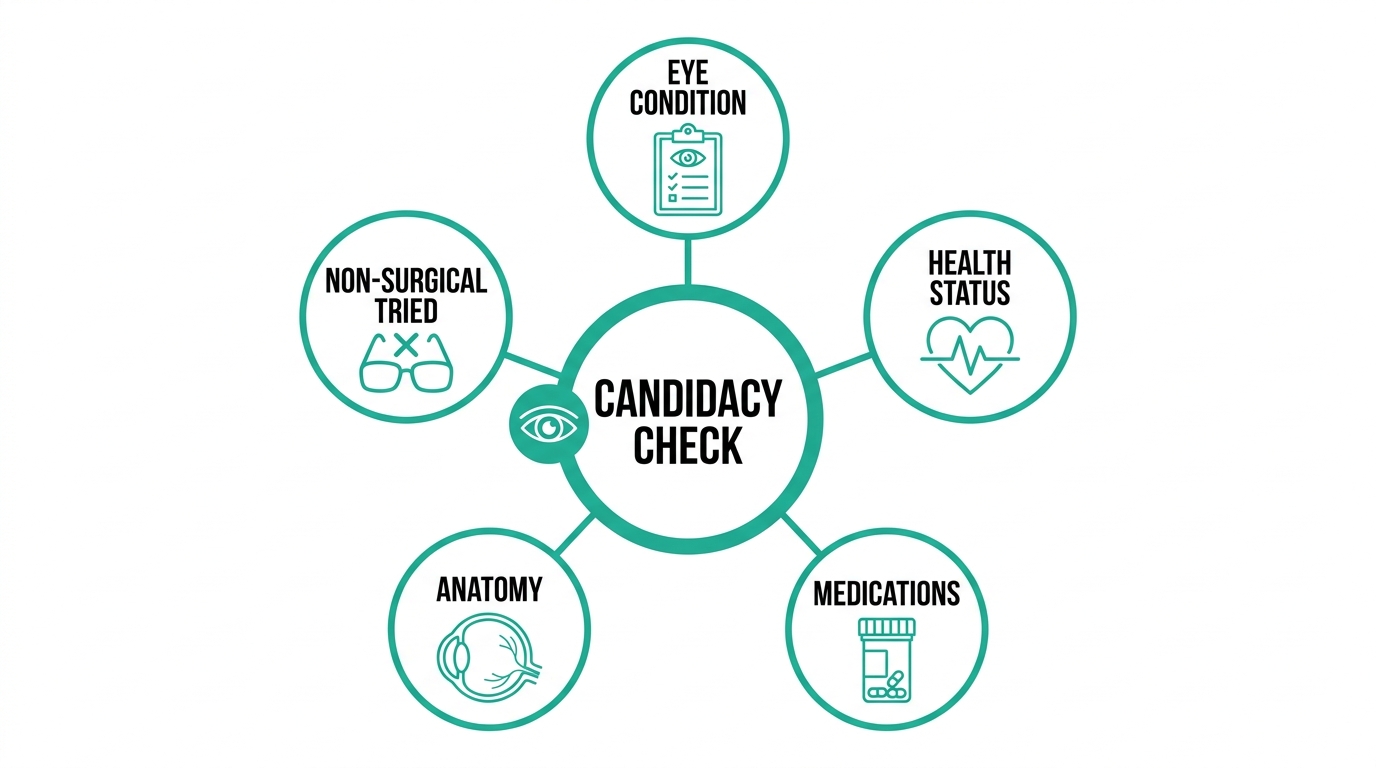
Candidacy for eye surgery depends on your eye condition, overall health, and whether non-surgical options have been exhausted. The following sections cover which conditions typically lead to surgery, which health factors affect eligibility, and when surgery becomes the right choice.
What Eye Conditions Typically Require Surgical Treatment?
The eye conditions that typically require surgical treatment include cataracts, glaucoma with progressive damage, retinal detachment, corneal disease, and strabismus that cannot be corrected with glasses or patching.
- Cataracts: A cloudy lens impairs vision when it can no longer be managed with updated glasses.
- Glaucoma: Surgery may be needed when medications and laser therapy fail to control intraocular pressure adequately.
- Retinal detachment: All three types (rhegmatogenous, tractional, and exudative) require prompt surgical repair to prevent permanent vision loss.
- Corneal disease: Scarring, swelling, or structural damage that blurs vision may require a corneal transplant.
- Strabismus: Misalignment that persists despite eyeglasses, eye patching, prisms, or orthoptic exercises may require surgical correction.
What Health Factors Could Affect Your Eligibility?
The health factors that could affect your eligibility for eye surgery include systemic conditions, medications, and ocular anatomy. Your ophthalmologist will evaluate several areas before recommending surgery.
Key eligibility considerations include:
- Corneal thickness and shape: Thin or irregular corneas may disqualify candidates for LASIK.
- Intraocular pressure: Elevated IOP is a primary risk factor for glaucoma and is assessed before any ocular procedure.
- Systemic disease: Conditions such as diabetes may increase retinal surgery risk; advanced age is associated with higher cataract and glaucoma risk.
- Medications: Blood thinners and certain other drugs may need to be paused before surgery.
- Scleral integrity: Thinned sclera from high myopia increases the risk of perforation during strabismus surgery.
In practice, no single factor automatically disqualifies a patient; eligibility is determined by weighing all variables together.
When Should You Consider Surgery Over Non-Surgical Options?
Surgery should be considered over non-surgical options when conservative treatments no longer preserve or restore functional vision. According to EyeWiki, strabismus surgery is typically recommended when a patient’s eye alignment can no longer be managed with eyeglasses, eye patching, prisms, or orthoptic exercises. The same principle applies across other conditions: cataracts are treated surgically when vision loss affects daily activities; glaucoma surgery is pursued when medications and laser trabeculoplasty fail to halt optic nerve damage; and retinal detachment requires immediate surgical intervention, as it is a sight-threatening emergency with no effective non-surgical alternative. Delaying appropriate treatment when conservative measures have failed can result in irreversible vision loss, making timely specialist evaluation essential.
How Should You Prepare Before Eye Surgery?
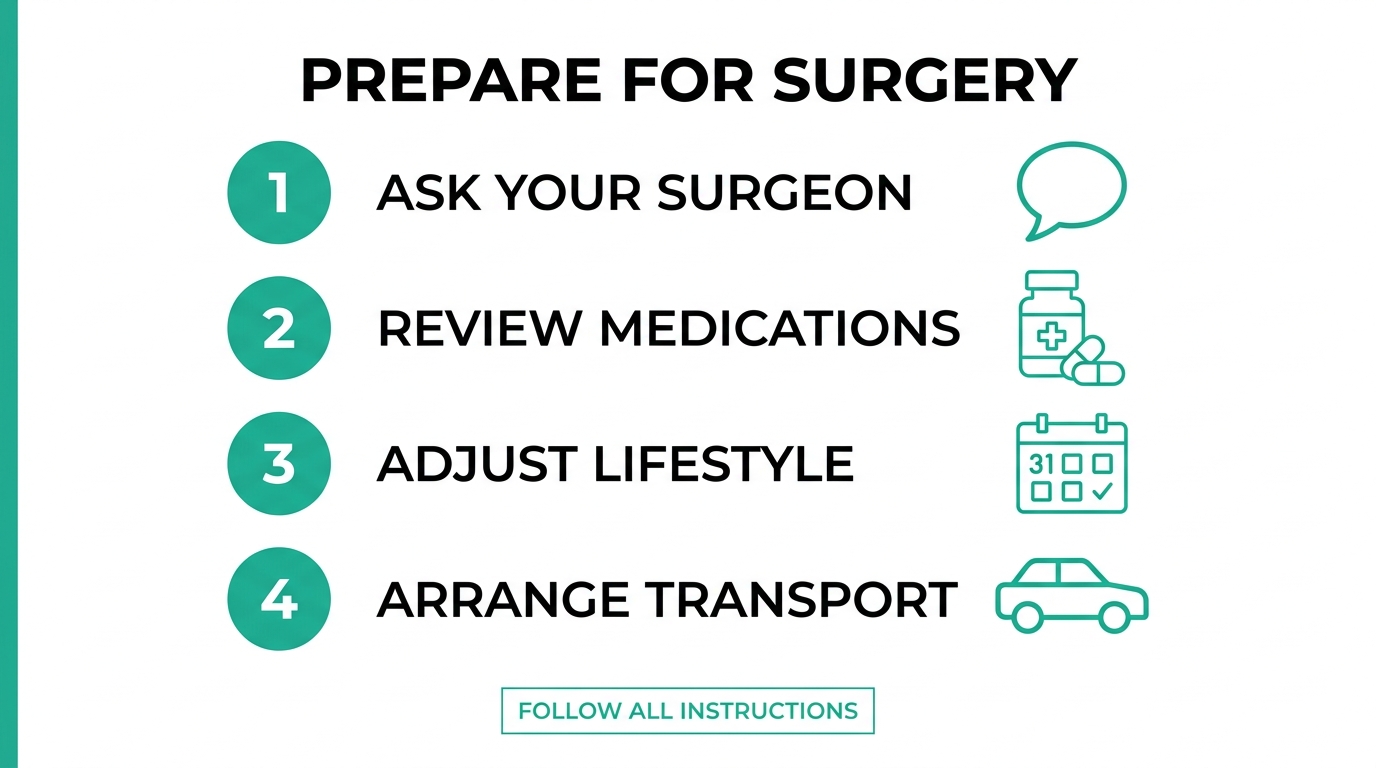
Preparing for eye surgery involves several key steps across medication review, lifestyle adjustments, and day-of logistics. The H3s below cover what to ask your surgeon, which medications may need adjustment, recommended lifestyle changes, and day-of arrangements.
What Questions Should You Ask Your Surgeon Beforehand?
The questions you should ask your surgeon beforehand cover your diagnosis, procedure details, IOL or lens options, expected outcomes, and recovery timeline. Understanding what the surgery involves, including how your eye will be measured, what type of implant or correction is planned, and what results are realistic, helps reduce uncertainty and supports informed decision-making. Ask specifically about risks relevant to your health history, what signs of complications to watch for, and when you can resume normal activities.
What Medications May Need to Be Adjusted Before Surgery?
The medications that may need adjustment before surgery include blood thinners, certain anti-inflammatory drugs, and any prescriptions that could affect healing or bleeding. According to the American Academy of Ophthalmology, your surgeon will inquire about all medications you are currently taking and may advise stopping some before the procedure. Preventive eye drop medicines may also be prescribed in the days leading up to surgery to help prevent infection and reduce swelling.
What Lifestyle Changes Are Recommended Before the Procedure?
The lifestyle changes recommended before eye surgery include avoiding makeup, lotions, or perfumes on the face in the days prior, and refraining from alcohol close to the procedure date. Patients scheduled for cataract surgery should avoid eating solid food for at least 6 hours before their procedure. Arranging a restful pre-surgery routine, staying well-hydrated, and following all surgeon-specific instructions supports a smoother operative experience.
What Should You Arrange for the Day of Surgery?
The arrangements you should make for the day of surgery include organizing a trusted person to drive you home, since you will not be able to drive yourself after the procedure. Eye surgery is typically performed in an outpatient surgery center or hospital, and most patients return home the same day. Planning ahead for rest at home and having prescribed eye drops ready before your appointment reduces stress and supports early recovery.
What Happens During an Eye Surgery Procedure?
Eye surgery procedures vary by type, but share common intraoperative elements: anesthesia administration, the surgical intervention itself, and patient monitoring throughout. The following H3s cover anesthesia options, procedure duration, and what patients can expect to feel.
What Types of Anesthesia Are Used in Eye Surgery?
The types of anesthesia used in eye surgery are local and general anesthesia, with the choice depending on the procedure and patient needs. According to the American Academy of Ophthalmology, eye drops are administered on the day of surgery, and either local or general anesthesia is used before the surgeon replaces damaged tissue or performs the planned intervention. Local anesthesia numbs the eye while keeping the patient awake; general anesthesia is reserved for more complex procedures or patients who cannot remain still.
How Long Does a Typical Eye Surgery Procedure Take?
A typical eye surgery procedure time varies depending on the complexity of the operation. Routine outpatient procedures such as cataract surgery are commonly performed in an outpatient surgery center or hospital. According to the American Academy of Ophthalmology, patients may be advised not to eat solid food for at least 6 hours before surgery. Strabismus surgery, by contrast, is only recommended once conservative measures, such as eyeglasses, eye patching, prisms, and orthoptic exercises, have been exhausted.
What Should You Expect to Feel During the Operation?
Patients should expect minimal to no pain during eye surgery, as anesthesia effectively numbs the eye before the procedure begins. Some patients such as those undergoing cataract surgery with anesthesia report feeling slight pressure or movement rather than sharp discomfort. During cataract surgery, for example, the patient remains awake but perceives only light and movement, with no view of the surgical instruments. Anxiety is common, and surgeons often offer a mild relaxation medication to ease it. Understanding this in advance is one of the most practical things a patient can do to feel confident walking into the operating room.
What Are the Potential Risks and Complications of Eye Surgery?
Eye surgery risks vary by procedure. According to the American Academy of Ophthalmology, potential complications include eye infection, bleeding, swelling, detached retina, and vision loss. The following sections cover short-term side effects, serious complications, and practical ways to reduce your risk.
What Are the Most Common Short-Term Side Effects?
The most common short-term side effects of eye surgery are dry eye, glare, halos, ghosting, and starbursts. According to the American Refractive Surgery Council, most LASIK side effects are part of the normal healing process and resolve over time, though some patients may experience symptoms for six to twelve months.
Common short-term side effects include:
- Dry eye: Affects up to 30% of LASIK patients in the first three months after surgery.
- Glare and halos: Frequently reported during night driving; typically temporary.
- Ghosting and starbursts: Visual distortions that diminish as the cornea heals.
Therapeutic treatments are available for persistent symptoms, so patients should discuss these options with their surgeon if side effects extend beyond the expected healing window.
What Serious Complications Could Occur After Eye Surgery?
Serious complications after eye surgery are rare but possible across all procedure types. According to the American Refractive Surgery Council, sight-threatening LASIK complications, such as infection and corneal flap dislocation, occur in fewer than 1% of procedures.
Procedure-specific serious complications include:
- Cataract surgery: Posterior capsular opacification (secondary cataract) may develop weeks to years post-operatively, causing blurry vision; it is treated with YAG laser capsulotomy.
- LASIK: Corneal flap dislocation and infection, occurring in less than 1% of cases.
- Strabismus surgery: Intraoperative risks include scleral perforation (0.3% to 7.8% incidence) and oculocardiac reflex (14% to 90% incidence, decreasing with age).
Early diagnosis and prompt treatment are essential to optimizing outcomes when complications do arise.
How Can You Reduce Your Risk of Post-Surgical Complications?
Reducing post-surgical complication risk begins before the procedure and continues through recovery. Your surgeon may recommend several evidence-based precautions:
- Follow all pre-operative instructions, including fasting guidelines and medication adjustments.
- Use prescribed eye drops exactly as directed to prevent infection and manage inflammation.
- Avoid rubbing or pressing on the eye during healing.
- Wear protective eyewear, including a shield during sleep, as advised.
- Attend all scheduled follow-up appointments to allow early detection of any issues.
Choosing a qualified, experienced surgeon and disclosing your full medical history are important steps that may help reduce avoidable risk.
What Does Recovery Look Like After Eye Surgery?
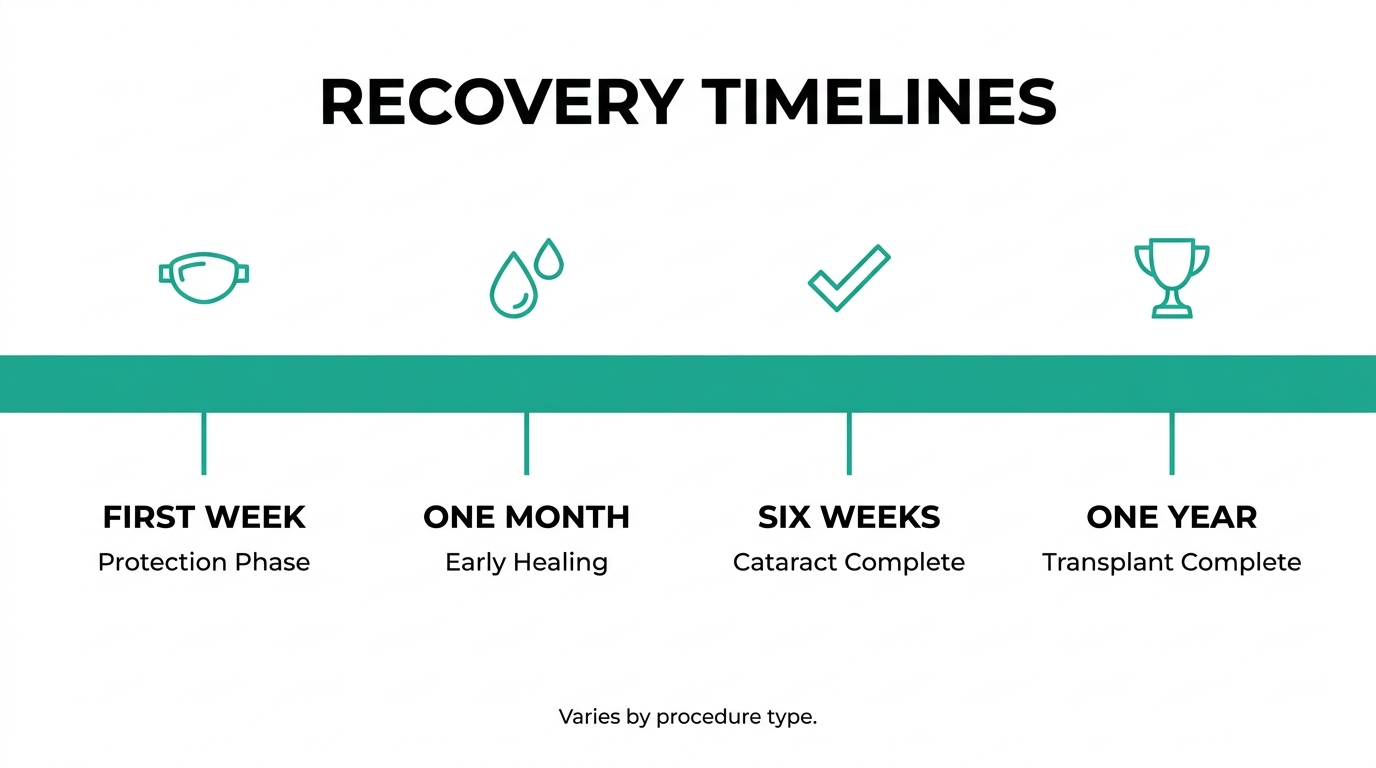
Recovery after eye surgery varies by procedure, but all types share common principles: protecting the eye, using prescribed medications, and avoiding activities that may disrupt healing. The following H3s cover what to expect in the first week, medications you may receive, activities to avoid, and typical timelines for full visual recovery.
What Should You Expect During the First Week of Recovery?
The first week of recovery typically involves some blurred vision, mild discomfort, and light sensitivity as the eye begins to heal. Most patients go home the same day as their procedure. Your ophthalmologist will schedule follow-up visits to monitor healing, check for signs of infection or inflammation, and confirm that the surgical site is stable. Vision may fluctuate during this period, which is normal and expected.
What Eye Drops and Medications Are Typically Prescribed?
Prescribed eye drops after eye surgery typically include antibiotics to prevent infection and anti-inflammatory drops to reduce swelling. Some procedures also require steroid eye drops over a longer tapering schedule. Your surgeon will provide a specific dosing schedule, and adhering to it consistently is one of the most important steps a patient can take to support a smooth, complication-free recovery.
What Activities Should You Avoid During Recovery?
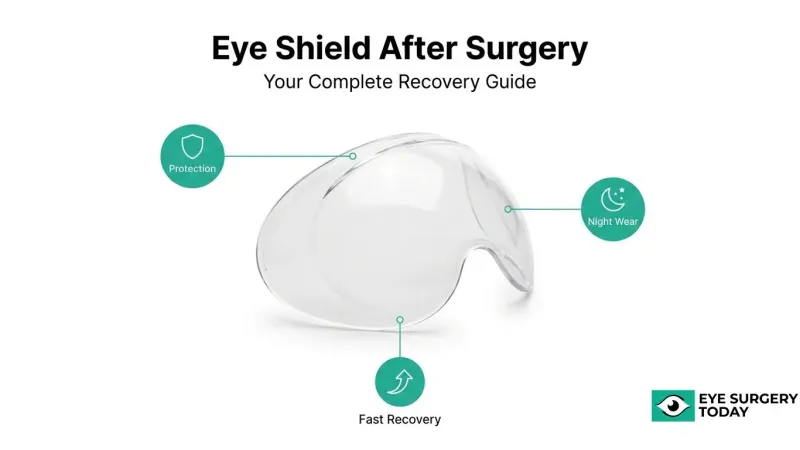
The activities to avoid during eye surgery recovery include rubbing or pressing on the eye, getting soap or water directly in the eye, and strenuous exercise. According to the American Academy of Ophthalmology, patients may also need to wear a protective eye shield, particularly during sleep, to guard against accidental contact. Your ophthalmologist will advise on when it is safe to resume activities like driving.
How Long Does Full Visual Recovery Usually Take?
Full visual recovery timelines vary significantly depending on the procedure performed. According to the American Academy of Ophthalmology, full recovery from cataract surgery can take about 4 to 6 weeks, while corneal transplant patients, particularly those who undergo penetrating keratoplasty (PK), may require a year or more. PK also carries a higher rejection risk, affecting up to 3 out of 10 patients. Understanding your specific procedure’s recovery window helps set realistic expectations from the start.
How Do You Know If Your Eye Surgery Was Successful?
Knowing whether your eye surgery was successful involves tracking specific vision improvements and recognizing warning signs that need prompt attention. The following sections cover realistic outcomes and when to call your doctor.
What Vision Improvements Can You Realistically Expect?
The vision improvements you can realistically expect depend on the type of surgery performed and any pre-existing eye conditions. After cataract surgery, most patients experience clearer, sharper vision and improved color perception as early as a few days post-procedure. However, according to the American Academy of Ophthalmology, cataract surgery cannot restore vision lost to other conditions such as macular degeneration, glaucoma, or diabetic retinopathy. LASIK patients may notice reduced dependence on glasses or contacts, though some can experience dry eye, glare, or halos during the healing period. For procedures like corneal transplants, meaningful visual improvement may take considerably longer, since full recovery can require a year or more. Temporary blurriness or fluctuating vision in the early weeks is common across most procedures and does not necessarily indicate a problem. Realistic expectations should be discussed during pre-operative consultations, and your surgical team remains the most reliable source for benchmarking your individual progress.
When Should You Contact Your Doctor After Surgery?
You should contact your doctor after surgery if you experience any symptoms that fall outside the expected healing pattern. Signs that warrant prompt attention include:
- Sudden or worsening pain that does not resolve with prescribed medication.
- Significant increase in redness, swelling, or discharge from the operated eye.
- Rapid or unexplained decline in vision following an initial period of improvement.
- Flashes of light or new floaters, which may indicate a retinal complication.
- Cloudy or hazy vision returning weeks or months after cataract surgery, a possible sign of posterior capsular opacification, treatable with a YAG laser capsulotomy.
- Warning signs of corneal transplant rejection, including eye pain, light sensitivity, redness, or cloudy vision, which require urgent evaluation.
According to the American Refractive Surgery Council, serious sight-threatening complications from LASIK occur in fewer than 1% of procedures, but early reporting of symptoms remains critical for optimal outcomes across all eye surgeries.
How Can Eye Surgery Resources Help You Prepare for Eye Surgery?
Eye surgery resources can help you prepare for eye surgery by translating complex clinical information into clear, actionable guidance. The H3s below explain how Eye Surgery Today supports procedure understanding and what key lessons you should carry forward.
Can Eye Surgery Today Help You Understand Your Procedure Options?
Yes, Eye Surgery Today can help you understand your procedure options through educational content covering common eye surgeries, including cataract surgery, LASIK, glaucoma surgery, retinal detachment repair, corneal transplants, and strabismus correction. The platform is built on a core commitment to clarity and transparency, presenting evidence-based information free from medical jargon. Each guide is designed to bridge the gap between clinical knowledge and patient understanding, so you can arrive at your surgeon consultation already informed about the procedures, risks, and recovery timelines relevant to your condition. For patients who feel uncertain or hesitant about surgery, educational information can meaningfully reduce that uncertainty before the first appointment.
What Are the Key Takeaways About Preparing for Eye Surgery?
The key takeaways about preparing for eye surgery are grounded in the evidence covered throughout this guide. Pre-operative preparation, including medication reviews, fasting requirements, and pre-surgical eye drops, can support surgical planning and recovery. Understanding recovery timelines helps set realistic expectations: cataract surgery typically requires 4 to 6 weeks, while corneal transplant recovery may extend beyond a year. Knowing the warning signs of complications, such as sudden vision changes, persistent pain, or signs of rejection, enables faster response when it matters most. Most importantly, an informed patient is better positioned to make confident decisions alongside their ophthalmologist. Eye Surgery Today exists to ensure that quality surgical education is accessible to everyone, regardless of medical background.