Understanding Your Options Without the Pressure
When researching eye surgery, patients often encounter terms like standard care, advanced options, or premium technology. These labels can be confusing — and sometimes feel like sales language rather than education.
This guide explains the difference between standard and premium eye care options, how surgeons think about these choices, and how patients can decide what’s right for them — without pressure or assumptions.
What “Standard Care” Means in Eye Surgery
Standard eye care refers to treatments that are:
- Clinically proven
- Widely used
- Considered the medical baseline for safety and effectiveness
Standard care options are often:
- Covered by insurance when medically necessary
- Backed by long-term outcome data
- Appropriate for a wide range of patients
Importantly, standard care does not mean lower quality care. It means care that meets established medical standards.
What “Premium Care” Typically Refers To
Premium care usually involves optional enhancements designed to:
- Customize outcomes
- Address lifestyle preferences
- Reduce dependence on glasses in some patients
Premium options may include:
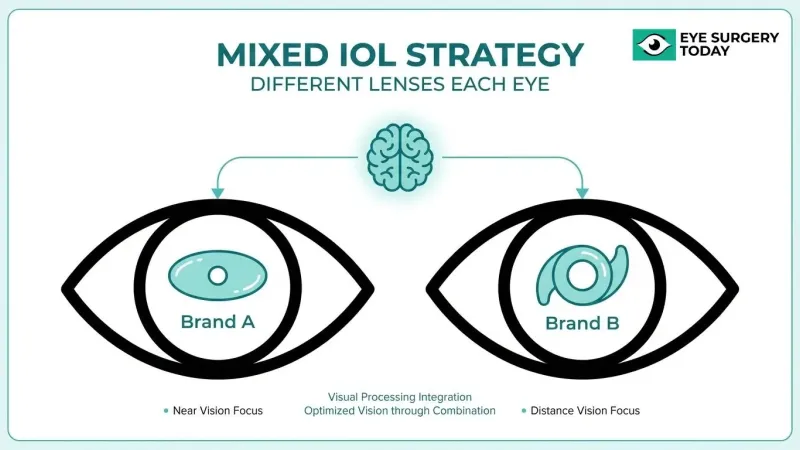
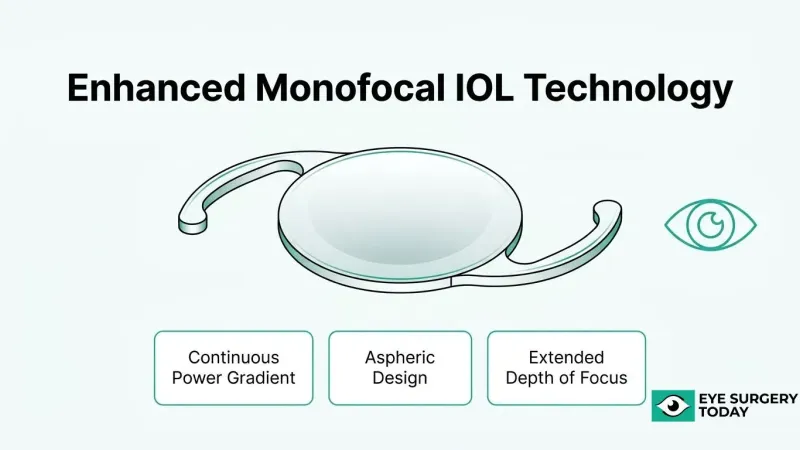
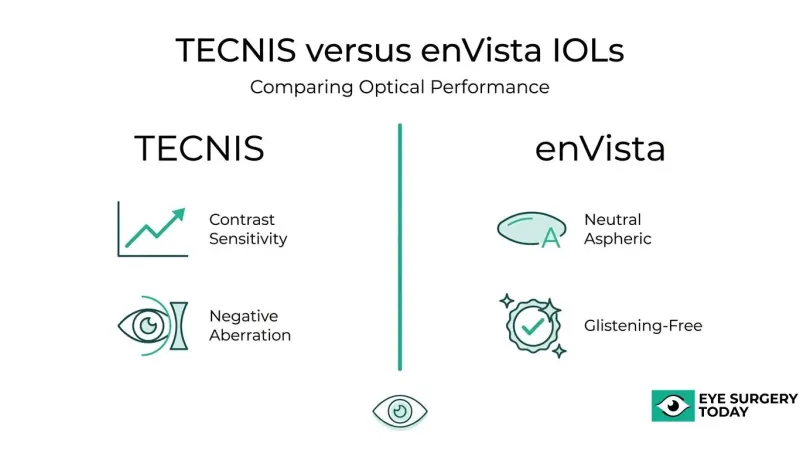
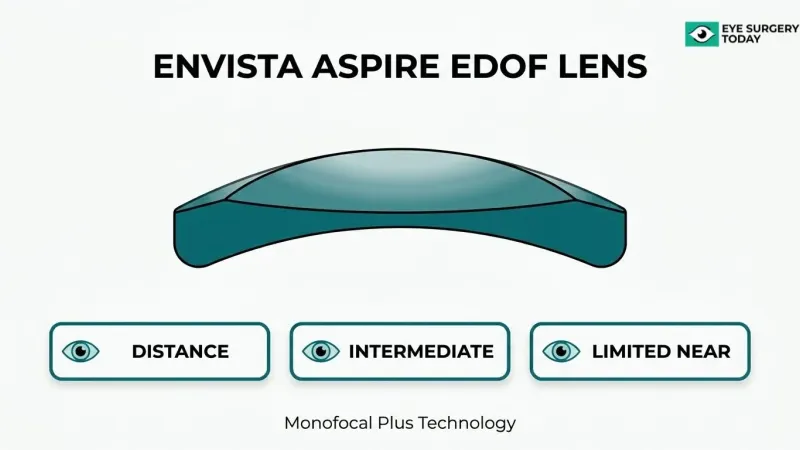
- Advanced lens technology
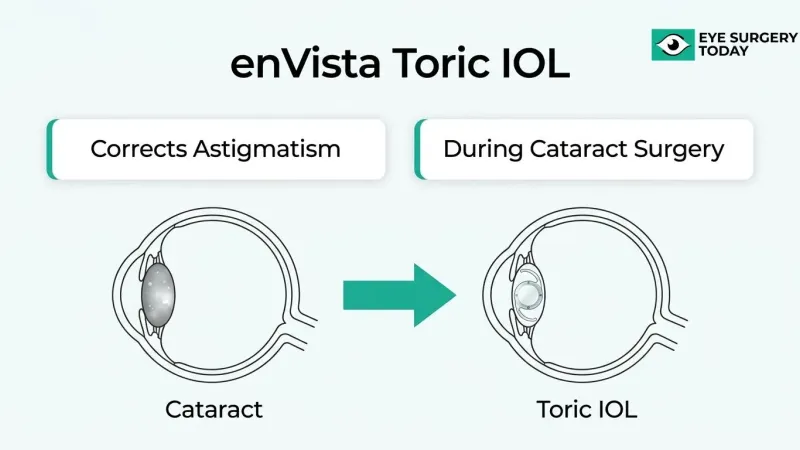
- Astigmatism correction
- Expanded imaging or planning tools
- Vision correction beyond medical necessity
These options are typically not required for safety or success.
Why Premium Options Exist
Eye surgery is not one-size-fits-all.
Premium options exist because:
- Patients have different visual priorities
- Technology allows greater customization
- Some patients are willing to accept tradeoffs for convenience
Premium care expands choices — it does not replace standard care.
How Surgeons Think About These Decisions
Surgeons evaluate premium vs standard options based on:
- Eye anatomy and measurements
- Overall eye health
- Presence of other eye conditions
- Patient lifestyle and goals
- Willingness to accept tradeoffs
A responsible surgeon does not recommend premium options simply because they exist — but because they may align with a patient’s priorities.
Benefits of Standard Care
Standard care often offers:
- Highly predictable outcomes
- Fewer visual side effects
- Simpler recovery
- Broad insurance coverage
For many patients, standard care meets their needs extremely well.
Potential Benefits of Premium Care
Premium options may offer:
- Reduced reliance on glasses
- Expanded range of vision
- Customization for specific activities
However, these benefits are not guaranteed and vary from person to person.
Understanding Tradeoffs
Premium options may involve tradeoffs such as:
- Visual phenomena (glare, halos, reduced contrast)
- Longer adaptation periods
- Additional cost
- More complex decision-making
Understanding tradeoffs is essential to satisfaction.
Cost Considerations
Standard care is often:
- Covered by insurance when medically necessary
Premium options typically involve:
- Additional out-of-pocket costs
- Limited or no insurance coverage
Cost should be discussed openly and transparently — without pressure.
Premium Does Not Mean “Better” for Everyone
A common misconception is that premium care is always superior.
In reality:
- Some patients are happier with standard options
- Some premium technologies are not suitable for certain eyes
- Outcomes depend on matching the option to the individual
The “best” option is the one aligned with your goals and eye health.
Questions to Ask Yourself
When considering premium vs standard care, it may help to reflect on:
- How important is reducing glasses dependence to me?
- Am I comfortable with possible visual tradeoffs?
- Do my daily activities require specialized vision?
- Does the additional cost align with my priorities?
There are no right or wrong answers — only personal ones.
Pressure Is a Red Flag
Patients should feel comfortable asking:
- Why a premium option is being recommended
- What happens if they choose standard care
- Whether waiting or declining is reasonable
If you feel rushed or pressured, it’s appropriate to pause or seek another opinion.
The Role of Education in Better Decisions
Patients who understand:
- Their options
- The limitations of each choice
- The reasons behind recommendations
are more likely to feel confident and satisfied — regardless of the option they choose.
How Eye Surgery Today Approaches This Topic
Eye Surgery Today does not promote:
- Upgrades
- Pricing tiers
- Product rankings
Instead, this platform focuses on clarity, transparency, and patient empowerment.
Explore Related Guides
- Choosing an Eye Surgeon
- Questions to Ask Your Doctor
- Insurance and Costs
The Right Choice Is an Informed One
Standard and premium eye care options both play important roles in modern eye surgery. The goal is not to choose the most advanced option — but the most appropriate one for you.
Eye Surgery Today exists to help patients make those decisions with confidence, not pressure.