A sudden vision change is any noticeable shift in eyesight that develops within seconds, minutes, or hours rather than over weeks or months. These rapid changes can range from brief visual disturbances to complete vision loss in one eye, and they often signal conditions that require prompt or emergency evaluation.
This guide covers the defining characteristics of sudden versus gradual vision loss, the medical conditions most likely to cause acute visual symptoms, the warning signs that help determine urgency, diagnostic and treatment approaches, and long-term prevention strategies.
Sudden vision changes can stem from a wide range of conditions, including retinal detachment, central retinal artery occlusion, acute angle-closure glaucoma, stroke, optic neuritis, wet macular degeneration, and diabetic retinopathy complications. Some of these are medical emergencies with treatment windows as narrow as one hour; others, like migraine with aura, are typically self-resolving.
Recognizing specific symptom patterns is critical for determining the right level of care. Flashes of light, a sudden shower of floaters, a dark curtain spreading across the visual field, or new double vision each point toward different underlying causes with different urgency levels. Accompanying symptoms such as eye pain, headache, or one-sided weakness can elevate a vision change from an urgent eye appointment to a 911 call.
Diagnosis relies on comprehensive clinical examination combined with advanced imaging tools like optical coherence tomography, while treatments range from emergency surgical repair to anti-VEGF injection therapy. Managing risk factors such as blood pressure, blood sugar, and cardiovascular health, alongside consistent professional eye exams, may help reduce the likelihood of many acute vision events.
What Counts as a Sudden Vision Change?
A sudden vision change is any noticeable shift in eyesight that develops within seconds, minutes, or hours rather than over weeks or months. The following subsections clarify onset timelines and how sudden changes differ from gradual vision loss.
How Quickly Do Sudden Vision Changes Typically Occur?
Sudden vision changes typically occur within seconds to hours, depending on the underlying cause. A central retinal artery occlusion, for example, can produce painless blindness in one eye almost instantly. Acute angle-closure glaucoma may cause vision to deteriorate over minutes to hours as intraocular pressure spikes.
Some visual disturbances are brief and self-resolving yet still clinically significant. According to the American Migraine Foundation, visual aura occurs in 25% to 30% of migraine sufferers and typically manifests as disturbances lasting less than an hour before headache onset. Transient episodes like these can mimic more dangerous conditions, which is why any vision change developing faster than a day warrants prompt evaluation. The speed of onset often signals the severity of the underlying problem.
How Are Sudden Vision Changes Different from Gradual Vision Loss?
Sudden vision changes differ from gradual vision loss primarily in onset speed, underlying cause, and urgency. Sudden changes signal acute events that may require emergency intervention within minutes or hours. Gradual vision loss, by contrast, typically results from chronic, progressive conditions such as cataracts or uncorrected refractive error.
Key distinctions include:
- Onset: Sudden changes develop in seconds to hours; gradual loss worsens over months or years.
- Common causes: Sudden loss may indicate retinal detachment, central retinal artery occlusion, or stroke. Gradual loss more often stems from cataracts, glaucoma, or diabetic retinopathy.
- Reversibility window: Sudden events like retinal artery occlusion require treatment within one hour of occurrence to preserve vision. Gradual conditions typically allow longer treatment planning.
- Symptom awareness: Gradual loss often goes unnoticed until significant damage accumulates.
According to the CDC, approximately 7 million people in the United States have vision impairment, including 1 million with blindness, and these numbers are projected to more than double by 2050 among Americans aged 40 or older. Much of this burden stems from progressive conditions that could have been caught earlier. Recognizing whether a vision change appeared suddenly or gradually helps determine the right level of urgency and can be the difference between preserving and permanently losing sight.
Understanding what qualifies as sudden lays the groundwork for identifying specific causes behind these changes.
What Are the Most Common Causes of Sudden Vision Changes?
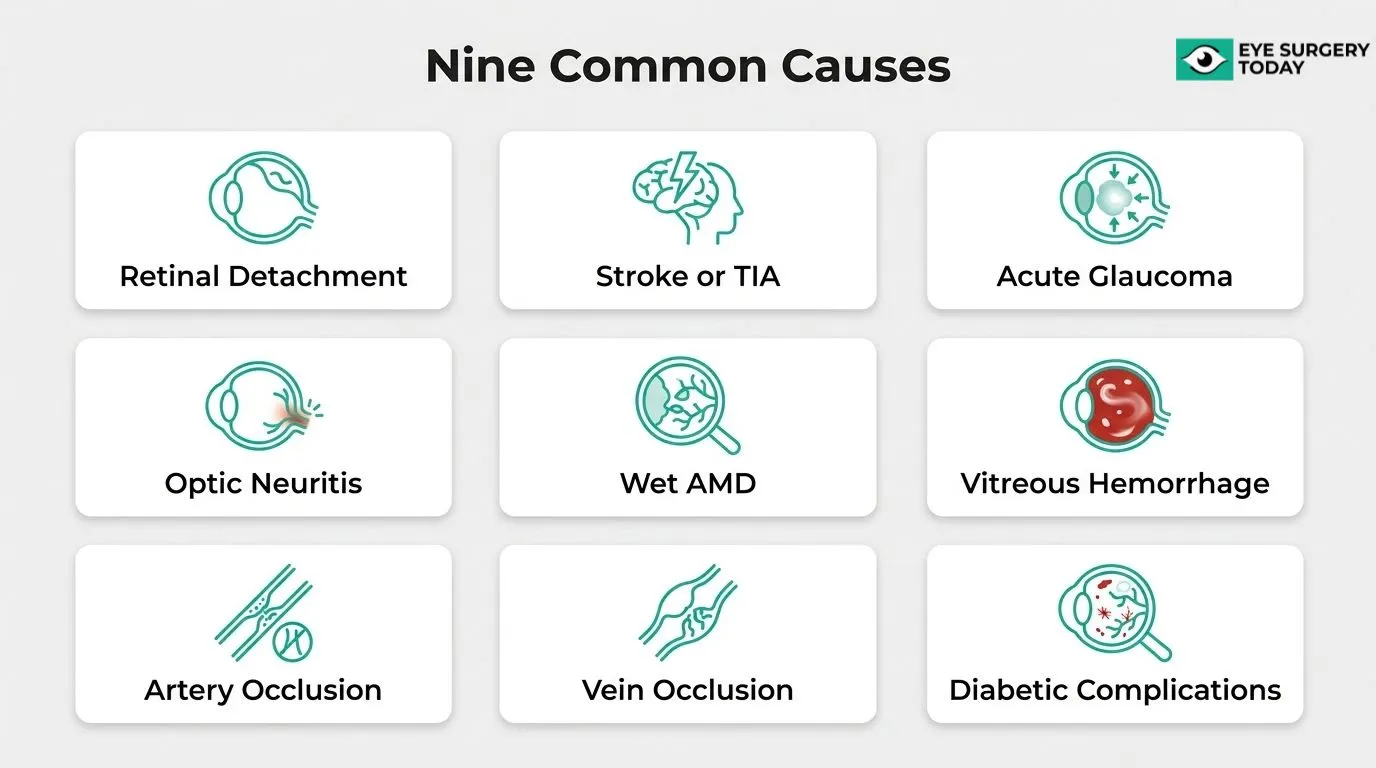
The most common causes of sudden vision changes include retinal detachment, stroke, acute angle-closure glaucoma, optic neuritis, wet macular degeneration, vitreous hemorrhage, retinal artery or vein occlusion, migraine with aura, and diabetic retinopathy complications.
Retinal Detachment
Retinal detachment is a medical emergency in which the retina separates from its underlying layer of blood vessels. This separation cuts off oxygen and nutrient supply to retinal cells. According to the Mayo Clinic, the longer retinal detachment goes without treatment, the greater the risk of permanent vision loss in the affected eye. Warning signs often appear suddenly, including new floaters, flashes of light, or a shadow spreading across the visual field. Because the window for successful repair narrows quickly, anyone experiencing these symptoms should seek immediate evaluation. Early surgical intervention, such as pneumatic retinopexy or vitrectomy, can often reattach the retina before irreversible damage occurs.
Stroke or Transient Ischemic Attack
Stroke or transient ischemic attack (TIA) can cause sudden vision changes by disrupting blood flow to the brain’s visual processing centers or the optic nerve. Symptoms may include sudden loss of vision in one eye, visual field cuts, or double vision. Transient monocular vision loss, sometimes called amaurosis fugax, is a particularly important warning sign. Even if vision returns within minutes, this episode may signal an elevated risk of a full stroke in the near future. Rapid neurological evaluation, including brain imaging and carotid artery assessment, is critical for anyone who experiences sudden vision loss accompanied by weakness, speech difficulty, or confusion.
Acute Angle-Closure Glaucoma
Acute angle-closure glaucoma is an ophthalmological emergency caused by a rapid increase in intraocular pressure. The drainage angle of the eye becomes blocked suddenly, trapping aqueous humor and compressing the optic nerve. Symptoms typically include severe eye pain, headache, nausea, halos around lights, and blurred vision. According to a study published in PubMed Central, acute closed-angle glaucoma has an incidence of 2.2 to 4.1 cases per 100,000 persons per year in Europe. Without immediate pressure-lowering treatment, permanent optic nerve damage and irreversible vision loss can result within hours. This condition demands same-day emergency care.
Optic Neuritis
Optic neuritis is inflammation of the optic nerve that causes rapid visual decline, typically in one eye. According to NIH StatPearls, optic neuritis often presents with ipsilateral orbital pain worsened by eye movement in 90% of cases. Colors may appear washed out, and a central blind spot can develop over hours to days. Although often associated with multiple sclerosis and other demyelinating conditions, optic neuritis can also occur in isolation. Most patients recover meaningful vision over several weeks, though corticosteroid therapy may help accelerate improvement. Prompt evaluation helps rule out other serious causes of acute optic nerve dysfunction.
Wet Age-Related Macular Degeneration
Wet age-related macular degeneration (AMD) causes sudden central vision changes when abnormal blood vessels grow beneath the macula and leak fluid or blood. Straight lines may appear wavy, and a dark or blurry spot can develop in the center of the visual field. Optical coherence tomography (OCT) is a leading imaging technique for diagnosing this condition, enabling clinicians to visualize retinal layers and subretinal fluid with precision. According to the American Academy of Ophthalmology, anti-VEGF treatment for neovascular AMD improves vision in approximately one-third of patients and stabilizes vision in 9 out of 10 individuals. Early detection through regular dilated eye exams gives patients the best chance of preserving central vision.
Vitreous Hemorrhage
Vitreous hemorrhage occurs when blood leaks into the vitreous gel that fills the eye’s interior. This bleeding can cause a sudden shower of floaters, hazy or reddish vision, or near-complete vision obstruction depending on severity. Common underlying causes include diabetic retinopathy, retinal tears, and posterior vitreous detachment. In mild cases, the blood may gradually reabsorb on its own over weeks or months. Severe hemorrhages that do not clear, however, may require vitrectomy surgery to remove the blood and address the source of bleeding. Because vitreous hemorrhage can mask a retinal tear or detachment, urgent ophthalmic evaluation is essential even when symptoms seem to stabilize.
Central Retinal Artery Occlusion
Central retinal artery occlusion (CRAO) is a form of acute ischemic stroke affecting the eye. According to the American Heart Association, fewer than 20% of affected patients regain functional visual acuity, making early recognition critical. CRAO typically presents as sudden, painless, and profound vision loss in one eye. Pre-clinical data support a 4.5-hour time cutoff for intravenous tissue plasminogen activator (IV tPA) administration to maximize the potential for vision preservation. This narrow treatment window makes CRAO one of the most time-sensitive ophthalmic emergencies. Any sudden, painless loss of vision warrants immediate emergency evaluation to rule out arterial occlusion.
Central Retinal Vein Occlusion
Central retinal vein occlusion (CRVO) occurs when a blood clot blocks the main vein draining the retina, causing sudden blurred or distorted vision. According to research published in PubMed Central, visual acuity of 20/100 or better was observed in 78% of non-ischemic CRVO cases but only 1% of ischemic cases when evaluated within three months of onset. This dramatic difference underscores the importance of distinguishing between ischemic and non-ischemic subtypes during diagnosis. Risk factors include hypertension, diabetes, and glaucoma. Treatment may involve anti-VEGF injections or corticosteroid implants to manage macular edema and reduce further vision loss.
Migraine with Aura
Migraine with aura causes temporary visual disturbances that typically precede or accompany headache. Visual aura occurs in 25% to 30% of migraine sufferers, according to the American Migraine Foundation, and usually manifests as shimmering zigzag lines, blind spots, or flickering lights lasting less than an hour. Although alarming, these visual changes are generally reversible and resolve once the aura phase ends. The key distinction is that migraine aura affects both eyes simultaneously, while most ocular emergencies affect only one. Still, a first-time visual aura should prompt medical evaluation to rule out stroke or other vascular events, particularly in older adults or those with cardiovascular risk factors.
Diabetic Retinopathy Complications
Diabetic retinopathy complications can cause sudden vision changes when the disease progresses to its advanced stages. Proliferative diabetic retinopathy triggers the growth of fragile new blood vessels on the retinal surface, which may bleed into the vitreous or cause tractional retinal detachment. Diabetic macular edema, another common complication, produces fluid accumulation in the central retina that distorts or reduces vision. These events can occur without warning, even in patients who have maintained relatively stable blood sugar levels. Regular dilated eye exams remain the most effective strategy for catching progression before sudden complications develop.
With causes ranging from vascular emergencies to inflammatory conditions, recognizing the specific symptoms that accompany sudden vision changes helps determine the urgency of care needed.
What Symptoms Accompany Sudden Vision Changes?
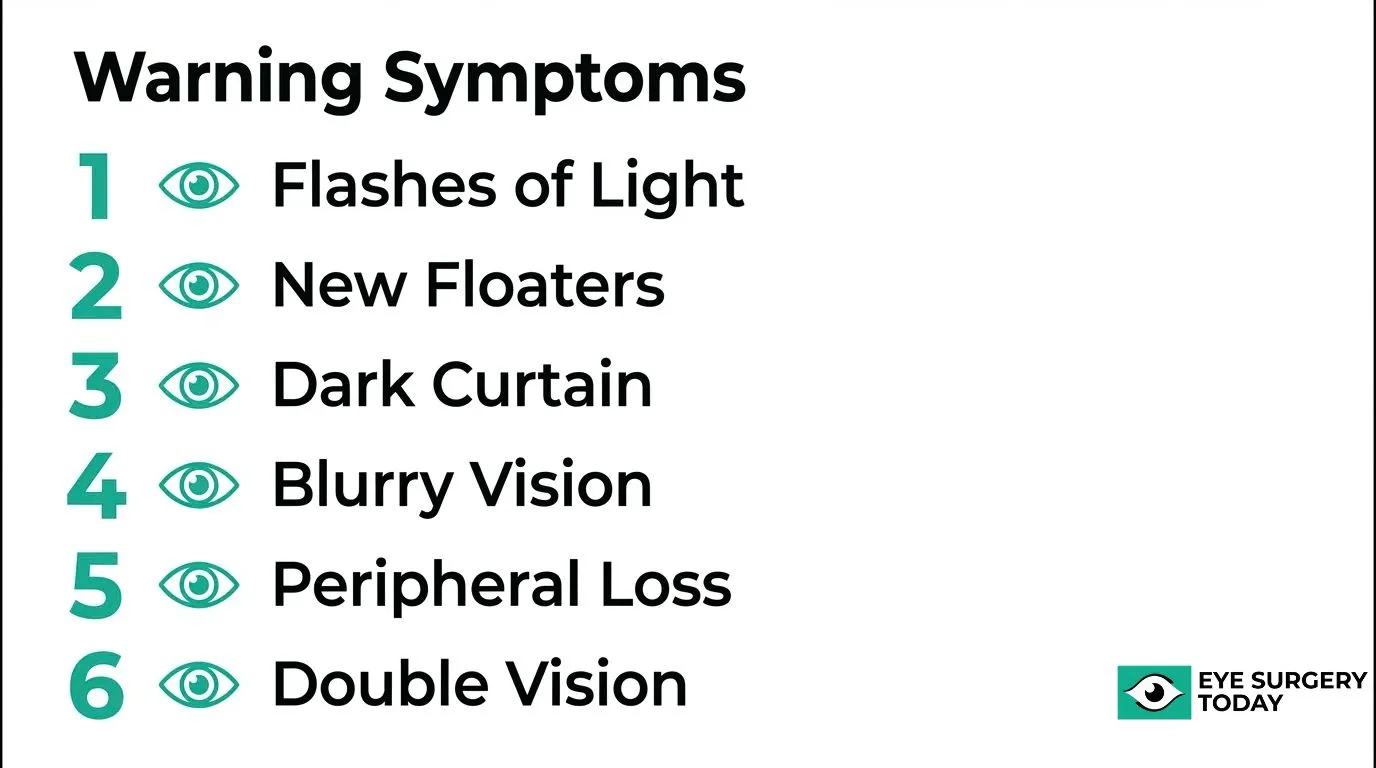
Sudden vision changes may produce distinct warning symptoms, such as flashes of light, new floaters, a dark curtain effect, blurry or distorted vision, peripheral vision loss, and double vision. Each symptom pattern can point toward a different underlying cause.
What Does It Mean If You See Sudden Flashes of Light?
Sudden flashes of light may indicate traction on the retina, often caused by the vitreous gel pulling away from the retinal surface. This symptom can also accompany migraine with aura, where flashes appear as shimmering zigzag lines that resolve within an hour.
When flashes occur alongside a red, painful eye or brow ache, the concern shifts significantly. According to the Oklahoma Optometric Association, sudden onset of halos around lights associated with a red, painful eye or brow can indicate an acute angle-closure attack that must be treated immediately to prevent permanent damage. Isolated flashes without pain still warrant prompt evaluation, since retinal tears can progress to detachment if left unaddressed.
What Does It Mean If You Notice New Floaters or Cobwebs?
New floaters or cobwebs in your vision may suggest changes within the vitreous humor, the gel-like substance filling the eye. A sudden shower of floaters, especially when paired with flashes of light, can signal a posterior vitreous detachment or a retinal tear.
A few occasional floaters are common with aging and typically harmless. However, a dramatic increase in floater density, or floaters that appear alongside a shadow in the peripheral visual field, may point toward retinal detachment. Because early retinal tears can sometimes be sealed with laser treatment before full detachment occurs, reporting a sudden onset of new floaters to an eye care provider promptly is important.
What Does a Sudden Dark Curtain Across Your Vision Indicate?
A sudden dark curtain across your vision typically indicates retinal detachment. This shadow, often described as a veil or shade moving across the visual field, results from the retina separating from the underlying supportive tissue that supplies it with oxygen and nutrients.
Retinal detachment is a medical emergency. The longer the retina remains detached, the greater the risk of permanent vision loss in the affected eye, as noted by the Mayo Clinic. Some individuals notice the curtain spreading from one side, while others experience it descending from above. Regardless of the direction, any curtain-like obstruction appearing suddenly requires immediate emergency evaluation, as surgical reattachment is most successful when performed early.
What Does Sudden Blurry or Distorted Vision Suggest?
Sudden blurry or distorted vision may suggest conditions affecting the macula, optic nerve, or vascular supply to the eye. Wet age-related macular degeneration can cause straight lines to appear wavy or bent, a hallmark distortion known as metamorphopsia. Optic neuritis, often linked to multiple sclerosis, may produce rapid blurring in one eye accompanied by pain during eye movement.
Vascular events, such as central retinal vein occlusion, can also cause abrupt blurriness by disrupting blood flow within the retina. Because the range of possible causes spans from treatable inflammatory conditions to sight-threatening vascular emergencies, sudden onset of blurry or distorted vision should be evaluated by an eye care professional the same day it occurs.
What Does a Sudden Loss of Peripheral Vision Mean?
A sudden loss of peripheral vision may mean that the retina, optic nerve, or visual processing pathways in the brain have been compromised. Retinal detachment commonly begins with peripheral shadows before advancing toward central vision. Acute angle-closure glaucoma can also narrow the visual field rapidly as intraocular pressure spikes.
When peripheral vision loss affects both eyes simultaneously, a stroke or transient ischemic attack involving the visual cortex becomes a primary concern. Homonymous hemianopia, where the same side of the visual field is lost in both eyes, is a classic neurological pattern. Any sudden narrowing of the visual field warrants urgent medical attention, as the underlying cause often determines whether vision can be preserved.
What Does Double Vision That Appears Suddenly Suggest?
Double vision that appears suddenly may suggest a neurological, muscular, or orbital problem affecting eye alignment. Monocular diplopia, where double vision persists with one eye closed, can point to cataracts or lens displacement. Binocular diplopia, which resolves when either eye is covered, often involves cranial nerve damage or conditions affecting the extraocular muscles.
Sudden binocular double vision accompanied by headache, weakness, or difficulty speaking raises concern for stroke or aneurysm and requires emergency evaluation. Even without additional neurological symptoms, new-onset double vision is rarely benign in adults and should be assessed promptly.
Recognizing these symptom patterns helps determine urgency, which is why knowing when to seek emergency care can be the most critical decision.
When Should You Seek Emergency Care for Vision Changes?
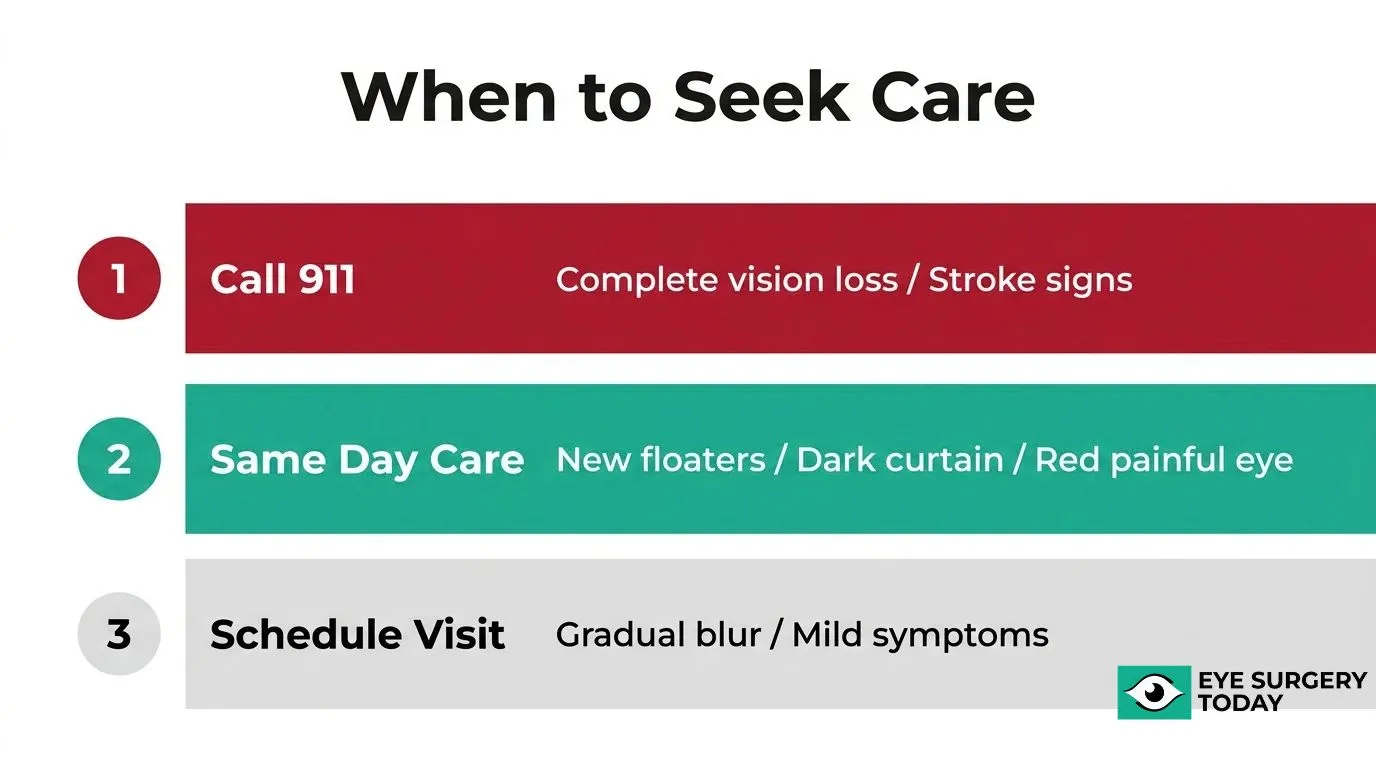
You should seek emergency care for vision changes based on the severity and accompanying symptoms. The following subsections break down which symptoms require a 911 call, which need same-day urgent care, and which can safely wait for a scheduled visit.
Which Sudden Vision Symptoms Require a 911 Call?
Sudden vision symptoms that require a 911 call include complete vision loss in one or both eyes, visual changes accompanied by stroke signs such as facial drooping, arm weakness, or slurred speech, and vision loss with sudden severe headache or confusion. Central retinal artery occlusion (CRAO), a form of acute ischemic stroke, requires the patient to be seen within one hour of occurrence, as fewer than 20% of affected patients regain functional visual acuity according to a 2021 American Heart Association scientific statement. Any combination of sudden blindness with neurological symptoms signals a potentially life-threatening event where minutes determine outcomes.
Which Sudden Vision Symptoms Require Same-Day Urgent Care?
Sudden vision symptoms that require same-day urgent care include:
- A sudden shower of new floaters or flashes of light, which may indicate retinal detachment or vitreous hemorrhage.
- A dark curtain or shadow moving across part of your visual field.
- A red, painful eye with halos around lights and nausea, which can suggest acute angle-closure glaucoma.
- Sudden blurry or distorted vision in one eye without neurological symptoms.
These symptoms may not require calling 911, but they do demand evaluation within hours. Delaying care beyond the same day can allow conditions like retinal detachment to progress, increasing the risk of permanent vision loss.
Which Vision Changes Can Safely Wait for a Scheduled Visit?
Vision changes that can safely wait for a scheduled visit include gradual blurriness that develops over days or weeks, a small number of long-standing floaters without new flashes, mild fluctuations in vision clarity related to dry eye or fatigue, and occasional visual aura episodes already diagnosed as migraine with aura. While none of these warrant an emergency room visit, they still deserve professional evaluation. A comprehensive eye exam can identify underlying conditions before they worsen. If any of these milder symptoms suddenly intensify or new symptoms appear, the urgency level changes immediately.
Understanding when to act on vision changes can help preserve long-term eye health and guide timely treatment decisions.
What Are the Possible Risk Factors for Sudden Vision Changes?
The possible risk factors for sudden vision changes include age, sex, chronic health conditions, and socioeconomic barriers to care. Understanding these factors can help identify who may be most vulnerable.
- Age over 50: People over the age of 50 account for the majority of vision impairment cases globally, as age-related conditions like macular degeneration, glaucoma, and retinal vascular occlusions become significantly more common.
- Female sex: According to a 2021 analysis published by the Review of Optometry, women had a 27.1% higher prevalence of blindness and vision loss compared with men, making sex a meaningful demographic factor.
- Diabetes: Uncontrolled blood sugar can damage retinal blood vessels, and diabetic retinopathy may progress to a stage where sudden hemorrhage or swelling threatens vision without warning.
- Cardiovascular disease and hypertension: Conditions that affect blood flow, such as high blood pressure, atrial fibrillation, and carotid artery disease, may increase the risk of retinal artery or vein occlusions.
- History of stroke or transient ischemic attack: Prior cerebrovascular events can signal an elevated risk of ocular vascular emergencies.
- High myopia (severe nearsightedness): Significantly nearsighted individuals face a higher likelihood of retinal tears and detachment due to structural changes in the eye.
- Limited access to preventive eye care: Lower-income patients and those in underserved communities are more likely to experience vision impairment, often due to barriers such as language, insurance limitations, and geographic distance from providers.
Many of these risk factors overlap. A patient over 60 with diabetes and hypertension, for example, carries compounding vulnerabilities that make routine eye exams especially important. Recognizing personal risk factors early is one of the most practical steps toward catching treatable conditions before sudden vision loss occurs. With risk factors identified, understanding the diagnostic process helps clarify what happens when sudden vision changes do arise.
How Are Sudden Vision Changes Diagnosed?
Sudden vision changes are diagnosed through a combination of urgent clinical examination, imaging, and specialized eye tests. The specific approach depends on presenting symptoms and suspected causes.
When a patient presents with acute vision loss or distortion, an ophthalmologist typically begins with a comprehensive eye exam that includes visual acuity testing, pupil response evaluation, and slit-lamp examination. Intraocular pressure measurement can help identify conditions such as acute angle-closure glaucoma, while dilated fundus examination allows direct visualization of the retina and optic nerve.
Advanced imaging plays a critical role in confirming diagnoses. According to a study published in MDPI’s Bioengineering journal, optical coherence tomography (OCT) is a leading imaging technique for diagnosing retinal disorders such as age-related macular degeneration and diabetic retinopathy, with its functional extension, OCT angiography (OCTA), relying on light reflectance to visualize surface vasculature. These non-invasive scans produce cross-sectional images of retinal layers, revealing fluid accumulation, swelling, or structural damage that may not be visible during a standard exam.
Additional diagnostic tools your eye care provider may use include:
- Fluorescein angiography to map blood flow through retinal vessels and detect blockages or leaks.
- Visual field testing to identify peripheral vision loss associated with glaucoma or neurological conditions.
- B-scan ultrasonography to evaluate the retina when vitreous hemorrhage or other opacities block direct viewing.
- Neuroimaging (CT or MRI) to rule out stroke, optic neuritis, or intracranial causes of sudden vision loss.
Because many causes of sudden vision changes overlap in presentation, prompt and thorough diagnostic evaluation is essential. A condition like central retinal artery occlusion can mimic other forms of acute vision loss, yet it requires entirely different, time-sensitive intervention. This diagnostic precision is what guides clinicians toward the right treatment approach.
What Treatments May Help Restore Vision After Sudden Changes?
Treatments that may help restore vision after sudden changes depend on the underlying cause, the severity of damage, and how quickly intervention begins. Key approaches include emergency procedures, injectable therapies, and surgical repair.
How Is Retinal Detachment Treated Surgically?
Retinal detachment is treated surgically through procedures such as pneumatic retinopexy, scleral buckle surgery, and vitrectomy. Pneumatic retinopexy involves injecting a gas bubble into the eye to push the detached retina back against the eye wall. Scleral buckle surgery places a silicone band around the eye to counteract the force pulling the retina out of position. Vitrectomy removes the vitreous gel and replaces it with a gas bubble or silicone oil to flatten the retina. The choice of technique depends on the location and extent of the detachment. Early surgical intervention is critical; according to the Mayo Clinic, retinal detachment is a medical emergency, and the longer it goes without treatment, the greater the risk of permanent vision loss in the affected eye. For most patients, prompt repair within days of symptom onset offers the best chance of preserving useful vision.
How Are Retinal Artery and Vein Occlusions Managed?
Retinal artery and vein occlusions are managed through time-sensitive interventions tailored to the type of blockage. Central retinal artery occlusion (CRAO) requires the most urgent response. According to the NIH, pre-clinical data support a 4.5-hour time cutoff for intravenous tissue plasminogen activator (IV tPA) administration in CRAO to maximize the potential for vision preservation. Additional emergency measures may include ocular massage, anterior chamber paracentesis, and inhalation of a carbogen gas mixture.
Central retinal vein occlusion (CRVO) management typically focuses on treating complications, particularly macular edema, with anti-VEGF injections or corticosteroid implants. The prognosis varies significantly based on whether the occlusion is ischemic or non-ischemic. Because both conditions carry systemic vascular risks, a comprehensive cardiovascular workup is often recommended alongside ocular treatment.
What Role Do Anti-VEGF Injections Play in Vision Recovery?
Anti-VEGF injections play a central role in vision recovery for conditions involving abnormal blood vessel growth or fluid leakage in the retina. These medications block vascular endothelial growth factor, a protein that drives the formation of fragile, leaky blood vessels beneath the macula. According to the American Academy of Ophthalmology, anti-VEGF treatment for neovascular age-related macular degeneration improves vision in approximately one-third of patients and stabilizes vision in 9 out of 10 individuals. Ophthalmologists also use anti-VEGF therapy for diabetic macular edema and retinal vein occlusion. Treatment typically requires a series of intravitreal injections over several months, with ongoing monitoring to determine frequency. While not every patient regains lost acuity, consistent treatment can prevent further deterioration in the majority of cases.
How Is Acute Angle-Closure Glaucoma Treated?
Acute angle-closure glaucoma is treated with immediate pressure-lowering medications followed by laser peripheral iridotomy. Initial management typically involves a combination of topical and systemic agents:
- Topical beta-blockers and alpha-agonists reduce aqueous humor production.
- Topical pilocarpine constricts the pupil to open the drainage angle.
- Oral or intravenous acetazolamide and osmotic agents lower intraocular pressure rapidly.
Once pressure stabilizes, laser peripheral iridotomy creates a small opening in the iris to restore fluid drainage and prevent recurrence. The fellow eye is usually treated prophylactically, since it often shares the same anatomical risk. Delays in treatment can cause permanent optic nerve damage within hours, making this one of the most time-sensitive ocular emergencies.
When Is Emergency Treatment Most Effective for Sudden Vision Loss?
Emergency treatment is most effective for sudden vision loss when initiated within the first hours of symptom onset. Conditions like CRAO function similarly to a stroke of the eye, where every minute without blood flow increases retinal cell death. Acute angle-closure glaucoma, retinal detachment, and giant cell arteritis also require same-day intervention to preserve remaining function.
Diagnostic imaging tools such as optical coherence tomography (OCT) help clinicians rapidly assess retinal structure and guide treatment decisions. The critical factor across nearly all causes of sudden vision loss is time; the window for meaningful recovery narrows quickly once symptoms appear. Seeking immediate evaluation at an emergency department or eye care provider can make the difference between partial recovery and permanent vision loss.
Can Sudden Vision Changes Be Prevented?
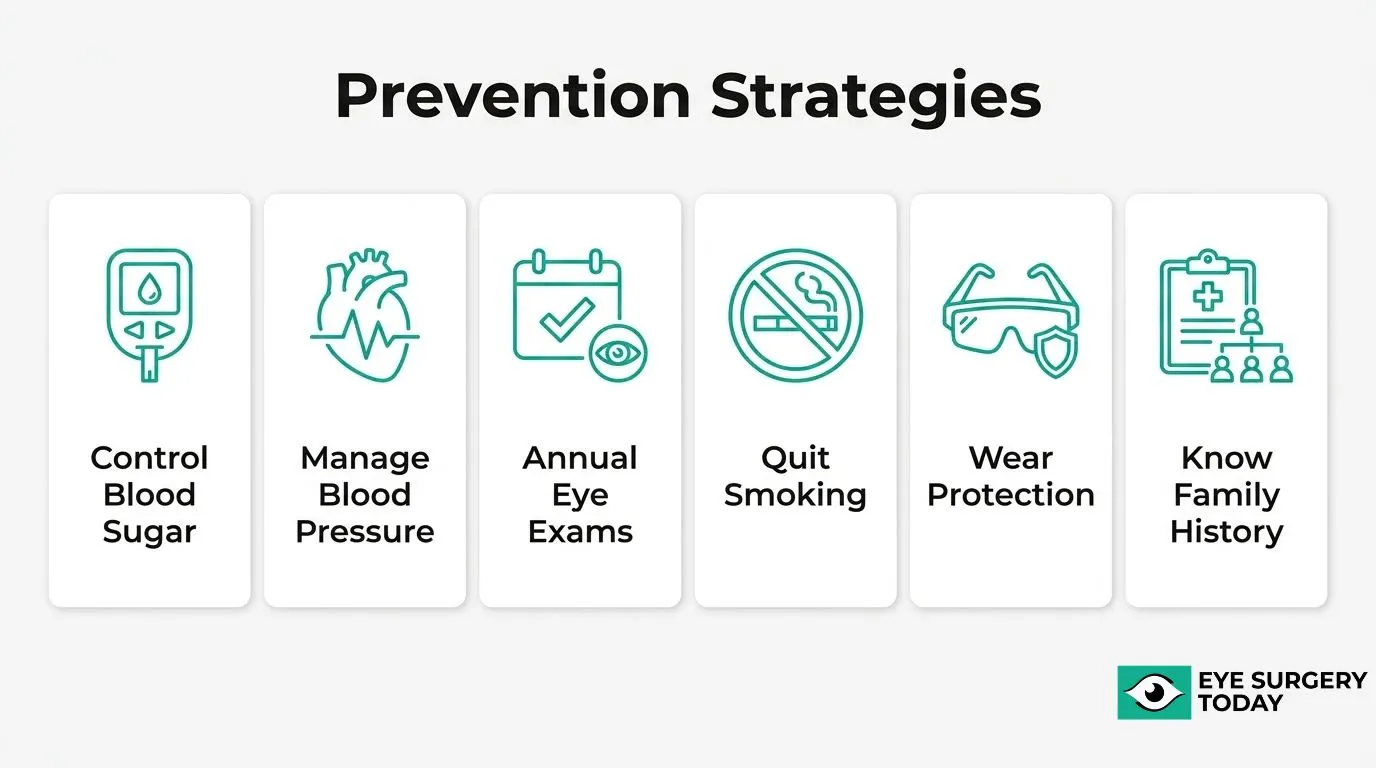
Sudden vision changes cannot always be prevented, but managing underlying risk factors may significantly reduce the likelihood of many causes. Key strategies include controlling systemic health conditions, attending regular eye exams, and recognizing early warning signs.
Not every cause of sudden vision loss is avoidable; retinal detachment from trauma or optic neuritis linked to autoimmune conditions can occur despite preventive efforts. Still, a substantial portion of vision impairment worldwide remains addressable. According to the World Health Organization, at least 1 billion of the 2.2 billion people globally with vision impairment have conditions that could have been prevented or are yet to be treated, with cataracts and glaucoma among the leading causes.
Proactive measures that may help lower risk include:
- Managing blood pressure and blood sugar. Uncontrolled hypertension and diabetes are major contributors to retinal vascular events, including central retinal artery occlusion and diabetic retinopathy complications.
- Scheduling annual comprehensive eye exams. Routine dilated exams can detect elevated intraocular pressure, early retinal changes, and macular degeneration before sudden symptoms develop.
- Addressing cardiovascular risk factors. Conditions like atrial fibrillation, high cholesterol, and carotid artery disease increase the risk of ocular stroke events. Working with a healthcare provider to manage these factors may reduce that risk.
- Wearing protective eyewear. Impact-resistant lenses during sports or industrial work can help prevent traumatic retinal detachment and vitreous hemorrhage.
- Knowing your family history. A family history of glaucoma, macular degeneration, or retinal detachment may warrant earlier and more frequent screening.
- Quitting smoking. Smoking is associated with accelerated progression of age-related macular degeneration and increased vascular disease risk throughout the body, including the retinal vasculature.
Prevention is most effective when patients treat it as an ongoing commitment rather than a single action. For individuals over 50, those with diabetes, or anyone with a family history of eye disease, the window between a preventable condition and a vision-threatening emergency can be narrow. Early detection through consistent professional eye care remains the most reliable strategy for preserving long-term vision.
How Can Eye Care Resources Help You?
Eye care resources can help you make informed decisions about your vision by providing clinically accurate, accessible education. The following sections explain how Eye Surgery Today supports your understanding and summarize the essential points from this article.
Can Eye Surgery Today Help You Understand Your Vision Options?
Yes, Eye Surgery Today can help you understand your vision options through its educational platform. Eye Surgery Today provides clear, evidence-based guides covering treatable eye conditions, surgical procedures, and recovery expectations.
The platform covers key topics relevant to sudden vision changes, including:
- Cataract surgery fundamentals and advanced intraocular lens options.
- Decision-making guides for patients considering refractive vision correction.
- Educational articles explaining conditions that may cause acute visual symptoms.
For anyone experiencing concerns about their eyesight, having access to trustworthy information is a critical first step. Eye Surgery Today bridges the gap between complex clinical knowledge and patient understanding, empowering individuals to have more productive conversations with their eye care providers.
What Are the Key Takeaways About Sudden Vision Changes?
The key takeaways about sudden vision changes are that they often signal serious underlying conditions requiring prompt evaluation. Any abrupt shift in vision, whether it involves flashes, floaters, a dark curtain, or complete loss of sight, should never be ignored.
The most important points to remember include:
- Conditions such as retinal detachment, central retinal artery occlusion, and acute angle-closure glaucoma are medical emergencies with narrow treatment windows.
- Accompanying symptoms like eye pain, headache, or weakness on one side of the body may indicate stroke and require immediate emergency care.
- Not all sudden vision changes are emergencies; migraine with aura, for example, typically resolves within an hour.
- Risk factors such as age, diabetes, and cardiovascular disease increase vulnerability to acute vision events.
- Early diagnosis using tools like optical coherence tomography can help preserve vision when treatment begins promptly.
Prioritizing regular eye exams and knowing when to seek emergency care remain the most effective strategies for protecting long-term vision health.