Medicare coverage for cataract surgery is a Part B benefit that pays for medically necessary lens extraction, conventional intraocular lens (IOL) implantation, and post-operative corrective lenses once a beneficiary meets documented eligibility criteria. This guide covers how each Medicare part applies to cataract surgery, 2026 cost-sharing specifics, medical necessity and eligibility requirements, IOL coverage distinctions, services Medicare excludes, and pre- and post-operative care.
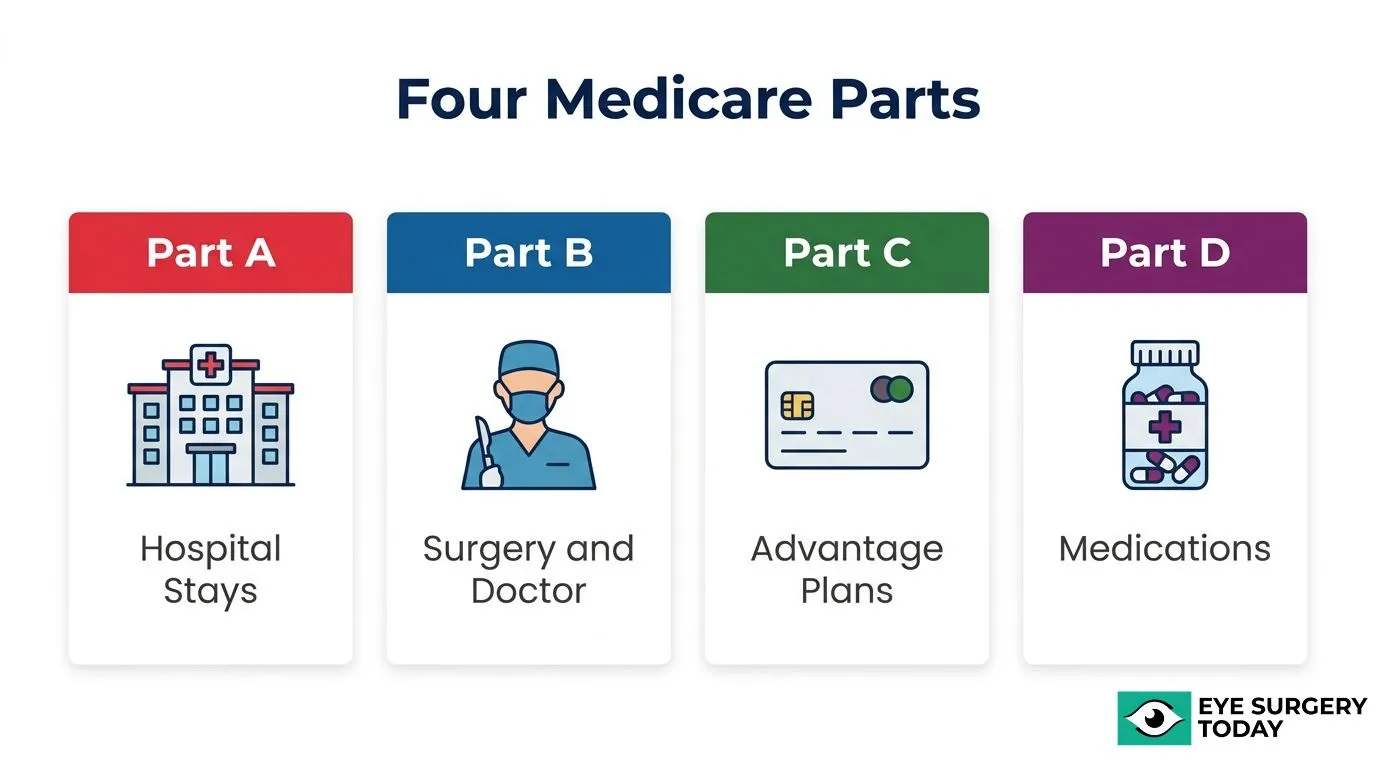
Medicare Parts A, B, C, and D each serve a different function in cataract coverage, with Part B handling the primary outpatient surgical benefit and Part D addressing prescribed eye drop medications.
For 2026, the annual Part B deductible is $283, after which beneficiaries pay 20% coinsurance on Medicare-approved amounts; Medigap supplemental plans may reduce or eliminate that coinsurance obligation entirely.
Medicare determines surgical eligibility through documented functional vision impairment, not a fixed visual acuity cutoff, meaning even patients with 20/40 or better corrected vision may qualify when daily activities are affected.
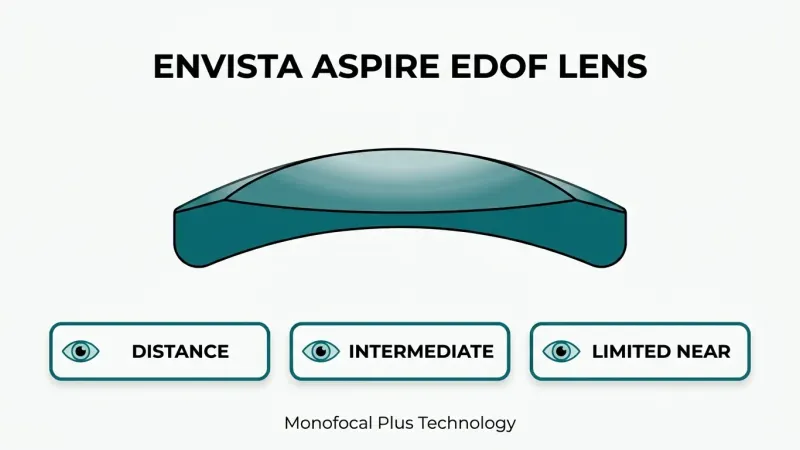
Part B fully covers a standard monofocal IOL, while premium options (multifocal, toric, or extended depth-of-focus lenses) require the patient to pay the cost difference above the conventional lens amount under established CMS rulings.
Covered pre-operative care includes the diagnostic evaluation confirming medical necessity, and post-operative benefits include follow-up visits within the global surgical period plus one pair of eyeglasses with standard frames or one set of contact lenses per surgical eye.
What Parts of Medicare Apply to Cataract Surgery?
Medicare Parts A, B, C, and D each play a distinct role in cataract surgery coverage. The sections below break down what each part covers, from outpatient surgery and hospital stays to prescription medications.
What Does Medicare Part B Cover for Cataract Surgery?
Medicare Part B covers cataract surgery when the procedure is deemed medically necessary. This includes the surgeon’s fees, the outpatient facility charges, anesthesia, and implantation of a conventional intraocular lens (IOL). After you meet the Part B deductible, you pay 20% of the Medicare-approved amount for both the doctor’s services and the facility charges, according to Medicare.gov.
Medicare considers lens extraction medically necessary when a cataract causes symptomatic visual impairment that cannot be corrected with a tolerable change in glasses or contact lenses, resulting in activity limitations such as difficulty reading, driving, or watching television. Part B also covers one pair of eyeglasses with standard frames, or one set of contact lenses, after each cataract surgery that implants an IOL. Coverage applies regardless of whether the surgeon uses a manual incision or femtosecond laser-assisted technique for the cataract removal itself.
Given that as many as 80% of cataract surgeries in the United States are performed on Medicare beneficiaries, Part B serves as the primary coverage pathway for this procedure. Understanding these benefits before surgery helps avoid unexpected costs.
What Role Does Medicare Part A Play if You’re Hospitalized?
Medicare Part A plays a limited role in cataract surgery because the vast majority of these procedures are performed on an outpatient basis. Part A covers inpatient hospital stays, so it would only apply if a rare complication required overnight admission or if a patient’s medical condition demanded an inpatient setting for the procedure.
In those uncommon situations, Part A covers the hospital room, nursing care, meals, and any medically necessary services provided during the stay. Most beneficiaries will never use Part A for cataract surgery; Part B handles the standard outpatient pathway.
How Does Medicare Advantage (Part C) Handle Cataract Surgery?
Medicare Advantage (Part C) handles cataract surgery by covering, at minimum, everything Original Medicare (Parts A and B) covers. Private insurers administer these plans, so the specific cost-sharing structure may differ. Some Medicare Advantage plans use copayments instead of the standard 20% coinsurance, and network restrictions often require using in-network surgeons and facilities.
Certain Part C plans offer supplemental vision benefits beyond what Original Medicare provides, such as allowances for upgraded eyeglass frames or routine eye exams. Beneficiaries should review their plan’s Summary of Benefits before scheduling surgery, because out-of-network care can result in significantly higher out-of-pocket costs. For many patients, comparing Part C options during open enrollment is one of the most practical steps toward reducing cataract surgery expenses.
Does Medicare Part D Cover Cataract Surgery Medications?
Medicare Part D covers outpatient prescription medications, which may include certain eye drops prescribed before or after cataract surgery. Antibiotic and anti-inflammatory drops used during the post-operative recovery period are the most common cataract-related prescriptions that fall under Part D.
Coverage specifics depend on the plan’s formulary. Each Part D plan maintains its own list of covered drugs, tier placement, and copayment amounts, so the cost of post-surgical eye drops can vary widely between plans. Beneficiaries should check whether their prescribed drops are on formulary before filling the prescription. If a specific medication is not covered, the prescribing surgeon can often recommend a formulary alternative that provides equivalent therapeutic benefit.
With the role of each Medicare part clarified, the next consideration is how much cataract surgery actually costs under these coverage rules in 2026.
How Much Does Cataract Surgery Cost With Medicare in 2026?
Cataract surgery cost with Medicare in 2026 depends on the approved payment rate, your Part B deductible, and coinsurance. The sections below break down each cost component.
What Is the Medicare-Approved Amount for Cataract Surgery?
The Medicare-approved amount for cataract surgery is the total reimbursement CMS assigns for the procedure, covering both the facility fee and the surgeon’s professional fee. For 2026, the national Ambulatory Surgical Center payment rate for routine cataract surgery is approximately $1,255, according to Medicare.org. The surgeon’s professional fee is billed separately under CPT code 66984.
Because the standard of care in the United States is small-incision phacoemulsification with foldable intraocular lens implantation, most Medicare-covered procedures follow this approach. The combined approved amount sets the ceiling for what Medicare and the patient together will pay, meaning providers cannot bill above it for covered services. Understanding this figure is essential before calculating your personal share.
How Much Is the Part B Deductible for Cataract Surgery in 2026?
The Part B deductible for cataract surgery in 2026 is $283. According to the Centers for Medicare & Medicaid Services, the annual deductible for all Medicare Part B beneficiaries will be $283 for 2026, with a standard monthly premium of $202.90.
This deductible applies once per calendar year across all Part B services, not per procedure. If you have already met your $283 deductible through other medical visits or tests earlier in the year, it will not apply again at the time of surgery. For beneficiaries scheduling cataract surgery early in the year, the full deductible likely still applies. Planning the timing of your procedure around other anticipated medical expenses can sometimes reduce what you owe at the point of care.
What Coinsurance Will You Pay After the Deductible?
The coinsurance you pay after the deductible is 20% of the Medicare-approved amount for both the surgeon’s services and the outpatient facility charges. Once your $283 annual Part B deductible is satisfied, Medicare covers the remaining 80%.
Using the approximate $1,255 facility fee as a reference, 20% coinsurance on that portion alone would be roughly $251. The surgeon’s fee adds a separate coinsurance obligation. Medicare Advantage plans typically follow a similar 20% coinsurance structure, though specific plan designs may vary. For many beneficiaries, the combined out-of-pocket cost for a standard cataract procedure, after the deductible, often falls in a manageable range. Still, confirming your plan’s specific cost-sharing terms before surgery helps avoid surprises.
Can Medigap Supplemental Plans Reduce Your Out-of-Pocket Costs?
Yes, Medigap supplemental plans can reduce your out-of-pocket costs for cataract surgery. Medigap policies, also called Medicare Supplement Insurance, are designed to cover gaps in Original Medicare, including the 20% coinsurance and the annual Part B deductible.
Plans such as Medigap Plan G cover the full 20% coinsurance after you pay the Part B deductible yourself, while Plan F (available to those eligible before 2020) may also cover the deductible. For a procedure like cataract surgery, this coverage can effectively eliminate the coinsurance portion entirely. Beneficiaries without Medigap or employer-sponsored supplemental coverage typically bear the full 20% coinsurance responsibility. Evaluating supplemental plan options well before scheduling surgery is one of the most practical ways to minimize unexpected expenses.
With cost components clarified, understanding Medicare’s eligibility requirements determines whether your procedure qualifies for coverage.
What Are the Medicare Eligibility Requirements for Cataract Surgery?
The Medicare eligibility requirements for cataract surgery center on documented medical necessity, visual impairment, and functional limitations. The following subsections cover how Medicare determines medical necessity, visual acuity thresholds, and whether referrals or prior authorization apply.
How Does Medicare Determine Medical Necessity for Cataracts?
Medicare determines medical necessity for cataracts by evaluating whether the cataract causes symptomatic impairment of visual function that cannot be corrected with a tolerable change in glasses or contact lenses. According to a CMS Local Coverage Determination, lens extraction is considered medically necessary when the cataract results in specific activity limitations, such as difficulty reading, viewing television, driving, or meeting vocational needs.
Functional impairment, not lens cloudiness alone, drives the coverage decision. A cataract that appears significant on exam but causes no meaningful visual symptoms typically will not meet Medicare’s threshold. Documentation from the treating ophthalmologist must connect the cataract directly to the patient’s reported limitations. This distinction between clinical findings and real-world functional impact is one of the most commonly misunderstood aspects of Medicare cataract coverage, and thorough documentation before surgery can prevent claim denials.
What Visual Acuity Threshold Does Medicare Require?
The visual acuity threshold Medicare requires is not a single fixed cutoff. Medicare does not mandate that vision must fall below a specific Snellen line before cataract surgery qualifies for coverage. According to CGS Medicare, for patients with a best corrected visual acuity of 20/40 or better, cataract extraction is still considered medically necessary if there is documentation of functional impairment and the symptoms are not correctable with a tolerable change in glasses.
This means patients with relatively good acuity on a standard eye chart can still qualify when glare, contrast sensitivity loss, or other visual disturbances impair daily activities. The critical factor is always documented functional limitation rather than a numeric score alone. Many patients assume they must reach a certain level of vision loss before Medicare will approve surgery, but that assumption is incorrect.
Do You Need a Referral or Prior Authorization?
No, you do not need prior authorization from Original Medicare (Parts A and B) for cataract surgery. Original Medicare does not require a referral from a primary care physician before seeing an ophthalmologist or undergoing the procedure, provided the surgery meets documented medical necessity criteria.
Medicare Advantage (Part C) plans, however, may have different rules. Some Medicare Advantage plans require prior authorization, referrals, or use of in-network surgeons before covering cataract surgery. Beneficiaries enrolled in a Medicare Advantage plan should contact their specific plan to confirm authorization requirements before scheduling surgery. Failing to verify these plan-specific rules is a common reason for unexpected out-of-pocket costs, making it worth a quick phone call before any appointments are booked.
Understanding eligibility requirements helps clarify what Medicare expects before approving coverage for specific lens types.
What Type of Intraocular Lens Does Medicare Cover?
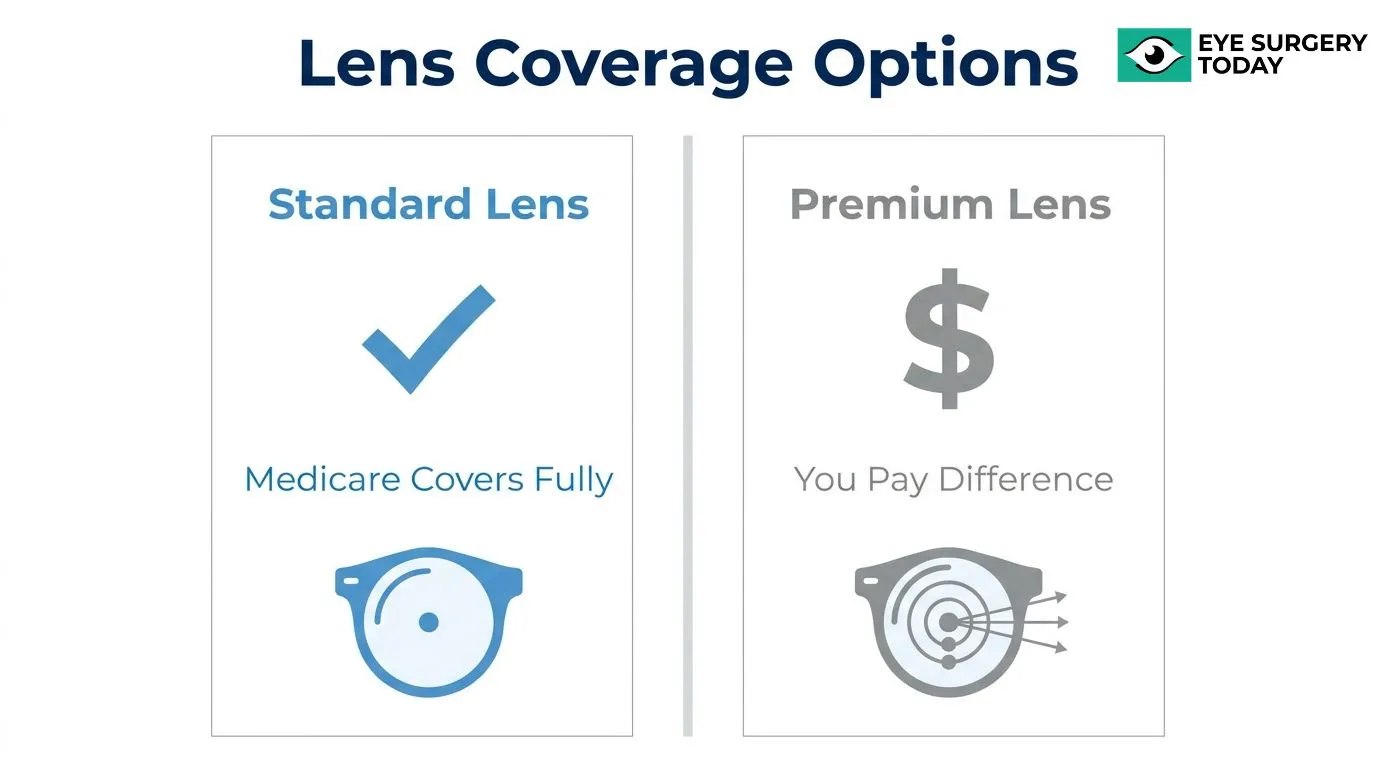
Medicare covers a standard monofocal intraocular lens (IOL) as part of cataract surgery. Premium and advanced IOLs are available, but patients pay the cost difference. The sections below explain monofocal IOL coverage, premium upgrade implications, and billing rules.
What Is a Standard Monofocal IOL Under Medicare?
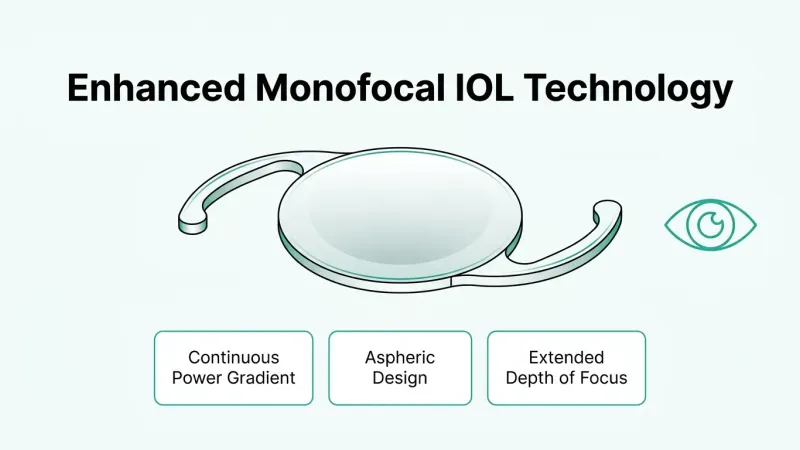
A standard monofocal IOL under Medicare is a conventional single-focus lens that corrects vision at one fixed distance, typically set for far vision. Medicare Part B fully covers this lens type as part of medically necessary cataract surgery.
Monofocal IOLs remain the most commonly implanted lens in cataract procedures. Dr. Jonathan Adler, discussing his preference for the Alcon Clareon monofocal IOL, notes that “the haptics give good rotational stability and I like the blue-light chromophore,” as reported in Review of Ophthalmology’s 2026 IOL Preferences Survey. While monofocal lenses provide excellent clarity at the chosen focal point, most patients still need reading glasses or bifocals for near tasks after surgery.
For patients wanting more than single-distance correction, CMS Ruling 05-01 allows beneficiaries to request a presbyopia-correcting IOL in place of the conventional lens, though the patient assumes the additional cost. The monofocal IOL itself, however, carries no out-of-pocket lens charge beyond standard Medicare coinsurance.
What Happens if You Choose a Premium or Advanced IOL?
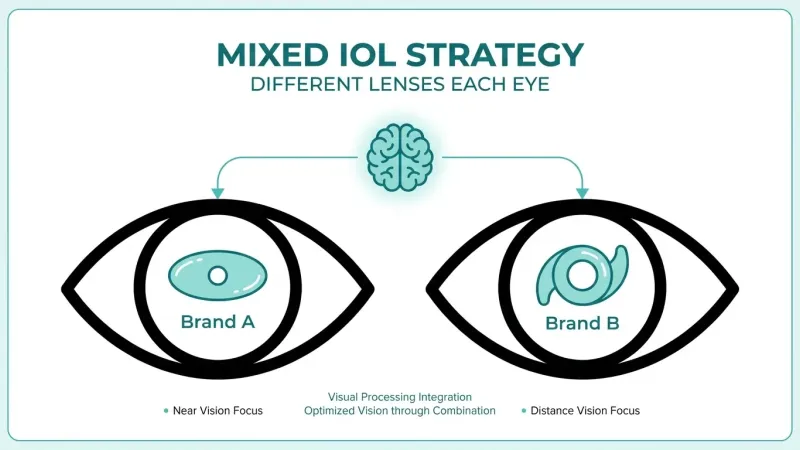
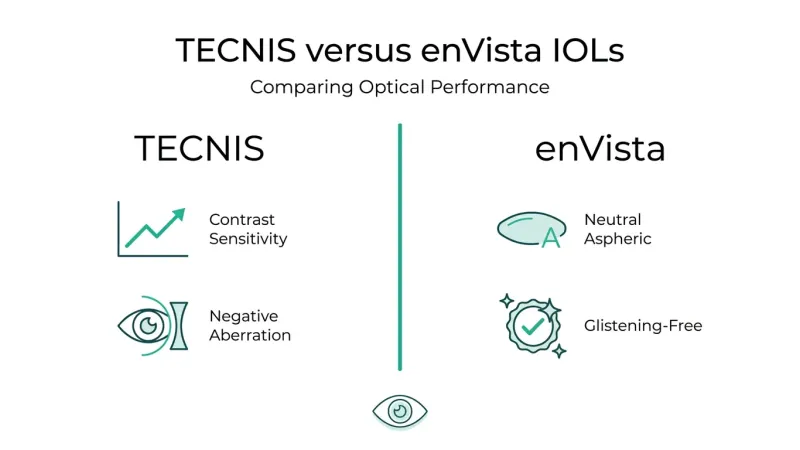
If you choose a premium or advanced IOL, Medicare still covers the portion equivalent to a standard monofocal lens, but you pay the difference. Premium IOLs include multifocal, extended depth of focus, and toric (astigmatism-correcting) lenses.
These upgraded lenses can reduce dependence on glasses after surgery by correcting presbyopia, astigmatism, or both. However, the additional technology cost falls entirely on the patient. Depending on the lens selected and the surgical practice, this out-of-pocket difference typically ranges from several hundred to several thousand dollars per eye.
One common misconception worth noting: choosing a premium IOL does not make the cataract procedure itself safer or more effective. The surgical technique remains the same regardless of which lens is implanted. For many patients, the decision comes down to lifestyle priorities and tolerance for wearing corrective glasses after recovery. To help visualize post-operative outcomes, some patients explore options to simulate their vision plan with contact lenses before proceeding with surgery.
How Are Upgraded IOL Costs Billed Under Medicare Rules?
Upgraded IOL costs are billed under Medicare rules through a split-billing structure established by CMS. Medicare pays its standard allowable amount for the conventional monofocal IOL and the surgical procedure. The patient then pays the incremental cost difference for the premium lens separately.
CMS Ruling 05-01 governs presbyopia-correcting IOLs, while CMS Ruling 1536-R addresses astigmatism-correcting IOLs specifically. Both rulings follow the same principle: Medicare covers what it would have paid for a conventional lens, and the beneficiary is responsible for the upgrade charge.
Surgical practices typically present patients with a clear cost breakdown before the procedure. This transparency allows beneficiaries to compare the additional expense against the potential benefit of reduced glasses dependence. Patients should ask their surgeon’s billing office for an itemized estimate that separates Medicare-covered costs from the premium lens surcharge.
Understanding this billing structure before surgery prevents unexpected charges and helps patients budget accurately for their chosen lens.
What Cataract Surgery Costs Does Medicare Not Cover?
Medicare does not cover the additional costs of premium lens upgrades, astigmatism-correcting IOLs, or the extra facility fees for laser-assisted surgery beyond what a conventional procedure costs.
Does Medicare Pay for Laser-Assisted Cataract Surgery?
Medicare pays for laser-assisted cataract surgery, but only at the same rate it pays for traditional manual cataract surgery. The procedure itself, known as femtosecond laser-assisted cataract surgery (FLACS), is not denied coverage. According to the American Academy of Ophthalmology, Medicare covers cataract removal and insertion of a conventional IOL regardless of whether the surgery uses a manual incision or a femtosecond laser. The distinction matters at the billing level. If a surgeon uses a femtosecond laser, the facility and equipment costs are typically higher than those associated with standard phacoemulsification. Medicare reimburses the same approved amount for both approaches, so the patient may be responsible for the difference. Before scheduling, patients should confirm with their surgical center exactly what additional fees apply when choosing FLACS over the conventional technique.
Does Medicare Cover Astigmatism Correction During Surgery?
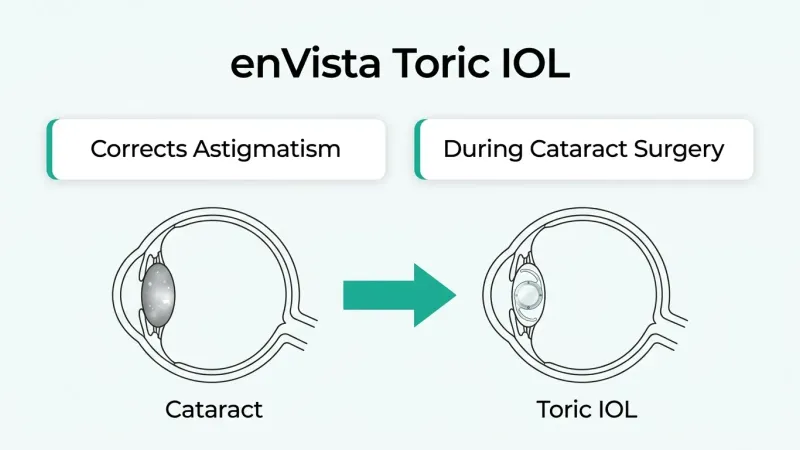
Medicare does not cover astigmatism correction during cataract surgery as a separate benefit. Standard cataract surgery with a conventional monofocal IOL is fully covered under Part B, but an astigmatism-correcting IOL (also called a toric IOL) is considered an upgrade. Under CMS Ruling 1536-R, the beneficiary is responsible for the portion of the surgeon’s charge for a toric IOL that exceeds the charge for a conventional lens. This means Medicare still covers the base surgical procedure and the cost of a standard monofocal IOL. The patient pays only the incremental difference for the toric lens upgrade. For many patients with significant corneal astigmatism, a toric IOL can reduce dependence on glasses after surgery, making the additional out-of-pocket cost a worthwhile consideration to discuss with a surgeon.
Will Medicare Pay for Presbyopia-Correcting Lenses?
Medicare will not pay for presbyopia-correcting lenses beyond what it would pay for a standard monofocal IOL. Presbyopia-correcting IOLs (PC-IOLs), which include multifocal and extended depth-of-focus designs, allow patients to see at multiple distances without glasses. Under CMS Ruling 05-01, beneficiaries may request a PC-IOL in place of a conventional lens, with the patient responsible for the cost difference between the two. Medicare covers the base cataract procedure and the standard IOL amount; everything above that threshold falls to the patient. These upgrades can add significant out-of-pocket expense, often ranging into thousands of dollars per eye. Because premium IOL implantation does not increase the inherent surgical safety of the procedure compared to standard lenses, the decision should be guided by lifestyle goals and visual priorities rather than assumptions about better outcomes.
Understanding what Medicare excludes helps clarify total costs before surgery day arrives.
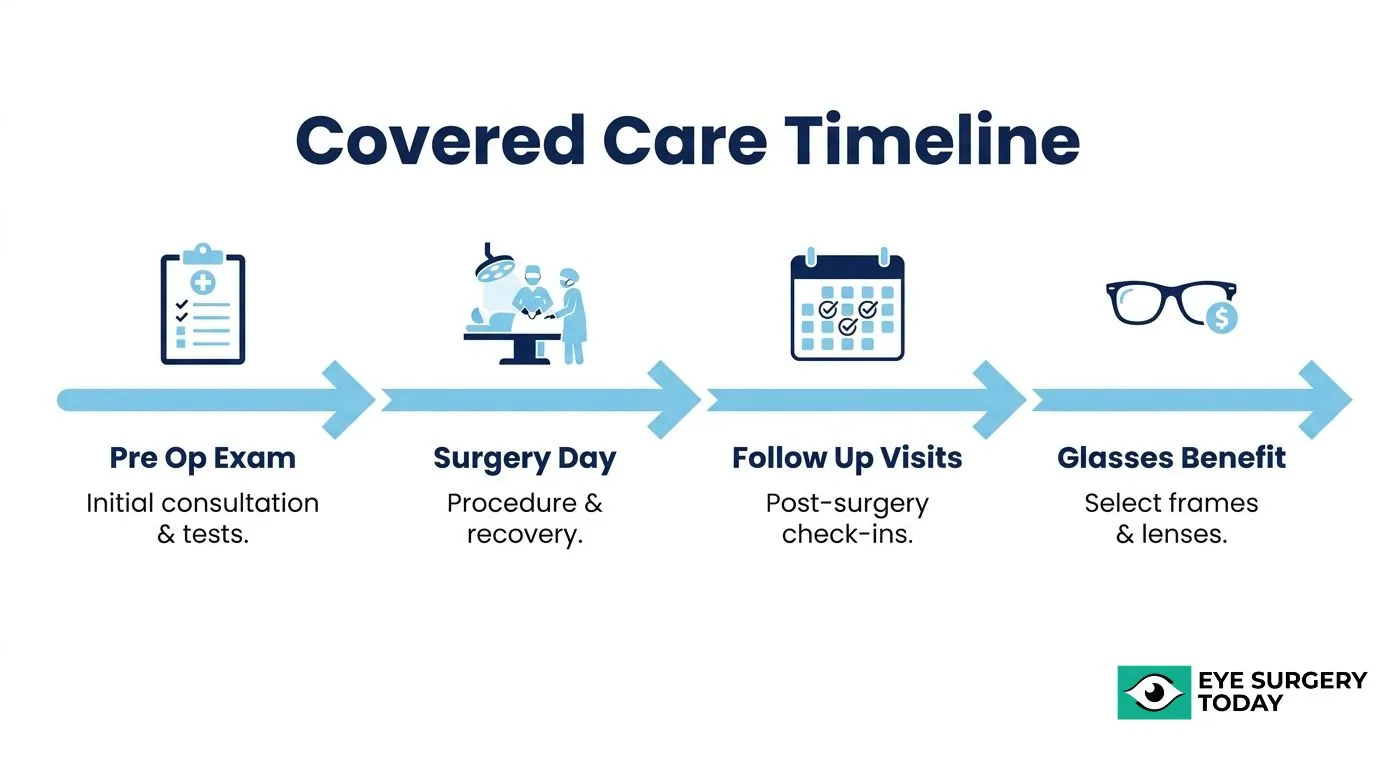
What Pre-Operative and Post-Operative Care Does Medicare Cover?
Medicare covers pre-operative evaluations, post-operative follow-up visits, and one pair of corrective lenses as part of cataract surgery care. The sections below detail what each phase includes.
Does Medicare Cover the Pre-Surgery Eye Exam and Testing?
Medicare covers the pre-surgery eye exam and testing when cataract surgery is deemed medically necessary. Part B pays for the comprehensive ophthalmologic evaluation used to confirm the diagnosis, measure the eye for intraocular lens selection, and assess overall surgical candidacy. Diagnostic tests such as biometry, optical coherence tomography, and corneal topography are typically included when they support the surgical plan.
According to a CMS Local Coverage Determination, lens extraction is considered medically necessary when a cataract causes symptomatic impairment of visual function not correctable with a tolerable change in glasses or contact lenses, resulting in specific activity limitations such as reading, driving, or meeting vocational needs. Because these pre-operative assessments establish that medical necessity threshold, they fall under the same Part B surgical benefit. After meeting the annual deductible, beneficiaries pay the standard 20% coinsurance on Medicare-approved amounts for these visits and tests.
What Follow-Up Visits Are Included After Cataract Surgery?
Follow-up visits included after cataract surgery fall under Medicare Part B’s global surgical period. This means the surgeon’s fee for the procedure bundles a defined window of post-operative care, typically covering appointments at one day, one week, and approximately one month after the operation. During these visits, the ophthalmologist monitors healing, checks intraocular pressure, evaluates visual acuity, and watches for complications such as infection or inflammation.
Any medically necessary visit within that global period generally requires no separate copay beyond what was already applied to the surgery itself. If a complication arises that requires treatment outside the scope of routine recovery, Medicare may cover those additional services under a separate billing code, subject to the standard 20% coinsurance. Patients should confirm their specific post-operative schedule with their surgeon’s office, since visit frequency can vary based on individual healing. Beyond the initial recovery, ongoing eye wellness involves regular check-ups to monitor long-term vision and eye health, ensuring optimal outcomes.
Does Medicare Cover Prescription Glasses After Surgery?
Medicare covers prescription glasses after surgery on a limited basis. According to Medicare.gov, coverage for corrective lenses is limited to one pair of eyeglasses with standard frames or one set of contact lenses following each cataract surgery with insertion of an intraocular lens. If a patient has cataract surgery in both eyes, they are entitled to one pair after each procedure.
Part B pays its share of the Medicare-approved amount for standard frames and lenses. Beneficiaries who prefer upgraded frames, progressive lenses, or lens coatings such as anti-reflective treatments are responsible for the cost difference. This is one of the most commonly misunderstood aspects of the benefit; many patients assume Medicare will cover any glasses they choose, when the program specifically limits reimbursement to basic corrective options. Planning ahead for potential upgrade costs can help avoid unexpected out-of-pocket expenses.
Understanding what Medicare covers before and after surgery helps patients budget accurately for their total cataract care costs.
What Are the Possible Risks of Cataract Surgery to Consider?
The possible risks of cataract surgery to consider include infection, inflammation, bleeding, swelling, retinal detachment, and posterior capsule opacification. While cataract surgery is one of the safest and most frequently performed procedures in medicine, no surgery is entirely risk-free. According to a 2025 study published in PubMed, at 6 months post-cataract surgery, 1.49% of eyes developed a complication and only 0.10% developed a severe adverse complication, with independent predictors including social determinants and clinical risk factors. These low complication rates reflect the maturity of modern small-incision phacoemulsification techniques. Still, patients should discuss individual risk factors with their ophthalmologist before proceeding. Pre-existing conditions, certain medications, and prior eye surgeries can all influence the likelihood of complications. Understanding these risks in advance helps patients set realistic expectations and make confident, informed decisions about their care.
Who Is a Good Candidate for Medicare-Covered Cataract Surgery?
A good candidate for Medicare-covered cataract surgery is a Medicare beneficiary whose cataract causes functional vision impairment that cannot be corrected with a tolerable change in glasses or contact lenses. Candidacy depends on meeting medical necessity criteria, not simply having a cataract diagnosis.
According to a CMS Local Coverage Determination, lens extraction is considered medically necessary when a cataract causes symptomatic impairment of visual function resulting in specific activity limitations, such as difficulty reading, viewing television, driving, or meeting vocational needs. Even patients with best corrected visual acuity of 20/40 or better may qualify if documented functional impairment exists and symptoms persist despite updated corrective lenses.
Key factors that typically support candidacy include:
- Measurable decline in visual function affecting daily activities.
- Symptoms not correctable with a tolerable prescription change.
- Documentation of functional impairment by the treating ophthalmologist.
- Active Medicare Part B enrollment at the time of surgery.
Patients whose cataracts cause only mild, asymptomatic clouding without documented functional impact generally do not meet the medical necessity threshold. The distinction matters because Medicare does not cover elective procedures performed solely based on patient preference or lens opacity alone. Discussing specific symptoms and daily limitations with an ophthalmologist helps establish whether medical necessity documentation can support a Medicare-covered procedure. It’s important to remember that while Medicare focuses on medical necessity for vision-restoring procedures like cataract surgery, other specialized ophthalmic procedures, such as eyelid surgery (blepharoplasty), might be pursued for distinct visual or cosmetic enhancements, often with different coverage considerations.
What Changes to Medicare Cataract Coverage Are Expected in 2026?
The changes to Medicare cataract coverage expected in 2026 primarily involve adjustments to premiums, deductibles, and physician reimbursement rates rather than fundamental shifts in what the program covers. Core coverage for medically necessary cataract surgery, conventional IOL implantation, and post-operative corrective lenses remains intact.
The most significant financial change affects providers directly. According to IOR Partners, the proposed 2026 Medicare physician payment rate for the standard cataract surgery code (CPT 66984) is $466.87, representing an 11% decrease from the 2025 payment level. While this reimbursement reduction does not change what beneficiaries are entitled to receive, it may influence practice economics and could affect appointment availability or surgical scheduling at some facilities.
For beneficiaries, the 2026 Part B premium rises to $202.90 per month, and the annual deductible increases to $283. These incremental cost adjustments affect all Part B services, not cataract surgery alone. The 20% coinsurance structure after the deductible remains unchanged, and the standard corrective lens benefit following IOL implantation continues as before.
Patients considering cataract surgery in 2026 should note that no new restrictions on surgical technique have been introduced. Medicare continues to cover both manual phacoemulsification and femtosecond laser-assisted approaches at the same reimbursement level. The distinction between standard monofocal IOLs and premium upgrades also remains governed by existing CMS rulings, with beneficiaries still responsible for any cost difference when selecting presbyopia-correcting or astigmatism-correcting lenses.
From a practical standpoint, the most meaningful impact for patients in 2026 is not a coverage change but rather the cumulative effect of rising premiums alongside stable coinsurance percentages. Pairing Original Medicare with a Medigap supplemental plan remains one of the most effective strategies for managing out-of-pocket surgical costs.
Understanding how these updates apply to your specific situation can help you plan confidently for cataract surgery.
How Can You Make Informed Decisions About Cataract Surgery?
You can make informed decisions about cataract surgery by understanding your IOL options, knowing what Medicare covers, and consulting surgeon-reviewed educational resources. The following sections explain where to find reliable guidance and summarize the essential coverage details for 2026.
Can Eye Surgery Today Help You Understand Your IOL Options?
Yes, Eye Surgery Today can help you understand your IOL options. Eye Surgery Today is a surgeon-reviewed education platform built by nationally recognized ophthalmology experts to bridge the cataract knowledge gap. The platform provides clear, unbiased guides covering standard monofocal lenses, premium multifocal options, toric lenses for astigmatism, and extended depth-of-focus designs.
Choosing the right intraocular lens is one of the most consequential decisions in the cataract surgery process, yet many patients receive limited information before their procedure. Eye Surgery Today translates complex clinical details into accessible language so patients can weigh factors like Medicare coverage limitations, out-of-pocket upgrade costs, and lifestyle visual needs. For anyone navigating the difference between what Medicare pays for and what premium technology offers, having surgeon-reviewed resources available before the consultation makes the conversation with your eye doctor far more productive.
What Are the Key Takeaways About Medicare Coverage for Cataract Surgery in 2026?
The key takeaways about Medicare coverage for cataract surgery in 2026 center on consistent Part B coverage for medically necessary procedures, predictable cost-sharing, and important limitations on premium upgrades.
The most actionable points to remember include:
- Medicare Part B covers cataract surgery, a standard monofocal IOL, and post-operative corrective lenses when the procedure meets medical necessity criteria.
- You pay 20% coinsurance on Medicare-approved amounts after meeting the annual Part B deductible.
- Premium IOLs, such as multifocal or toric lenses, require out-of-pocket payment for the cost difference above a conventional lens.
- Medicare covers both manual and femtosecond laser-assisted cataract surgery at the same rate.
- According to IOR Partners, the proposed 2026 Medicare physician payment rate for CPT 66984 is $466.87, an 11% decrease from 2025 levels, which may influence surgical facility availability.
Understanding these details before your consultation helps you ask the right questions, plan for potential out-of-pocket costs, and avoid surprises. Eye Surgery Today offers surgeon-reviewed educational resources designed to help patients navigate these coverage decisions with confidence.