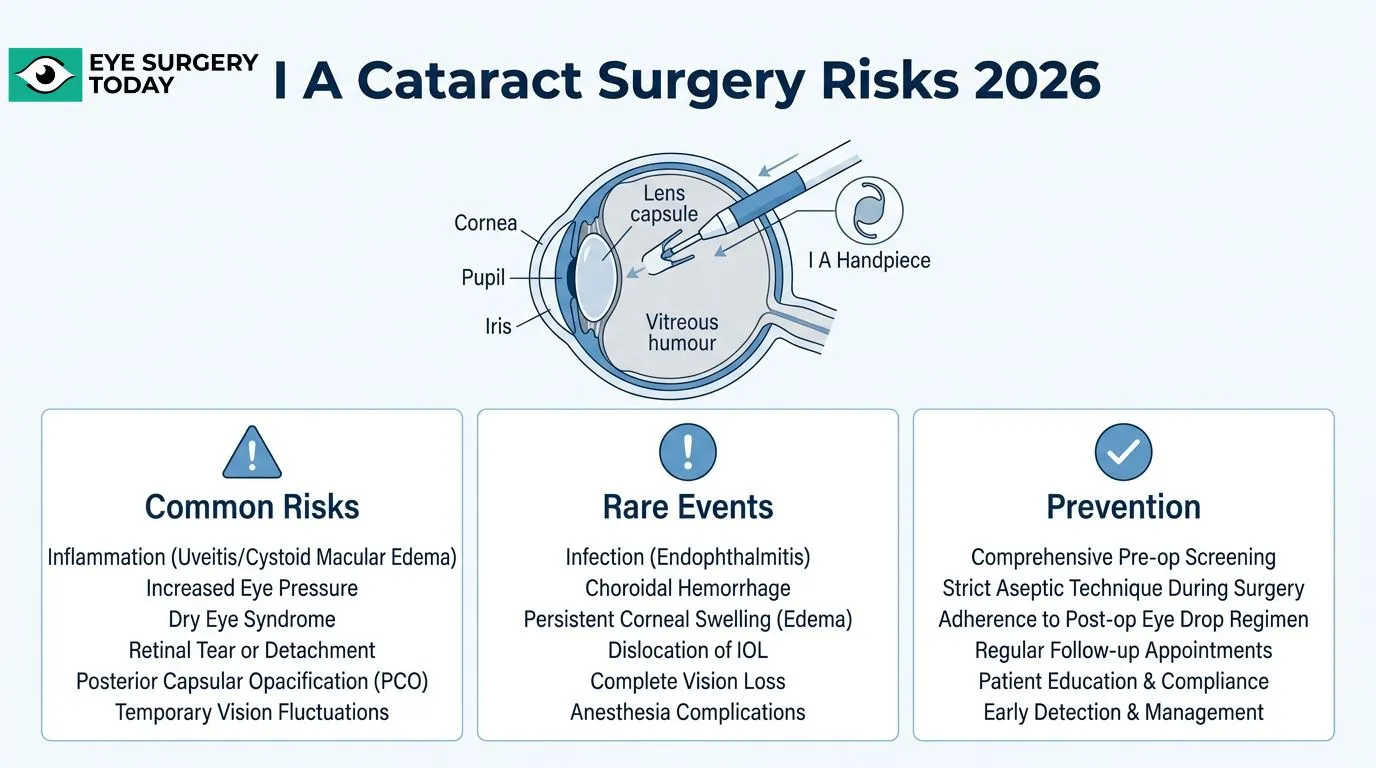
Irrigation and aspiration (I/A) cataract surgery is a technique that removes lens material using fluid irrigation and gentle suction without ultrasound energy, typically reserved for very soft cataracts lacking nuclear sclerosis. This guide covers how I/A works and who it suits, common and rare surgical complications, risk factors that may elevate those complications, strategies for safer outcomes and recovery, and how I/A compares to other modern techniques.
As both a standalone procedure and a critical step within phacoemulsification, I/A relies on precise vacuum control and instrument positioning near the posterior capsule. Inattentive technique during this phase can lead directly to capsular rupture, which remains the most closely monitored intraoperative risk.
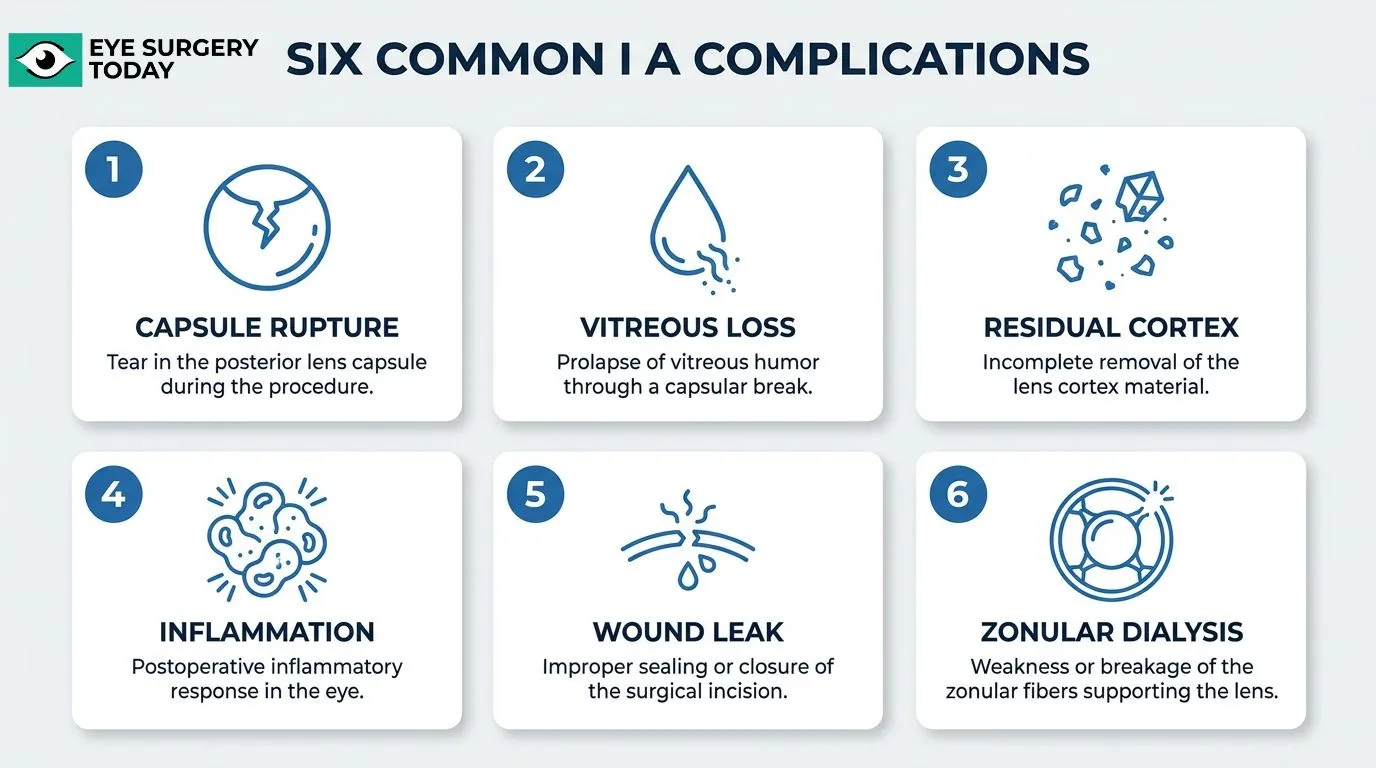
Common complications associated with I/A include posterior capsule rupture, vitreous loss, residual cortex retention, postoperative inflammation, wound leak, and zonular dialysis. Modern data suggest posterior capsule rupture rates have declined to approximately 1.44% across large populations, though vitreous loss may follow in a significant proportion of those cases.
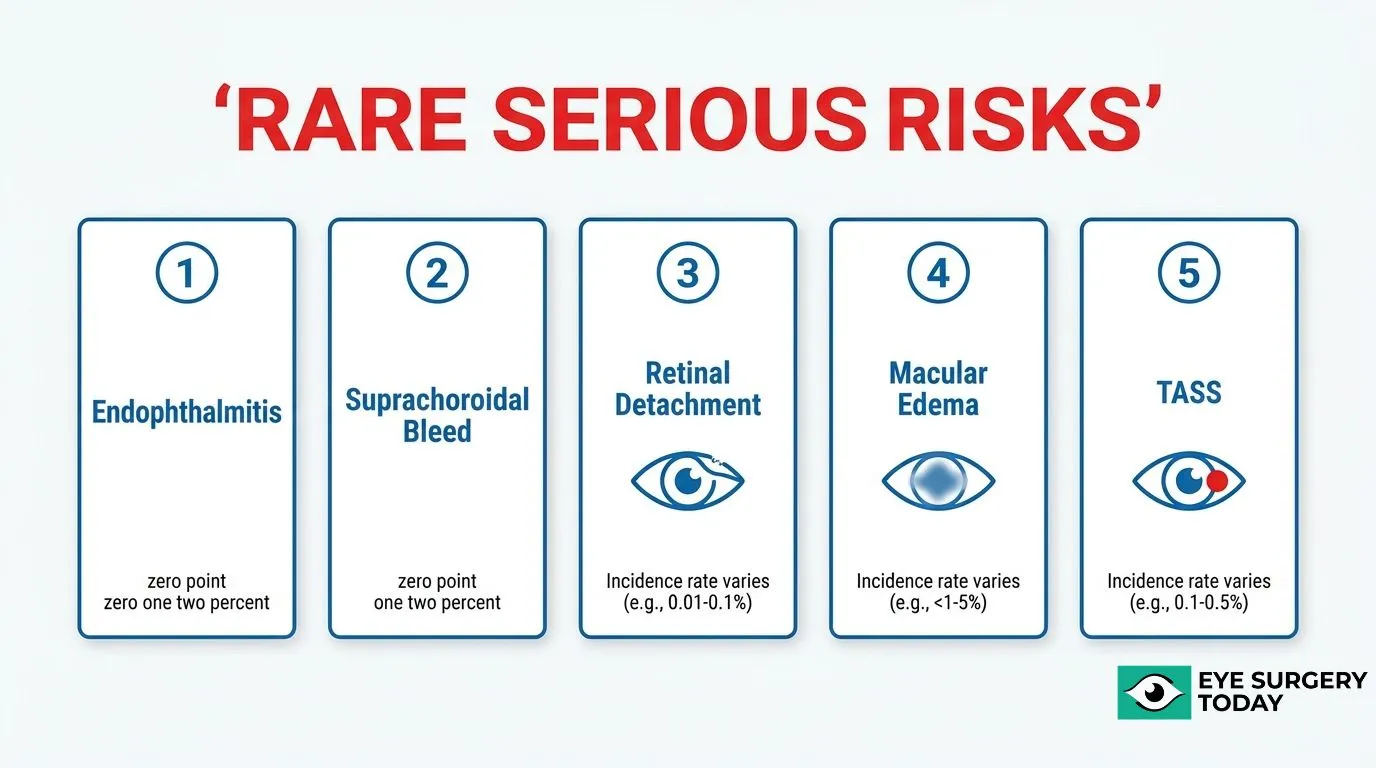
Rare but serious risks, including endophthalmitis, suprachoroidal hemorrhage, retinal detachment, cystoid macular edema, and toxic anterior segment syndrome, occur at very low incidence rates yet require urgent attention if warning signs appear.
Patient-specific factors such as cataract density, zonular integrity, pre-existing ocular conditions, and surgeon experience can each influence complication likelihood. Standardized surgical protocols, careful preoperative grading, and evidence-based prophylaxis measures may help reduce these risks across all cataract techniques.
What Is Irrigation and Aspiration Cataract Surgery?
Irrigation and aspiration cataract surgery is a technique that removes lens material using fluid irrigation and gentle suction without ultrasound energy. This section covers its definition, mechanism, and when surgeons may use it as a standalone procedure.
Irrigation and aspiration (I/A) refers to a critical surgical step within phacoemulsification where balanced salt solution flows into the eye (irrigation) while a vacuum-driven handpiece simultaneously removes fragmented lens cortex (aspiration). When performed as a standalone technique, I/A bypasses the ultrasound probe entirely.
According to Boston University School of Medicine, inattentive I/A technique can lead directly to posterior capsular rupture, making precision essential throughout this phase. The I/A-only approach, sometimes called manual cataract aspiration, is a specialized procedure used specifically for very soft cataracts where nuclear sclerosis is absent and ultrasound energy is unnecessary. In these cases, the phacoemulsification probe may not be required at all, allowing the surgeon to complete the entire cataract removal with the I/A handpiece alone.
This distinction matters because the absence of ultrasound energy may reduce thermal stress on surrounding tissues, though it limits the procedure to a narrow subset of cataract presentations. Understanding how I/A functions, both as a phacoemulsification step and as an independent method, provides essential context for evaluating the specific risks and complications covered throughout this article.
How Does I/A Cataract Surgery Differ From Phacoemulsification?
I/A cataract surgery differs from phacoemulsification primarily in how the lens material is removed. The key distinctions involve energy use, instrument selection, and patient suitability.
I/A cataract surgery relies solely on the irrigation and aspiration handpiece to remove soft lens material without ultrasound energy. Phacoemulsification, by contrast, uses an ultrasonic probe to break apart harder nuclear material before aspirating the fragments. This fundamental difference in energy delivery determines which patients qualify for each approach.
Soft cataracts without nuclear sclerosis can be removed using the I/A handpiece alone, bypassing the phacoemulsification probe entirely. Harder, more mature cataracts require ultrasonic emulsification because the dense nucleus cannot be aspirated through fluid dynamics alone. According to ESCRS EuroTimes, soft cataract phacoemulsification demands specific hydrodissection and hydrodelineation techniques, yet when the lens is sufficiently soft, the ultrasound step becomes unnecessary.
Both techniques share critical procedural steps, including capsulorhexis creation, cortical cleanup, and intraocular lens implantation. The complication profiles also overlap considerably. Subgroup analysis of newer studies published in PubMed Central shows no statistical difference in posterior capsular tear rates between conventional phacoemulsification and femtosecond laser-assisted surgery, suggesting that surgical technique and skill matter more than the specific energy modality used.
The practical takeaway is straightforward: I/A-only surgery is not a competing alternative to phacoemulsification but rather a technique reserved for a narrow subset of very soft cataracts. For most patients, standard phacoemulsification remains the appropriate procedure. Understanding who qualifies for I/A-only removal helps set realistic expectations about surgical planning.
Who May Be a Good Candidate for I/A Cataract Surgery?
A good candidate for I/A cataract surgery is typically a patient with a very soft cataract that lacks significant nuclear sclerosis. Several factors determine whether this technique may be appropriate.
Patients most likely to benefit from the I/A-only approach include those with:
- Soft cataracts without nuclear hardening: When the lens material is soft enough, the phacoemulsification probe may not be required, allowing cataract removal using the I/A handpiece alone, according to Dr. Uday Devgan of CataractCoach.
- Early-stage or low-grade cataracts: Patients with grade 1 cataracts, where the lens opacity is minimal and the cortical material can be aspirated without ultrasound energy.
- Younger patients with posterior subcapsular cataracts: These cataracts often present with softer lens material that responds well to aspiration rather than emulsification.
- Patients where minimizing ultrasound energy is preferred: Reducing phacoemulsification energy may help lower the risk of thermal damage to surrounding ocular tissues.
Not every patient qualifies for this specialized technique. Those with dense or mature cataracts, significant nuclear sclerosis, or weak zonular support typically require conventional phacoemulsification or other surgical approaches. A thorough preoperative evaluation, including cataract grading and assessment of lens density, helps the surgeon determine the safest approach for each individual.
Your ophthalmologist may recommend the I/A-only technique only after confirming that the cataract characteristics align with the procedure’s requirements. Understanding candidacy criteria can help patients prepare for a more informed discussion about their surgical options.
What Are the Most Common Complications of I/A Cataract Surgery?
The most common complications of I/A cataract surgery include posterior capsule rupture, vitreous loss, residual cortex retention, postoperative inflammation, wound leak, and zonular dialysis.
What Is Posterior Capsule Rupture During I/A Surgery?
Posterior capsule rupture is a tear in the thin membrane behind the intraocular lens that can occur when the irrigation and aspiration handpiece inadvertently contacts or exerts excessive suction on the posterior capsule. According to a large database analysis of 2.8 million patients reported by ASCRS EyeWorld, the annual posterior capsular rupture rate has decreased to approximately 1.44%.
During I/A, inattentive technique poses a direct risk because the aspiration port operates in close proximity to the capsule while removing residual cortical material. When a capsule break does occur, vitreous loss follows in roughly 80% of those eyes. Patients with high myopia face unique risks, as surgeons must carefully preserve the posterior capsule to maintain refractive stability.
Posterior capsule rupture remains the complication most closely tied to I/A technique, making deliberate port positioning and vacuum management essential throughout this surgical step.
What Is Vitreous Loss and How Does It Occur?
Vitreous loss is the prolapse of vitreous gel into the anterior chamber, and it occurs most often as a direct consequence of posterior capsule rupture during the I/A phase. When the capsule tears, the pressure differential between the vitreous cavity and the anterior segment draws gel forward through the opening.
Several factors increase the likelihood of vitreous loss:
- Excessive aspiration vacuum settings near the posterior capsule
- Sudden occlusion breaks that generate fluid surge
- Pre-existing zonular weakness that destabilizes the capsular bag
Once vitreous enters the anterior chamber, the surgeon must perform an anterior vitrectomy before proceeding with lens implantation. Unmanaged vitreous strands left in the wound can increase the risk of retinal traction, chronic inflammation, and cystoid macular edema. Recognizing the earliest signs of capsule compromise during I/A, such as a sudden deepening of the anterior chamber, allows for a faster, more controlled response.
What Is Residual Cortex Retention After I/A?
Residual cortex retention is the incomplete removal of lens cortical material during the irrigation and aspiration step. Small fragments of cortex may remain adherent to the capsular bag, particularly in the subincisional zone where instrument access is limited.
Retained cortex can trigger several postoperative problems:
- Prolonged anterior chamber inflammation from lens protein release
- Capsular fibrosis that may accelerate posterior capsule opacification
- Reduced visual clarity due to opacified cortical remnants in the visual axis
Thorough 360-degree cortical cleanup during I/A is one of the most straightforward ways to prevent these issues, yet it remains technically demanding. Surgeons often adjust aspiration parameters and reposition the handpiece multiple times to reach cortex hidden behind the IOL optic. In practice, the subincisional cortex is the most frequently missed area, and slight case-by-case modifications in port orientation make a measurable difference in complete removal rates.
What Is Postoperative Inflammation After I/A Surgery?
Postoperative inflammation after I/A surgery is an immune-mediated response in the anterior chamber that may follow mechanical irritation of intraocular tissues during cortical removal. Some degree of inflammation occurs in nearly every cataract procedure, but aggressive or prolonged I/A can intensify the response.
Key contributors to heightened inflammation include:
- Repeated instrument contact with the iris or capsular bag
- Retained cortical material releasing lens proteins
- Fluid turbulence from irrigation that disrupts the blood-aqueous barrier
Mild anterior chamber flare and cells typically resolve within one to two weeks with standard topical anti-inflammatory therapy. Persistent or severe inflammation, however, may signal retained cortex, early endophthalmitis, or toxic anterior segment syndrome, all of which require prompt evaluation. Careful I/A technique that minimizes unnecessary tissue manipulation is one of the simplest and most effective strategies for keeping postoperative inflammation within a normal, self-limiting range.
What Is Wound Leak or Incision-Related Complication?
Wound leak is an incision-related complication in which aqueous humor escapes through an improperly sealed corneal or scleral entry site after cataract surgery. During I/A, repeated instrument insertion and removal through the main or paracentesis incision can stretch or distort wound architecture.
Factors that increase wound leak risk include:
- Oversized incisions relative to the I/A handpiece sleeve
- Excessive instrument manipulation that bevels or shelves the wound edges unevenly
- Inadequate stromal hydration at the conclusion of surgery
An unsealed wound lowers intraocular pressure, flattens the anterior chamber, and creates a potential pathway for microbial entry. Seidel testing at the end of the procedure helps identify active leaks before the patient leaves the operating room. When detected early, most wound leaks respond to additional stromal hydration or a single suture placement without long-term consequences.
What Is Intraoperative Zonular Dialysis?
Intraoperative zonular dialysis is the separation or rupture of the zonular fibers that anchor the capsular bag to the ciliary body, occurring during surgical manipulation in the I/A phase. These fibers can tear when excessive lateral force or vacuum stress is applied to the capsular bag while aspirating cortex.
Conditions that predispose a patient to zonular dialysis include:
- Pseudoexfoliation syndrome, which weakens zonular integrity
- Prior ocular trauma or vitreoretinal surgery
- Advanced age with naturally attenuated zonular fibers
- Mature or hypermature cataracts that increase capsular bag weight
When zonular dialysis occurs, the capsular bag becomes unstable, potentially dislocating the intraocular lens or requiring a capsular tension ring for support. Recognizing subtle signs of zonular laxity before and during I/A, such as excessive lens tilt or phacodonesis, allows the surgeon to reduce vacuum settings and adopt a gentler aspiration strategy.
Understanding these common complications sets the foundation for evaluating rarer but more serious risks associated with I/A cataract surgery.
What Are the Rare but Serious Risks of I/A Cataract Surgery?
The rare but serious risks of I/A cataract surgery include endophthalmitis, suprachoroidal hemorrhage, retinal detachment, cystoid macular edema, and toxic anterior segment syndrome.
What Is Endophthalmitis After Cataract Surgery?
Endophthalmitis after cataract surgery is a severe intraocular infection that can threaten vision if not treated promptly. Bacteria or, less commonly, fungi enter the eye during or shortly after the procedure, triggering rapid inflammation inside the anterior and posterior chambers. Symptoms typically include intense pain, redness, swollen eyelids, and a sudden decline in visual acuity within days of surgery.
Despite its severity, endophthalmitis remains exceptionally uncommon. According to a study published in Eye (Nature), the incidence of post-operative endophthalmitis within seven weeks of cataract surgery is reported at 0.012%, or 18 out of 154,826 cases. Intracameral antibiotic injection at the end of surgery has become a widely adopted prophylactic measure that may help lower this risk further. When endophthalmitis does occur, urgent treatment with intravitreal antibiotics, and sometimes vitrectomy, is essential for preserving vision.
What Is Suprachoroidal Hemorrhage?
Suprachoroidal hemorrhage is bleeding that occurs between the choroid and sclera, creating pressure that can push intraocular structures forward and potentially compromise vision. This complication may develop during surgery or in the early postoperative period, often presenting as sudden pain, elevated intraocular pressure, and loss of the red reflex.
Reported incidence rates vary depending on the study population. A PubMed Central analysis of 48,725 cataract surgeries identified five cases of suprachoroidal hemorrhage, resulting in an incidence rate of 0.01%. Broader estimates place the perioperative incidence of suprachoroidal hemorrhage at approximately 0.12%, with higher rates associated with greater surgical complexity. Patients with advanced age, uncontrolled hypertension, or a history of glaucoma may face elevated risk. Recognizing early signs allows surgeons to close the incision promptly, which can limit the extent of the hemorrhage.
What Is Retinal Detachment Following I/A Surgery?
Retinal detachment following I/A surgery is a condition where the retina separates from the underlying supportive tissue, interrupting its nutrient supply and potentially causing permanent vision loss. Although any form of cataract extraction may slightly elevate the baseline risk of retinal detachment, the I/A technique’s lower energy profile is generally considered favorable in this regard.
Symptoms that may indicate retinal detachment include a sudden increase in floaters, flashes of light, or the appearance of a shadow or curtain across the visual field. Patients with high myopia or a history of retinal pathology are typically at greater risk. Prompt surgical intervention, such as pneumatic retinopexy or vitrectomy, is critical if detachment occurs. Most ophthalmologists recommend close postoperative monitoring during the first several months after surgery to catch early warning signs.
What Is Cystoid Macular Edema After I/A Cataract Surgery?
Cystoid macular edema after I/A cataract surgery is swelling in the macula caused by fluid accumulation in cyst-like spaces within the retinal layers. This condition, sometimes called Irvine-Gass syndrome, can develop weeks after an otherwise uncomplicated procedure and may cause blurred or distorted central vision.
The inflammatory cascade triggered by surgical manipulation is thought to be the primary driver. Prostaglandins released during the procedure may disrupt the blood-retinal barrier, allowing fluid to leak into macular tissue. Topical nonsteroidal anti-inflammatory drugs and corticosteroid eye drops are commonly prescribed both as prophylaxis and treatment. Most cases resolve with medical management over several weeks, though persistent edema may require intravitreal injections. Because the I/A technique involves less ultrasound energy than standard phacoemulsification, the degree of surgical inflammation may be reduced, which could be advantageous for macular health.
What Is Toxic Anterior Segment Syndrome?
Toxic anterior segment syndrome is a sterile, non-infectious inflammatory reaction that affects the anterior segment of the eye within 24 hours of cataract surgery. Unlike endophthalmitis, it is not caused by microbial agents. Instead, contaminants such as residual detergent on surgical instruments, improperly prepared ophthalmic solutions, or degraded viscoelastic materials may trigger the response.
Patients typically present with diffuse corneal edema, fibrin in the anterior chamber, and markedly reduced vision. According to a 2024 study in Clinical Ophthalmology, patients with grade 1 anterior segment cataracts show better visual recovery times and visual outcomes compared to those with more advanced stages, underscoring how baseline ocular health can influence postoperative results. Treatment generally involves aggressive topical corticosteroids. Strict instrument sterilization protocols and careful solution handling are the most effective preventive measures.
Understanding these rare complications provides important context for evaluating the overall safety profile of I/A cataract surgery.
What Are the Risk Factors That May Increase I/A Complications?
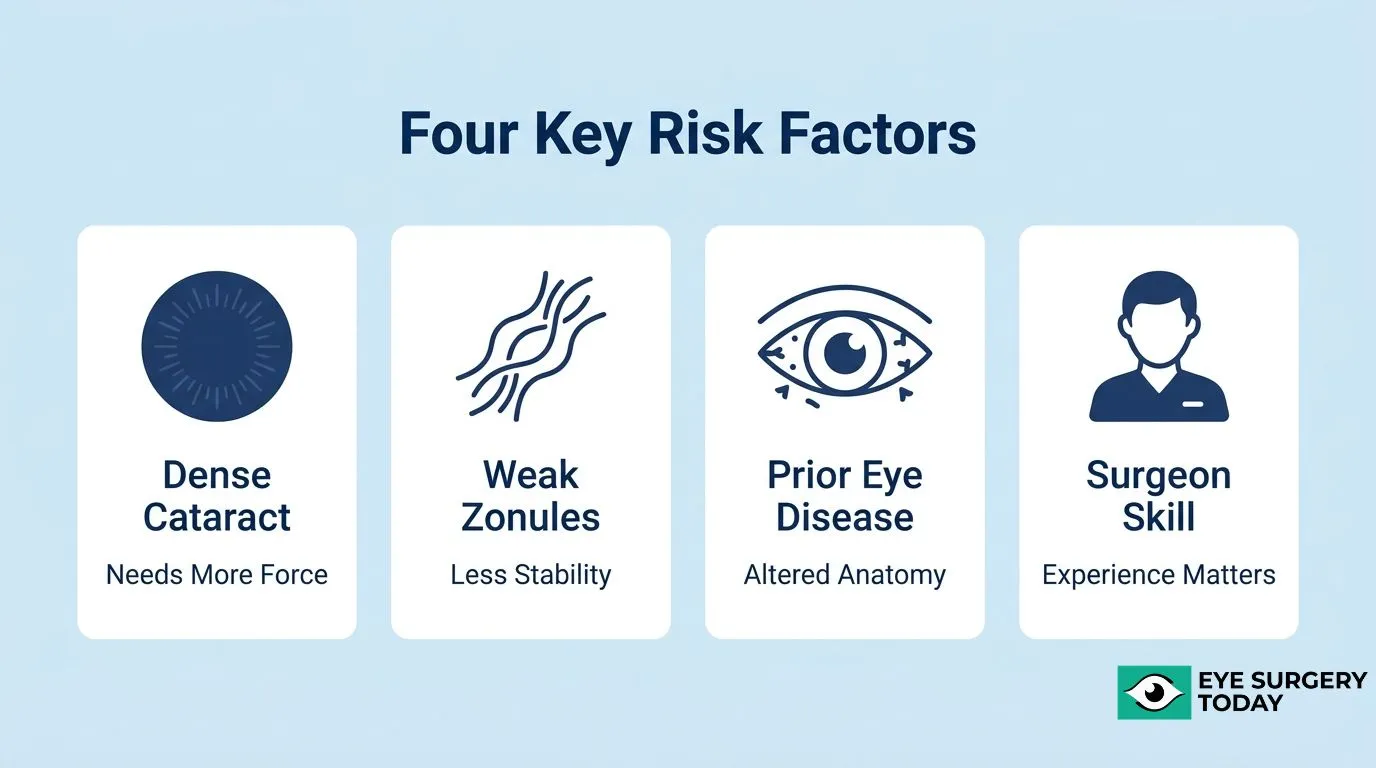
The risk factors that may increase I/A complications include dense or mature cataracts, weak zonular support, pre-existing ocular conditions, and limited surgeon experience. Each factor is covered below.
How Do Dense or Mature Cataracts Affect I/A Risk?
Dense or mature cataracts affect I/A risk by requiring more mechanical manipulation during cortex removal, which may increase stress on the posterior capsule. Harder, more advanced cataracts demand greater aspiration forces to clear residual cortical material, raising the likelihood of capsular compromise.
A simplified cataract grading system used by the WHO includes photographic standards to classify cataracts from early to mature stages, according to the Ophthalmic Epidemiology journal’s WHO Cataract Grading Group report. This classification helps surgeons anticipate difficulty before the procedure begins.
Mature cataracts often present with reduced red reflex visibility, making it harder to identify the capsule boundary during I/A. Preoperative grading remains one of the most practical tools for estimating surgical complexity and adjusting technique accordingly.
How Does Weak Zonular Support Increase Complication Risk?
Weak zonular support increases complication risk by reducing the structural stability of the lens capsule during irrigation and aspiration. When zonular fibers are compromised, the capsular bag may shift or collapse under aspiration forces, raising the chance of posterior capsule rupture or lens fragment displacement.
According to a retrospective analysis published in Clinical Ophthalmology (Dove Medical Press), a total cataract score (TCS) of 3 or higher is strongly associated with increased intraoperative complication rates during cataract extraction. Zonular weakness contributes directly to higher TCS values.
Conditions such as pseudoexfoliation syndrome, trauma, and advanced age can degrade zonular integrity. Surgeons encountering suspected zonular laxity may use capsular tension rings or modified aspiration settings to stabilize the bag. Recognizing weak zonules before surgery allows for better risk planning.
How Do Pre-Existing Ocular Conditions Raise I/A Risk?
Pre-existing ocular conditions raise I/A risk by altering the anatomy or tissue integrity that surgeons depend on during cortex removal. High myopia, for example, may require surgeons to preserve the posterior capsule more carefully to maintain refractive stability, adding technical difficulty to the aspiration phase.
Pseudoexfoliation syndrome, glaucoma, prior vitreoretinal surgery, and corneal disease can each introduce unique challenges. Pseudoexfoliation weakens zonular fibers, while prior surgeries may leave scarring that restricts capsular flexibility. Small pupils from conditions like diabetes or chronic miotic use also limit visualization during I/A.
Thorough preoperative assessment of all coexisting eye conditions is essential for tailoring the surgical approach and setting realistic expectations for outcomes.
How Does Surgeon Experience Influence I/A Outcomes?
Surgeon experience influences I/A outcomes by affecting the precision of aspiration control, capsule management, and real-time decision-making during cortex removal. Less experienced surgeons may apply excessive vacuum or misjudge capsular proximity, which can elevate the risk of posterior capsule rupture.
Training programs typically introduce I/A as one of the earlier hands-on steps in surgical education, yet mastering the tactile sensitivity required takes significant case volume. The ability to recognize subtle signs of capsular stress, such as trampolining or striae, develops primarily through repetitive exposure.
Structured mentorship, simulation-based training, and gradual case complexity progression remain among the most effective strategies for reducing experience-related complications. Understanding how risk factors interact with technique prepares both surgeons and patients for safer outcomes.
How Can Surgeons Reduce Complications During I/A Surgery?
Surgeons can reduce complications during I/A surgery by following standardized protocols, maintaining careful technique, and adopting evidence-based prophylaxis measures.
According to the 2026 WHO package of eye care interventions, implementing best practice protocols and adopting standardized documentation are key components of cataract management. These guidelines provide a structured framework that may help minimize errors during each surgical step, including irrigation and aspiration.
The American Academy of Ophthalmology’s Preferred Practice Patterns identify specific characteristics and components of quality eye care designed to mitigate surgical risks and improve refractive outcomes. Surgeons who follow these evidence-based guidelines can maintain consistent procedural standards across cases.
Several practical strategies may help reduce I/A complication rates:
- Maintaining low, controlled aspiration flow to avoid inadvertent engagement of the posterior capsule.
- Performing thorough hydrodissection to loosen cortical material before aspiration begins.
- Monitoring anterior chamber depth continuously to prevent chamber collapse during fluid exchange.
- Using standardized surgical checklists to ensure no procedural step is overlooked.
- Identifying high-risk eyes preoperatively, such as those with weak zonules or pseudoexfoliation, and adjusting technique accordingly.
Infection prophylaxis also plays a role. Notably, the AAO does not recommend preoperative antibiotics before cataract surgery, reflecting variability in current practice patterns related to infection prevention. Surgeons should instead rely on established intraoperative antiseptic techniques, such as povidone-iodine application, which remains a widely accepted standard.
In practice, complication reduction during I/A depends less on any single intervention and more on the cumulative discipline of careful preoperative assessment, attentive intraoperative technique, and adherence to institutional quality standards. Understanding these recovery expectations connects directly to what patients should anticipate in the postoperative period.
What Should Patients Expect During Recovery After I/A Surgery?
Patients should expect a gradual recovery after I/A surgery, with noticeable visual improvement within days and full healing over several weeks, a process similar to other ophthalmic procedures. The subsections below cover the typical recovery timeline and activity restrictions.
How Long Does It Take to Recover From I/A Cataract Surgery?
Full visual recovery from I/A cataract surgery typically takes 4 to 6 weeks, although most patients notice improved vision within the first few days. Early improvements can be encouraging, but the eye continues to heal beneath the surface during this entire period. According to the American Academy of Ophthalmology, it can take up to a year for eyes to feel completely normal after cataract surgery. This extended timeline reflects ongoing adjustments in tear film stability, light sensitivity, and neuroadaptation to the intraocular lens. Patients with softer cataracts treated by the I/A-only technique may experience a smoother early recovery since no ultrasound energy is applied to the eye, though the overall healing arc remains similar. Setting realistic expectations around this timeline helps patients avoid unnecessary concern during normal fluctuations in visual clarity.
What Activities Should Patients Avoid After I/A Surgery?
Patients should avoid activities that increase intraocular pressure, introduce contaminants, or strain the healing incision during the first weeks of recovery. Key restrictions typically include:
- Avoiding heavy lifting or bending at the waist for at least one to two weeks.
- Refraining from rubbing or pressing on the operated eye.
- Keeping water, soap, and dust away from the eye during bathing.
- Skipping swimming pools, hot tubs, and other bodies of water for several weeks.
- Wearing the protective eye shield at night as directed by the surgeon.
While most people resume normal daily activities, such as reading and light walking, within a few days, high-impact exercise and strenuous work generally require clearance from the treating ophthalmologist. Following these precautions closely reduces the risk of wound leak, infection, and other postoperative complications that can compromise visual outcomes.
Understanding recovery expectations prepares patients to recognize when healing deviates from normal.
What Are the Warning Signs of Complications After I/A Surgery?
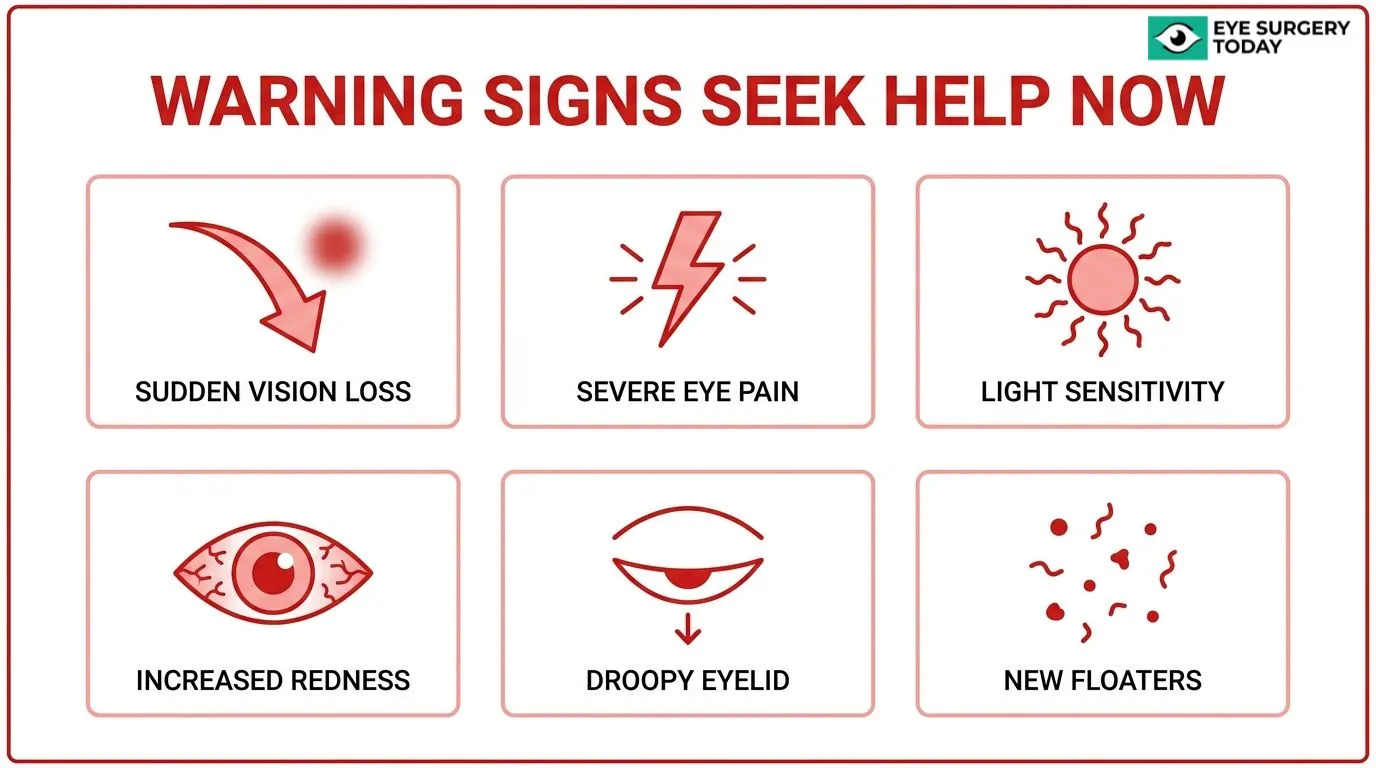
The warning signs of complications after I/A surgery include sudden vision changes, increased light sensitivity, persistent eye inflammation, and a droopy eyelid.
According to AARP, warning signs of post-operative trouble include light sensitivity, eye inflammation, droopy eyelid, and sudden vision changes. Any of these symptoms appearing in the days or weeks following surgery may indicate a developing complication that requires prompt evaluation.
Patients should contact their ophthalmologist immediately if they experience any of the following:
- Sudden or worsening vision loss that does not improve with rest
- Increasing eye pain that prescribed drops do not relieve
- New or intensifying light sensitivity beyond what is expected during early recovery
- Visible redness or swelling that worsens rather than improves over time
- A droopy eyelid that was not present before surgery
- Flashes of light, new floaters, or a shadow across the visual field
Not every instance of mild discomfort signals a serious problem, as some light sensitivity and minor inflammation are normal during the first few days. However, symptoms that escalate rather than gradually resolve deserve urgent attention. Early detection of issues like endophthalmitis, retinal detachment, or cystoid macular edema can significantly influence visual outcomes. When in doubt, a same-day call to the surgical team is always the safer choice.
Understanding what to look for after surgery becomes easier when complication rates across techniques are put into perspective.
How Does the Complication Rate of I/A Compare to Other Techniques?
The complication rate of I/A cataract surgery is comparable to other modern cataract techniques, with no single method showing a decisive safety advantage in large-scale analyses.
When comparing I/A to conventional phacoemulsification and femtosecond laser-assisted cataract surgery, the most relevant complication benchmarks center on posterior capsule rupture, vitreous loss, and overall adverse event rates. According to a meta-analysis of 46 randomized controlled trials involving 8,871 eyes published in Scientific Reports (Nature), no significant differences in overall complications were found between femtosecond laser-assisted cataract surgery (FLACS) and conventional phacoemulsification cataract surgery (CPCS).
This finding is reinforced by broader evidence. Across all techniques, posterior capsule rupture rates have trended downward, with a large database analysis of 2.8 million patients reporting an annual PCR rate of approximately 1.44%. A separate retrospective analysis from a Swiss tertiary center placed PCR and vitreous loss at roughly 1.9% of cataract surgeries. These figures apply across phacoemulsification-based approaches, including cases where the I/A handpiece performs the primary extraction for soft cataracts.
The key differentiator is not the technique itself but the cataract characteristics and surgeon proficiency. I/A-only extraction avoids ultrasound energy entirely, which may reduce thermal stress to surrounding tissues in appropriate candidates. However, because I/A is reserved for very soft cataracts without nuclear sclerosis, direct head-to-head complication comparisons with phacoemulsification in harder cataracts would not reflect equivalent surgical difficulty.
For patients evaluating their options, this evidence suggests that technique selection should be guided by cataract grade and individual anatomy rather than complication rate differences alone. Understanding how recovery expectations differ across techniques can further inform that decision.
How Can Surgeon-Reviewed Education Help You Understand I/A Surgery Risks?
Surgeon-reviewed education can help you understand I/A surgery risks by translating complex clinical data into clear, actionable guidance. Eye Surgery Today covers informed decision-making and key takeaways below.
Can Eye Surgery Today Help You Make an Informed Decision About Cataract Surgery?
Yes, Eye Surgery Today can help you make an informed decision about cataract surgery by providing surgeon-reviewed educational content that breaks down procedural nuances, risk factors, and recovery expectations. Cataract surgery success relies heavily on surgical expertise, whether the approach involves conventional phacoemulsification or specialized techniques like I/A-only removal for soft cataracts. Evolving practice guidelines add another layer of complexity; for example, a 2024 report published in JAMA noted that the AAO does not recommend preoperative antibiotics before cataract surgery, reflecting significant variability in infection prophylaxis protocols. These kinds of clinical details matter when evaluating your options, yet they rarely appear in standard patient brochures. Eye Surgery Today bridges that gap by presenting evidence-based insights in accessible language, helping readers weigh technique differences, understand realistic timelines, and prepare meaningful questions for their surgeon. For those exploring a broader scope of refractive vision correction, understanding options beyond cataract removal is equally crucial.
What Are the Key Takeaways About I/A Cataract Surgery Risks and Complications?
The key takeaways about I/A cataract surgery risks and complications center on three areas: procedural awareness, realistic recovery expectations, and knowing when to seek help.
- Posterior capsule rupture remains the most significant intraoperative risk during the irrigation and aspiration phase, though modern incidence rates continue to decline.
- Recovery timelines vary; while most patients resume daily activities within days, complete ocular stabilization may take weeks to months.
- Rare but serious complications, such as endophthalmitis and suprachoroidal hemorrhage, occur at very low rates yet require immediate medical attention if warning signs appear.
- Risk factors like dense cataracts, weak zonular support, and pre-existing ocular conditions can influence surgical outcomes.
Understanding these realities, rather than fearing them, is what separates an anxious patient from an empowered one. Eye Surgery Today provides surgeon-reviewed resources designed to help readers navigate these complexities with confidence and clarity.