Asking your eye doctor the right questions is a practice that can improve diagnostic clarity, support informed treatment decisions, and help you take an active role in protecting your vision.
This guide covers preparing for your appointment, condition-specific diagnosis questions, understanding vision changes, navigating medications and eye exams, evaluating treatment and surgical options, managing costs, and knowing when to seek a second opinion.
Preparation can improve the quality of your doctor-patient communication. Research suggests that many physicians do not consistently provide patient-centered explanations during consultations, which means arriving with written questions can help close that gap and prompt more thorough discussions about your care.
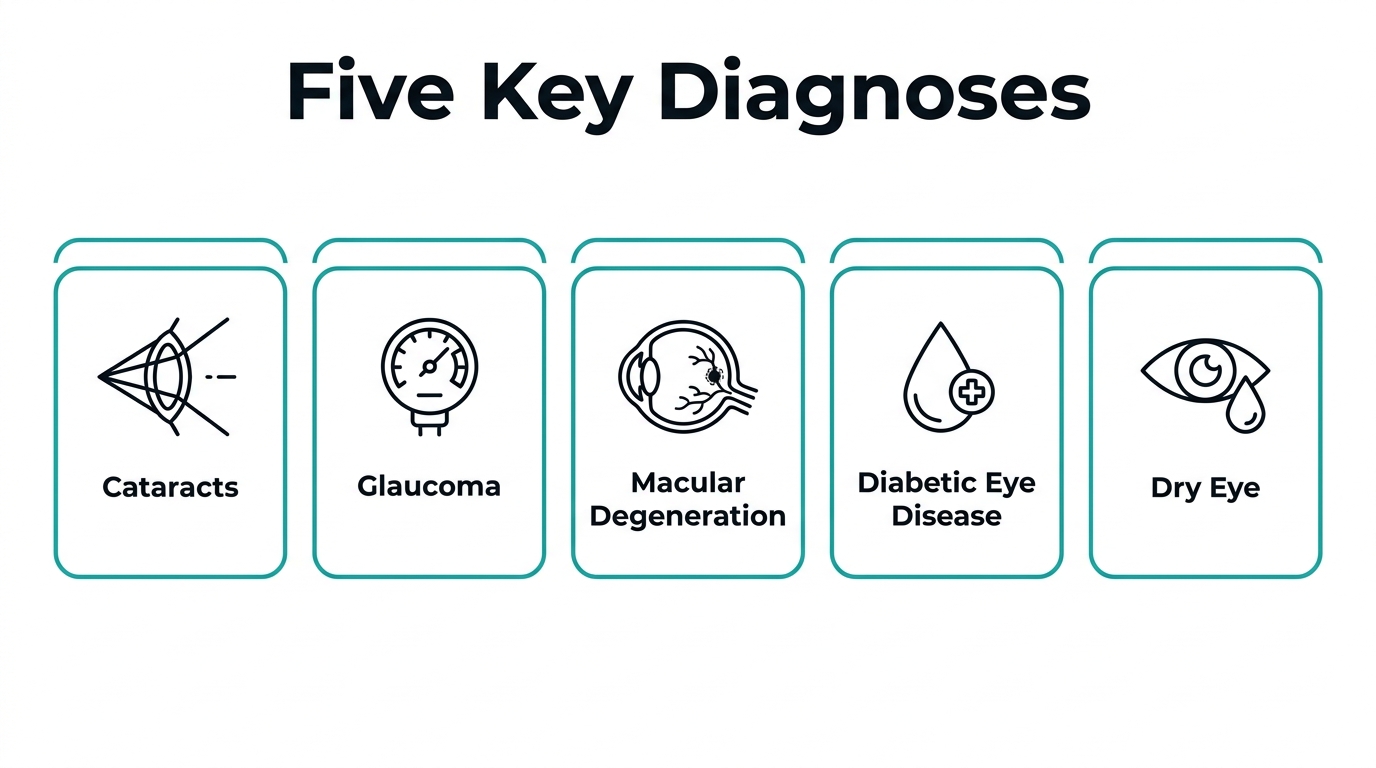
For specific diagnoses, the questions you need depend on the condition. Cataracts, glaucoma, macular degeneration, diabetic eye disease, and dry eye syndrome each carry distinct considerations around staging, treatment timelines, and monitoring frequency that your doctor should address directly.
Vision changes such as blurriness, floaters, flashes, sudden vision loss, and difficulty seeing at night each signal different underlying causes. Knowing what to ask about onset, urgency, and follow-up testing helps your eye doctor evaluate the symptom more effectively.
Understanding your medications, eye exam components, and test results gives you the foundation to evaluate whether nonsurgical management or surgical intervention may be appropriate. Questions about surgeon experience, procedure-specific outcomes, and realistic recovery timelines are among the most practical concerns to raise before any procedure.
Financial planning also plays a role in your decisions. Surgery costs, insurance coverage details, and informed consent requirements are areas where specific questions can prevent unexpected expenses and ensure you fully understand what you are agreeing to.
Why Is It Important to Prepare Questions for Your Eye Doctor?
Preparing questions for your eye doctor is important because it helps you get accurate information, understand your diagnosis, and make informed decisions about your vision care. The H3 sections below cover how preparation improves communication, supports early detection, and builds patient confidence.
How Does Asking Questions Improve Communication With Your Doctor?
Asking questions improves communication with your doctor by creating a two-way exchange that leads to clearer diagnoses and better-understood treatment plans. According to a survey reported by Ophthalmology Times, only 54% of physicians communicate in a patient-centered manner and provide adequate treatment explanations during glaucoma consultations. That gap means many patients leave appointments without fully understanding their condition or next steps. Coming prepared with specific questions shifts the dynamic, encouraging more complete explanations and reducing the chance of critical details being overlooked. In practice, prepared patients tend to ask follow-up questions naturally, which prompts doctors to address concerns they might otherwise assume are understood.
How Does Preparation Help With Early Detection of Eye Conditions?
Preparation helps with early detection of eye conditions by prompting patients to report subtle symptoms they might otherwise dismiss, such as minor blurriness, intermittent floaters, or gradual night vision changes. Many serious conditions, including glaucoma and macular degeneration, progress silently before symptoms become obvious. A patient who arrives with written observations gives the clinician more diagnostic information than one who relies on memory alone. The American Academy of Ophthalmology recommends that asymptomatic adults receive a baseline comprehensive eye evaluation by age 40 to identify early signs of disease, precisely because many conditions are detectable before they cause noticeable vision loss.
Why Do Patients Feel More Confident When They Prepare Questions?
Patients feel more confident when they prepare questions because preparation replaces uncertainty with a clear framework for the appointment. Uncertainty about what to ask is one of the most common reasons patients leave consultations feeling unresolved. When patients arrive with written questions, they are less likely to forget concerns under the time pressure of a clinical visit. Effective ophthalmology communication, which includes active listening and setting clear expectations, works best when both parties contribute, and a prepared patient makes that collaboration possible. Clear communication during the exam may support better understanding of the treatment plan afterward.
What Questions Should You Ask About Your Eye Health Diagnosis?
Questions to ask about your eye health diagnosis vary depending on the specific condition identified. The following sections cover key questions for cataracts, glaucoma, macular degeneration, diabetic eye disease, and dry eye syndrome.
What Should You Ask When Diagnosed With Cataracts?
The questions to ask when diagnosed with cataracts focus on surgery timing, lens options, and surgeon experience. Cataracts are a clouding of the natural lens that progressively affects vision, and surgery is currently the only effective treatment.
Key questions to ask your cataract surgeon include:
- How many cataract procedures have you performed with this specific lens type?
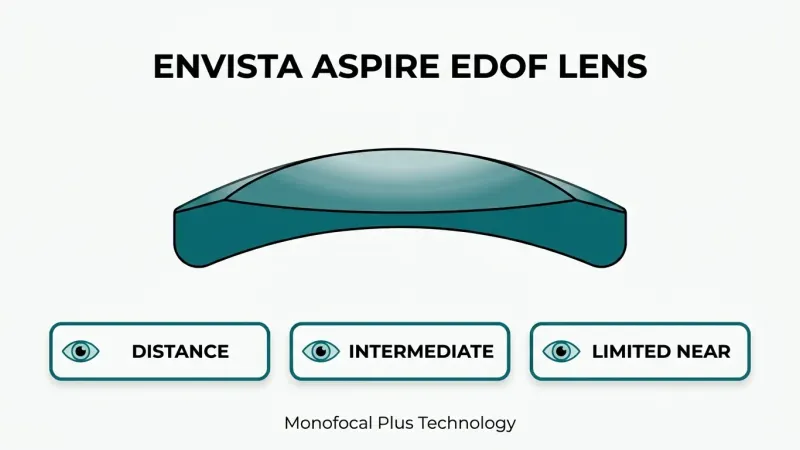
- What intraocular lens (IOL) options are available for my vision goals?
- Will I still need glasses after surgery?
- What are the risks and realistic outcomes for my case?
- Does Medicare or my insurance cover this procedure and lens upgrade?
According to Dr. Rachel Simpson, a cataract specialist at Moran Eye Center, patients should ask their surgeon exactly how many procedures they have performed with a specific lens type. Asking about surgeon experience with a particular IOL is one of the most underutilized questions patients can ask, yet it directly signals the level of hands-on experience you can expect.
What Should You Ask When Diagnosed With Glaucoma?
The questions to ask when diagnosed with glaucoma center on disease stage, treatment goals, and long-term management. Glaucoma is a progressive optic nerve condition that can cause irreversible vision loss if untreated.
Essential questions include:
- What type of glaucoma do I have, and what stage is it?
- What is my current intraocular pressure (IOP), and what is my target?
- What medications or procedures do you recommend first?
- How often will I need follow-up monitoring?
- What happens if I miss doses of my eye drops?
According to a 2022 study published in JAMA Ophthalmology, approximately 4.22 million people in the United States (1.62% of adults) had glaucoma, with 1.49 million experiencing vision-affecting symptoms. Asking about medication adherence support is especially important: research shows that drop-taking adherence in low-compliance patients can be meaningfully improved through targeted intervention programs.
What Should You Ask When Diagnosed With Macular Degeneration?
The questions to ask when diagnosed with macular degeneration focus on disease type (dry vs. wet), monitoring frequency, and treatment eligibility. Age-related macular degeneration (AMD) primarily affects central vision and disproportionately impacts older adults.
Important questions to raise include:
- Do I have dry AMD or wet AMD?
- Am I a candidate for anti-VEGF injections such as ranibizumab?
- How often should I schedule follow-up exams?
- Should I be monitoring my vision at home with an Amsler grid?
- What lifestyle changes may help slow progression?
According to a study published in The Lancet Global Health, global vision impairment due to AMD affected 8.06 million individuals in 2021, with projections indicating significant growth by 2050. For wet AMD specifically, intravitreal administration of ranibizumab for two years has been shown to prevent vision loss and improve mean visual acuity, according to research published in the New England Journal of Medicine. The American Academy of Ophthalmology recommends that adults aged 65 and older receive a comprehensive eye examination every one to two years to monitor for AMD progression.
What Should You Ask About Diabetic Eye Disease?
The questions to ask about diabetic eye disease focus on screening frequency, retinopathy staging, and the relationship between blood sugar control and vision outcomes. Diabetic eye disease, including diabetic retinopathy, develops when elevated blood glucose damages retinal blood vessels over time.
Key questions include:
- What stage of diabetic retinopathy, if any, do I currently have?
- How does my blood sugar control affect my eye disease progression?
- How often should I have a dilated eye exam given my diabetes status?
- Are there treatments available if retinopathy progresses?
- Should I coordinate my care between my endocrinologist and ophthalmologist?
Asking about the connection between systemic diabetes management and eye outcomes is often overlooked in appointments, but it is one of the most clinically impactful conversations a diabetic patient can have with their eye doctor.
What Should You Ask About Dry Eye Syndrome?
The questions to ask about dry eye syndrome focus on underlying causes, treatment options, and realistic expectations for symptom relief. Dry eye syndrome occurs when the eye does not produce sufficient tears or when tears evaporate too quickly, causing chronic discomfort.
Useful questions to ask include:
- What is causing my dry eye: reduced tear production or poor tear quality?
- Are my current medications contributing to dry eye symptoms?
- What are my treatment options, from artificial tears to prescription therapies?
- How long before I notice improvement with treatment?
- Are there environmental or lifestyle changes that can reduce symptoms?
According to a study published in ScienceDirect, the global pooled prevalence of dry eye disease is estimated at 34.6%. A meta-analysis based on data from Johns Hopkins University found that the median treatment duration for assessing topical dry eye therapy efficacy was 12 weeks, which means patients should set realistic timelines when starting new treatments rather than abandoning them prematurely.
Understanding what to ask for each condition helps you leave appointments with clear, actionable next steps for your vision care.
What Questions Should You Ask About Vision Changes?
Questions about vision changes fall into four key areas: blurry vision, floaters or flashes, sudden vision loss, and difficulty seeing at night. Each symptom carries different implications, and knowing what to ask helps your eye doctor identify the cause quickly.
What Should You Ask if Your Vision Is Getting Blurry?
The questions to ask if your vision is getting blurry are focused on onset, duration, and whether the blurring affects one or both eyes. Ask your doctor whether the blurriness is refractive, meaning correctable with glasses or contacts, or whether it signals a structural problem such as cataracts or corneal disease. You should also ask whether any underlying health conditions, such as diabetes or high blood pressure, may be contributing. Finding out how urgently you need follow-up testing is equally important.
What Should You Ask if You See Floaters or Flashes?
The questions to ask if you see floaters or flashes center on whether the symptom is new, sudden, or accompanied by a shadow or curtain across your vision. Ask your doctor whether a dilated retinal exam is needed to rule out retinal tears or detachment, since these require urgent treatment. It may also be worth asking whether your floaters are likely to improve on their own or whether any intervention is appropriate for your specific situation.
What Should You Ask About Sudden Vision Loss?
The questions to ask about sudden vision loss are urgent by nature, and any sudden change warrants immediate evaluation. Ask your doctor what emergency signs distinguish a vascular event, such as a central retinal artery occlusion, from other causes of rapid vision change. According to the CDC, only 60% of U.S. adults at high risk for vision loss visited an eye doctor in the last year, meaning many people delay care precisely when prompt action matters most. Always ask your doctor what your personal risk factors are and how quickly you should seek emergency care if symptoms return.
What Should You Ask About Difficulty Seeing at Night?
The questions to ask about difficulty seeing at night include whether the problem stems from an uncorrected refractive error, early cataracts, or reduced pupil response in low light. According to Lens.com, over 40 percent of drivers report some level of difficulty driving at night, often due to glare or uncorrected refractive errors. Ask your doctor whether updated glasses, anti-reflective lenses, or further testing could improve your night vision, and whether your current symptoms affect your driving safety.
With a clear picture of what your vision changes may signal, the next step is understanding how medications and treatments fit into your care plan.
What Questions Should You Ask About Eye Medications?
Questions about eye medications cover purpose, side effects, administration, interactions, and long-term use. The H3s below address each of these areas directly.
What Should You Ask About the Purpose of a Prescribed Eye Drop?
The purpose of a prescribed eye drop is to treat or manage a specific ocular condition, such as glaucoma, dry eye, post-surgical inflammation, or infection. Before leaving the appointment, ask your doctor exactly which condition the drop targets and how it produces its effect. Understanding the mechanism, whether reducing intraocular pressure, lubricating the ocular surface, or suppressing inflammation, helps clarify why consistent use matters.
What Should You Ask About Side Effects of Eye Medications?
Side effects of eye medications may include local reactions such as stinging, redness, or blurred vision, as well as systemic effects if the medication absorbs into the bloodstream through the tear duct. Ask your doctor which side effects are common, which require urgent follow-up, and whether punctal occlusion (pressing on the inner corner of the eye after instilling drops) can reduce absorption. Knowing what to expect may make it easier to follow your treatment plan as prescribed.
What Should You Ask About Drug Interactions With Eye Medications?
Drug interactions with eye medications can occur between multiple topical drops or between an eye drop and a systemic medication. Ask your doctor to review every medication you currently take, including supplements, before starting a new ocular prescription. This is especially important for beta-blocker eye drops, which may affect heart rate in patients already taking cardiovascular medications.
What Should You Ask About Correct Administration of Eye Drops?
Correct administration of eye drops requires proper technique to ensure the medication reaches the eye and is not wasted. Ask your doctor or care team to demonstrate the correct angle, drop placement, and how long to wait between different drops if multiple are prescribed. Poor technique is one of the most overlooked reasons patients do not achieve expected results from their medication.
What Should You Ask About Long-Term Eye Medication Use?
Long-term eye medication use may carry risks that differ from short-term treatment, such as preservative-related surface toxicity with certain eye drops used over months or years. Ask your doctor how long you are expected to remain on the medication, whether the treatment plan will be reassessed, and if preservative-free formulations are available. According to a study published in PubMed Central, glaucoma medication adherence rates increased from 54% to 73% following targeted intervention programs, suggesting that patient understanding of long-term use directly supports better outcomes.
What Questions Should You Ask About Eye Tests and Exams?
The questions you should ask about eye tests and exams cover what each test measures, how often you need one, and what results mean for your care. The H3 sections below address specific exam types, frequency, and what to expect from diagnostic findings.
What Is a Comprehensive Eye Exam?
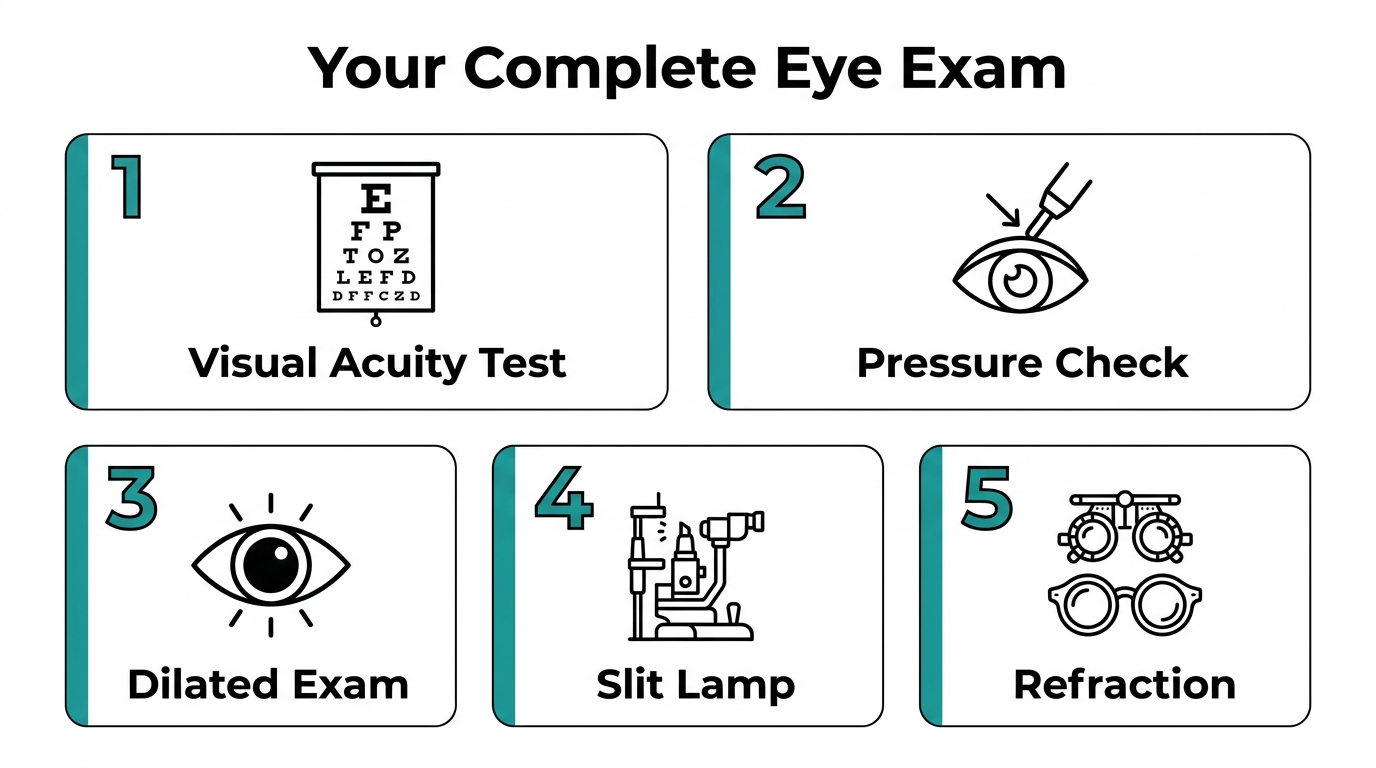
A comprehensive eye exam is a full evaluation of both visual function and eye health, going beyond a simple glasses prescription check. It typically includes tests for visual acuity, eye pressure, peripheral vision, and a dilated examination of the retina and optic nerve.
Key components your doctor should explain include:
- Visual acuity testing: measures how clearly you see at distance and near
- Tonometry: checks intraocular pressure to screen for glaucoma
- Dilated fundus exam: allows direct inspection of the retina, macula, and optic nerve
- Slit-lamp examination: evaluates the cornea, lens, and anterior structures
- Refraction: determines your current prescription
The American Academy of Ophthalmology recommends that asymptomatic adults with no risk factors receive a baseline comprehensive eye evaluation by age 40 to identify early signs of disease. For anyone with existing conditions or risk factors, exams should happen more frequently. Skipping a dilated exam is one of the most common oversights in routine eye care, and it is worth specifically asking your doctor whether dilation is included in your visit.
What Happens During a Dilated Eye Exam?
A dilated eye exam works by using eye drops to widen the pupil, giving the doctor a clearer view of internal eye structures. Once dilated, the ophthalmologist uses a special lens and light to examine the retina, macula, and optic nerve for signs of disease such as diabetic retinopathy, macular degeneration, or glaucoma damage.
Questions worth asking your doctor include:
- Will my vision be blurry afterward, and for how long?
- Should I arrange a driver for after the appointment?
- Does dilation reveal conditions that standard testing would miss?
- How often do you recommend dilation for someone with my history?
Dilation may cause temporary light sensitivity and blurred near vision. Patients often underestimate how much clinical information a dilated exam adds compared to a non-dilated visit.
What Should You Ask About Your Eye Test Results?
The questions you should ask about your eye test results focus on understanding what the findings mean and what action, if any, is needed. Test results in ophthalmology can involve numerical values, visual field maps, retinal images, or pressure readings, all of which require clear explanation.
Useful questions to ask include:
- What is my intraocular pressure, and is it within a normal range?
- Did the dilated exam show any changes to my retina or optic nerve?
- Are there any findings that need monitoring or follow-up testing?
- What do my visual field results indicate about my peripheral vision?
- Should I keep copies of my imaging or test data for future comparison?
Effective ophthalmology communication involves setting clear expectations and ensuring patients understand their results, according to guidance from Eyes On Eyecare. Asking for a plain-language summary of your results, rather than accepting a brief “everything looks fine,” puts you in a stronger position to track changes over time.
What Questions Should You Ask About Specialized Eye Tests?
The specialized eye tests your doctor may recommend include optical coherence tomography (OCT), fundus photography, corneal topography, and visual field analysis, each designed to evaluate a specific structure or function. Knowing when and why these tests are ordered helps you engage meaningfully with your diagnosis.
Questions to ask your doctor include:
- What specific condition are you checking for with this test?
- How does this test differ from what was done in my standard exam?
- Will I need this test at every visit, or only when symptoms change?
- Are the results compared against my previous scans over time?
- Does this test require a referral, or can it be performed here?
Specialized tests can provide baseline data that becomes increasingly valuable over years of monitoring. If your doctor recommends an OCT or visual field test, asking how the results will be compared at future visits is one of the most practical questions you can raise.
What Should You Ask About Treatment Options for Your Eyes?
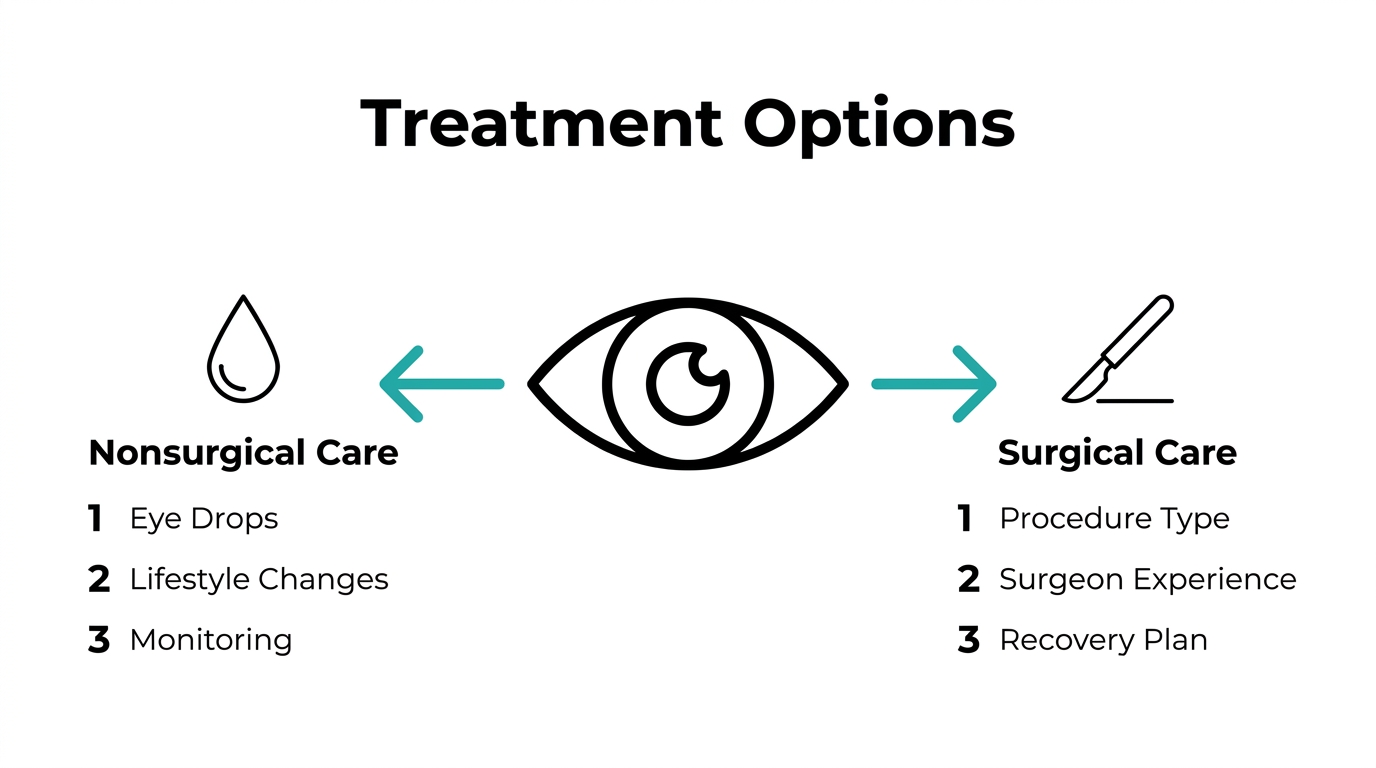
Treatment options for eye conditions range from nonsurgical management to complex surgical interventions. The following sections cover what to ask about nonsurgical approaches, surgical procedures, potential risks, and expected recovery.
What Should You Ask About Nonsurgical Treatments?
Nonsurgical treatments for eye conditions include prescription eye drops, oral medications, corrective lenses, and in-office procedures such as laser therapy or injections. When speaking with your eye doctor, consider asking the following questions:
- Is this treatment meant to manage symptoms or address the underlying cause?
- How long will it take to see results from this treatment?
- What happens if nonsurgical treatment does not improve my condition?
- Are there lifestyle changes, such as diet or screen time habits, that can support this treatment?
- Does this treatment require long-term use, and if so, what are the implications?
A meta-analysis on topical dry eye treatments, assessed through research compiled at Johns Hopkins University, found that the median efficacy assessment period was 12 weeks, which illustrates why patients should ask about realistic timelines before starting any nonsurgical regimen. Understanding what “success” looks like for your specific treatment helps set appropriate expectations and prevents early discontinuation.
What Should You Ask About Surgical Treatment Options?
Surgical treatment options for the eyes include procedures such as cataract surgery, LASIK, glaucoma surgery, and retinal repair. Before agreeing to any surgical intervention, ask your doctor these questions:
- What specific surgical technique do you recommend for my condition, and why?
- How many times have you performed this particular procedure?
- What are the alternatives if I choose not to have surgery?
- Will I need additional procedures in the future?
- What technology or implants will be used, and what are the differences between available options?
According to data from large-scale European registries, routine cataract surgeries result in 75% to 90% of patients achieving their target visual outcomes, which underscores why asking about a surgeon’s specific experience and techniques is one of the most important questions you can raise.
What Should You Ask About Potential Risks and Complications?
Potential risks and complications of eye treatments vary by procedure and individual patient factors. No treatment is entirely risk-free, so direct questions help you understand what to watch for and when to seek urgent care. Consider asking:
- What are the most common complications associated with this treatment?
- What are the rare but serious risks I should be aware of?
- How would a complication be identified and managed?
- Does my medical history increase my risk of complications?
- What symptoms after treatment should prompt me to contact your office immediately?
The American Academy of Ophthalmology states that informed consent for eye surgery requires the physician to explain the rationale for treatment, significant benefits, risks, and reasonable alternatives, meaning your doctor is obligated to answer these questions thoroughly before any procedure proceeds.
What Should You Ask About Expected Outcomes and Recovery?
Expected outcomes and recovery timelines for eye treatments depend on the procedure type, the severity of the condition, and individual healing. Asking clear, specific questions ensures you can plan appropriately and recognize normal versus concerning progress. Useful questions include:
- What level of vision improvement can I realistically expect after this treatment?
- How long is the typical recovery period before I can return to normal activities?
- Will I need corrective lenses after the procedure?
- Are there activity restrictions during recovery, such as avoiding driving or screens?
- How will my progress be monitored, and how frequently will follow-up appointments occur?
Knowing what recovery looks like in practical terms, from when you can drive to when you can return to work, helps you prepare logistically and reduces post-treatment anxiety.
What Questions Should You Ask About Eye Surgery Candidacy?
Eye surgery candidacy depends on several personal factors, including your age, prescription stability, and overall health. The H3 sections below cover how to assess your general eligibility, age-related requirements, and how existing health conditions may affect your options.
How Do You Know if You Are a Good Candidate for Eye Surgery?
Good candidates for eye surgery typically share several measurable characteristics that your surgeon will evaluate during a pre-operative assessment. Key eligibility criteria include:
- A stable vision prescription for at least one to two years prior to surgery.
- Sufficient corneal thickness to support procedures such as LASIK or PRK.
- No active eye infections, severe dry eye disease, or uncontrolled ocular conditions.
- Realistic expectations about surgical outcomes and recovery timelines.
Candidacy is not a simple yes-or-no determination. A thorough consultation with your surgeon can help assess whether the benefits of a specific procedure outweigh the risks for your individual case.
What Should You Ask About Age-Related Eligibility?
Age-related eligibility for eye surgery varies depending on the procedure and the patient’s visual development stage. For refractive procedures like LASIK, most surgeons require patients to be at least 18 to 21 years old with a stable prescription. For cataract surgery, age itself is rarely a barrier; the primary indicator is how much the cataract affects daily functioning.
Useful questions to ask your surgeon include:
- Am I old enough for this procedure, and has my prescription stabilized sufficiently?
- Does my age place me at higher risk for any specific complications?
- Are there age-related lens or retinal changes that could affect my surgical outcome?
What Should You Ask if You Have Other Health Conditions?
Health conditions that may affect eye surgery eligibility include autoimmune diseases, uncontrolled diabetes, and certain medications that impair healing. Your surgeon needs a complete medical history to identify any contraindications before recommending a procedure.
According to the American Academy of Ophthalmology, children should have their first vision screening between the ages of 3 and 5 to detect conditions like amblyopia while they are still treatable, which highlights how early health history can shape long-term surgical eligibility decisions.
Specific questions worth raising with your surgeon include:
- Does my diabetes, autoimmune condition, or current medication affect how my eye heals after surgery?
- Are there systemic conditions that make me a higher-risk surgical candidate?
- Should I consult my primary care physician or specialist before proceeding?
Asking these questions before surgery can help your care team understand the full picture needed to recommend the safest, most effective approach for your vision.
What Should You Ask About Costs and Insurance Coverage?
Understanding the financial side of eye care helps you avoid unexpected bills and choose the right coverage before committing to treatment. This section covers what to ask about surgery costs, insurance benefits, and your rights as a patient.
How Much Does Eye Surgery Cost Without Insurance?
Eye surgery costs without insurance vary significantly depending on the procedure. Cataract surgery typically ranges from $3,500 to $7,000 per eye, while LASIK surgery ranges from $1,500 to $5,000 per eye, according to current U.S. pricing data. Factors influencing cost include provider experience, geographic location, and the technology used, such as standard monofocal versus premium intraocular lenses. Asking your surgeon for an itemized cost breakdown before proceeding is one of the most practical steps you can take.
What Eye Surgery Costs Does Medicare or Insurance Cover?
Medicare and private insurance cover certain eye surgery costs but rarely cover all of them. Medicare Part B covers one pair of eyeglasses or one set of contact lenses after cataract surgery involving an intraocular lens implant, according to Medicare.gov. However, premium lens upgrades and elective procedures like LASIK are typically not covered. Always ask your insurer specifically which components of your planned procedure are included and what out-of-pocket costs remain.
What Should You Ask About Informed Consent Before Eye Surgery?
Informed consent before eye surgery requires your physician to explain the rationale for treatment, significant benefits, material risks, and reasonable alternatives, per American Academy of Ophthalmology ethics guidelines. Before signing any consent form, ask your surgeon to walk through each element clearly. If anything is unclear, request written materials or additional time to review. Patients who fully understand their consent documentation tend to approach surgery with more realistic expectations and greater confidence.
How Often Should You Schedule Eye Exams?
Eye exam frequency depends on age, with children, adults under 60, and adults over 60 each following different recommended schedules. The sections below cover the clinical guidelines for each group.
How Often Should Children Have Eye Exams?
Children should have their first vision screening between ages 3 and 5 to detect conditions like amblyopia (lazy eye) while they are still treatable, according to the American Academy of Ophthalmology. After that initial screening, school-age children generally benefit from exams every one to two years, or more frequently if a vision problem has already been identified. The NHS also recommends routine sight tests every two years for most people, with certain at-risk groups eligible for more frequent checks. Early detection is particularly valuable in children because the visual system is still developing, making timely correction far more effective than intervention later in life.
How Often Should Adults Under 60 Have Eye Exams?
Adults under 60 with no symptoms or known risk factors should receive a baseline comprehensive eye evaluation by age 40, as recommended by the American Academy of Ophthalmology, to identify early signs of disease before symptoms appear. After that baseline, low-risk adults typically follow a schedule set by their eye doctor. Those with risk factors, such as diabetes, should be examined more frequently. According to Ophthalmology Times, an estimated 9.6 million people in the U.S. (26.4% of those with diabetes) have diabetic retinopathy, the leading cause of blindness in working-age adults, making annual exams essential for this group.
How Often Should Adults Over 60 Have Eye Exams?
Adults over 60 should have a comprehensive eye examination every one to two years to screen for age-related conditions, including cataracts and macular degeneration. The American Academy of Ophthalmology supports this recommendation given the sharply increased prevalence of sight-threatening conditions in this age group. More frequent monitoring may be warranted depending on an individual’s specific diagnosis or risk profile. Staying consistent with this schedule is one of the most practical steps older adults can take to protect their long-term vision.
What Questions Should You Ask for a Second Opinion?
Questions to ask for a second opinion focus on confirming your diagnosis, understanding all available treatment options, and clarifying whether the recommended approach is the most appropriate for your specific case.
What Should You Ask a Second Opinion Doctor About Your Diagnosis?
Questions to ask a second opinion doctor about your diagnosis include whether the findings are consistent with the first assessment and whether any additional testing is needed. Asking the second doctor to review original imaging, test results, or records independently ensures their conclusions are not influenced by the first opinion. It is also worth asking whether the condition is being classified correctly, as some eye conditions share overlapping symptoms that can complicate early diagnosis.
What Should You Ask About Alternative Treatment Recommendations?
Questions to ask about alternative treatment recommendations include whether less invasive options exist, what the expected outcomes differ by approach, and whether watchful waiting is a reasonable path. If the two opinions recommend different treatments, ask each provider to explain specifically why they favor their approach over the other. According to the American Academy of Ophthalmology, informed consent requires physicians to explain the rationale for treatment, significant benefits, risks, and reasonable alternatives, making this level of comparison both appropriate and expected.
When Is a Second Opinion Most Important for Eye Conditions?
A second opinion is most important for eye conditions when surgery is recommended, when a diagnosis is rare or unexpected, or when symptoms are progressing despite current treatment. Elective procedures such as cataract surgery, glaucoma intervention, or refractive correction carry long-term consequences, making independent verification particularly valuable. In practice, any recommendation that involves permanent changes to vision or eye structure warrants at least a brief consultation with another qualified specialist before proceeding.
Understanding when and what to ask during a second opinion helps patients advocate effectively for their own vision health.
How Can Eye Surgery Resources Help You Prepare?
Eye Surgery resources help you prepare by translating complex clinical information into clear, actionable knowledge before your appointment. The sections below cover how Eye Surgery Today supports that preparation and the key takeaways from this guide.
Can Eye Surgery Today Help You Understand Your Options?
Eye Surgery Today can help you understand your options by providing surgeon-reviewed educational content designed for patients considering vision care or eye surgery. The platform was founded by nationally recognized key opinion leaders in ophthalmology with a specific mission: bridging the gap between clinical expertise and patient understanding.
Resources available through Eye Surgery Today include:
- Educational articles and guides covering cataract surgery, intraocular lens (IOL) options, recovery expectations, and decision-making frameworks.
- Educational resources that help patients learn more about eye care topics before appointments.
- Video content and exclusive resources, including “The Insider’s Guide to Cataract Surgery” for waitlist members.
Every resource ensures clinical accuracy without relying on medical jargon.For patients who feel uncertain or underprepared walking into a consultation, educational resources can help them organize questions before the appointment.
What Are the Key Takeaways About Questions to Ask Your Eye Doctor?
The key takeaways about questions to ask your eye doctor center on preparation, specificity, and informed decision-making. Knowing what to ask transforms a routine appointment into a productive clinical conversation.
The most actionable lessons from this guide include:
- Ask about your diagnosis clearly. Request the name of your condition, its stage, and how it may progress without treatment.
- Ask about all treatment options. Understand both nonsurgical and surgical paths, including risks, expected outcomes, and recovery timelines.
- Ask about costs and coverage. Clarify what your insurance covers and what out-of-pocket expenses to anticipate before committing to a procedure.
- Ask about surgeon experience. According to experts at Moran Eye Center, patients should ask their surgeon exactly how many procedures they have performed with a specific lens type.
- Ask about exam frequency. Your recommended schedule depends on your age, risk factors, and existing conditions.
Arriving at your appointment with written questions may reduce the chance of leaving with unanswered concerns, and educational resources like Eye Surgery Today can help you build that list with confidence.