The cataract surgery recovery timeline is the predictable healing sequence that follows removal of a clouded natural lens and placement of an artificial intraocular lens (IOL). Full recovery typically takes about four weeks, though many patients notice meaningful vision improvement within the first few days.
This guide covers early post-operative healing, activity and lifestyle restrictions, lens-specific vision stabilization, factors that may influence your recovery speed, possible complications, and follow-up care milestones.
During the first 24 hours, patients can expect temporary blurriness, light sensitivity, and mild discomfort as the eye adjusts to the new IOL. Strict precautions, including prescribed eye drops and a protective shield, help the small incision begin sealing properly.
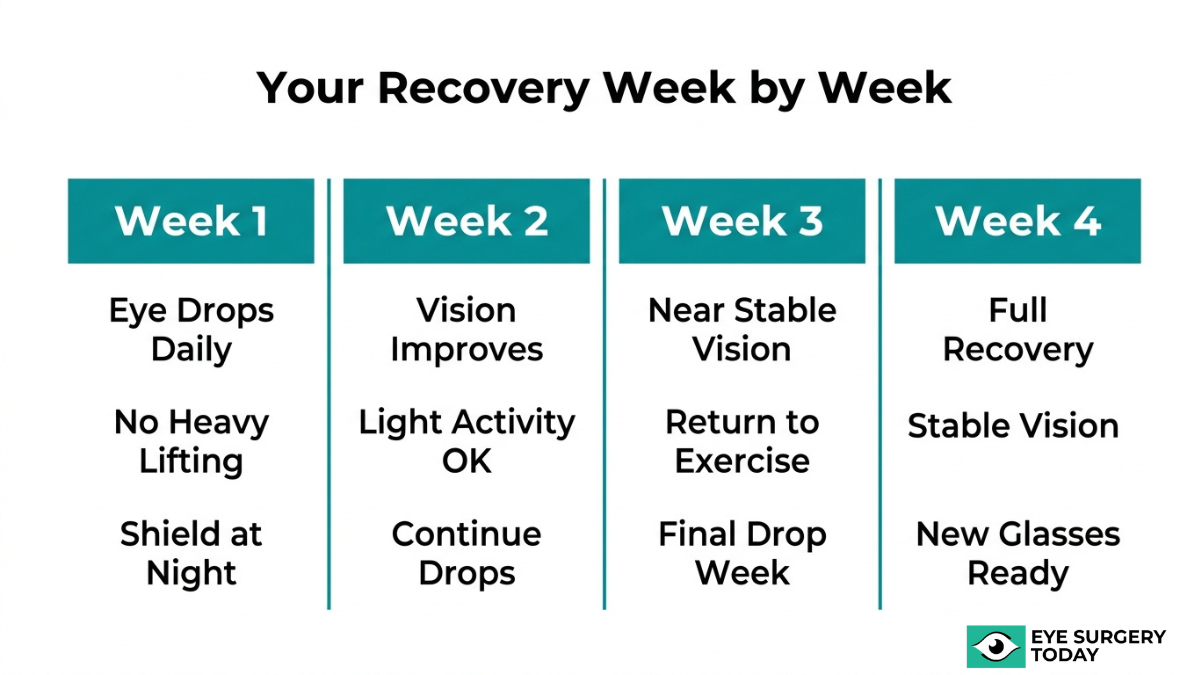
Over the first week through week four, a structured eye drop regimen and graduated activity restrictions support steady healing. Most patients can return to desk work within a few days, while strenuous exercise and swimming require longer pauses before safely resuming.
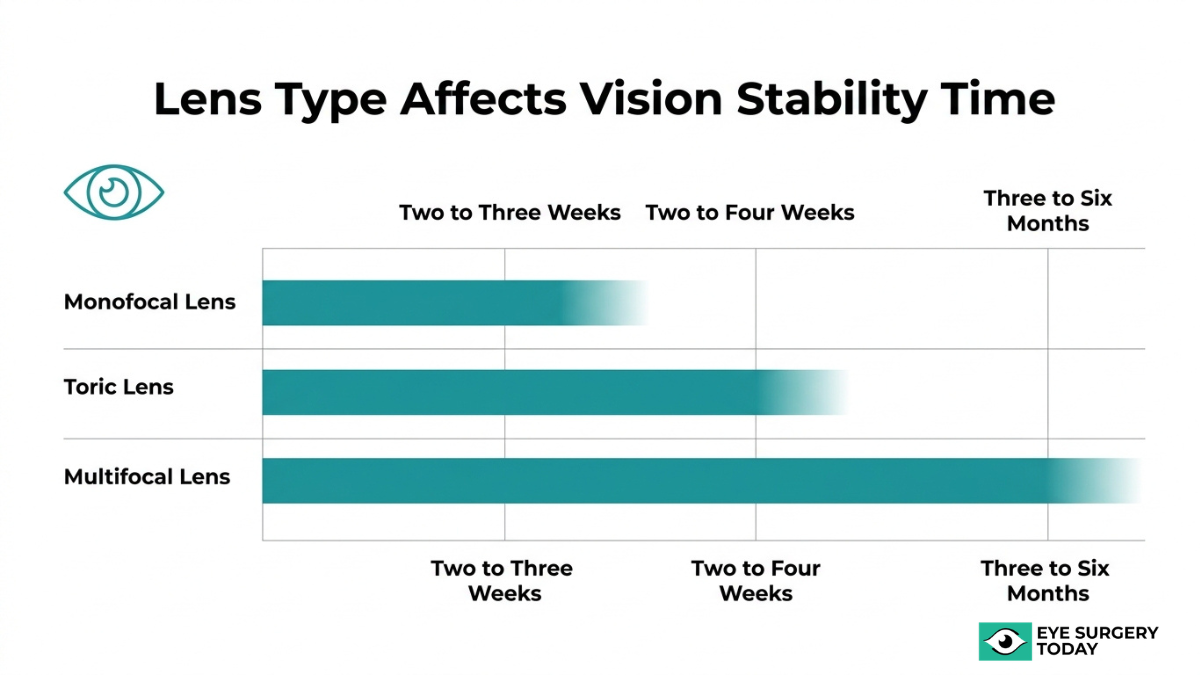
Vision stabilization timelines vary by lens type. Monofocal IOL recipients may reach stable clarity within two to three weeks, while multifocal lenses can require three to six months of neuroadaptation. Toric lenses, designed to correct astigmatism, generally stabilize within two to four weeks once rotational alignment settles.
Pre-existing eye conditions, patient age, and cataract density can each extend or shorten the recovery window. Complications such as posterior capsule opacification and cystoid macular edema are uncommon but treatable when detected early.
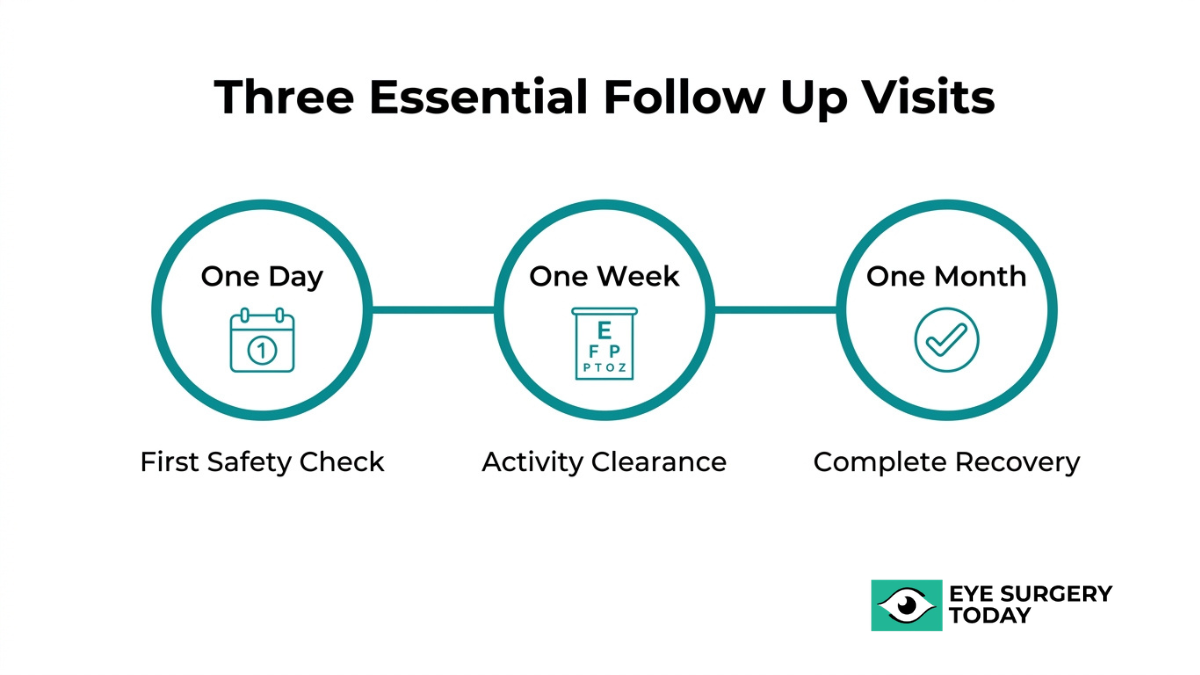
Scheduled follow-up visits at one day, one week, and one month allow your surgeon to track healing, adjust medications, and determine when a final glasses prescription is appropriate.
What Happens During the First 24 Hours After Cataract Surgery?
The first 24 hours after cataract surgery involve temporary vision changes, mild discomfort, and strict post-operative care to protect the healing eye. The sections below cover normal vision changes, expected nighttime symptoms, and immediate care requirements.

What Vision Changes Are Normal on the Day of Surgery?
Normal vision changes on the day of surgery include blurriness, mild cloudiness, and heightened light sensitivity. Colors may also appear brighter or slightly washed out as the eye adjusts to the new intraocular lens (IOL).
These visual disturbances occur because the pupil remains dilated from pre-operative drops, and the cornea may have minor swelling from the procedure. Some patients notice halos or glare around lights, which typically diminish as dilation wears off within several hours.
Fluctuating clarity throughout the day is common. Vision may seem sharper at one moment and hazy the next while the eye stabilizes. This variability does not indicate a problem; it reflects the eye’s natural adjustment process during the earliest phase of healing.
What Symptoms Should You Expect the First Night?
The symptoms you should expect the first night include mild grittiness, a scratchy sensation, and watery eyes. Some patients experience a dull ache or pressure around the operated eye, though sharp or severe pain is not typical and should prompt a call to your surgeon.
Light sensitivity often intensifies in darker environments when pupils naturally dilate. Wearing the protective eye shield provided by the surgical team while sleeping helps prevent accidental rubbing or pressure on the healing eye. Slight redness around the white of the eye is also normal during this period, caused by minor surface irritation from the procedure.
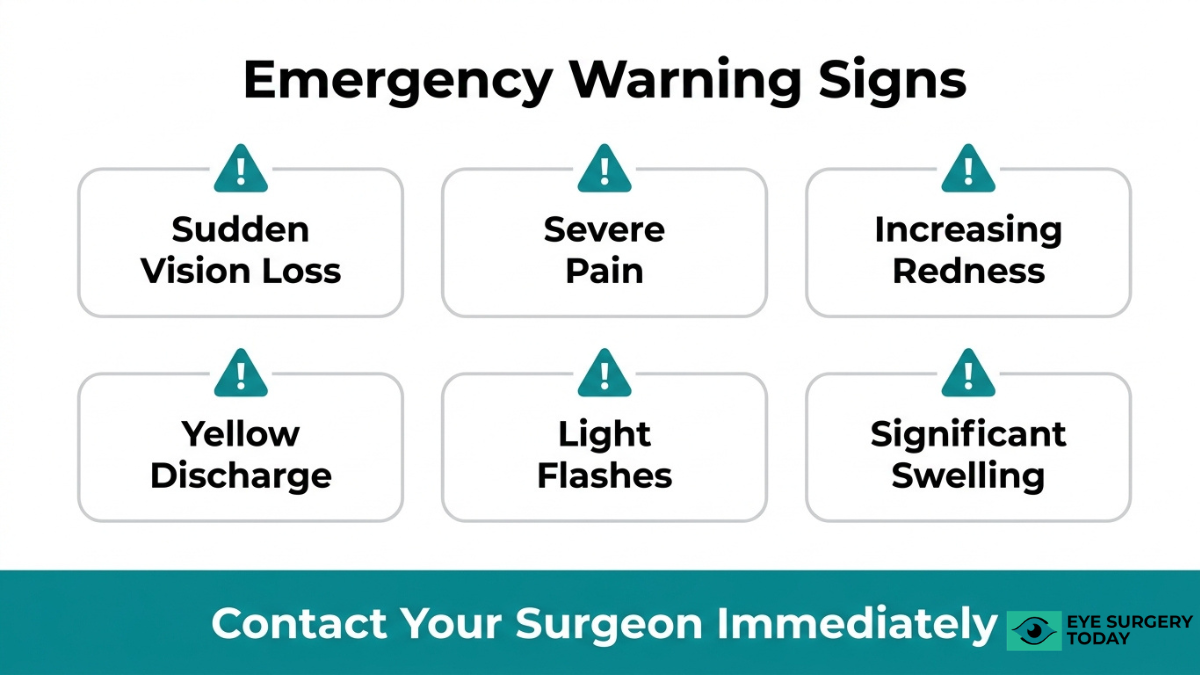
If you experience significant pain, sudden vision loss, or flashing lights, contact your ophthalmologist immediately, as these may signal a complication requiring urgent evaluation.
What Post-Operative Care Is Required Immediately After?
Post-operative care required immediately after cataract surgery includes using prescribed eye drops, wearing a protective shield, and avoiding activities that raise intraocular pressure. Your ophthalmologist will typically prescribe antibiotic and anti-inflammatory drops to begin the same day.
Key immediate care instructions include:
- Apply prescribed eye drops on the exact schedule provided by your surgical team.
- Wear the protective eye shield during sleep for the first several nights.
- Avoid rubbing or touching the operated eye.
- Do not bend over or place your head below waist level, as the American Academy of Ophthalmology advises this can increase eye pressure during the first 48 hours.
- Skip heavy lifting, strenuous activity, and any task that causes straining.
- Avoid getting water, soap, or dust directly in the eye while bathing.
Following these precautions closely during the first 24 hours gives the small incision site its best chance to begin sealing, setting the foundation for a smooth first week of recovery.
What Does Recovery Look Like During the First Week?
Recovery during the first week after cataract surgery involves gradually improving vision, a consistent eye drop regimen, and temporary activity restrictions. The subsections below cover expected blurriness, drop schedules, activity limits, and early warning signs.
How Much Blurriness Is Normal in the First Few Days?
Blurriness in the first few days after cataract surgery is normal and expected as the eye begins to heal. The small incision typically closes within the first 24 hours, but the surrounding tissue needs time to settle. Many patients notice mild haziness, color shifts, or fluctuating clarity during this period.
According to the American Academy of Ophthalmology, most people can resume normal activities within days or weeks, though it can take up to a year for the eyes to feel completely normal. Mild blurriness that gradually improves over the first three to five days is generally not a cause for concern. However, vision that worsens sharply or fails to improve at all may warrant a call to your ophthalmologist. For most patients, each day during this initial window brings noticeably clearer sight compared to the day before.
What Eye Drop Schedule Should You Follow in Week One?
The eye drop schedule you should follow in week one typically includes antibiotic drops, anti-inflammatory drops, and sometimes lubricating drops, each on a specific timed rotation prescribed by your surgeon. These drops serve distinct purposes:
- Antibiotic drops help prevent postoperative infection during the critical early healing window.
- Anti-inflammatory drops (often a corticosteroid or NSAID) reduce swelling and control the body’s immune response inside the eye.
- Lubricating drops may be recommended to relieve dryness and irritation as the surface heals.
According to the NHS, postoperative eye drops to prevent infection and inflammation are typically required for about four weeks following cataract surgery. Skipping doses or stopping early can increase the risk of complications, so following the prescribed schedule closely matters. Washing hands before each application and avoiding touching the dropper tip to the eye are two small habits that make a meaningful difference in keeping the healing environment clean.
What Activities Should You Avoid in the First Week?
The activities you should avoid in the first week after cataract surgery include anything that increases eye pressure, introduces contaminants, or risks physical impact to the healing eye. Key restrictions include:
- Bending over or lowering your head below the waist, particularly during the first 48 hours, to prevent increased eye pressure.
- Strenuous exercise such as running, biking, tennis, golf, and sexual activity, which are best postponed for 7 to 10 days.
- Swimming, which should be avoided for at least two weeks to minimize infection and irritation risk.
- Rubbing or pressing on the eye, even if itching occurs.
- Dusty or dirty environments that could introduce particles near the surgical site.
These precautions may feel overly cautious, but the incision site remains vulnerable during week one. A brief pause from physical demands is one of the simplest ways to protect the surgical outcome.
What Are Signs of Complications to Watch for Early On?
Signs of complications to watch for early on include sudden or worsening symptoms that fall outside the expected recovery pattern. While mild discomfort and blurriness are normal, certain changes require prompt medical attention:
- Sudden, significant vision loss rather than gradual improvement.
- Increasing redness that intensifies instead of fading over the first few days.
- Severe or escalating pain not relieved by over-the-counter medication.
- Unusual discharge, especially if it appears yellow or green.
- Persistent flashes of light or a sudden increase in floaters, which may indicate retinal issues.
- Significant swelling of the eyelid or surrounding tissue that does not subside.
Most complications, when caught early, can be managed effectively by your ophthalmologist. If any of these symptoms appear, contacting your surgeon’s office promptly is far safer than waiting for a scheduled follow-up appointment. Understanding how healing progresses in weeks two through four can help you distinguish normal changes from those that need attention.
How Does Healing Progress From Week Two Through Week Four?
Healing from week two through week four marks the transition from early recovery to full recovery after cataract surgery. According to the Cleveland Clinic, full recovery typically takes four weeks, although many patients notice significant vision improvement within a few days. The subsections below cover when you can safely return to driving, exercise, makeup use, and work.
When Can You Return to Driving After Cataract Surgery?
You can return to driving after cataract surgery once your ophthalmologist confirms that your treated eye meets the required visual acuity standard. This clearance typically happens at a follow-up visit within the first one to two weeks, though individual timelines vary based on how quickly vision stabilizes.
Your surgeon will assess factors such as residual blurriness, light sensitivity, and depth perception before giving approval. Until that visit, arranging alternative transportation is essential for safety. Nighttime driving may take longer to resume, since glare and halos from oncoming headlights can persist during early healing. For most patients, daytime driving returns well before the four-week mark, but rushing this milestone without clearance introduces unnecessary risk.
When Can You Resume Exercise After Cataract Surgery?
You can resume exercise after cataract surgery in a phased approach based on activity intensity. Light walking is generally safe within the first few days. According to the American Academy of Ophthalmology, patients should wait 7 to 10 days before resuming strenuous activities, such as running, biking, tennis, and golf.
Swimming requires a longer wait. Patients should avoid pools, hot tubs, and open water for at least two weeks to minimize infection and irritation risk. Contact sports or activities with a high chance of eye impact may require even more time. Your ophthalmologist’s guidance at each follow-up determines the safest timeline for your specific situation. Gradually increasing intensity, rather than jumping back to pre-surgery routines, protects the healing incision.
When Can You Wear Makeup After Cataract Surgery?
You can wear makeup after cataract surgery once your ophthalmologist gives clearance, which typically occurs around two weeks post-procedure. Eye makeup, including mascara, eyeliner, and eyeshadow, poses the greatest concern because applying and removing these products near the healing eye can introduce bacteria or cause irritation.
Face makeup applied away from the eye area, such as foundation on the cheeks or lipstick, may be safe to use sooner. When you do resume eye makeup, starting with fresh, unopened products reduces contamination risk. Avoid pressing or rubbing near the eye during application and removal. Patience during this phase is worthwhile; a minor cosmetic delay prevents complications that could extend overall recovery well beyond four weeks.
When Can You Return to Work After Cataract Surgery?
You can return to work after cataract surgery within a few days to two weeks, depending on the physical demands of your job. Desk-based and remote work with minimal screen strain can often resume within two to three days. Jobs requiring heavy lifting, exposure to dust or chemicals, or prolonged physical exertion typically require one to two weeks of recovery.
Your ophthalmologist will factor in your specific role when recommending a return date. Adjustments like increasing screen font size, taking frequent eye breaks, and wearing protective eyewear in industrial environments help ease the transition. Because postoperative eye drops are typically required for about four weeks, plan for brief breaks to maintain your drop schedule during the workday.
With activity restrictions lifting steadily during this phase, understanding when your vision fully stabilizes becomes the next priority.
When Does Vision Fully Stabilize After Cataract Surgery?
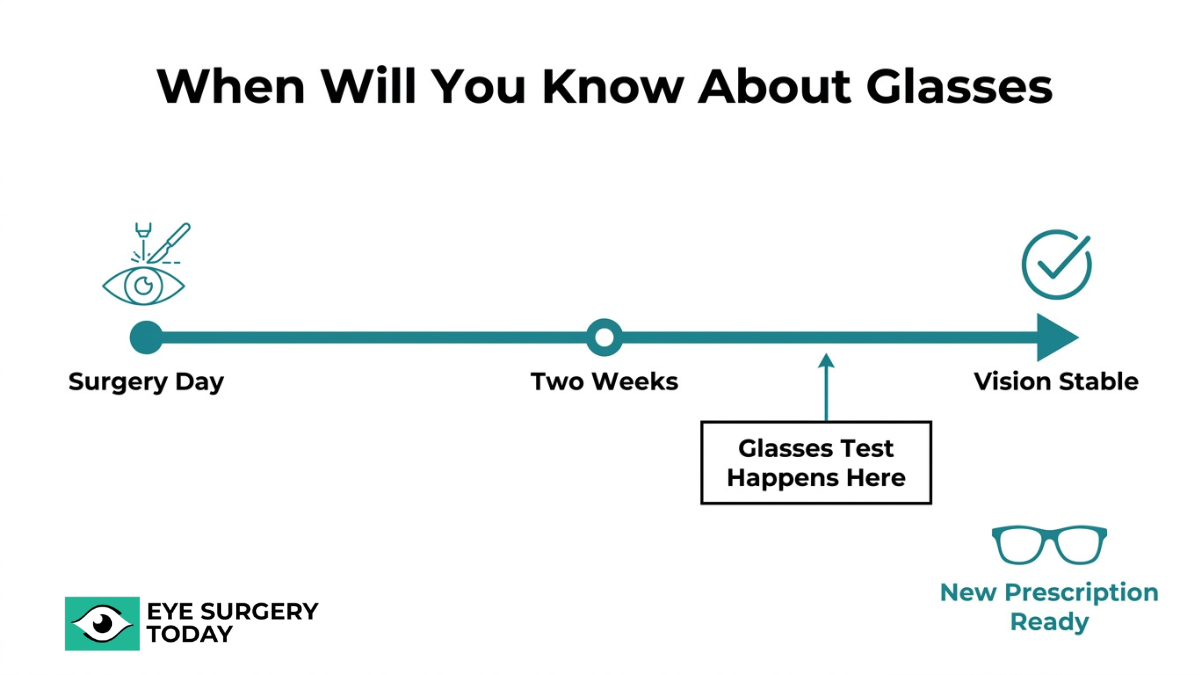
Vision fully stabilizes after cataract surgery within 2 to 3 weeks for most patients. The exact timeline depends on the type of intraocular lens (IOL) implanted, including monofocal, multifocal, and toric options.
How Long Does It Take Vision to Stabilize With a Monofocal Lens?
It takes most monofocal lens patients 2 to 3 weeks for vision to stabilize, though individual timelines vary. According to the American Academy of Ophthalmology, ophthalmologists typically wait this period before testing for a new vision prescription. Monofocal IOLs correct vision at a single focal point, usually distance. Because of this fixed focus, the brain adapts relatively quickly to the new lens.
However, the process is not always straightforward. As Dr. John Hovanesian notes, it can take days, weeks, or even months to arrive at best-corrected vision depending on cataract maturity before surgery. Patients with denser cataracts may experience a longer neuroadaptation period as the visual system adjusts to significantly sharper input. For most monofocal recipients, reading glasses or progressive lenses will still be needed for near tasks once vision stabilizes.
How Long Does It Take Vision to Stabilize With a Multifocal Lens?
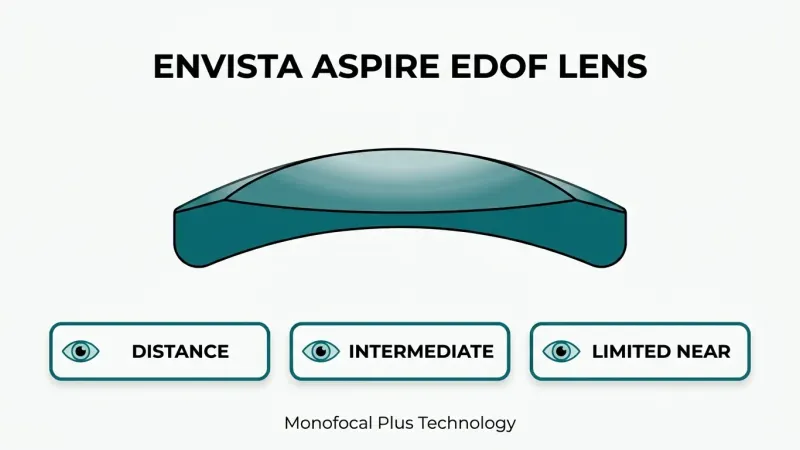
It takes vision longer to stabilize with a multifocal lens compared to a monofocal lens, often requiring 3 to 6 months for full neuroadaptation. Multifocal IOLs split incoming light into multiple focal points for near, intermediate, and distance vision. This design demands more time for the brain to learn how to select the correct focus at each distance.
During the initial weeks, patients may notice halos around lights, mild glare, or reduced contrast sensitivity. These visual phenomena typically diminish as neural pathways adapt. According to a review published in PubMed, multifocal IOLs are associated with better uncorrected near vision and greater spectacle independence compared to monofocal IOLs. The extended adaptation period is a worthwhile trade-off for most patients who prioritize reducing dependence on glasses across all distances.
How Long Does It Take Vision to Stabilize With a Toric Lens?
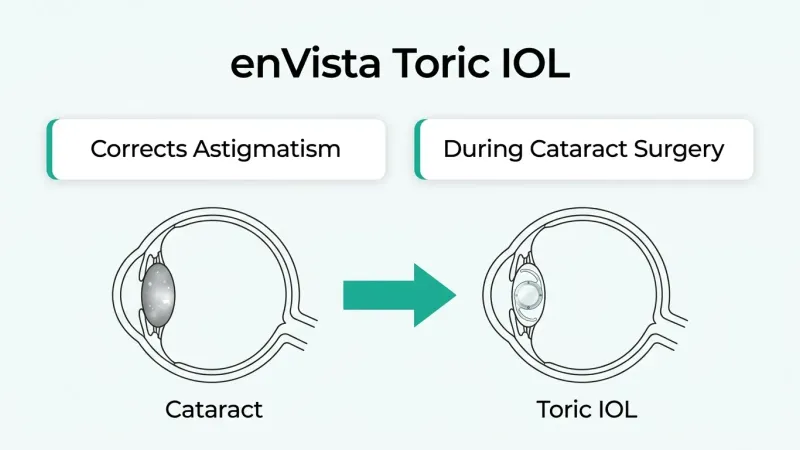
It takes vision with a toric lens approximately 2 to 4 weeks to stabilize, similar to monofocal lenses but with an added variable: rotational alignment. Toric IOLs correct pre-existing astigmatism by positioning a specific cylindrical power along a precise axis inside the eye. If the lens remains well-aligned, visual recovery tends to follow a predictable course.
According to a review published in PubMed Central, toric IOLs provide significantly lower postoperative refractive cylinder compared to non-toric lenses in patients with astigmatism. Minor lens rotation during the early healing period can temporarily affect clarity, though most toric IOLs settle into stable position within the first few weeks. Patients with higher degrees of astigmatism often notice the most dramatic improvement once the toric lens stabilizes, making this IOL type one of the most reliable options for achieving crisp distance vision without cylindrical correction in glasses.
With lens-specific stabilization timelines understood, several additional factors may influence how quickly your vision reaches its final clarity.
What Factors May Affect How Quickly Your Vision Stabilizes?
Factors that may affect how quickly your vision stabilizes include pre-existing eye conditions, patient age, and cataract severity. Each variable can extend or shorten the typical recovery window.
How Do Pre-Existing Eye Conditions Affect Recovery Time?
Pre-existing eye conditions affect recovery time by increasing the risk of complications that can delay visual stabilization. Conditions such as age-related macular degeneration, diabetic retinopathy, and epiretinal membrane may slow healing or limit final visual outcomes. Patients taking certain medications for prostate conditions must also inform their surgeon, as these drugs can interfere with the procedure itself. According to the American Academy of Ophthalmology, a Charlson Comorbidity Index of 7 or higher is associated with a 1.79 times higher risk of endophthalmitis compared to a score of zero. When multiple systemic or ocular conditions are present, the healing timeline often becomes less predictable, making close follow-up with a surgeon especially important.
How Does Age Influence Cataract Surgery Recovery?
Age influences cataract surgery recovery because older patients generally heal more slowly and face elevated complication risks. Tissue elasticity, tear film quality, and the body’s inflammatory response all change with advancing age. According to the American Academy of Ophthalmology, men and older patients, especially those over 84, have a higher risk of developing postoperative endophthalmitis following cataract surgery. While most older adults still achieve excellent outcomes, the path to stable vision may take longer compared to younger patients. Older individuals benefit from strict adherence to their prescribed eye drop schedule and follow-up appointments to catch potential issues early.
How Does Cataract Severity Affect the Healing Timeline?
Cataract severity affects the healing timeline because dense or mature cataracts require more surgical energy to remove, which can increase corneal swelling and extend the recovery period. When the cataract has progressed significantly, the ultrasound phacoemulsification process takes longer, placing greater stress on surrounding ocular tissues. As Dr. John Hovanesian notes through the American Academy of Ophthalmology, it can take days, weeks, or months to arrive at best-corrected vision depending on cataract maturity. Patients with milder cataracts tend to notice sharper vision sooner, while those with advanced cases should expect a more gradual stabilization. Understanding your cataract grade before surgery helps set realistic expectations for the weeks ahead.
What Are Possible Risks and Complications During Recovery?
Possible risks and complications during cataract surgery recovery include posterior capsule opacification, cystoid macular edema, eye infection, and sudden vision loss. Each complication has distinct symptoms and timelines.
What Is Posterior Capsule Opacification?
Posterior capsule opacification (PCO) is a condition where the thin membrane behind the intraocular lens becomes cloudy after cataract surgery, causing vision to gradually blur again. Sometimes called a “secondary cataract,” PCO develops when residual lens epithelial cells migrate and proliferate across the posterior capsule. According to a 2022 report published in Clinical Optometry covering over 500,000 eyes, PCO incidence is reported at 2.3% six months after surgery.
Symptoms may include:
- Gradual return of blurry or hazy vision
- Increased glare or halos around lights
- Difficulty reading or seeing fine detail
When detected, PCO can be treated with a quick, painless Nd:YAG laser capsulotomy that restores clarity within days. Because this complication is both common and easily correctable, it should not cause alarm, though patients should report any gradual vision changes promptly to their eye care provider.
What Are Symptoms of Cystoid Macular Edema After Surgery?
Symptoms of cystoid macular edema (CME) after cataract surgery include blurred or distorted central vision, difficulty reading, and colors appearing washed out. CME occurs when fluid accumulates in the macula, the central area of the retina responsible for sharp detail. According to a report in PubMed (National Library of Medicine), clinical CME after cataract surgery has a reported incidence ranging from 0.1% to 2.35%, with an average onset of approximately 6 weeks post-surgery.
Patients who notice a gradual decline in central vision several weeks after an initially successful recovery should alert their surgeon. Early detection matters; treatment typically involves anti-inflammatory eye drops, and most cases resolve with appropriate management. Patients with pre-existing retinal conditions may face higher risk, making close follow-up particularly important during the first two months.
What Does an Eye Infection Look Like During Recovery?
An eye infection during cataract surgery recovery typically presents with increasing redness, swelling, pain, and discharge from the operated eye. The most serious form, endophthalmitis, may also cause rapidly worsening vision, sensitivity to light, and a white or yellow spot visible inside the eye.
Warning signs that may indicate infection include:
- Escalating pain that does not improve with prescribed drops
- Thick or colored discharge from the eye
- Significant redness that worsens rather than improves
- Eyelid swelling that increases after the first few days
Although serious post-surgical eye infections are rare, any combination of these symptoms warrants immediate contact with the surgical team. Delaying treatment for a suspected infection can lead to permanent vision damage, so erring on the side of caution is always the safer approach.
What Should You Do if You Notice a Sudden Loss of Vision?
If you notice a sudden loss of vision during cataract surgery recovery, you should contact your surgeon or seek emergency eye care immediately. Sudden vision loss can signal serious complications, such as retinal detachment, severe infection, or acute intraocular pressure changes, all of which require urgent evaluation.
Steps to take include:
- Call your surgeon’s office or emergency line right away.
- Go to the nearest emergency room if your surgeon is unavailable.
- Avoid rubbing, pressing, or touching the affected eye.
- Note exactly when the vision loss started and any accompanying symptoms, such as flashes of light or a shadow across your visual field.
Sudden vision changes after cataract surgery are uncommon, but they are never normal. Rapid professional assessment can make the difference between a treatable event and permanent vision loss. Understanding when to seek help is one of the most important parts of a safe recovery.
When Should You Contact Your Surgeon During Recovery?
You should contact your surgeon during recovery any time you experience symptoms that fall outside the range of normal post-operative healing. While mild discomfort, light sensitivity, and slight blurriness are expected in the first few days, certain warning signs may indicate a complication that requires prompt evaluation.
Symptoms that warrant an immediate call to your surgeon include:
- Sudden or severe vision loss in the treated eye
- Intense pain that does not respond to prescribed medication
- Increasing redness that worsens rather than improves after the first 48 hours
- Significant swelling around the eye or eyelid
- New flashes of light or a sudden increase in floaters
- Discharge that appears yellow or green, which may suggest infection
According to the American Academy of Ophthalmology, the overall rate of postoperative endophthalmitis within 42 days of standalone cataract extraction is approximately 0.08%, making serious infections rare but still requiring urgent attention if symptoms arise.
Not every concern requires an emergency visit, but erring on the side of caution is always reasonable. If you are unsure whether a symptom is normal, calling your surgeon’s office for guidance is far safer than waiting. Most practices have after-hours protocols for post-surgical patients, so timely communication is usually straightforward.
With a clear understanding of when to seek help, knowing what happens at each scheduled follow-up keeps your recovery on track. This holistic approach to post-operative care is crucial for navigating life after cataract surgery successfully.
What Can You Expect at Follow-Up Appointments?
Follow-up appointments after cataract surgery track healing, monitor for complications, and confirm vision improvement. Most ophthalmologists schedule visits at one day, one week, and one month post-op.
What Happens at the One-Day Post-Op Visit?
The one-day post-op visit confirms that the eye is healing properly and that no immediate complications have developed. Your ophthalmologist will remove the protective eye shield, examine the surgical incision, and check intraocular pressure. Since the small incision typically closes within the first 24 hours, according to the American Academy of Ophthalmology, this visit verifies that seal formation is progressing normally.
The surgeon also reviews your eye drop schedule and answers questions about early symptoms like mild discomfort, light sensitivity, or blurriness. Because these symptoms are common on day one, this appointment helps distinguish normal post-operative responses from signs that need attention. Patients who leave this visit with a clear care plan tend to feel more confident navigating the first week of recovery.
What Happens at the One-Week Follow-Up?
The one-week follow-up assesses early visual improvement and ongoing healing. By this point, much of the initial swelling and blurriness has started to resolve, so the ophthalmologist performs a more detailed vision test to measure progress.
Key areas evaluated at this visit include:
- Visual acuity compared to the one-day baseline.
- Corneal clarity and signs of residual inflammation.
- Intraocular pressure to rule out post-surgical spikes.
- Response to the prescribed anti-inflammatory and antibiotic eye drops.
If healing is on track, your surgeon may clear you to gradually resume strenuous activities. The American Academy of Ophthalmology advises patients to wait 7 to 10 days before returning to activities like running, golf, or biking. This visit is where most patients receive that green light, making it a practical turning point in the recovery timeline.
What Happens at the One-Month Follow-Up?
The one-month follow-up evaluates whether full recovery has been achieved. The ophthalmologist performs a comprehensive eye exam, including refraction testing and a dilated examination of the retina and the intraocular lens position.
Since full recovery from cataract surgery typically takes four weeks, according to the Cleveland Clinic, this appointment often marks the transition from active post-operative care to long-term monitoring. Eye drop regimens are usually discontinued around this time. If vision has stabilized, your surgeon may also write a new glasses prescription for any residual refractive error. For patients who received multifocal or toric lenses, this visit is particularly important for confirming that the IOL is performing as expected.
With the one-month milestone reached, the conversation shifts toward long-term eye health and whether updated corrective lenses are needed.
When Will You Know if You Still Need Glasses After Surgery?
You will typically know if you still need glasses after cataract surgery once your vision stabilizes, which takes two to three weeks for most patients. Your ophthalmologist will schedule a refraction test at that point to determine whether a new prescription is necessary.
Several factors influence whether glasses remain part of your daily routine after the procedure. The type of intraocular lens (IOL) implanted during surgery plays the most significant role. Monofocal IOLs, the most commonly chosen option, correct vision at one fixed distance. Patients who select a monofocal lens set for distance vision will likely still need reading glasses for close-up tasks. Multifocal IOLs, by contrast, are designed to reduce spectacle dependence across multiple distances. According to a study indexed in PubMed (2019), multifocal IOLs are associated with better uncorrected near vision and greater spectacle independence compared to monofocal IOLs.
Even with premium lens options, some residual refractive error may persist. Minor astigmatism or slight overcorrection can leave patients benefiting from lightweight glasses in specific situations, such as prolonged reading or nighttime driving. Your surgeon will not finalize a glasses prescription until the eye has fully healed, typically around the four-week mark. Rushing this measurement before the corneal surface and lens position settle could result in an inaccurate prescription that needs to be redone.
For patients who prioritize complete freedom from glasses, discussing toric or multifocal IOL options before surgery is essential. Understanding realistic expectations for each lens type helps avoid disappointment during recovery and ensures the final visual outcome aligns with your lifestyle needs.
How Can Surgeon-Reviewed Resources Help You Prepare for Recovery?
Surgeon-reviewed resources can help you prepare for recovery by providing clinically accurate, easy-to-understand guidance on what to expect at each healing stage. The sections below cover how Eye Surgery Today supports lens education and the essential recovery takeaways.
Can Eye Surgery Today Help You Understand Your Lens Options?
Yes, Eye Surgery Today can help you understand your lens options. The platform provides surgeon-reviewed educational guides that break down the differences between monofocal, multifocal, and toric intraocular lenses in clear, jargon-free language. Each lens type affects the recovery timeline and visual outcomes differently, so understanding these distinctions before surgery helps set realistic expectations.
Eye Surgery Today was founded by nationally recognized ophthalmology key opinion leaders specifically to bridge the cataract knowledge gap. The platform’s resources cover IOL selection criteria, recovery milestones, and what to discuss with your surgeon during pre-operative consultations. Having access to this level of unbiased, expert-reviewed information before your procedure can make the entire recovery process less stressful and more predictable.
What Are the Key Takeaways About the Cataract Surgery Recovery Timeline?
The key takeaways about the cataract surgery recovery timeline are that healing follows a predictable pattern, with most patients noticing vision improvement within days and full recovery occurring over approximately four weeks. According to the Mayo Clinic, complete visual stabilization may take several weeks, and your ophthalmologist will guide each milestone along the way.
The most important recovery points to remember include:
- Vision often improves noticeably within the first few days, though mild blurriness is normal.
- Postoperative eye drops for infection and inflammation prevention typically continue for about four weeks.
- Strenuous activities should be avoided for 7 to 10 days, and swimming for at least two weeks.
- Vision generally stabilizes within two to three weeks, when new glasses prescriptions can be assessed.
- Rare complications like posterior capsule opacification or cystoid macular edema have low incidence rates but warrant awareness.
- Follow-up appointments at one day, one week, and one month allow your surgeon to monitor healing progress.
Preparing with accurate, surgeon-reviewed information makes each stage of recovery easier to navigate. Eye Surgery Today offers the educational resources to help you approach cataract surgery with confidence and clarity.
/custom