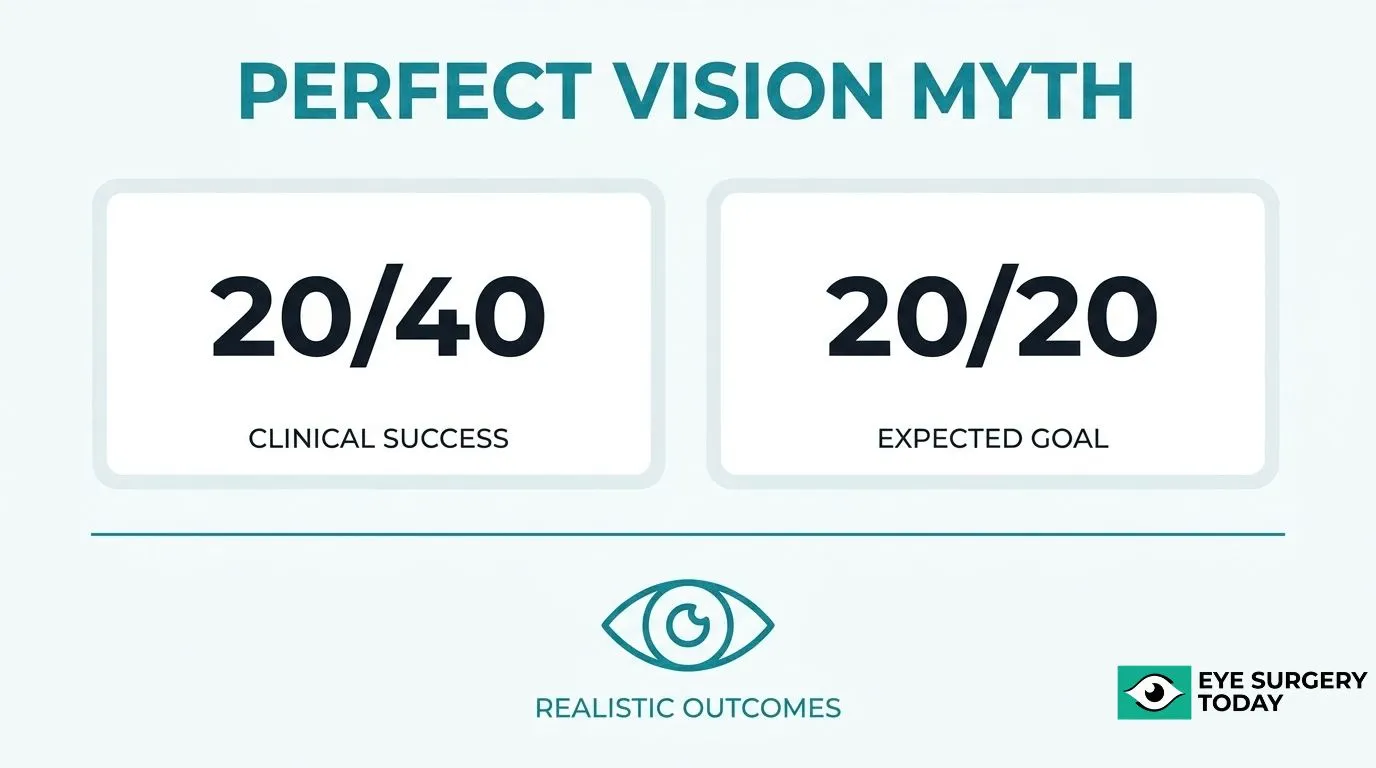
“Perfect vision” after cataract surgery is a widely held expectation, but the clinical standard for a successful outcome is 20/40 visual acuity, not 20/20. Most patients achieve significant improvement, yet no intraocular lens can replicate the full range of natural sight across every distance and lighting condition.
This guide covers clinical definitions of surgical success, realistic vision expectations by lens type, factors that may limit post-surgical clarity, potential complications, IOL selection trade-offs, candidate profiles for excellent outcomes, corrective options when results fall short, and the role of surgeon-reviewed education.
Ophthalmologists measure success at the 20/40 threshold because it allows functional independence for tasks like driving, while 20/20 on a letter chart does not account for contrast sensitivity, intermediate focus, or night vision quality. Up to 35% of patients may report dissatisfaction even after achieving 20/20 acuity.
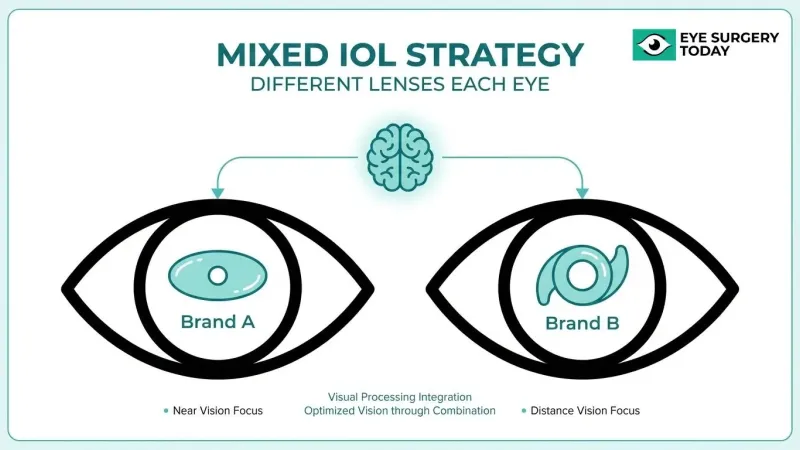
The type of IOL implanted directly shapes what you can see without glasses. Monofocal lenses tend to deliver reliable distance clarity with minimal glare, while multifocal and EDOF designs may extend functional range at the cost of reduced contrast or photic phenomena in low light.
Pre-existing conditions such as dry eye, astigmatism, glaucoma, macular degeneration, and diabetic retinopathy can each reduce achievable acuity. Posterior capsule opacification, the most common post-surgical complication, may gradually cloud vision months after an otherwise successful procedure.
When outcomes fall short, options ranging from a simple glasses prescription to laser enhancement or lens exchange may help address residual blur. Accurate preoperative measurements and thorough eye health evaluation remain among the strongest predictors of a satisfying result.
What Does “Perfect Vision” Actually Mean After Cataract Surgery?
“Perfect vision” after cataract surgery is a common expectation, but clinical success is measured differently than most patients assume. The following sections clarify how ophthalmologists define outcomes, how 20/20 differs from truly flawless sight, and why patient expectations often exceed what surgery can deliver.
How Do Ophthalmologists Define Successful Vision Outcomes?
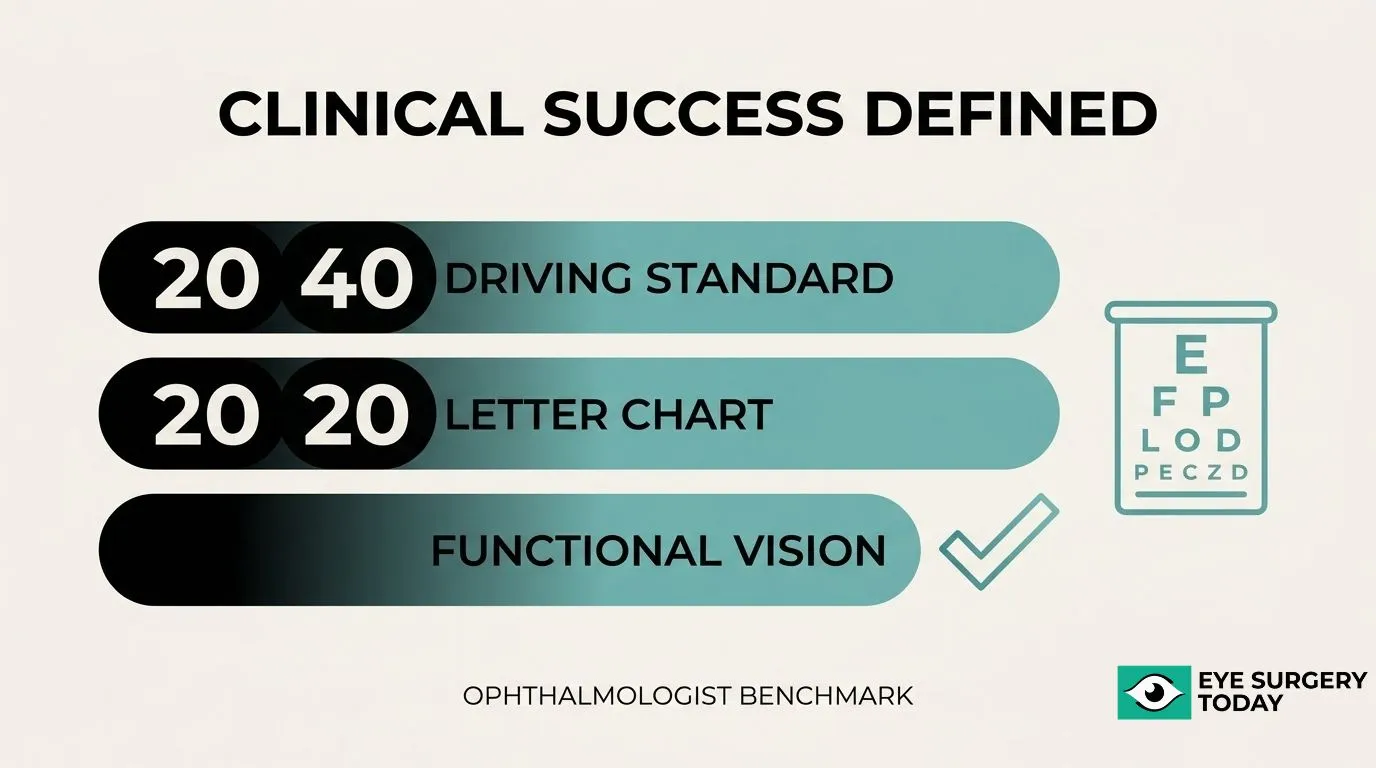
Ophthalmologists define successful vision outcomes after cataract surgery primarily using the 20/40 visual acuity threshold. This benchmark was chosen because it represents the minimum standard for unrestricted motor vehicle operation in the United States, and it has been consistently adopted by the FDA for intraocular lens assessment.
Reaching 20/40 does not mean vision is “perfect.” It means a patient can perform most daily tasks, including driving, without corrective lenses. Many patients surpass this standard, but ophthalmologists consider the procedure successful once functional independence is restored. The clinical bar for success, in other words, is set at practical functionality rather than optical perfection. Patients who understand this distinction before surgery tend to have more realistic expectations about their results.
What Is the Difference Between 20/20 Vision and Perfect Vision?
The difference between 20/20 vision and perfect vision is that 20/20 measures only distance clarity on a standardized letter chart, while “perfect” vision encompasses a much broader range of visual functions. Contrast sensitivity, intermediate focus, near reading ability, night vision quality, and absence of glare or halos all contribute to how a person perceives their sight.
At the APAO 2026 surgical masterclass, findings indicated that while 86% of patients achieved spectacle independence with advanced lenses, visual acuity was strong but not flawless across all distances. A patient may read the 20/20 line clearly yet still struggle with computer screens at arm’s length or experience starbursts around headlights. These functional gaps explain why achieving 20/20 on a chart can still feel incomplete in everyday life.
Why Do Patients Expect Flawless Sight After Cataract Removal?
Patients expect flawless sight after cataract removal because the dramatic improvement from clouded to clear vision creates an impression that surgery restores eyes to a youthful, pristine state. Marketing language around premium IOLs, along with testimonials emphasizing life without glasses, can reinforce this belief.
What many patients do not anticipate are secondary changes that may develop after an otherwise successful procedure. According to a 2025 systematic review published through Sightsavers Research, 37.4% of patients without preexisting dry eye disease developed dry eye symptoms after cataract surgery. Conditions like these can cause fluctuating blur and discomfort that feel contradictory to a “successful” outcome. Preoperative counseling that addresses both the benefits and the biological realities of healing can significantly narrow the gap between what patients hope for and what surgery actually delivers.
With realistic definitions of success established, the next section examines what vision results most patients can genuinely expect.
What Vision Results Can You Realistically Expect After Cataract Surgery?
Realistic vision results after cataract surgery depend on lens choice, eye health, and healing time. The following sections cover what most patients see without glasses, how near and far vision may differ, and how long stabilization typically takes.
What Can Most Patients See Without Glasses After Surgery?
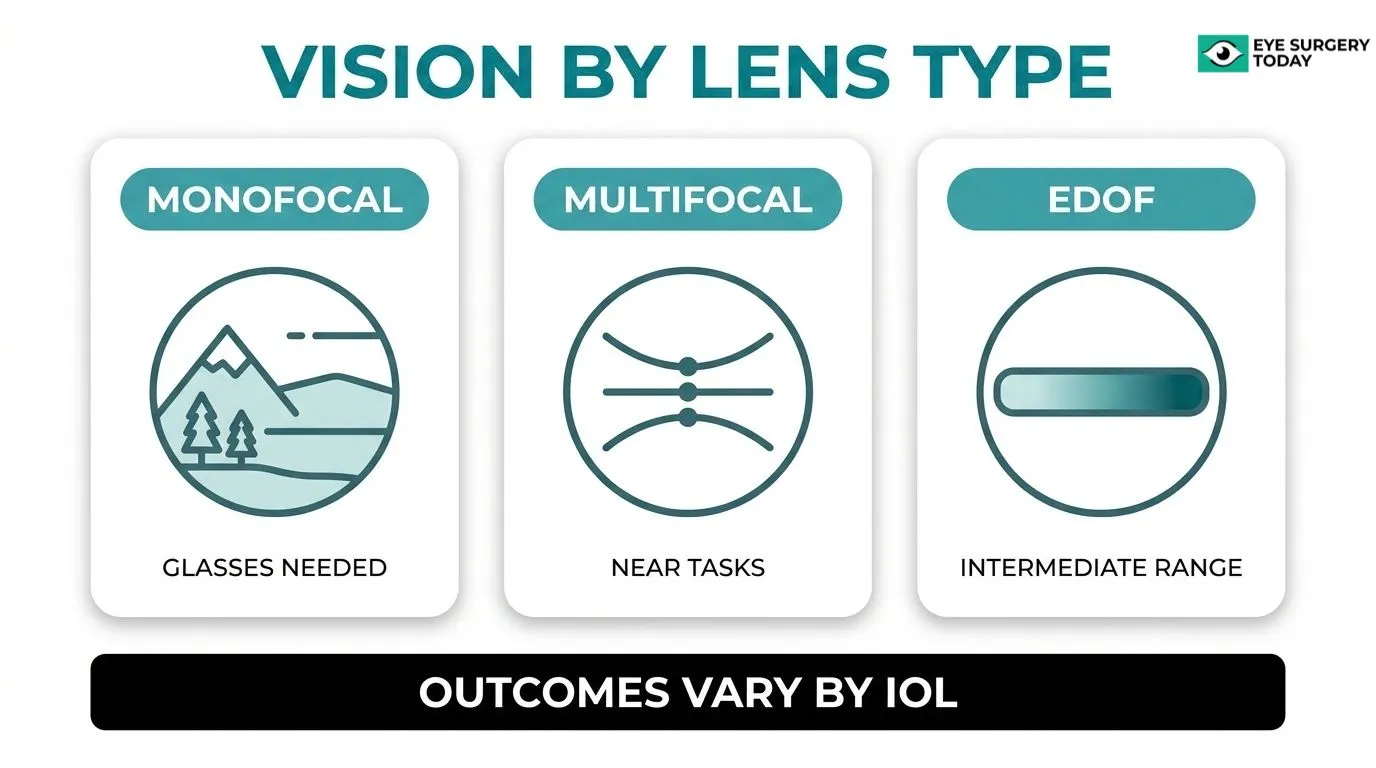
Most patients can see well enough for daily activities like driving without glasses after cataract surgery, though the degree of spectacle independence depends on the type of intraocular lens (IOL) implanted. A monofocal IOL typically provides clear distance vision, while reading glasses may still be needed for close-up tasks. Multifocal and extended depth of focus (EDOF) lenses can reduce dependence on glasses at multiple distances, though they may not eliminate it entirely.
Whether you will need glasses after surgery also depends on factors beyond the lens itself. According to a meta-analysis of 9 studies involving 775 patients published by Sightsavers Research, 37.4% of patients without preexisting dry eye disease developed dry eye after cataract surgery, which can temporarily blur vision and affect perceived visual quality. Posterior capsule opacification, the most common post-surgical complication, may also cloud vision months later. Setting expectations around functional improvement rather than glasses-free perfection leads to greater satisfaction with outcomes.
How Might Vision Differ at Near Distance Versus Far Distance?
Vision may differ at near distance versus far distance based primarily on the IOL selected during cataract surgery. Monofocal lenses optimize one focal point, usually distance, leaving intermediate and near tasks dependent on corrective lenses. Advanced presbyopia-correcting IOLs aim to cover a broader visual range, but performance varies across distances.
At the APAO 2026 congress, surgical masterclass findings indicated that while 86% of patients achieved spectacle independence with advanced lenses, visual acuity was strong but not “perfect” across all distances. A separate meta-analysis of 5 studies involving 672 eyes, published in the Cureus Journal of Medical Science, found no significant clinical difference in distance visual acuity between enhanced monofocal and EDOF IOLs, with a mean difference of only -0.01 logMAR. Pre-existing conditions further complicate the picture; in patients with diabetic retinopathy, corrected distance visual acuity of 20/40 or better was reached in only 80% of eyes with proliferative disease compared to 95% in those without. For most patients, expecting strong distance vision with some trade-offs at near range is more realistic than anticipating uniform clarity at every focal point.
How Long Does It Typically Take for Vision to Stabilize?
Vision typically takes four to six weeks to stabilize after cataract surgery, though noticeable improvement often begins within the first few days. During the initial healing period, mild blurriness, light sensitivity, and fluctuating clarity are common as the eye adjusts to the new artificial lens and post-operative inflammation resolves.
Several factors can extend this timeline. Residual corneal swelling, dry eye symptoms, and the brain’s neuroadaptation to a multifocal or EDOF intraocular lens may prolong the adjustment period for weeks or even months. Patients with pre-existing conditions such as diabetic retinopathy or glaucoma may experience a slower trajectory toward their best achievable acuity. Most ophthalmologists recommend waiting until the eye has fully stabilized before updating any glasses prescription or evaluating the need for a refractive enhancement. Patience during this window is one of the most underappreciated factors in overall satisfaction with cataract surgery results.
Understanding realistic stabilization timelines helps frame expectations before exploring why vision may still feel imperfect.
Why Might Your Vision Still Feel Imperfect After Cataract Surgery?
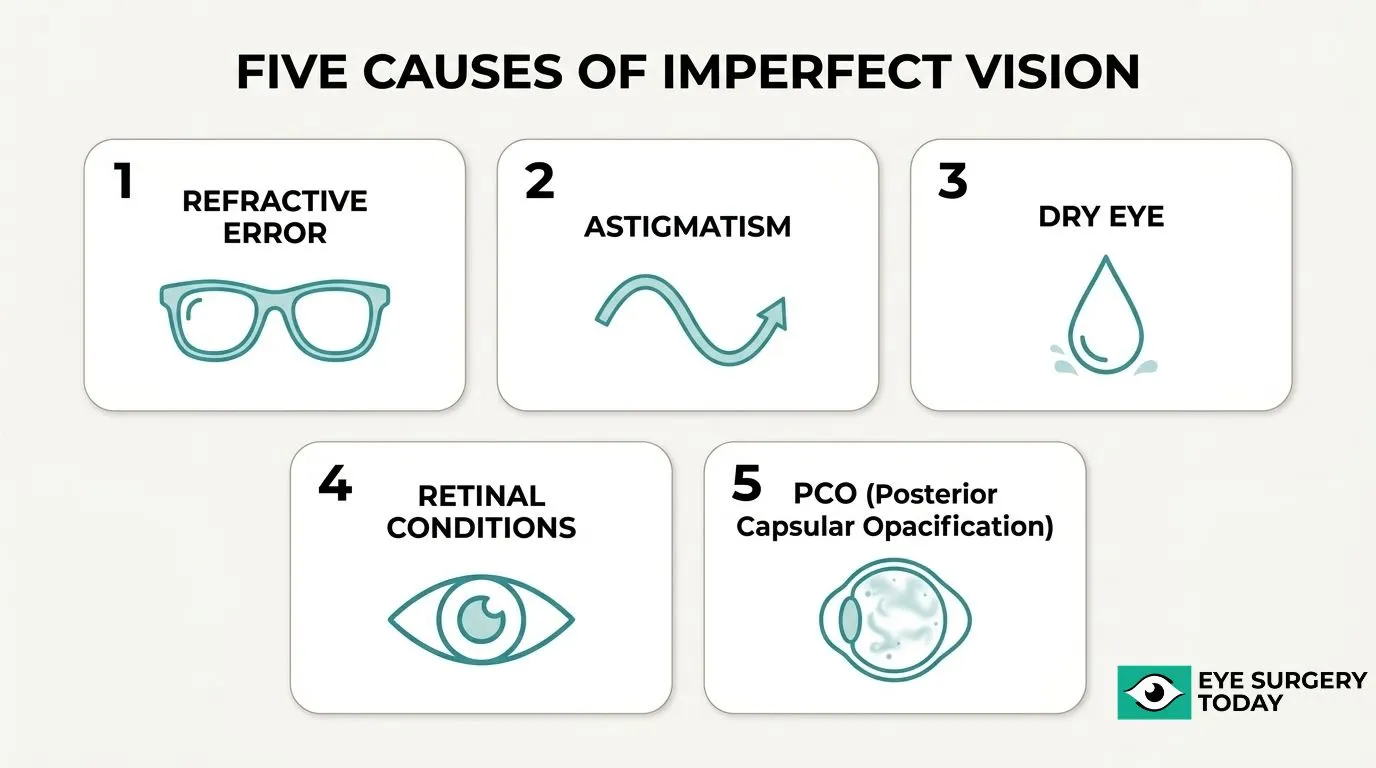
Your vision may still feel imperfect after cataract surgery due to residual refractive error, pre-existing astigmatism, dry eye, coexisting eye conditions, or posterior capsule opacification.
How Can Residual Refractive Error Affect Post-Surgical Clarity?
Residual refractive error can affect post-surgical clarity by leaving a small mismatch between the implanted intraocular lens power and the eye’s actual optical needs. Even with advanced biometry, the final refraction may land slightly off the intended target. This leftover error, whether myopic, hyperopic, or astigmatic, can produce mild blur at certain distances. Glasses, contact lenses, or a laser enhancement procedure may help correct the remaining imbalance. For many patients, this residual error is the single most addressable reason vision feels less than sharp after an otherwise successful procedure.
How Does Pre-Existing Astigmatism Influence Your Outcome?
Pre-existing astigmatism influences your outcome by introducing corneal irregularity that the standard spherical IOL does not fully correct. Uncorrected astigmatism causes light to focus at multiple points rather than a single focal point on the retina, producing directional blur. Toric IOLs can compensate for this, but precise alignment and accurate pre-surgical measurements are critical. According to a 2025 study published in PubMed, anatomical parameters such as lens thickness significantly influence the accuracy of modern IOL power calculation formulas, and their inclusion is necessary for optimizing outcomes in short and normal axial length eyes. Even slight measurement variability may leave enough residual astigmatism to affect perceived clarity.
How May Dry Eye Symptoms Blur Vision After the Procedure?
Dry eye symptoms may blur vision after the procedure by disrupting the tear film that covers the corneal surface. A stable tear film is essential for sharp optical focus; when it breaks down or thins unevenly, light scatters before reaching the retina. Cataract surgery can temporarily reduce tear production and destabilize the ocular surface through corneal nerve disruption and inflammation. Symptoms often include fluctuating vision, grittiness, and light sensitivity. Although typically temporary, dry eye can persist for weeks or months. Lubricating eye drops, punctal plugs, or anti-inflammatory treatments may help restore tear film stability and improve visual comfort during recovery.
How Can Other Eye Conditions Like Macular Degeneration Limit Results?
Other eye conditions like macular degeneration can limit results by impairing the retina’s ability to process the clear image that a new IOL delivers. Cataract surgery removes the clouded lens, but it cannot repair retinal or optic nerve damage caused by conditions such as age-related macular degeneration or glaucoma. According to data from the eCQI Resource Center, the presence of comorbid glaucoma and macular degeneration negatively impacts the likelihood of achieving successful 20/40 or better visual outcomes following cataract surgery. This is why thorough pre-operative evaluation of retinal health is so important; it helps set realistic expectations before the procedure takes place.
What Is Posterior Capsule Opacification and How May It Cloud Vision?
Posterior capsule opacification is a condition in which the thin membrane left behind the intraocular lens becomes cloudy after cataract surgery, gradually reducing visual clarity. Residual lens epithelial cells migrate and proliferate across this capsule, scattering incoming light in a pattern that can mimic the original cataract symptoms. According to a 2025 bibliometric review published in Medicine (Baltimore), PCO remains the most common complication of cataract surgery, with an incidence ranging from 5% to 50% within the first year post-operation. A quick, in-office YAG laser capsulotomy can restore clarity by creating an opening in the opacified capsule. Because PCO develops gradually, patients who notice a slow return of blur months after surgery should discuss this possibility with their eye care provider.
With these factors identified, understanding the broader risks that may affect vision quality provides additional context for setting realistic expectations.
What Are the Potential Risks That May Affect Vision Quality?
The potential risks that may affect vision quality after cataract surgery include photic phenomena, macular swelling, and postoperative infection. Each complication can alter visual recovery in distinct ways.
How Common Is Lingering Glare or Halos After Surgery?
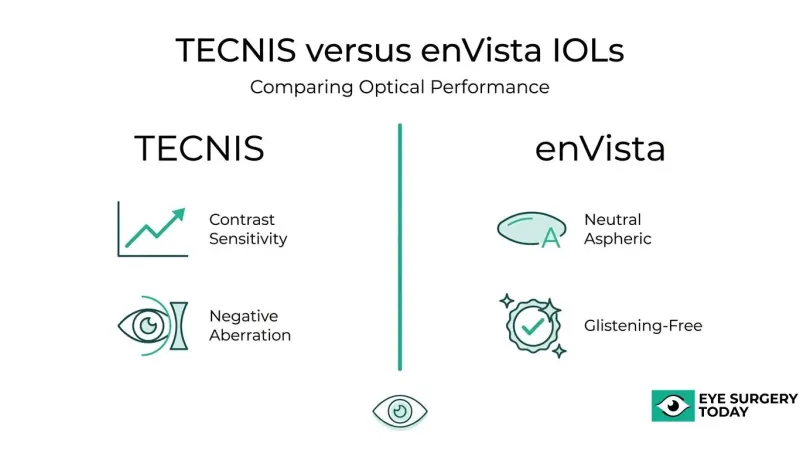
Lingering glare or halos after surgery are among the most frequently reported photic phenomena following cataract lens replacement. These visual disturbances occur when light scatters or diffracts as it passes through the edges of an intraocular lens, creating rings or starbursts around light sources. Multifocal IOLs, because they split light into multiple focal points, tend to produce higher rates of glare and halos compared to monofocal designs. According to a study published in Graefe’s Archive for Clinical and Experimental Ophthalmology, multifocal IOLs may result in higher rates of glare, halos, and reduced contrast sensitivity relative to monofocal lenses. Most patients find that these symptoms diminish over weeks to months as the brain adapts through a process called neuroadaptation. However, for a small percentage of individuals, photic phenomena can persist and meaningfully affect nighttime driving or low-light activities. Discussing lens type preferences with your surgeon before the procedure remains one of the most effective ways to manage this risk.
What Role Does Cystoid Macular Edema Play in Blurred Outcomes?
Cystoid macular edema plays a significant role in blurred outcomes by causing fluid accumulation in the macula, the central area of the retina responsible for sharp detail vision. CME can develop weeks after an otherwise uncomplicated procedure, leading to persistent haziness that does not improve with a new glasses prescription. According to a review in the Expert Review of Ophthalmology, the incidence of clinical cystoid macular edema after simple cataract surgery ranges from 0.1% to 2.35% in recent clinical data. While these rates are relatively low, CME is one of the more common causes of unexplained visual dissatisfaction during recovery. Anti-inflammatory eye drops, typically prescribed after surgery, help reduce this risk. When CME does occur, it often responds well to targeted treatment with nonsteroidal anti-inflammatory or corticosteroid drops. Prompt evaluation is important if vision worsens or plateaus several weeks post-surgery.
How Might Infection or Inflammation Alter Your Visual Recovery?
Infection or inflammation may alter your visual recovery by damaging delicate intraocular structures during the critical healing window after cataract surgery. Endophthalmitis, a severe infection inside the eye, represents the most serious infectious risk. Though rare, it can cause rapid vision loss if not treated immediately with intravitreal antibiotics. Sterile inflammation, which occurs without bacterial involvement, is more common and can produce symptoms such as light sensitivity, redness, and blurred vision during the first days to weeks of recovery. Adhering to the prescribed postoperative drop regimen of antibiotics and anti-inflammatory medications significantly lowers both risks. Any sudden increase in pain, floaters, or vision decline warrants urgent contact with your surgical team.
With these surgical risks in perspective, your choice of intraocular lens also plays a central role in shaping outcomes.
How Does Your Choice of Intraocular Lens Influence Results?
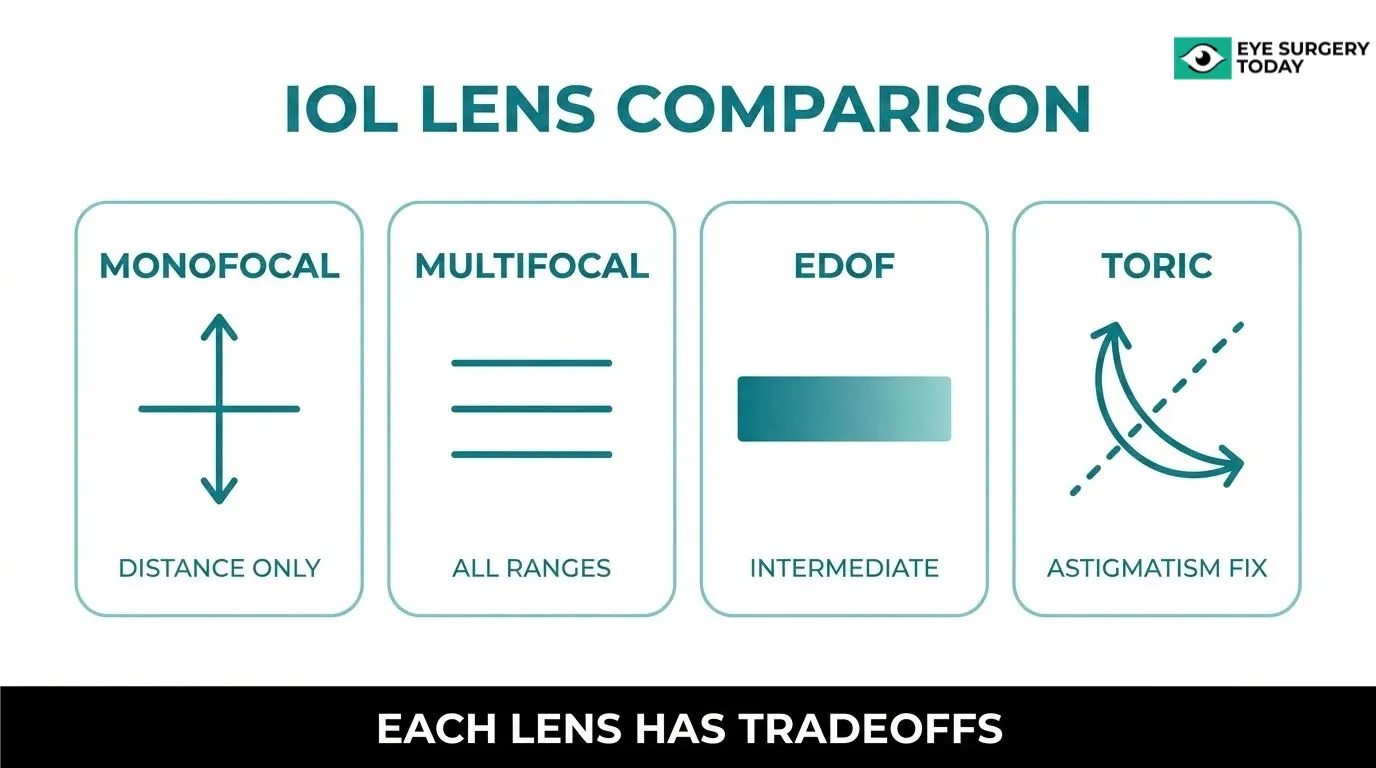
Your choice of intraocular lens (IOL) directly influences how you see at different distances after cataract surgery. Each lens type involves specific trade-offs in clarity, range of focus, and photic phenomena.
What Vision Trade-Offs Come With a Monofocal Lens?
The vision trade-offs that come with a monofocal lens center on excellent clarity at one fixed distance, typically far, while requiring glasses for near and intermediate tasks. Monofocal IOLs remain the standard for single-focus vision with low photic phenomena, meaning patients experience minimal glare and halos compared to premium alternatives.
This reliability comes at a cost. Because a monofocal lens cannot adjust focus, reading menus, using a phone, or working at a computer will likely still require spectacle correction. According to a study published in Graefe’s Archive for Clinical and Experimental Ophthalmology, multifocal IOLs are associated with a significant increase in spectacle independence and improved near vision compared to monofocal IOLs, though they may result in higher rates of glare and halos.
For patients who prioritize crisp distance vision and tolerate wearing reading glasses, a monofocal lens often delivers the most predictable optical quality.
How May a Multifocal Lens Affect Contrast and Night Vision?
A multifocal lens may affect contrast and night vision by splitting incoming light across multiple focal points. This design enables near, intermediate, and distance focus within a single implant, but the trade-off is a reduction in the amount of light dedicated to any single focal zone.
Reduced contrast sensitivity can make it harder to distinguish objects in low-light settings or against similarly shaded backgrounds. Photic phenomena, particularly glare and halos around headlights or streetlights, are more common with multifocal IOLs than with monofocal designs. While neuroadaptation often reduces these symptoms over weeks to months, some patients find that nighttime driving remains more challenging than expected.
Candidates who frequently drive at night or work in dimly lit environments should discuss these potential visual disturbances with their surgeon before selecting a multifocal implant.
What Should You Know About Toric Lenses and Astigmatism Correction?
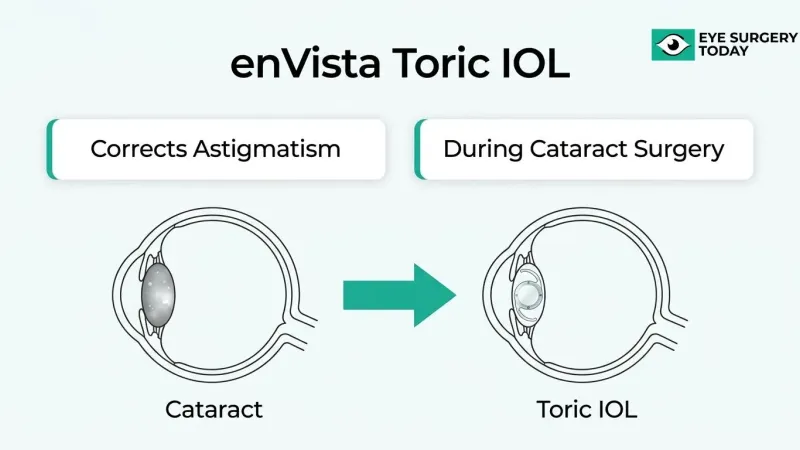
What you should know about toric lenses is that they are specifically designed to correct pre-existing corneal astigmatism during cataract surgery. A toric IOL has different optical powers along two meridians, which compensates for the irregular curvature that causes blurred or distorted vision.
Precise alignment is critical. If the lens rotates even slightly from its intended axis after implantation, the astigmatism correction may be incomplete, potentially requiring a repositioning procedure. Accurate preoperative measurements of corneal curvature and astigmatism magnitude help the surgeon select the appropriate toric power and placement.
Toric lenses are available in monofocal, multifocal, and extended depth of focus configurations, so patients with astigmatism are not limited to a single focal strategy.
How Do Extended Depth of Focus Lenses Differ in Outcome?
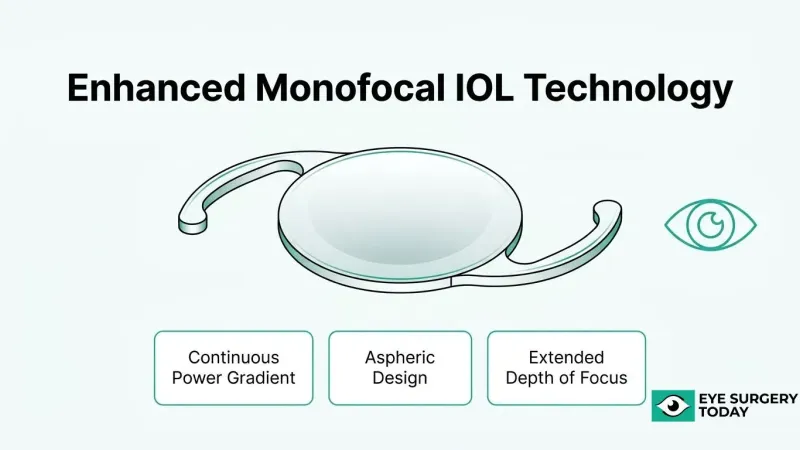
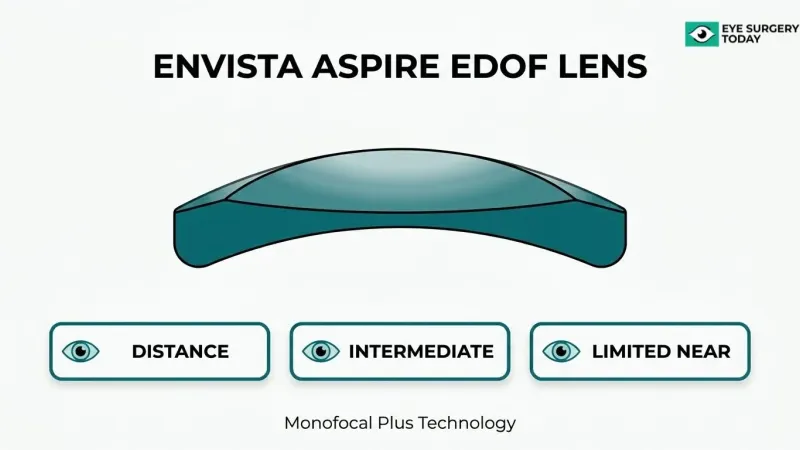
Extended depth of focus (EDOF) lenses differ in outcome by elongating a single focal point rather than splitting light into multiple distinct zones. This design provides a continuous range of vision from distance through intermediate, with fewer glare and halo complaints compared to traditional multifocal IOLs.
According to a 2025 systematic review and meta-analysis published in Cureus involving 672 eyes, there was no significant clinical difference in uncorrected and corrected distance visual acuity between enhanced monofocal and EDOF IOLs. However, a higher proportion of patients in EDOF groups report spectacle independence for intermediate tasks, such as computer work.
Near vision, particularly fine print reading, may still require glasses with an EDOF lens. The practical advantage lies in the broader functional range with lower photic disturbance, making EDOF a middle-ground option for patients seeking reduced glasses dependence without the contrast trade-offs of a multifocal design.
Understanding how each lens type shapes visual outcomes helps clarify what role surgical precision plays in who achieves the best results.
Who Is Most Likely to Achieve Excellent Vision After Cataract Surgery?
Patients most likely to achieve excellent vision after cataract surgery have healthy eyes, accurate biometry, and no comorbid conditions. The following subsections cover eye health, pre-surgical measurements, and pre-existing conditions.
How Does Overall Eye Health Before Surgery Predict Your Outcome?
Overall eye health before surgery predicts your outcome by establishing the baseline condition of the retina, optic nerve, and cornea. A healthy macula, clear cornea, and stable tear film allow the new intraocular lens to perform as intended. When these structures are compromised, even a technically flawless procedure may fall short of expectations.
According to Ophthalmology Times Europe, up to 35% of patients report dissatisfaction following cataract surgery despite achieving 20/20 visual acuity, often due to factors beyond simple vision restoration. This underscores how overall ocular health, not just the lens replacement itself, determines whether a patient perceives their result as excellent. Patients with minimal ocular surface disease and no retinal pathology consistently report the highest satisfaction. A thorough preoperative eye exam remains one of the most reliable predictors of a successful outcome.
Why Do Accurate Pre-Surgical Measurements Matter So Much?
Accurate pre-surgical measurements matter so much because intraocular lens power depends on precise biometry of the eye’s unique dimensions. Small measurement errors in axial length, corneal curvature, or anterior chamber depth can produce a refractive surprise, leaving the patient with unexpected blur after surgery.
Modern biometric technologies have significantly improved this process. Swept-source optical coherence tomography (SS-OCT) devices now achieve high refractive accuracy, with 97.7% of eyes falling within ±1.00 diopter of the target spherical equivalent, according to a 2025 study published in the Journal of Clinical Medicine. Anatomical parameters such as lens thickness also influence formula accuracy, particularly in eyes with short or normal axial lengths. When surgeons account for these variables, the likelihood of hitting the intended refractive target increases substantially. Skipping or undervaluing any single measurement is one of the most preventable causes of a suboptimal result.
What Pre-Existing Conditions May Lower Your Chances of Clear Vision?
Pre-existing conditions that may lower your chances of clear vision include:
- Glaucoma: Optic nerve damage can limit visual potential regardless of lens clarity.
- Macular degeneration: Central retinal changes may reduce achievable acuity.
- Diabetic retinopathy: Retinal vascular changes compromise post-surgical outcomes.
- Dry eye disease: Ocular surface instability can cause fluctuating or blurred vision.
Diabetic retinopathy illustrates this clearly. According to Modern Retina, corrected distance visual acuity of 20/40 or higher was reached in only 80% of eyes with proliferative diabetic retinopathy, compared to 95% in those with no retinopathy. Glaucoma and macular degeneration similarly reduce the likelihood of achieving 20/40 or better results. Identifying these conditions before surgery helps ophthalmologists set appropriate expectations and, when possible, optimize treatment of underlying disease first.
Understanding which candidates benefit most from cataract surgery helps frame what to do when results fall short of expectations.
What Can You Do If Vision Is Not What You Expected After Surgery?
If vision is not what you expected after surgery, you can contact your surgeon for evaluation, use a glasses prescription to correct mild residual blur, or explore a lens enhancement or exchange procedure. The right approach depends on the type and severity of the visual issue.
When Should You Contact Your Surgeon About Unsatisfactory Vision?
You should contact your surgeon about unsatisfactory vision when blurriness, distortion, or visual disturbances persist beyond the expected healing window or worsen over time. Most ophthalmologists advise waiting several weeks for vision to stabilize before drawing conclusions, since fluctuations during early recovery are common.
Certain symptoms, however, warrant prompt evaluation:
- Sudden vision loss or a significant decline in clarity
- New flashes of light or a shower of floaters
- Increasing pain, redness, or light sensitivity
- Persistent halos or glare that interfere with daily tasks
Even milder concerns deserve attention if they remain unchanged after the initial recovery period. A thorough post-operative exam can determine whether the issue stems from residual refractive error, dry eye, posterior capsule opacification, or another treatable cause. Early communication with your surgical team often leads to simpler corrective options.
How May a Glasses Prescription Fine-Tune Remaining Blur?
A glasses prescription may fine-tune remaining blur by correcting small residual refractive errors that the intraocular lens alone does not fully address. Even with precise biometry and advanced IOL technology, minor degrees of nearsightedness, farsightedness, or astigmatism can persist after cataract surgery.
For many patients, a lightweight pair of glasses provides a practical, low-risk solution. Reading glasses may be needed for close work, particularly with monofocal lenses set for distance. In some cases, a mild distance correction sharpens clarity for activities like night driving. This non-surgical option is often the most straightforward path to comfortable, functional vision, especially when the residual error is small and the patient prefers to avoid additional procedures.
What Is a Lens Enhancement or Exchange Procedure?
A lens enhancement or exchange procedure is a secondary surgical intervention performed to improve visual outcomes when the initial intraocular lens does not deliver the expected refractive result. Enhancement typically involves a laser vision correction procedure, such as LASIK or PRK, applied over the existing IOL to fine-tune focus. Lens exchange, by contrast, involves removing and replacing the implanted IOL with one of different power or design.
According to a 2025 EyeWorld report, refractive enhancement rates typically range from 10% to 12% in practices that closely track outcomes for patients receiving advanced IOL implants. While laser enhancement carries a risk profile similar to standard refractive surgery, IOL exchange is more complex. Approximately 19% of patients may require further surgical intervention following an initial lens exchange, making careful candidate selection essential. Your ophthalmologist may recommend one approach over the other based on timing, the degree of refractive error, and overall eye health.
With corrective options available, surgeon-reviewed education can help you navigate these decisions confidently.
How Can Surgeon-Reviewed Education Help You Set Realistic Expectations?
Surgeon-reviewed education can help you set realistic expectations by grounding your understanding in clinical benchmarks rather than assumptions. The sections below cover how Eye Surgery Today prepares you for cataract surgery decisions and the key takeaways about the myth of perfect vision.
Can Eye Surgery Today Help You Prepare for Cataract Surgery Decisions?
Yes, Eye Surgery Today can help you prepare for cataract surgery decisions by providing surgeon-reviewed content that translates clinical data into clear, actionable guidance. Understanding what “success” actually means in clinical terms is one of the most important steps before choosing surgery.
The medical standard for successful cataract surgery is 20/40 visual acuity, not 20/20. This threshold is based on its requirement for unrestricted driving in the US, its consistent use by the FDA for IOL assessment, and its established role as the literature benchmark. According to the American Academy of Ophthalmology, 85.5% to 94.7% of patients achieve 20/40 or better visual acuity following uncomplicated cataract surgery, based on data from approximately 3 million procedures.
Yet even with strong acuity results, RayPro database findings indicate that patient dissatisfaction is often linked to visual disturbances that grow in clinical significance over time. Knowing this gap between measurable acuity and perceived visual quality is exactly the kind of insight that prevents unrealistic expectations. Eye Surgery Today builds every educational resource around these evidence-based realities so you can approach your consultation already informed.
What Are the Key Takeaways About the Myth of Perfect Vision After Cataract Surgery?
The key takeaways about the myth of perfect vision after cataract surgery center on three realities:
- Clinical success does not equal perfection. The standard benchmark is 20/40 visual acuity, which most patients achieve, but 20/20 vision is not guaranteed for everyone.
- Lens choice involves trade-offs. Monofocal, multifocal, toric, and EDOF IOLs each prioritize different visual ranges, and no single lens delivers flawless sight at every distance.
- Pre-existing conditions and complications shape individual outcomes. Factors such as dry eye, posterior capsule opacification, macular degeneration, and astigmatism can all influence final visual quality.
The most practical lesson is this: patients who enter surgery understanding these variables tend to report greater satisfaction than those expecting perfection. Surgeon-reviewed education from Eye Surgery Today exists to close that knowledge gap, helping you have more productive conversations with your ophthalmologist and make confident, informed decisions about your vision.