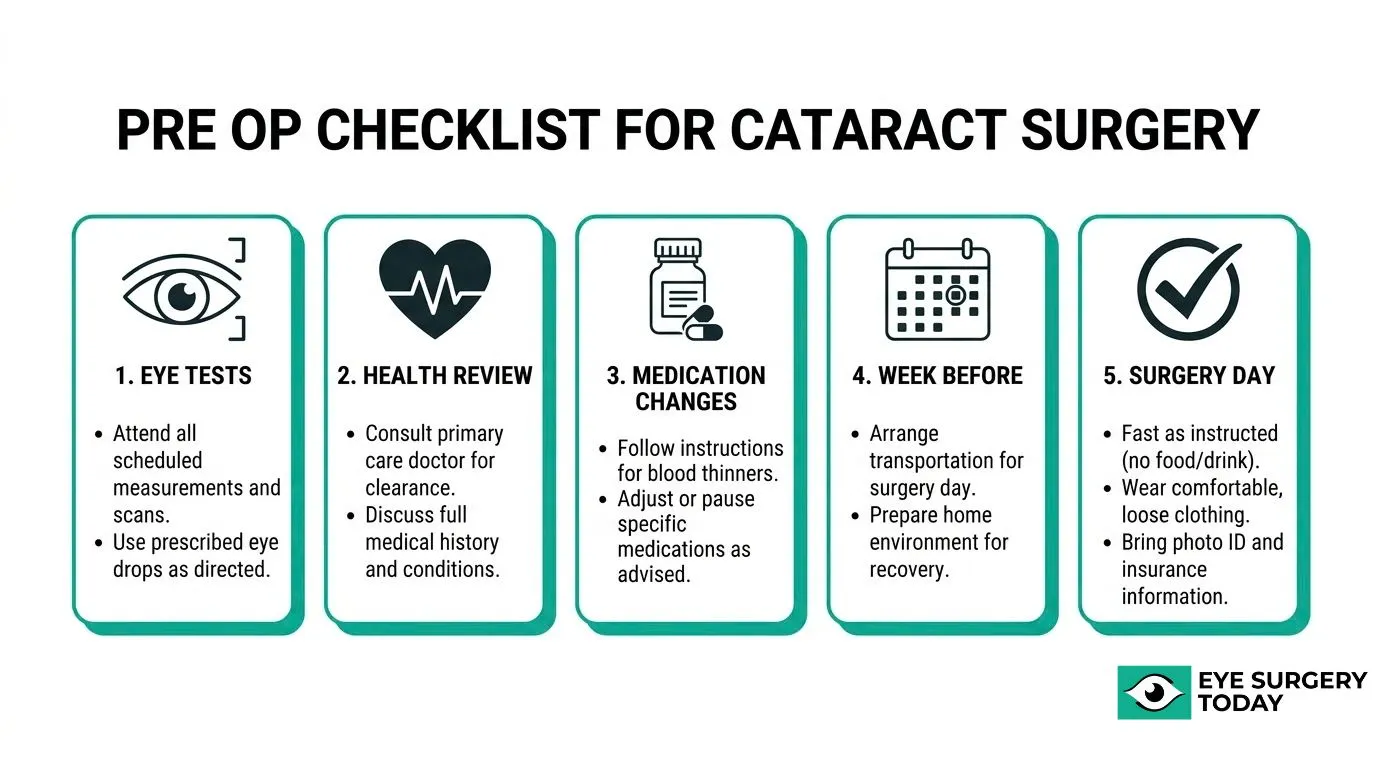
A cataract surgery pre-op checklist is a set of medical evaluations, diagnostic tests, medication reviews, and logistical steps that must be completed and passed before a surgeon will clear you for the procedure.
This guide covers the pre-op evaluation process, required diagnostic and systemic health tests, eye conditions and systemic diseases that may delay surgery, medication and supplement restrictions, pre-surgery instructions and hygiene protocols, logistical preparation, and questions to ask your surgeon before the procedure.
We explain what happens at the pre-op appointment, how risk stratification and biometry measurements determine your surgical plan, and what occurs if you do not pass the initial evaluation.
Ocular diagnostics, including optical biometry, corneal topography, endothelial cell count, and OCT macular imaging, each play a specific role in confirming IOL suitability and detecting conditions that may limit visual recovery.
Conditions such as uncontrolled glaucoma, active dry eye disease, diabetic retinopathy, macular degeneration, and corneal diseases like keratoconus or Fuchs dystrophy can each delay or modify your surgical timeline until they are stabilized.
Systemic health clearance requires meeting specific thresholds for blood glucose, blood pressure, and anticoagulant management, while obstructive sleep apnea may need separate evaluation before sedation is considered safe.
Medication adjustments for alpha-blockers, blood thinners, herbal supplements, and certain OTC drugs follow surgeon-directed timelines, and pre-surgery instructions cover fasting rules, prescribed eye drop regimens, and skincare restrictions.
We also cover the logistical essentials (arranging a driver, preparing your recovery space, gathering required documents) and the IOL, risk, and post-op care questions that are most valuable to raise at your pre-op visit.
What Is a Cataract Surgery Pre-Op Evaluation and Why Does It Matter?
A cataract surgery pre-op evaluation is a structured assessment that examines your eye health, systemic health, and surgical risk before your procedure is scheduled. The following sections explain what happens at the appointment, why clearance is required, and what occurs if you do not pass.
What Happens During a Cataract Surgery Pre-Op Appointment?
A cataract surgery pre-op appointment is a specialist visit during which your eye is examined, measured, and assessed for surgical risk. According to the NHS, this appointment includes examination and precise measurement of your eye to prepare for lens selection and surgical planning.
Risk stratification is a formal part of this process. The National Institute for Health and Care Excellence (NICE) recommends using a validated risk stratification algorithm for all patients referred for cataract surgery, with results explained directly to the patient so they can factor this into their decision-making.
For patients with diabetes, blood glucose control is also reviewed. The Centre for Perioperative Care reports that 15% of patients with a documented preoperative HbA1c show suboptimal glycaemic management above 8.5%, which is associated with infections, poor wound healing, and longer hospital stays.
Why Do Surgeons Require Pre-Op Clearance Before Cataract Surgery?
Pre-op clearance is required before cataract surgery because it ensures the eye and body are in a safe condition to proceed and that the correct intraocular lens (IOL) is selected. Without clearance measurements, surgeons cannot calculate IOL power accurately or anticipate complications during the procedure.
Clearance also enables the surgeon to match the IOL type to the patient’s corneal profile. The European Society of Cataract and Refractive Surgeons (ESCRS) recommends toric IOLs for eyes with corneal astigmatism of 1.0D or more, with strong evidence supporting their use above 2.0D. This determination is only possible through pre-op evaluation. Pre-op clearance is, in practical terms, the foundation upon which surgical success is built.
What Happens If You Fail the Pre-Op Evaluation?
If you fail the pre-op evaluation, your surgery is delayed until the identified issues are investigated and treated. Hull University Teaching Hospitals NHS Trust advises that patients with concerning test results are referred to their general practitioner, and those with poor general health must have any problems addressed before surgery can proceed.
Failure does not mean permanent disqualification. Common reasons for delay include uncontrolled blood glucose, elevated blood pressure, or untreated eye conditions that increase surgical risk. Once those issues are resolved and confirmed through follow-up assessment, clearance can be granted and surgery rescheduled.
What Medical Tests Are Required Before Cataract Surgery?
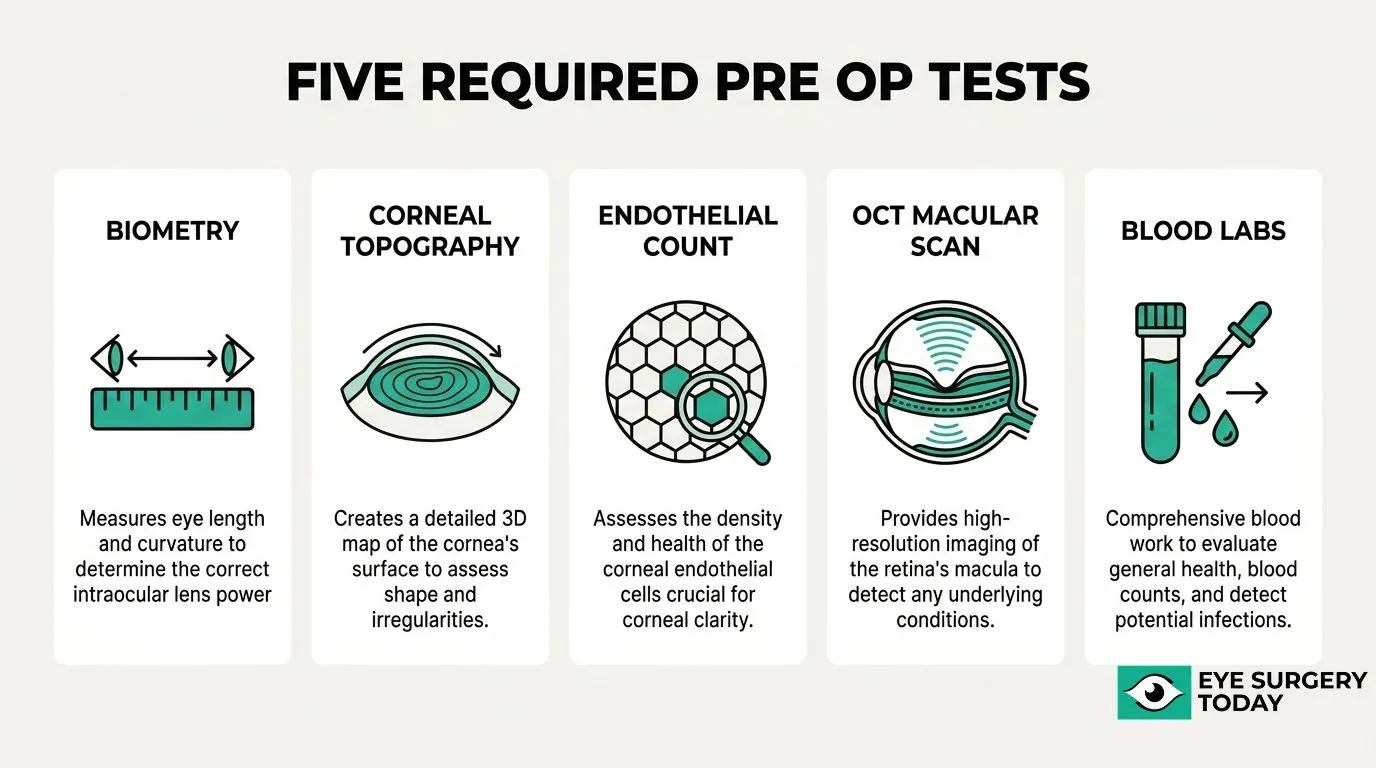
The medical tests required before cataract surgery assess both ocular anatomy and general health, ensuring accurate IOL selection and safe surgical conditions. The key tests include biometry, corneal topography, endothelial cell count, OCT macular imaging, and systemic blood labs.
What Does the Biometry Measurement Test Check Before Surgery?
The biometry measurement test checks the physical dimensions of the eye needed to calculate the correct IOL power. According to Harvard Ophthalmology, optical biometry measures axial length, corneal keratometry, anterior chamber depth, and related parameters to determine the appropriate intraocular lens power for each patient.
These measurements directly determine the refractive outcome of surgery. An error in biometry can result in residual myopia or hyperopia after the procedure, which is why this step is considered the most critical pre-surgical calculation.
What Does a Corneal Topography Scan Reveal Pre-Op?
A corneal topography scan reveals the shape and curvature of the corneal surface before surgery. According to a study published in Ophthalmology (American Academy of Ophthalmology journal), corneal topography can detect regular astigmatism, irregular astigmatism including higher-order aberrations such as spherical aberration, and corneal shape abnormalities from prior refractive surgery.
This information is essential for selecting the right IOL type, particularly toric lenses, and for identifying corneal irregularities that could compromise visual outcomes.
What Does an Endothelial Cell Count Test Determine?
The endothelial cell count test determines whether the cornea has enough healthy cells to withstand surgical stress. According to BMC Ophthalmology (Springer Nature), normal adults have 1,400 to 2,500 corneal endothelial cells per mm², and patients with low cell density combined with cataracts are often considered high-risk or intractable cases.
Because phacoemulsification can reduce endothelial cell density, surgeons use this measurement to assess risk and, when necessary, modify their surgical technique.
What Does an Optical Coherence Tomography Scan Show Pre-Op?
An optical coherence tomography (OCT) scan shows the structural health of the macula and retina before cataract surgery. A review published in Eye (Nature Portfolio) found that adding OCT macular screening detected preoperative macular pathology in 13.7% of eyes across nine studies, despite those eyes appearing normal on fundoscopic examination alone.
This makes OCT particularly valuable for identifying subclinical conditions, such as epiretinal membranes or macular degeneration, that would limit visual recovery even after a technically successful cataract procedure.
What Blood Tests or Systemic Health Labs Are Required Before Surgery?
The blood tests required before cataract surgery typically include a complete blood count, blood glucose or HbA1c, and coagulation studies, depending on the patient’s medical history. According to Hull University Teaching Hospitals NHS Trust, abnormal results from these tests may require GP consultation and treatment before surgery can proceed.
Patients taking omega-3 supplements should also be aware that, per the National Center for Complementary and Integrative Health (NIH), these supplements may interact with blood-clotting medications and extend bleeding time, which is clinically relevant information to disclose before any surgical procedure.
What Eye Conditions Can Disqualify You From Cataract Surgery?
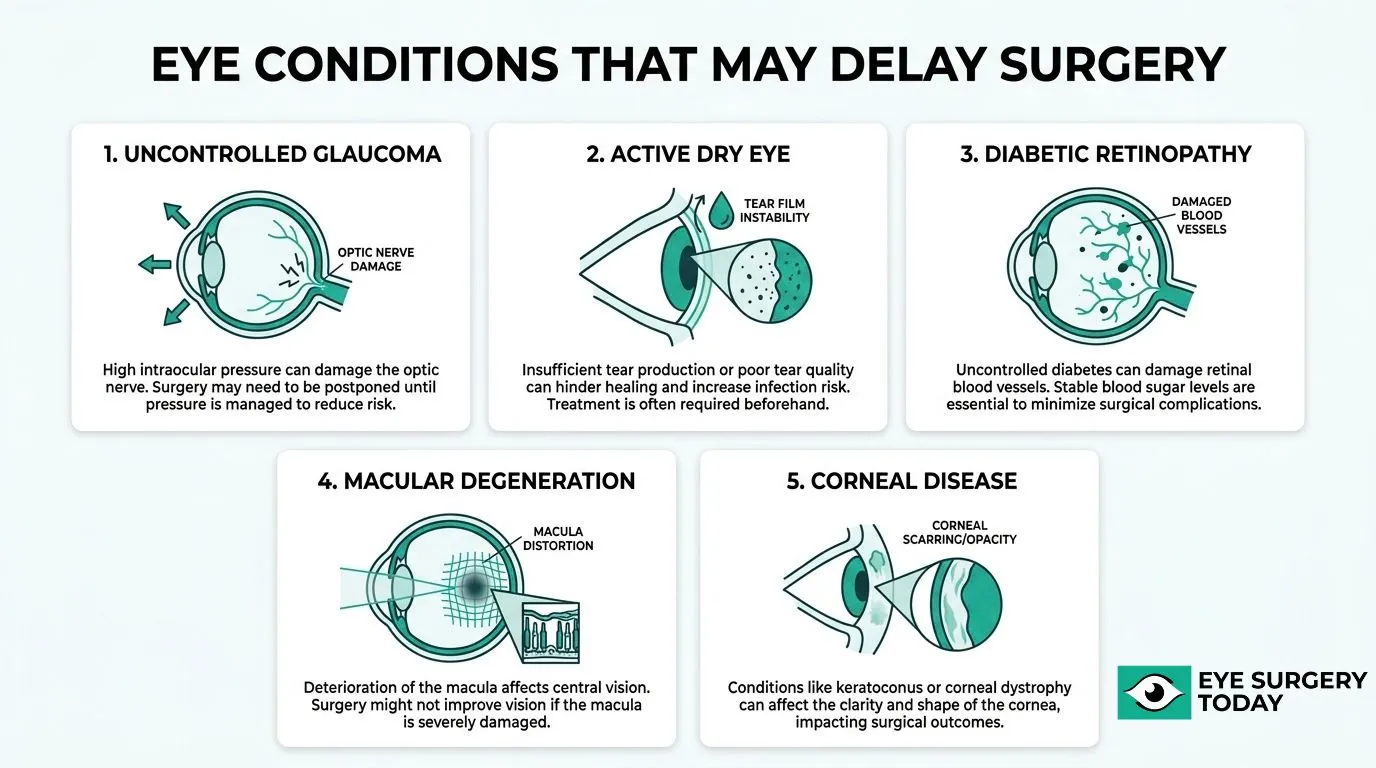
Several eye conditions can delay or disqualify you from cataract surgery, including uncontrolled glaucoma, active dry eye disease, diabetic retinopathy, macular degeneration, and corneal diseases such as keratoconus or Fuchs dystrophy.
Does Uncontrolled Glaucoma Disqualify You From Cataract Surgery?
Uncontrolled glaucoma can disqualify you from cataract surgery, though controlled glaucoma typically does not. According to Oregon Health & Science University’s Casey Eye Institute, uncontrolled glaucoma is a progressive disease characterized by increased cupping over time, meaning active optic nerve damage must be stabilized before elective lens removal is considered safe. Surgeons generally require intraocular pressure to be well-managed before proceeding. In some cases, combined glaucoma and cataract procedures may be planned together, but the decision depends on disease severity and how well pressure responds to existing treatment.
Does Active Dry Eye Disease Affect Your Pre-Op Clearance?
Active dry eye disease affects your pre-op clearance because an unstable tear film can compromise biometry measurements and increase post-surgical inflammation risk. Clinicians use diagnostic thresholds, including a non-invasive tear breakup time under 10 seconds and tear film hyperosmolarity at or above 308 mOsm/L, to confirm disease presence before surgery. Moderate-to-severe dry eye disease typically requires treatment and stabilization first. Corneal diseases such as Fuchs dystrophy may compound this concern; according to Mayo Clinic, Fuchs dystrophy causes fluid to build up in the cornea, leading to swelling, glare, and blurred vision that can worsen outcomes if not addressed pre-operatively.
Does Diabetic Retinopathy Affect Your Eligibility for Cataract Surgery?
Diabetic retinopathy affects your eligibility for cataract surgery based on its severity and stability at the time of evaluation. According to EyeWiki from the American Academy of Ophthalmology, severe nonproliferative diabetic retinopathy is defined by the “4-2-1 rule”: four quadrants of diffuse retinal hemorrhages, two or more quadrants of venous beading, or one or more quadrants of intraretinal microvascular anomalies. Patients with active proliferative disease or significant macular edema are generally advised to stabilize retinal status before cataract surgery is scheduled. Mild-to-moderate nonproliferative retinopathy, by contrast, may not delay surgery if the ophthalmologist confirms the retina is stable.
Does Macular Degeneration Disqualify You From Cataract Surgery?
Macular degeneration does not automatically disqualify you from cataract surgery, but it significantly affects expected visual outcomes and surgical timing. According to the National Eye Institute, most people with age-related macular degeneration (AMD) have dry AMD, which progresses through early, intermediate, and late stages as the macula thins with age. Patients with early or intermediate dry AMD may proceed with surgery, while those with late AMD or active wet AMD require careful counseling, as removing the cataract will not restore vision lost to retinal damage. Surgeons typically order optical coherence tomography to assess macular status before confirming surgical eligibility.
Can a Corneal Disease Prevent You From Getting Cataract Surgery?
Corneal disease can prevent you from getting cataract surgery if the cornea is too irregular or structurally compromised to support safe phacoemulsification or accurate IOL power calculation. Conditions such as keratoconus, which the University of Iowa Health Care describes as an irregular protrusion of the cornea over the colored part of the eye, distort topography measurements and make standard IOL selection unreliable. Fuchs dystrophy presents a separate concern, as pre-existing low endothelial cell counts raise the risk of corneal decompensation following surgery. Surgeons evaluate corneal health through topography, endothelial cell count, and pachymetry before clearing a patient for surgery.
What Systemic Health Conditions Must Be Controlled Before Cataract Surgery?
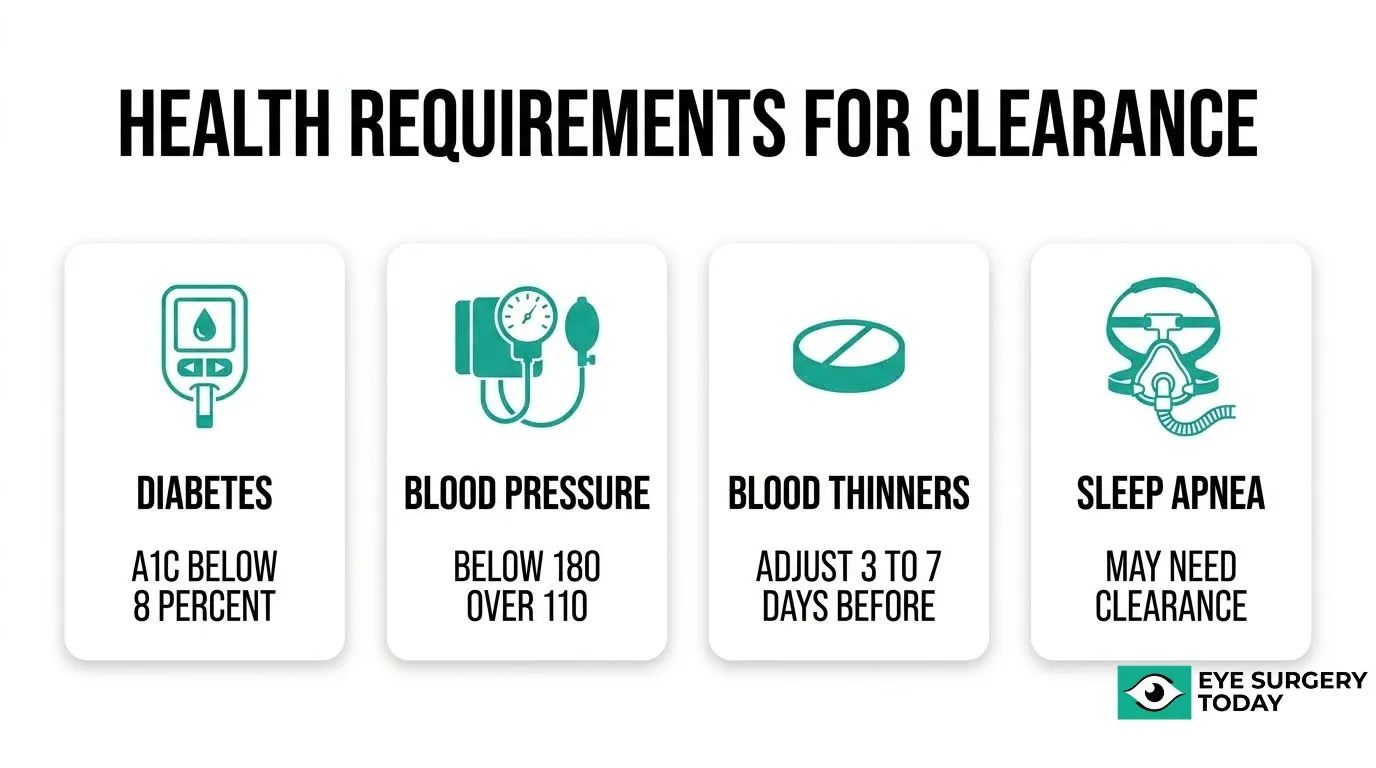
Several systemic health conditions must be controlled before cataract surgery, including diabetes, high blood pressure, blood clotting disorders managed with anticoagulants, and obstructive sleep apnea. Each condition carries specific clearance thresholds that surgeons and anesthesiologists assess during the pre-op evaluation.
Does Uncontrolled Diabetes Affect Cataract Surgery Clearance?
Yes, uncontrolled diabetes does affect cataract surgery clearance. The American Diabetes Association’s 2025 Standards of Care specify that the HbA1c goal for elective surgeries should be below 8% (64.0 mmol/L) whenever possible. Suboptimal glycemic control is associated with hypoglycemia, hyperglycemia, infection risk, poor wound healing, and extended hospital stay. Patients with HbA1c above this threshold may need to work with their primary care physician or endocrinologist to bring blood sugar under control before a surgery date can be confirmed. From a practical standpoint, addressing diabetes management weeks before the procedure, rather than days before, gives the best chance of meeting clearance criteria.
Does High Blood Pressure Need to Be Managed Before Surgery?
Yes, high blood pressure needs to be managed before cataract surgery, with specific numeric thresholds guiding the decision. According to the British Journal of Anaesthesia, patients with systolic blood pressure below 180 mm Hg and diastolic below 110 mm Hg may proceed to elective cataract surgery. Patients with readings at or above these thresholds may face a small but increased risk of perioperative cardiovascular and neurological events. Surgery is typically postponed until blood pressure is brought within the acceptable range through medication adjustment or lifestyle management, coordinated with the patient’s primary care provider.
Do Blood Thinners or Anticoagulants Need to Be Adjusted Pre-Op?
Yes, blood thinners and anticoagulants typically need to be adjusted before cataract surgery. The American College of Chest Physicians recommends stopping warfarin at least 5 days before an elective procedure. For P2Y12 inhibitors, the 2022 ESC Guidelines advise discontinuation intervals of 3 to 5 days for ticagrelor, 5 days for clopidogrel, and 7 days for prasugrel. Critically, patients should never stop anticoagulants independently; the surgeon and prescribing physician must coordinate any changes to avoid thromboembolic risk during the perioperative period.
Does Sleep Apnea Require Clearance Before Cataract Surgery?
Yes, obstructive sleep apnea (OSA) may require clearance before cataract surgery, depending on its severity and whether it has been previously diagnosed. According to the American Society of Anesthesiologists Practice Guidelines for the Perioperative Management of Patients with Obstructive Sleep Apnea, when preoperative evaluation suggests OSA, the anesthesiologist and surgeon must jointly decide whether to manage the patient on clinical criteria alone or to pursue sleep studies, a more extensive airway examination, and treatment before proceeding with surgery. Unmanaged OSA introduces airway and sedation risks that can complicate even a short, outpatient procedure like cataract surgery. Disclosing any history of snoring, apnea episodes, or CPAP use at the pre-op visit allows the care team to plan the safest anesthetic approach.
What Medications Must You Stop Before Cataract Surgery?
Medications that may need to be stopped before cataract surgery include alpha-blockers, certain eye drops, and over-the-counter supplements. The following sub-sections cover which drug categories require adjustment and how far in advance.
Why Must You Stop Alpha-Blocker Medications Before Cataract Surgery?
Alpha-blocker medications must be stopped before cataract surgery because they are associated with intraoperative floppy iris syndrome (IFIS), a complication involving iris billowing, progressive miosis, and iris prolapse through surgical wounds. According to a peer-reviewed review published in the Annals of Translational Medicine, IFIS is closely associated with tamsulosin, the most commonly used alpha-1 adrenoceptor antagonist prescribed for benign prostatic hyperplasia (BPH).
However, the decision to stop is not straightforward. The FDA’s FLOMAX prescribing information states that the benefit of stopping alpha-1 blocker therapy prior to cataract surgery has not been established. Your surgeon should be informed of any alpha-blocker use well before your scheduled date, as the iris sensitivity may persist even after discontinuation.
Never stop any prescription medication without your surgeon’s explicit instruction.
Which Eye Drops Must You Avoid Before Your Surgery Date?
The eye drops you must avoid before your surgery date are those not prescribed as part of your pre-operative regimen. Guy’s and St Thomas’ NHS Foundation Trust advises patients not to stop any regular medicines, including eye drops, unless the surgeon specifically instructs otherwise.
Your surgical team will clarify which drops to continue and which to pause. Drops you are already using for conditions such as glaucoma should generally be maintained unless told otherwise. Unauthorized changes to your eye drop routine can affect intraocular pressure and surgical outcomes.
Do Over-the-Counter Supplements Need to Be Stopped Pre-Op?
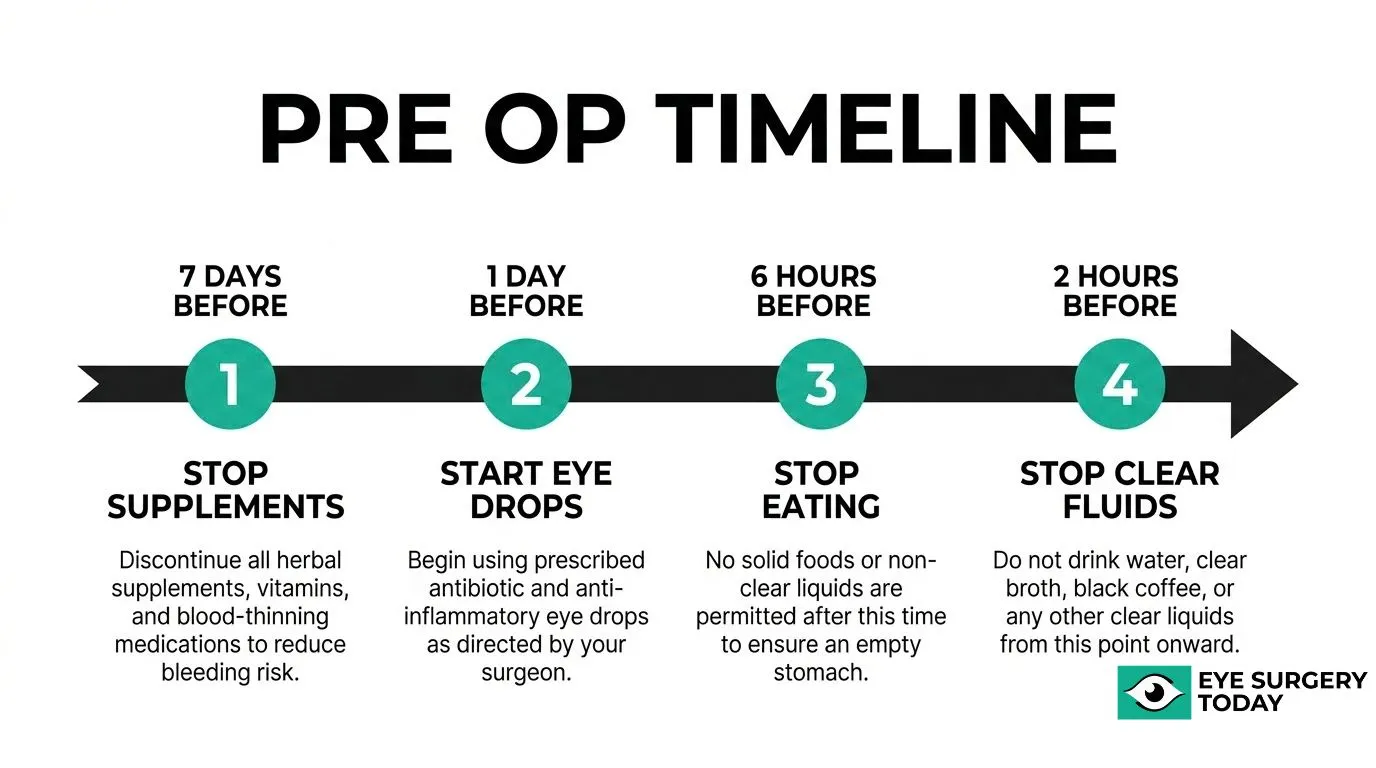
Yes, certain over-the-counter supplements need to be stopped pre-op because they may interfere with blood clotting or interact with anesthesia. According to the University of Colorado Anschutz Medical Campus, the following categories should be paused approximately one week before surgery:
- Herbal supplements: ephedra, fish oil, garlic, ginkgo, ginseng, kava, ma-huang, and St. John’s Wort
- OTC medications: aspirin, ibuprofen, naproxen, and vitamin E
The National Center for Complementary and Integrative Health (NCCIH) at the NIH specifically notes that omega-3 supplements may extend bleeding time by interacting with drugs that affect clotting. Supplements are often overlooked during pre-op medication reviews, which makes them one of the most practical things to confirm with your surgeon during the pre-op appointment.
What Pre-Op Instructions Must You Follow the Week Before Surgery?
The pre-op instructions you must follow the week before cataract surgery cover medication stoppage, fasting rules, eye drop preparation, and hygiene restrictions. Each headings below addresses one of these requirements with the specific timing your surgical team expects.
What Dietary or Fasting Rules Apply Before Cataract Surgery?
The dietary and fasting rules before cataract surgery require stopping solid food at least 6 hours before your procedure. According to guidelines from the European Society of Anaesthesiology and Intensive Care, adults may continue drinking clear fluids up to 2 hours before elective surgery, but solid food must be prohibited for a minimum of 6 hours beforehand.
Clear fluids typically include water, black coffee, and clear tea without milk. Your surgical team may issue slightly stricter instructions depending on the type of sedation used, so confirm the exact cutoff times at your pre-op appointment.
What Eye Drop Regimen Must You Start Before Your Surgery Date?
The eye drop regimen before your surgery date requires picking up your prescribed drops in advance and beginning antibiotic drops the day before surgery. According to Kaiser Permanente Northern California, patients should apply antibiotic eye drops 4 times per day starting 1 day before the procedure.
Your surgeon may also prescribe a steroid or NSAID drop to begin around the same time. Starting these drops on schedule reduces infection risk and helps prepare the ocular surface for the procedure itself.
What Skincare and Hygiene Restrictions Apply Before Surgery?
The skincare and hygiene restrictions before cataract surgery prohibit eye makeup for at least 3 days before the procedure, according to University Hospitals Coventry and Warwickshire NHS Trust. On the day of surgery, patients should bathe or shower but avoid wearing makeup, lotion, powder, deodorant, or nail polish, as recommended by Stony Brook University Hospital.
These restrictions exist because cosmetic products near the eye can introduce bacteria or interfere with sterile preparation of the surgical field.
Following hygiene rules, medication timelines, and fasting schedules together gives your team the safest possible operating conditions.
What Should You Arrange Logistically Before Your Surgery Date?
Logistical preparation covers three essentials: arranging a driver, setting up your recovery space, and gathering the documents your surgery center requires.
Why Do You Need a Driver Arranged Before Cataract Surgery?
You need a driver arranged before cataract surgery because sedation and dilating drops impair your ability to drive safely after the procedure. According to the University of Florida Department of Ophthalmology, most surgery centers require the patient to have someone drive them home, primarily because of the anesthesia rather than the surgery itself. Patients typically go home right after the procedure, so the driver must be available to wait on-site. Arranging this in advance, rather than the morning of surgery, eliminates one of the most common last-minute cancellations.
What Should You Plan for Your Recovery Environment at Home?
Your recovery environment at home should be comfortable, low-stimulation, and stocked with your prescribed eye drops before surgery day. Prepare a clean, dust-free resting area with good lighting to minimize eye strain. Keep surfaces clear to reduce the risk of falls while your vision stabilizes. Have sunglasses accessible for light sensitivity, and remove any trip hazards from common walkways. Because vision fluctuates during the first few days, avoid tasks that require sharp focus until your surgeon confirms it is safe to resume them.
What Documents and Insurance Details Should You Bring to Surgery?
The documents you should bring to surgery include government-issued photo ID, your health insurance card, and a prescription card with your pharmacy’s name and phone number. According to the New York Eye and Ear Infirmary of Mount Sinai, you should also bring any physician referrals your care team requested, along with healthcare proxy information if you have one. Arriving without insurance documentation can delay check-in or complicate billing, so confirm your coverage details with the surgery center at least 48 hours beforehand.
With your driver confirmed, your home ready, and your paperwork in order, the practical side of your surgery day is fully covered.
What Questions Should You Ask Your Surgeon at Your Pre-Op Visit?
The questions you should ask your surgeon at your pre-op visit cover IOL options, surgical risks specific to your health history, and post-op care instructions. Raising these topics before surgery ensures you enter the procedure informed and prepared, since scheduling typically involves a wait of several weeks to months.
What Should You Ask About IOL Options During Your Pre-Op Visit?
The questions you should ask about IOL options during your pre-op visit include the following:
- What IOL types are available for my prescription and lifestyle needs?
- Which lens does the surgeon recommend based on my biometry results?
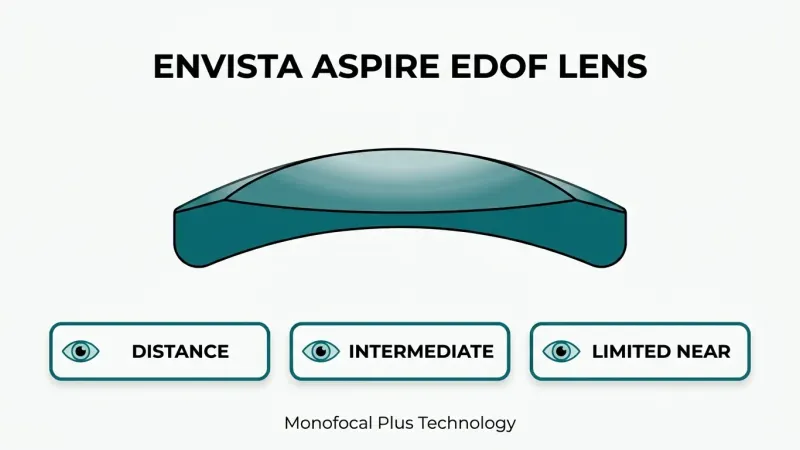
- Are premium IOLs, such as multifocal or extended depth of focus (EDOF) lenses, appropriate for my eye?
- Are all IOL options covered by my insurance, or will I face out-of-pocket costs?
IOL selection directly shapes your vision quality after surgery, making this one of the most consequential decisions you will make at the pre-op appointment. Clarifying coverage and candidacy early prevents surprises on surgery day.
What Should You Clarify About Surgical Risks at the Pre-Op Appointment?
The surgical risks you should clarify at the pre-op appointment include rare but serious complications such as intraoperative floppy iris syndrome (IFIS). According to a peer-reviewed review in the Annals of Translational Medicine, IFIS is characterized by iris billowing, progressive miosis, and iris prolapse through surgical wounds, and is closely associated with tamsulosin, the most commonly used alpha-1 blocker for benign prostatic hyperplasia (BPH). If you take tamsulosin or a similar medication, disclose this to your surgeon before the procedure so appropriate intraoperative precautions can be planned.
Additional risks worth discussing include posterior capsule rupture, infection, and visual disturbances specific to your chosen IOL.
What Should You Confirm About Post-Op Care Instructions Pre-Op?
The post-op care instructions you should confirm pre-op include your eye drop schedule, activity restrictions, follow-up appointment timing, and warning signs requiring urgent care. Antibiotic, steroid, and NSAID drops are typically started before or immediately after surgery and follow a precise tapering schedule, so obtaining and reviewing them in advance matters. If you have diabetes, confirm that your blood sugar is well controlled, as the American Diabetes Association’s Standards of Care in Diabetes 2025 states that the A1C goal for elective surgeries should be below 8% whenever possible.
Confirming these details at the pre-op visit, rather than after surgery, gives you time to fill prescriptions and arrange support at home.
How Do Eye Surgery Today’s Surgeon-Reviewed Guides Help You Prepare for Cataract Surgery?
Eye Surgery Today’s surgeon-reviewed guides help you prepare by translating complex pre-op requirements into clear, actionable information. The two sections below explain how the platform’s content supports your pre-op visit and summarize this article’s key takeaways.
Can Eye Surgery Today’s Cataract Surgery Articles and IOL Guides Help You Prepare for Your Pre-Op Visit?
Yes, Eye Surgery Today’s cataract surgery articles and IOL guides can help you prepare for your pre-op visit by explaining what to expect, which questions to ask, and how to evaluate your lens options before you walk through the door.
The pre-op visit covers more ground than most patients anticipate. According to the NHS, your specialist will examine and measure your eye before surgery, and you are expected to arrive having already followed hygiene protocols. Stony Brook University Hospital advises patients to bathe the day of surgery and avoid wearing makeup, lotion, powder, deodorant, or nail polish.
IOL selection is among the most consequential decisions at this stage. Duke Health identifies the three questions patients most commonly arrive unprepared to answer: what IOL options exist, which lens is right for them, and whether all IOLs are covered by insurance. Eye Surgery Today’s surgeon-reviewed IOL guides address all three directly, using evidence-based comparisons to support an informed conversation with your surgeon.
Knowing the warning signs post-operatively is equally important to review before surgery. Johns Hopkins Medicine advises patients to contact their eye doctor immediately if they experience vision loss, eye pain, floaters, flashes, nausea, vomiting, or excessive coughing after the procedure.
Preparation matters more than patients often realize. Data collected in 2024 at the John A. Moran Eye Center shows that 98.86% of 4,919 cataract surgeries were completed without intraoperative complications, a strong safety record that proper pre-op adherence helps support.
What Are the Key Takeaways About the Cataract Surgery Pre-Op Checklist We Covered?
The cataract surgery pre-op checklist covers six interconnected areas that determine surgical eligibility and readiness:
- Pre-op evaluation: Your surgeon examines and measures your eye, reviews your health history, and stratifies your risk before any procedure is scheduled.
- Required eye tests: Optical biometry, corneal topography, endothelial cell count, and OCT scans together confirm IOL suitability and identify ocular conditions that require management.
- Disqualifying eye conditions: Uncontrolled glaucoma, active dry eye disease, diabetic retinopathy, macular degeneration, keratoconus, and Fuchs dystrophy may each delay or modify your surgical plan.
- Systemic health requirements: Diabetes (A1C below 8%), blood pressure below 180/110 mmHg, appropriately adjusted anticoagulants, and cleared sleep apnea are all prerequisites for proceeding safely.
- Medication and supplement restrictions: Alpha-blockers, blood thinners, NSAIDs, herbal supplements such as ginkgo and garlic, and eye makeup require stopping or adjusting on a surgeon-directed timeline.
- Logistical preparation: Arranging a driver, filling pre-op eye drops, fasting from solid food for at least 6 hours, and bringing required documentation ensures the day-of process runs without delay.
Eye Surgery Today’s surgeon-reviewed guides translate each of these requirements into plain language, so you arrive at your pre-op appointment informed, prepared, and ready to ask the right questions.