A brow lift is a surgical procedure that tightens the soft tissues of the forehead to reposition sagging eyebrows, reduce horizontal wrinkles, and improve frown lines across the upper third of the face. Also known as a forehead lift or browplasty, the procedure may serve cosmetic or functional purposes depending on the severity of brow descent and its effect on vision.
This guide covers candidacy and technique selection, the step-by-step surgical process, potential benefits, recovery and risk management, and how a brow lift compares to alternative treatments.
Ideal candidates are typically healthy non-smokers with realistic expectations, though certain medical conditions, including severe dry eye syndrome and significant systemic comorbidities, may affect eligibility. Surgeons evaluate brow position, hairline height, and prior facial surgeries before recommending a specific approach.
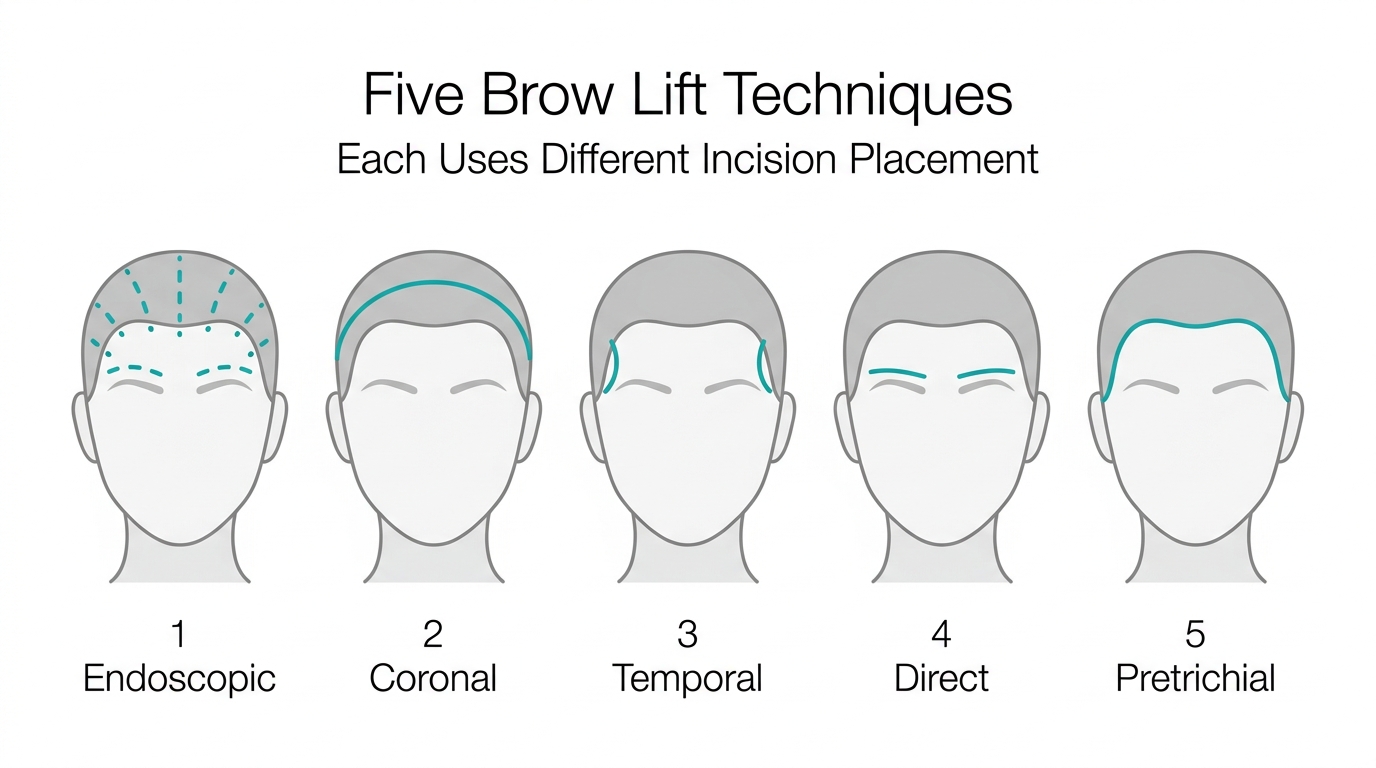
Five primary techniques exist: endoscopic, coronal, temporal, direct, and pretrichial. Each uses distinct incision placement suited to different anatomy and correction goals, with the endoscopic approach offering minimally invasive access through small incisions hidden behind the hairline.
A brow lift may help correct drooping brows, smooth forehead creases, improve obstructed upper vision, and enhance facial symmetry. When brow ptosis restricts the visual field enough to affect daily activities, the procedure may qualify as medically necessary rather than elective.
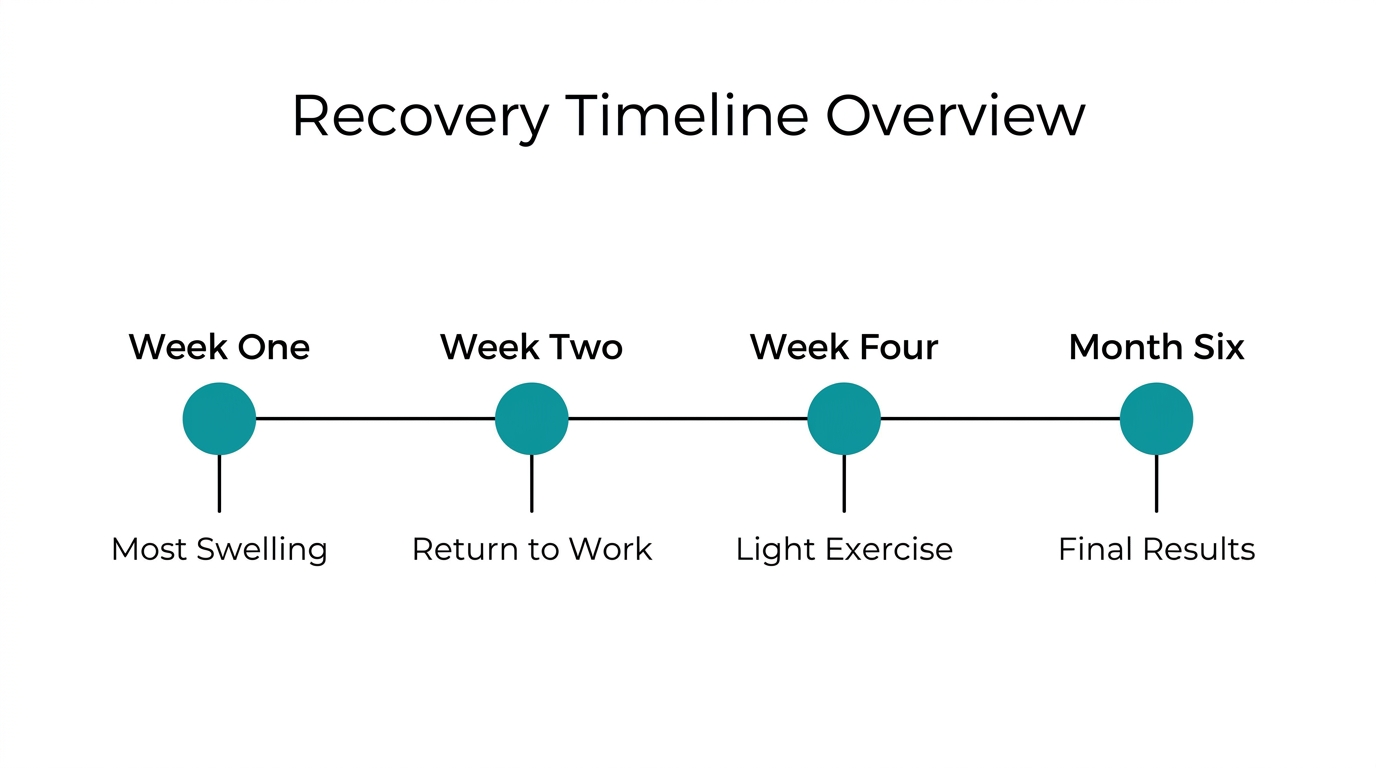
Recovery follows a predictable timeline; most patients return to sedentary work within one to two weeks, while final brow position and skin appearance typically emerge by three to six months. Possible risks range from common temporary effects like swelling and numbness to rare complications such as nerve injury or visible scarring. Understanding cost factors, insurance criteria, and the differences between a brow lift, Botox, and upper blepharoplasty can help patients make well-informed decisions.
What Is a Brow Lift?
A brow lift is a surgical procedure that tightens the soft tissues of the forehead to reduce horizontal wrinkles, improve frown lines, and reposition sagging eyebrows into a more alert and youthful position. Also called a forehead lift or browplasty, it addresses the upper third of the face where gravity and muscle activity cause the brows to descend over time. The sections below cover how the procedure is defined, what techniques surgeons use, and how it compares to non-surgical alternatives.
What Does a Brow Lift Actually Do?
A brow lift repositions the brow by releasing and elevating the underlying soft tissues and muscles of the forehead. According to the American Society of Plastic Surgeons, the procedure targets horizontal forehead wrinkles, glabellar frown lines, and brow ptosis, restoring a rested, symmetrical appearance to the upper face. In clinical practice, the procedure is most valuable when drooping brows contribute to a tired or stern expression that does not reflect how a patient actually feels.
What Is the Difference Between a Brow Lift, Forehead Lift, and Browplasty?
The terms brow lift, forehead lift, and browplasty all refer to the same surgical intervention. According to the Cleveland Clinic, these synonyms, which also include foreheadplasty, all describe the surgical repositioning of forehead and brow tissues. Surgeons and patients may use them interchangeably, though “forehead lift” tends to appear in functional or insurance contexts and “browplasty” is the formal procedural term used in clinical documentation.
Is a Brow Lift a Cosmetic or Functional Procedure?
A brow lift can be either cosmetic or functional, depending on the severity of brow ptosis and its effect on vision. The Centers for Medicare and Medicaid Services define brow ptosis as the drooping of the eyebrows to such an extent that excess tissue is pushed into the upper eyelid, which may cause mechanical blepharoptosis and/or dermatochalasis. When that drooping restricts the visual field, surgery may qualify as medically necessary rather than elective. For patients without a functional impairment, the procedure remains a cosmetic choice aimed at aesthetic rejuvenation.
Who May Be a Good Candidate for a Brow Lift?
Good candidates for a brow lift are typically physically healthy, non-smokers with realistic expectations. The following sub-sections cover age-related signs that may indicate candidacy, medical conditions that affect eligibility, and circumstances where postponing surgery may be advisable.
What Age-Related Changes May Indicate a Brow Lift?
Age-related changes that may indicate a brow lift include descending brow position, deep horizontal forehead creases, and persistent frown lines between the brows. As the forehead’s soft tissues gradually lose elasticity, the brow may fall below its youthful position, pushing excess skin toward the upper eyelid. This downward shift can make a person appear tired, stern, or older than their age. Candidates often notice that manually lifting the brow with a finger restores a more alert, refreshed appearance, which suggests the brow is the primary source of the aging concern rather than the eyelid itself.
What Medical Conditions Could Affect Brow Lift Eligibility?
Medical conditions that could affect brow lift eligibility include body dysmorphic disorder, severe dry eye syndrome, a recent history of blepharoplasty, and significant systemic comorbidities that complicate anesthesia safety, according to NIH StatPearls. According to University of Michigan Health, a complete medical history including past surgeries and current medications is essential during preoperative evaluation. These factors matter because conditions like severe dry eye may worsen after surgery, and prior eyelid procedures can increase the risk of lagophthalmos (incomplete eye closure).
Who Should Avoid or Postpone a Brow Lift?
Patients who should avoid or postpone a brow lift include those with active skin infections, uncontrolled systemic disease, unrealistic surgical expectations, or a naturally high hairline. According to NIH StatPearls, the coronal brow lift is specifically contraindicated in patients with high hairlines, as the incision placement will further elevate the existing hairline. Smokers are also generally advised to quit well before surgery, as nicotine impairs wound healing and increases complication risk. In practice, postponing surgery until these factors are addressed typically improves both safety and outcomes.
What Are the Different Types of Brow Lift Procedures?
The different types of brow lift procedures include the endoscopic, coronal, temporal, direct, and pretrichial approaches. Each technique uses a distinct incision placement and is suited to different patient anatomy, hairline position, and correction goals.
Endoscopic Brow Lift
The endoscopic brow lift is a minimally invasive technique using three to five small one-inch incisions hidden behind the hairline. A surgeon inserts an endoscope through these openings to visualize and reposition the underlying muscles and tissue without a long incision. According to a 2025 meta-analysis published in the Aesthetic Surgery Journal, pooled long-term elevation results were 3.25 mm at the medial brow, 3.86 mm at the central brow, and 4.35 mm at the lateral brow. Johns Hopkins Medicine notes that specialized instruments allow surgeons to gently release and elevate brow tissue with minimal disruption to surrounding structures. For patients seeking meaningful lift with smaller incisions, the endoscopic approach may be an appropriate option depending on anatomy and goals.
Coronal Brow Lift
The coronal brow lift uses a long incision placed several centimeters behind the hairline, running across the top of the scalp and completely hidden within the hair. It provides excellent surgical access for comprehensive forehead reshaping. However, according to NIH StatPearls, surgeons should avoid this technique in patients with high hairlines, as it will further elevate the existing hairline.
Temporal Brow Lift
The temporal brow lift addresses mild to moderate droop concentrated in the outer portion of the eyebrows through incisions placed at the temples. Recovery is typically straightforward: according to MedStar Health, most patients experience only minimal bruising and mild-to-moderate swelling lasting up to one week.
Direct Brow Lift
The direct brow lift involves bilateral elliptical incisions made directly above each eyebrow. This placement offers precise, controlled repositioning of brow tissue and is particularly useful in reconstructive settings, including cases of unilateral facial paralysis, as noted by NCBI PMC research. Because the incision sits close to the brow, it is generally reserved for patients where scar visibility is a secondary concern.
Pretrichial Brow Lift
The pretrichial brow lift places the incision directly anterior to the hairline. According to NIH StatPearls, this technique allows for brow elevation while also providing the option to lower the frontal hairline, making it well suited for patients with a high forehead. Hair follicles along the incision line are preserved to minimize visible scarring over time.
How Is a Brow Lift Procedure Performed Step by Step?
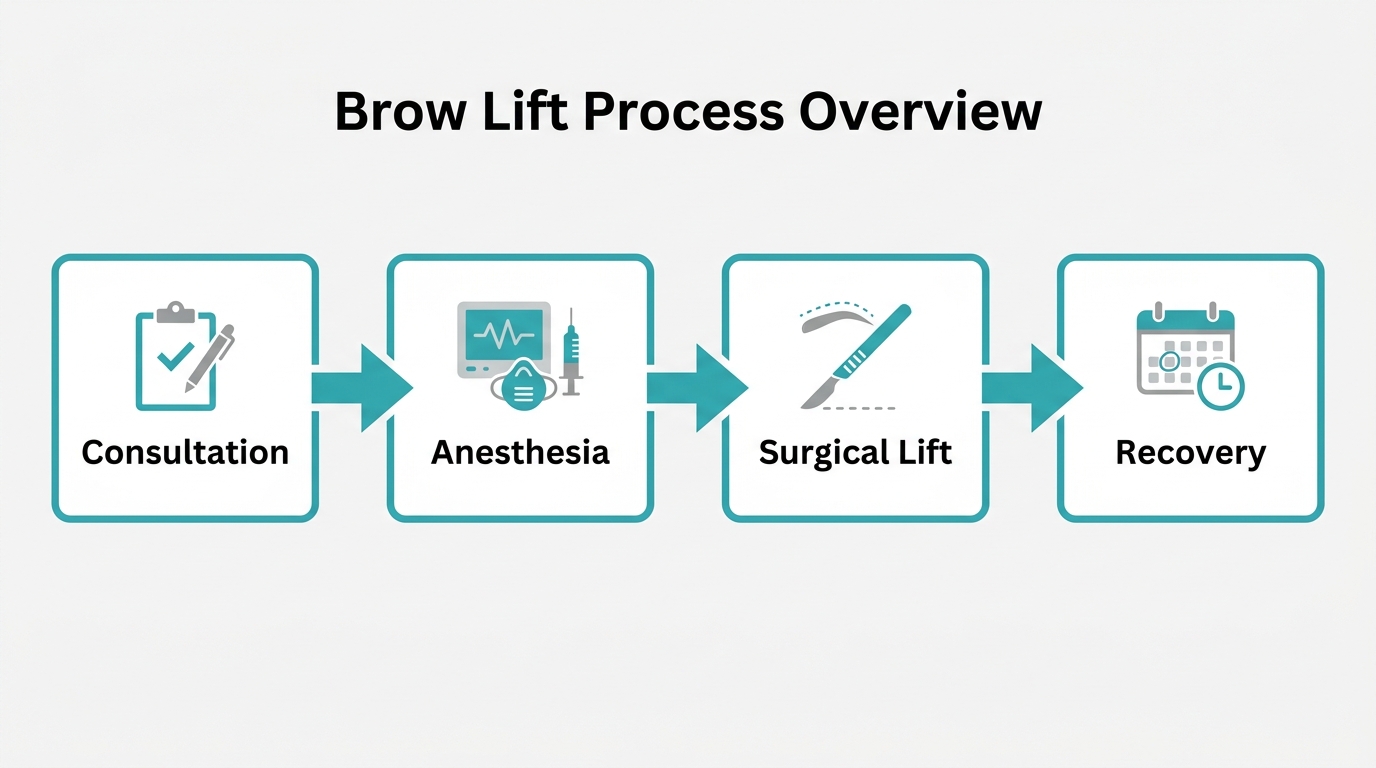
A brow lift procedure follows a structured sequence, from an initial consultation through anesthesia administration, surgical technique, and closure. The sections below cover each stage, including what to expect before, during, and after the surgeon makes the first incision.
What Happens During the Preoperative Consultation?
The preoperative consultation is the stage where the surgeon evaluates the patient’s anatomy, reviews medical history, and establishes surgical goals. The surgeon assesses brow position, forehead skin quality, hairline height, and any asymmetry to determine the most appropriate technique.
During this appointment, the patient and surgeon discuss:
- Current medications, supplements, and smoking history
- Prior facial surgeries, including any previous blepharoplasty
- Realistic outcome expectations and functional versus cosmetic motivations
- Photographs for surgical planning and baseline documentation
Informed consent is completed at this stage, documenting the patient’s understanding of risks, benefits, and alternatives before any procedure is scheduled.
What Type of Anesthesia Is Used for a Brow Lift?
Anesthesia for a brow lift depends on the surgical technique and patient health and the surgical team’s recommendation. Minimally invasive approaches such as the endoscopic or temporal brow lift are often performed under IV sedation, while more extensive open techniques may require general anesthesia.
The anesthesiologist reviews the patient’s medical history beforehand to confirm safe anesthetic delivery. For patients with significant comorbidities, a preoperative medical clearance may be required before proceeding.
What Techniques Does the Surgeon Use During the Lift?
The surgical techniques a surgeon uses during a brow lift depend on the chosen approach and the degree of brow ptosis being corrected. Across all methods, the core objective is to reposition the underlying soft tissue and muscles while removing or redistributing excess skin.
Common intraoperative steps include:
- Placing incisions (behind the hairline, at the hairline, above the brow, or at the temples, depending on technique)
- Dissecting and releasing the periosteum or subgaleal plane to mobilize brow tissue
- Weakening or resecting the corrugator and procerus muscles responsible for frown lines
- Elevating and securing brow tissue at the desired height using internal fixation or sutures
- Trimming redundant skin before closing incisions
According to the American Society of Plastic Surgeons, the 2023 national average surgeon’s fee for a forehead lift was $5,460, up from $4,282 in 2022.
How Long Does a Brow Lift Procedure Typically Take?
A brow lift procedure typically takes one to two hours to complete, though duration varies based on technique complexity and whether concurrent procedures are performed. Endoscopic and temporal approaches tend to fall on the shorter end of this range, while coronal or open methods may require additional time.
When combined with upper blepharoplasty, the combined operative time increases accordingly, and patients should plan recovery around the longer brow lift timeline. According to a patient survey cited by Bajaj Plastic Surgery, 93 percent of brow lift patients reported the procedure as successful and 96 percent said they would recommend it to others.
What Are the Potential Benefits of a Brow Lift?
The potential benefits of a brow lift include correcting drooping brows, smoothing forehead wrinkles, improving obstructed upper vision, and enhancing facial symmetry. The sections below cover each benefit in detail.
How May a Brow Lift Help With a Drooping Brow?
A brow lift may help with a drooping brow by repositioning descended brow tissue to a more anatomically appropriate position. Brow ptosis is defined as eyebrow drooping severe enough to push excess tissue into the upper eyelid, which may cause mechanical blepharoptosis and dermatochalasis. According to the Centers for Medicare and Medicaid Services, the procedure is considered functionally necessary when overhanging skin produces a visual field restriction of approximately 30 degrees or less from fixation, correlating with a Margin Reflex Distance of 2.0 mm or less.
The classical ideal female brow sits at or slightly above the bony brow ridge, with the apex positioned laterally between the lateral limbus and lateral canthus. Surgical correction can restore this aesthetic relationship when natural aging or gravity has displaced it.
How May a Brow Lift Help Reduce Forehead Wrinkles?
A brow lift may help reduce forehead wrinkles by tightening the soft tissues of the forehead to smooth horizontal lines and improve frown lines. According to the American Society of Plastic Surgeons, browplasty also repositions sagging eyebrows into a more alert and youthful position.
Mayo Clinic identifies the endoscopic brow lift and temporal brow lift as the two primary modern techniques for raising sagging brows and smoothing forehead wrinkles. Ideal candidates are typically physically healthy, non-smokers with realistic expectations for addressing deep forehead rhytids.
Can a Brow Lift Help Improve Obstructed Upper Vision?
Yes, a brow lift can help improve obstructed upper vision when descended brow tissue directly restricts the superior visual field. According to Univera Healthcare, functional brow lift repair is considered medically appropriate when there is documented interference with vision or visual field that impacts activities of daily living, such as reading or driving.
This functional indication distinguishes medically necessary surgery from purely cosmetic intervention, and insurers may require objective visual field testing to confirm eligibility.
How May a Brow Lift Affect Overall Facial Symmetry?
A brow lift may affect overall facial symmetry by elevating and balancing uneven brow positions that create asymmetrical upper facial proportions. Brow asymmetry is itself a known potential risk of the surgery; potential complications include nerve damage to the temporal branch of the facial nerve, alopecia, and anesthesia complications, according to a systematic review published by Alpenaura Plastic Surgery.
Careful surgical planning, including pre-operative photographic analysis and precise marking of target brow positions, is important to achieving symmetrical results rather than inadvertently worsening them.
What Should You Expect During Brow Lift Recovery?
Brow lift recovery follows a predictable sequence of milestones, from initial swelling in the first week to final results at several months. The sections below cover week-one symptoms, weeks two through four progress, return-to-activity timelines, and when to expect full results.
What Does the First Week of Recovery Look Like?
The first week of brow lift recovery typically involves the most noticeable swelling, bruising, and discomfort. Patients are generally advised to keep their head elevated, avoid bending or strenuous activity, and apply cold compresses to reduce swelling. Mild numbness or tightness across the forehead is common during this period. According to MedStar Health, recovery from a temporal brow lift involves minimal bruising and mild-to-moderate swelling that resolves within one week for most patients.
What Can You Expect During Weeks Two Through Four?
Weeks two through four of brow lift recovery bring gradual improvement as swelling and bruising continue to subside. Most patients feel comfortable returning to light social activities by the end of week two. Residual tightness or itching at the incision sites may persist, particularly after open procedures, though these sensations generally diminish as tissues heal. According to Vitenas Cosmetic Surgery, initial recovery typically takes 10 to 14 days, during which major swelling and bruising subside.
When Can Most Patients Return to Normal Activities?
Most patients return to normal activities in stages, beginning with sedentary work within the first week. According to the American Board of Cosmetic Surgery, most patients are cleared to return to sedentary jobs one week after surgery, though fatigue is common during this initial period. The American Society of Plastic Surgeons notes that patients typically return to work within one week of an endoscopic brow lift and approximately two weeks after more invasive open procedures. Strenuous exercise and heavy lifting are generally restricted for four to six weeks.
How Long Does It Take to See Final Brow Lift Results?
Final brow lift results take approximately three to six months to fully appear. According to Mark Plastic Surgery, final brow position and smoother skin appearance are generally realized by three to six months post-operation, as scars continue to soften and blend into the surrounding tissue. Subtle refinements in skin texture and scar fading may continue beyond this window, making patience an important part of the recovery process.
What Are the Possible Risks and Complications of a Brow Lift?
The possible risks and complications of a brow lift range from common, short-lived side effects to rare but serious surgical concerns. The sections below cover typical temporary symptoms, uncommon serious complications, and practical steps patients may take to reduce their risk.
What Temporary Side Effects Are Common After a Brow Lift?
The temporary side effects common after a brow lift include swelling, bruising, numbness, and scalp itching around the incision sites. These effects generally resolve within the first one to two weeks as the tissues heal. Some patients may also notice increased skin sensitivity or mild headaches during the early recovery period. While these experiences can feel alarming, they are expected responses to surgical trauma and typically subside without medical intervention.
What Rare but Serious Complications Can Occur?
The rare but serious complications that can occur with a brow lift include nerve damage, visible scarring, hematoma, infection, and alopecia. According to data published in the Aesthetic Surgery Journal, complication rates for coronal brow lifts include unacceptable scarring in 3.6% of patients, hematoma in 0.5%, and infection in 0.2%. Alopecia risk is highest with coronal techniques, reaching 2.2% in some cases. Stanford Health Care notes that injury to the nerves controlling eyebrow movement, though rare, is a recognized risk of brow and forehead lift procedures.
How Can Patients Help Minimize Brow Lift Risks?
Patients can help minimize brow lift risks by following several evidence-based preoperative and postoperative practices:
- Disclosing a complete medical history, including all current medications and prior surgeries, during the preoperative evaluation.
- Avoiding smoking before and after surgery, as nicotine impairs wound healing and increases complication risk.
- Following the surgeon’s post-procedure care instructions, including wound care, activity restrictions, and prescribed medications.
- Attending all scheduled follow-up appointments so the surgeon can monitor healing and address concerns early.
Selecting a board-certified surgeon with documented experience in brow lift techniques is, an important decision before any procedure.
How Does a Brow Lift Compare to Other Forehead Treatments?
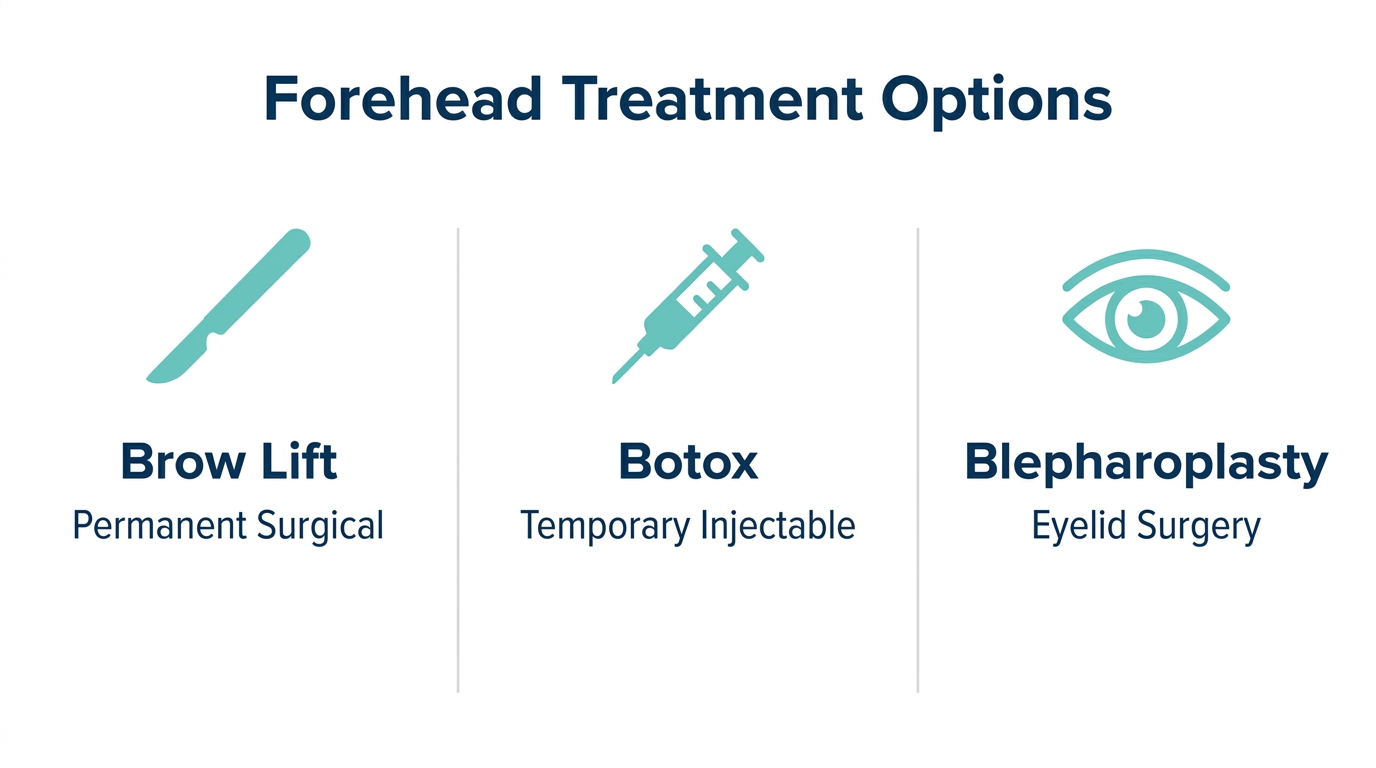
A brow lift compares to other forehead treatments along two main dimensions: duration of effect and anatomical target. The sections below cover how it differs from Botox and upper eyelid surgery.
How Does a Brow Lift Compare to Botox for the Forehead?
A brow lift compares to Botox for the forehead primarily in permanence and the degree of correction achievable. Botox can produce a “chemical brow lift” by relaxing the depressor muscles that pull the brow downward, offering a temporary lift without surgery. However, surgical brow lifts provide a more lasting solution for significant brow ptosis and deep forehead rhytids that Botox cannot adequately address. Botox suits patients with mild droop and shorter recovery tolerance, while a surgical lift is the stronger option when structural repositioning is needed.
How Does a Brow Lift Differ From an Upper Eyelid Surgery?
A brow lift differs from upper eyelid surgery (upper blepharoplasty) based on where the excess tissue originates. Upper blepharoplasty is more effective for removing surplus skin directly from the eyelids, whereas a brow lift is necessary when drooping is primarily caused by the brow descending and pushing skin downward onto the lid. According to Dr. Alan Matarasso, MD, FACS, the relationship between brow descent and extra upper-lid skin is the key clinical factor in choosing between the two procedures. In some cases, both are performed together to address comprehensive upper facial aging. Proper written informed consent documenting risks and realistic outcomes is a critical legal requirement for either procedure.
How Much Does a Brow Lift Typically Cost?
Brow lift costs vary based on technique, surgeon experience, geographic location, and whether the procedure is performed for cosmetic or functional reasons. The sections below cover the national average surgeon’s fee, what additional expenses to expect, and how insurance coverage may apply.
What Is the Average Surgeon’s Fee for a Brow Lift?
The average surgeon’s fee for a brow lift was $5,460 in 2023, according to the American Society of Plastic Surgeons, up from $4,282 in 2022. This figure represents the surgeon’s fee only and does not include anesthesia, facility costs, or post-operative care. Fees vary considerably by region and by technique, with minimally invasive endoscopic approaches sometimes priced lower than open coronal procedures due to reduced operative time.
What Additional Costs Should Patients Expect Beyond the Surgeon’s Fee?
Beyond the surgeon’s fee, brow lift patients typically face several additional expenses, including:
- Anesthesia fees, usually billed separately by the anesthesiologist.
- Surgical facility or operating room fees, which vary by setting.
- Pre-operative medical tests, such as bloodwork or EKG clearance.
- Prescription medications for pain management and infection prevention.
- Post-operative garments or wound care supplies.
These costs can meaningfully increase the total out-of-pocket amount above the base surgeon’s fee alone.
Does Insurance Ever Cover Brow Lift Surgery?
Insurance may cover brow lift surgery when it is deemed medically necessary rather than purely cosmetic. Medicare, for example, considers the procedure functional when overhanging brow skin produces a visually significant visual field restriction of approximately 30 degrees or less from fixation, correlating with a Margin Reflex Distance of 2.0 mm or less, according to Centers for Medicare and Medicaid Services guidelines. Purely cosmetic procedures, performed without a documented functional impairment, are strictly excluded from Medicare coverage under Title XVIII of the Social Security Act. Patients pursuing insurance coverage should obtain a formal visual field test and ophthalmologic documentation before scheduling surgery.
How Can Vision Changes Factor Into Brow and Eye Procedures?
Vision changes and aesthetic concerns often intersect when it comes to brow and eyelid procedures. This section covers how psychological and functional motivations shape patient decisions, and what key resources and takeaways can guide your next steps.
Can Eye Surgery Resources Help You Decide?
Yes, eye surgery resources can help you decide by providing accessible educational information about whether a brow or eyelid procedure is appropriate for your situation. Patient motivation for seeking aesthetic facial procedures is often multifactorial, involving subconscious, cultural, and psychological factors related to self-esteem and body image, according to research published by Plastic Surgery Key. Understanding whether your concern is primarily functional, such as obstructed vision, or cosmetic is an important distinction that shapes both candidacy and insurance coverage. Eye Surgery Today offers educational resources designed to help patients better understand brow and eyelid procedure options.
What Are the Key Takeaways About Brow Lift Procedures?
The key takeaways about brow lift procedures center on matching the right technique to the right patient. Brow ptosis can be both a cosmetic and a functional concern, and surgical options range from minimally invasive endoscopic lifts to more extensive coronal approaches. Mayo Clinic identifies the endoscopic and temporal brow lift as the two primary modern techniques for raising sagging brows. Recovery timelines, cost, candidacy criteria, and the distinction between brow lift and upper blepharoplasty are all critical factors to evaluate before committing to surgery.