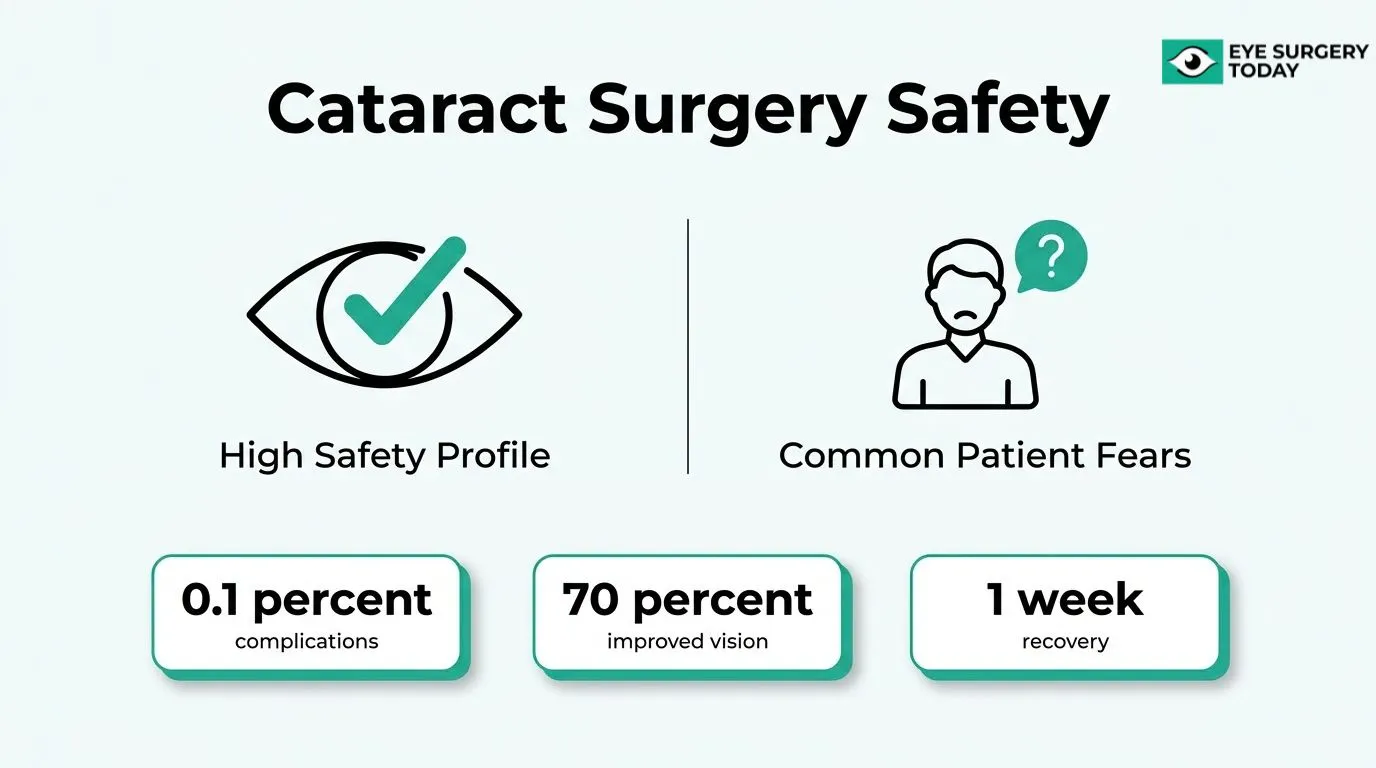
Cataract surgery is a procedure that removes the eye’s clouded natural lens and replaces it with an artificial intraocular lens. It is widely regarded as safe, with serious complications occurring at low rates across millions of procedures globally.
This guide covers patient fears and anxiety before surgery, clinical risks and complication rates, candidacy and timing considerations, the surgical procedure and recovery process, intraocular lens selection, and how preparation and surgeon choice can influence outcomes.
Research consistently shows that fear before cataract surgery is common, with vision loss, pain, and being awake during the procedure among the most frequently cited concerns. These fears are understandable but often exceed the actual clinical risk, and much of the anxiety stems from online accounts that lack statistical context.
Serious complications such as endophthalmitis and retinal detachment remain uncommon, while shorter-term events like elevated intraocular pressure on the first postoperative day are typically manageable with prompt monitoring. Surgeon volume plays a measurable role in safety; higher-volume surgeons are associated with substantially lower adverse-event rates.
Patients with coexisting conditions such as glaucoma, age-related macular degeneration, or diabetes may still benefit from surgery, though each condition requires individualized planning and, in some cases, closer postoperative follow-up.
Most patients return to daily activities within one week, and quality-of-life improvements tend to persist years after the procedure. Lens selection involves trade-offs between spectacle independence and optical side effects like glare, making the preoperative conversation with a surgeon essential for setting realistic expectations.
What Makes Modern Cataract Surgery Generally Considered Safe?
Modern cataract surgery is generally considered safe because of refined surgical techniques, standardized pre-operative protocols, and consistently high rates of successful visual outcomes across large patient populations. The sections below examine the procedure itself, the clinical evidence behind its safety record, and the role surgeon experience plays in outcomes.
What Is the Surgical Technique Behind Modern Cataract Surgery?
The surgical technique behind modern cataract surgery is phacoemulsification, a minimally invasive procedure using a 2–3 mm incision through which an ultrasonic probe emulsifies and aspirates the clouded lens, followed by insertion of a foldable intraocular lens. According to StatPearls via the National Center for Biotechnology Information, pre-operative evaluation includes corrected visual acuity measurement, glare testing, intraocular-pressure measurement, slit-lamp examination, and possible OCT or B-scan imaging. The small incision size reduces surgical trauma considerably compared with older techniques, which is one reason recovery tends to be swift.
What Does the Clinical Evidence Say About Cataract Surgery Safety?
The clinical evidence indicates that cataract surgery carries a strong safety profile across large populations. Mayo Clinic describes cataract surgery as “very common and generally a safe procedure.” A systematic review of 35 population-based studies published in the British Journal of Ophthalmology found that more than 70% of patients in high-income-country studies achieved postoperative presenting visual acuity of at least 20/60, supporting the procedure’s reliability. These results reflect consistent outcomes across millions of surgeries globally.
How Does Surgeon Volume and Experience Affect Cataract Surgery Safety?
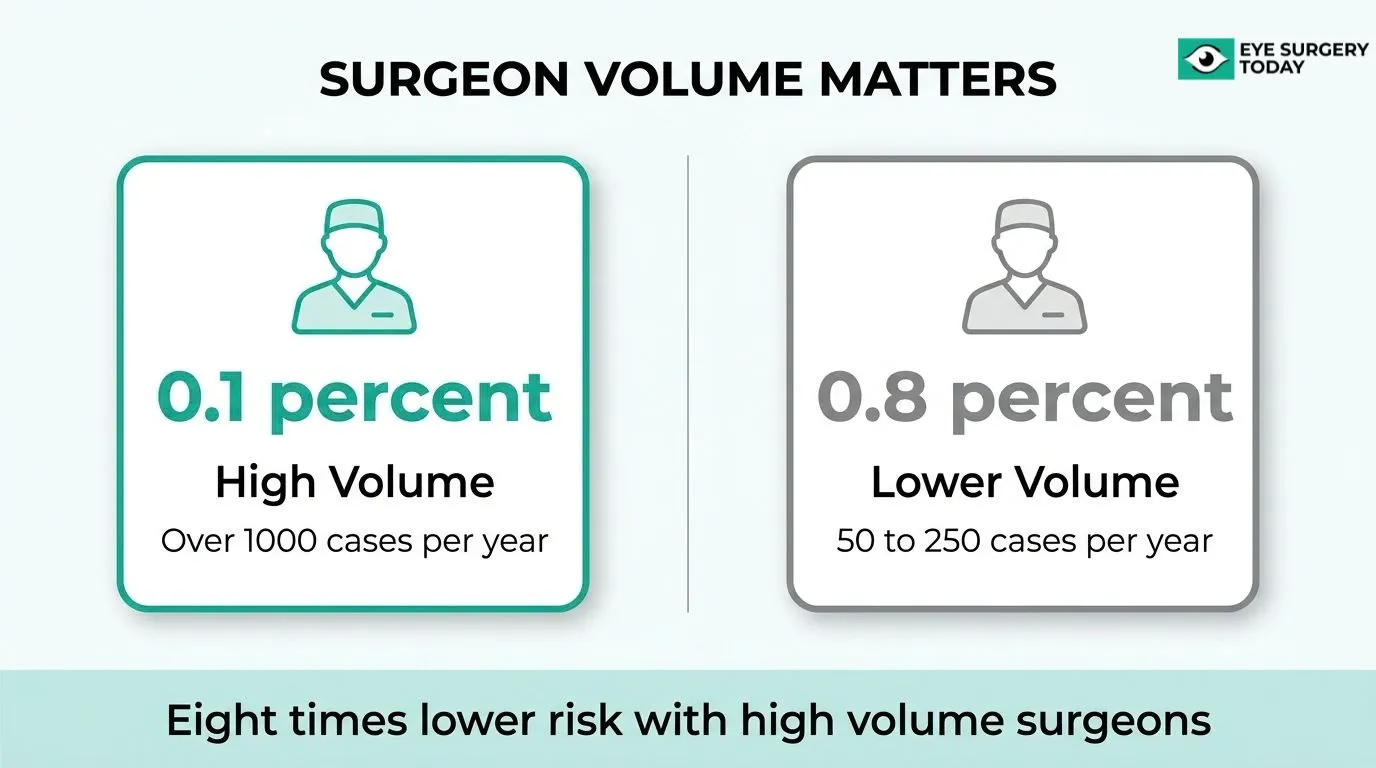
Surgeon volume has a measurable effect on cataract surgery safety outcomes. According to a population-based cohort study of 284,797 cataract surgeries at 70 hospitals and eye surgery centers in Ontario, Canada, published in Ophthalmology by the University of Toronto and Institute for Clinical Evaluative Sciences, surgeons performing more than 1,000 cases per year recorded an adverse-event rate of 0.1%, compared with 0.8% among surgeons performing 50–250 cases per year. This eightfold difference underscores that procedural experience is one of the most influential safety variables a patient can actively consider when choosing a surgeon.
What Are Patients Most Commonly Afraid Of Before Cataract Surgery?
Patients are most commonly afraid of being awake during the procedure, losing their vision, experiencing pain, and encountering complications they have read about online. The following sub-sections address each of these fears with clinical evidence.
Why Are People Afraid of Being Awake During Cataract Surgery?
People are afraid of being awake during cataract surgery because the idea of conscious awareness during an eye procedure feels inherently alarming. The surgery involves instruments near an open eye, which naturally triggers anxiety even when no pain is present. According to NHS guidance, cataract surgery is performed under local anesthetic and patients should not feel pain during the 20–45-minute operation, though awareness of light and movement is expected. This distinction between awareness and pain is one that surgical teams should explain clearly before the procedure begins, as fear of being awake is often rooted in a misunderstanding of what local anesthesia actually prevents.
How Common Is Fear of Going Blind or Losing Vision From Cataract Surgery?
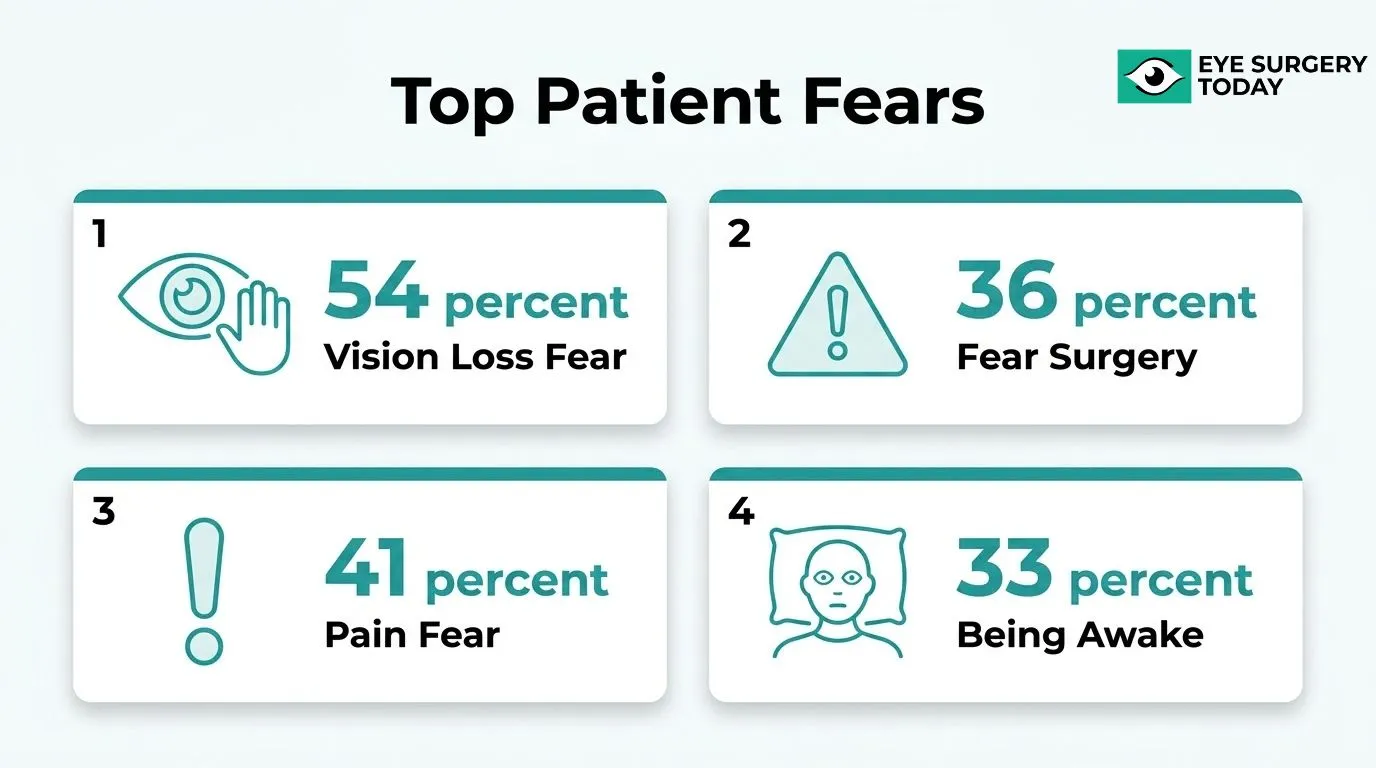
Fear of going blind or losing vision from cataract surgery is one of the most frequently reported preoperative concerns. A 2021 systematic review from the Medical University of Bialystok found that fear of vision loss was cited by 54%–55% of patients before first-eye cataract surgery. A separate 2025 cross-sectional study of 42 patients at the Hoxworth Eye Clinic, University of Cincinnati Medical Center, found that approximately 36% reported fear of surgery overall, and 53% of those fearful patients specifically cited vision loss as a contributing reason.
This fear is understandable but is not always proportionate to the clinical risk. Notably, the University of Cincinnati study found that fear of surgery was associated with a belief that surgery would improve vision, suggesting that patients who recognize the potential benefit may still feel anxious about the possibility of an adverse outcome.
Why Do Some Patients Worry About Pain During or After Cataract Surgery?
Some patients worry about pain during or after cataract surgery because eye surgery feels intuitively painful, even though the procedure is designed to prevent it. NHS guidance confirms that patients are awake but should not feel pain during the operation, and Moorfields Eye Hospital states that most patients return to day-to-day activities within one week. Some postoperative discomfort, such as mild grittiness or watering, is normal.
Concerns about pain are also tied to fear of surgical adverse events. A population-based cohort study of 284,797 cataract surgeries at 70 hospitals in Ontario, Canada reported overall annual adverse-event rates of 0.33%–0.41%; surgeons performing more than 1,000 cases per year had an adverse-event rate of just 0.1%. Patients with diabetes carry an additional specific concern: a 2025 systematic review and meta-analysis of 15 studies involving 7,287 patients found that diabetic-retinopathy progression was higher after cataract surgery (RR 1.46), making close postoperative monitoring essential for this group.
Why Are Patients Afraid of Surgical Complications They Hear About Online?
Patients are afraid of surgical complications they hear about online because internet searches tend to surface worst-case accounts, creating a disproportionate impression of risk. Retinal detachment is one of the most widely discussed complications. A systematic review and pooled analysis of 21 studies covering 3,352,094 eyes found a pooled retinal-detachment risk of approximately 1.167% (95% CI, 0.900%–1.468%), with a mean time to detachment of 23.12 months post-surgery. While this is a real risk, it affects a small minority of patients and occurs well after the procedure itself. Online horror stories rarely provide this kind of quantified context, which makes individual accounts feel far more representative than they actually are.
How Do Money and Regret Fears Affect Decisions About Cataract Surgery?
Money and regret fears affect cataract surgery decisions by causing some patients to delay or avoid a procedure that may significantly improve their functional vision. Concerns about paying for premium intraocular lens options, taking time off work, or regretting the outcome if vision does not meet expectations can all become reasons to postpone. These fears are compounded when patients lack reliable information about what realistic outcomes look like or how reversible certain choices are. Understanding lens options, recovery timelines, and what “good enough” vision actually means in practice can reduce the emotional weight of these financial and outcome-related anxieties before a consultation even takes place.
What Are the Potential Risks and Complications of Cataract Surgery?
The potential risks and complications of cataract surgery range from short-term pressure changes to longer-term developments such as posterior capsule opacification. The sections below cover immediate postoperative risks, complications that may emerge months or years later, and how often serious vision-threatening events actually occur.
What Short-Term Risks and Complications Can Occur After Cataract Surgery?
The short-term risks and complications that can occur after cataract surgery include elevated intraocular pressure, corneal swelling, macular edema, and infection. Most resolve with prompt treatment, but recognizing them early matters.
A retrospective cohort study of 1,111 consecutive cataract surgeries at Massachusetts Eye and Ear Infirmary and Harvard Medical School, published in Eye (Nature Portfolio), found that intraocular pressure of at least 23 mmHg on the first postoperative day occurred in 22.0% of cases. While that figure may seem alarming, a single-day pressure spike differs substantially from sustained glaucomatous damage, and most cases are managed with temporary medication. Other early risks include pseudophakic macular edema, mild inflammation, and corneal edema, all of which are monitored at follow-up appointments.
What Longer-Term Complications May Occur Months or Years After Cataract Surgery?
The longer-term complications that may occur months or years after cataract surgery include posterior capsule opacification, retinal detachment, and persistent refractive error. Posterior capsule opacification is the most common, causing a gradual return of blurred vision that is treatable with a brief laser procedure.
Retinal detachment is a rarer but more serious concern, typically emerging over many months. Beyond these clinical risks, evidence suggests that outcomes remain broadly positive over time. A six-year longitudinal study published in PLOS ONE by the London School of Hygiene & Tropical Medicine, involving 455 cataract cases, found that health-related quality of life and per-capita expenditure increased one year after surgery, and those gains remained evident at six years. Longer-term complications are real but rarely outweigh sustained functional benefits.
How Often Do Serious Vision-Threatening Complications Actually Happen?
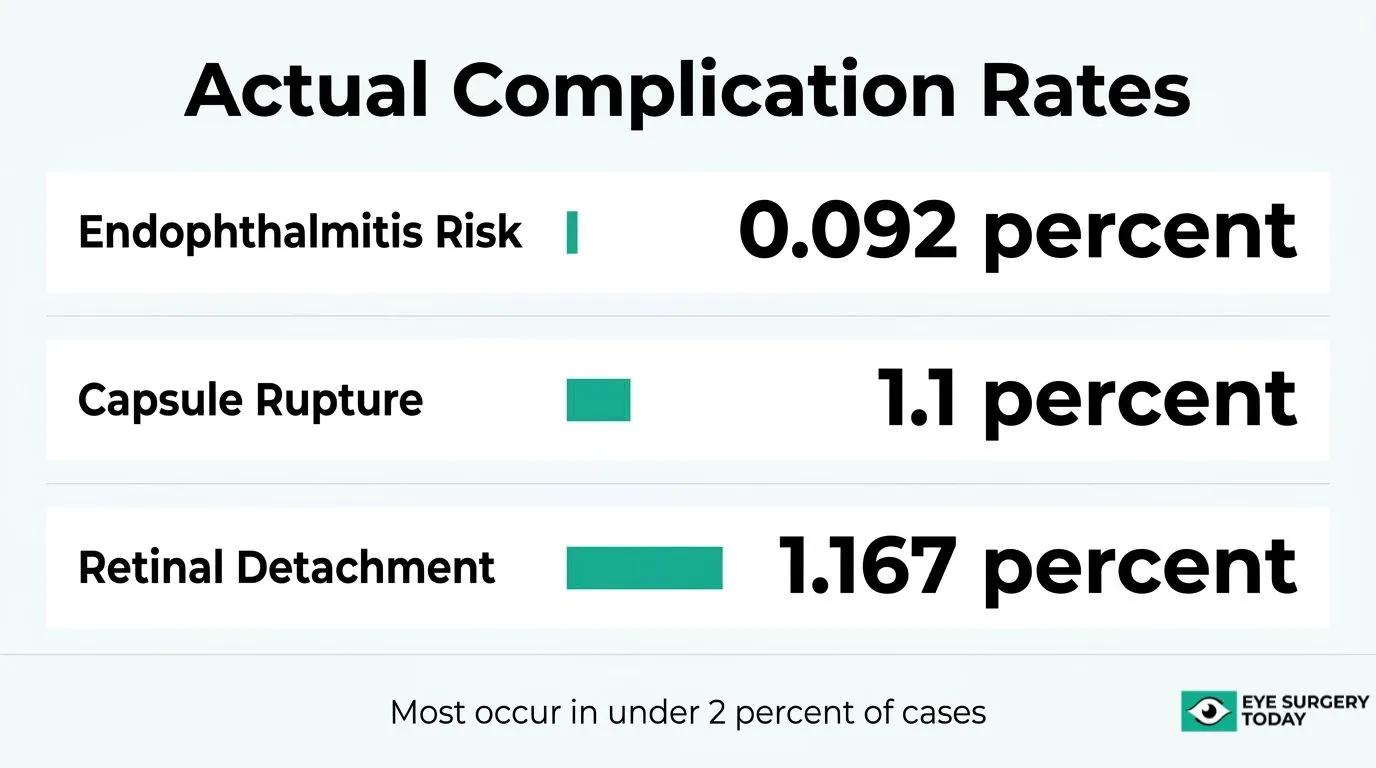
Serious vision-threatening complications after cataract surgery occur at low rates across large populations. Three key figures from the research illustrate the scope:
- Endophthalmitis (serious intraocular infection): pooled incidence of approximately 0.092% across more than 5.8 million eyes, dropping to 0.063% in studies after 2010, according to a systematic review in the International Journal of Ophthalmology.
- Posterior capsule rupture: found in 1.1% of 2,853,376 surgeries analyzed by EUREQUO across European clinics from 2008 to 2018, with annual rates showing a decreasing trend.
- Retinal detachment: pooled risk of approximately 1.167% across more than 3.3 million eyes, with a mean time to detachment of 23.12 months, per a pooled analysis in the Journal of Ophthalmology.
Surgeon experience is a meaningful factor in these outcomes. A population-based cohort of 284,797 cataract surgeries in Ontario, Canada, found that surgeons performing more than 1,000 cases per year had an adverse-event rate of 0.1%, compared with 0.8% among surgeons performing 50 to 250 cases per year, according to a study published in Ophthalmology by the University of Toronto and the Institute for Clinical Evaluative Sciences. Choosing an experienced, high-volume surgeon is one of the most practical steps a patient can take to reduce risk.
Who May Be a Good Candidate for Cataract Surgery and Who May Need Extra Caution?
Candidacy for cataract surgery depends on age, general health, and the presence of other eye conditions. The following sub-sections cover how each factor shapes surgical safety and timing.
How Do Age and General Health Influence Whether Cataract Surgery Is Safe?
Age and general health influence whether cataract surgery is safe by shaping both surgical risk and the likelihood of meaningful visual improvement. Most patients are older adults, and age alone does not disqualify someone; rather, the concern is systemic conditions that may complicate anesthesia or healing.
The WHO’s 2026 cataract-surgery quality recommendations call for a comprehensive preoperative examination that includes a full medication history, allergy review, documentation of best-corrected visual acuity, and management of comorbidities before a surgical decision is made. This structured evaluation is what makes surgery appropriate across a wide age range, as it identifies patients who need extra preparation rather than simply ruling them out.
In practice, well-controlled systemic conditions such as hypertension or mild diabetes rarely prevent surgery when properly managed before the procedure.
How Do Other Eye Conditions Affect Cataract Surgery Safety?
Other eye conditions affect cataract surgery safety by influencing both the surgical approach and the likely visual outcome. Two conditions are particularly relevant: age-related macular degeneration (AMD) and glaucoma.
In patients with AMD, surgery may still offer meaningful benefit. A 2025 cohort study published in Ophthalmology Retina of 58 AMD patients found that 71% exhibited improved vision after cataract surgery, 17% maintained their preoperative vision, and 12% experienced a decrease.
For patients with glaucoma, cataract surgery may actually lower intraocular pressure. A 2023 systematic review of 6 randomized controlled trials, from ophthalmology departments in Lisbon, Portugal, found a consistent postoperative intraocular pressure reduction of 4.1 to 8.5 mmHg and a mean reduction of 0.2 to 1.0 glaucoma medications after surgery. These findings suggest that for many patients with concurrent eye disease, surgery carries risks that are manageable and outcomes that remain positive.
When Might Cataract Surgery Be Riskier or Delayed on Medical Grounds?
Cataract surgery may be riskier or delayed on medical grounds when a patient has poorly controlled systemic disease, active ocular inflammation, or specific medication use that complicates the procedure. The three most clinically significant scenarios are diabetes with retinopathy, use of alpha-1 antagonist medications, and inadequate preoperative optimization.
Patients with diabetes deserve particular attention. A 2025 systematic review and meta-analysis of 15 studies involving 7,287 patients, published in the American Journal of Ophthalmology, found that diabetic retinopathy progression was higher after cataract surgery (RR 1.46; 95% CI, 1.28 to 1.66), and progression to sight-threatening diabetic retinopathy was also higher (RR 1.84; 95% CI, 1.21 to 2.81). The authors recommend close monitoring within one year after surgery in patients with diabetes.
Regarding medications, tamsulosin and other alpha-1 antagonists are associated with intraoperative floppy iris syndrome (IFIS), a condition characterized by iris prolapse, billowing, and progressive intraoperative miosis. A 2020 review from Aristotle University of Thessaloniki reported IFIS prevalence ranging from 1.1% to 12.6%, with tamsulosin carrying the strongest association. Surgeons should be informed of all medications well in advance so appropriate precautions can be taken.
Delaying surgery is rarely the safest choice indefinitely; in most cases, optimization rather than avoidance produces better outcomes.
How Does the Cataract Surgery Procedure Actually Work Step by Step?
Cataract surgery follows a structured sequence covering preparation, the operation itself, and immediate recovery. The sections below explain what happens at each stage.
What Happens Before Cataract Surgery on the Day of the Procedure?
Before cataract surgery on the day of the procedure, the surgical team prepares the eye with dilating and anesthetic drops, reviews the patient’s medical history and medications, and confirms biometric measurements taken at the preoperative assessment. According to WHO’s 2026 cataract-surgery quality recommendations, a comprehensive preoperative examination must include a history of medicines, allergies, and previous ocular surgery, along with documentation of best-corrected visual acuity. Patients typically fast for a specified period beforehand and arrange transport home, as they cannot drive after the procedure.
What Happens During Cataract Surgery Itself?
Cataract surgery works through a technique called phacoemulsification. According to a StatPearls clinical review published by the National Center for Biotechnology Information, the surgeon makes a 2–3 mm incision, inserts an ultrasonic probe to emulsify and aspirate the clouded lens, then implants a foldable intraocular lens through the same small opening. NHS guidance confirms the operation usually takes 20–45 minutes under local anesthetic, with the patient awake but free from pain. The small incision is self-sealing in most cases and requires no sutures.
What Should Patients Expect Immediately After the Operation?
Immediately after the operation, patients rest briefly in a recovery area before discharge, typically on the same day. Guidance from Guy’s and St Thomas’ NHS Foundation Trust states that vision may be blurry for the first week, and mild redness, watering, and grittiness can be normal; severe pain, however, is not normal and should be reported promptly. A protective eye shield is usually worn overnight, and antibiotic and anti-inflammatory drops are prescribed. Most patients notice meaningful visual improvement within days, though full clarity takes longer as the eye settles.
How Is Pain, Discomfort, and Anesthesia Managed During Cataract Surgery?
Pain and anesthesia management during cataract surgery relies on local anesthetic techniques that keep patients comfortable while remaining awake. The three H3s below cover the main anesthesia types used, realistic pain expectations, and how surgical teams address common fears around needles, drops, and sedation.
What Types of Anesthesia Are Commonly Used for Cataract Surgery?
The types of anesthesia commonly used for cataract surgery are topical (eye-drop) anesthesia and sub-Tenon’s (injectable) anesthesia. Both approaches numb the eye effectively and allow the procedure to proceed without general anesthesia in most cases. Topical anesthesia uses drops applied directly to the eye surface, avoiding any needle contact. Sub-Tenon’s anesthesia delivers local anesthetic behind the eye through a blunt cannula, providing deeper numbness and some akinesia. General anesthesia is reserved for patients with significant anxiety disorders or those unable to cooperate, and it is comparatively uncommon in routine cataract care.
What Level of Pain or Discomfort Do Most Patients Actually Experience?
Most patients experience mild discomfort rather than significant pain during cataract surgery. According to a Cochrane Database of Systematic Reviews analysis of 7 randomized studies involving 742 operated eyes of 617 participants, topical anesthesia increased intraoperative pain by approximately 1.1 points on a 0-to-10 scale compared with sub-Tenon’s anesthesia; postoperative pain at 24 hours differed by only 0.2 points between the two methods. The review concluded that both techniques are safe and that some intraoperative discomfort should be expected with either approach. In practice, the majority of patients report pressure or awareness rather than sharp pain, and severe pain during the procedure is not the norm.
How Are Needle, Drop, or Sedation Fears Usually Handled?
Needle, drop, and sedation fears during cataract surgery are typically managed through clear pre-operative counseling, technique selection, and, when needed, oral or intravenous sedation. Patients afraid of injections can often be offered topical anesthesia exclusively, eliminating needle contact with the eye. Those with broader anxiety may receive oral sedative premedication or monitored intravenous sedation alongside local anesthesia, keeping them relaxed while avoiding full general anesthesia. Surgical teams routinely discuss these options at the preoperative consultation, allowing patients to choose the approach that best matches their comfort level. Proactive communication is arguably the most underutilized tool here: patients who understand exactly what sensations to expect report significantly less intraoperative distress.
What Is Recovery From Cataract Surgery Like and How Long Does It Take?
Recovery from cataract surgery follows a predictable progression, with most patients noticing improvement within days. The sections below cover what to expect in the first 48 hours, the first full week, and when common activities such as driving, working, and exercising can safely resume.
What Is the First 24 to 48 Hours After Cataract Surgery Usually Like?
The first 24 to 48 hours after cataract surgery are typically a period of rest, with mild discomfort and fluctuating vision. Patients usually go home the same day wearing a protective eye shield. Some light sensitivity, watering, and a gritty sensation may be present, but these are generally expected responses to the procedure. Severe pain during this window is not considered normal and warrants prompt contact with the surgical team.
What Can Patients Expect in the First Week After Cataract Surgery?
Patients can expect blurry vision, mild redness, and intermittent watering throughout the first week, all of which are generally considered normal. According to guidance from Guy’s and St Thomas’ NHS Foundation Trust, vision may remain blurry for the first week, and patients should not drive while experiencing blurred or double vision, drowsiness, or dizziness.
Importantly, imperfect vision immediately after surgery does not indicate a poor outcome. John Hovanesian, MD, an ophthalmologist and American Academy of Ophthalmology member, notes: “Expectations after cataract surgery are high, and patients often wonder why they don’t have 20/20 vision in the days or even weeks after their procedure. That’s like having a hip replacement surgery and asking why you can’t run a marathon at your usual speed the next day. It takes time, physical therapy and patience before you regain all your abilities.”
When Can Patients Safely Drive, Work, and Exercise Again?
Patients can safely drive, work, and exercise again once vision has sufficiently recovered and their surgical team confirms clearance, but timelines vary by individual and occupation. According to Moorfields Eye Hospital, most patients return to day-to-day activities within one week, while those with physically demanding jobs may need additional recovery time. Driving can resume only when vision meets the required standard and the consultant confirms this at follow-up.
Activities such as heavy lifting, contact sports, and swimming are typically restricted during the early recovery period. Patients in sedentary roles may return to desk work sooner, while those in physically active professions should discuss specific timelines directly with their surgeon.
How Do the Potential Benefits of Cataract Surgery Compare With the Risks?
The potential benefits of cataract surgery generally outweigh the risks for most patients with visually disabling cataracts. The sections below examine vision improvement outcomes, quality-of-life gains versus complication rates, and circumstances where delaying surgery may be reasonable.
How Much Can Cataract Surgery Potentially Improve Everyday Vision?
Cataract surgery can potentially improve everyday vision in the majority of patients, including those with coexisting eye disease. According to a 2025 cohort study published in Ophthalmology Retina, 71% of 58 patients with age-related macular degeneration exhibited improved vision after cataract surgery, 17% maintained preoperative vision, and only 12% experienced a decrease. Even in this higher-risk population, the odds of meaningful visual gain are substantially better than the odds of decline. For patients without significant comorbidities, outcomes are generally more favorable still.
How Do Quality-of-Life Gains Compare With the Small Risk of Complications?
The quality-of-life gains from cataract surgery are broad and measurable, while serious complications remain relatively uncommon. A six-year longitudinal study published in PLOS ONE, conducted in Bangladesh and the Philippines with 455 cataract cases, found that health-related quality of life, participation in productive activities, and per-capita expenditure all increased one year after surgery, with most gains sustained at six years. Complication rates for events such as endophthalmitis and retinal detachment remain well below 2% in high-volume settings. For most patients, the functional and economic benefits substantially outpace the residual procedural risk.
When Might It Be Reasonable to Delay Cataract Surgery Despite Its Benefits?
Delaying cataract surgery may be reasonable when vision impairment is mild and does not interfere with daily tasks, when systemic health is unstable, or when ocular comorbidities require stabilization first. A 2025 meta-analysis in the American Journal of Ophthalmology found that diabetic-retinopathy progression was higher after cataract surgery (RR 1.46; 95% CI, 1.28–1.66), with progression to sight-threatening retinopathy also elevated (RR 1.84; 95% CI, 1.21–2.81), leading the authors to recommend close monitoring within one year in diabetic patients. Your ophthalmologist can weigh these individualized factors to help determine the right timing for surgery.
How Do Different Intraocular Lens Options Affect Safety and Patient Fears?
Intraocular lens options affect safety and patient fears primarily through their trade-offs between visual range, dysphotopsia risk, and spectacle dependence. The three H3 sections below cover how premium lenses alter the risk profile, how lens design drives glare and halo concerns, and how patients can weigh spectacle independence against visual clarity.
Do Premium or Multifocal Lenses Change the Risk Profile of Cataract Surgery?
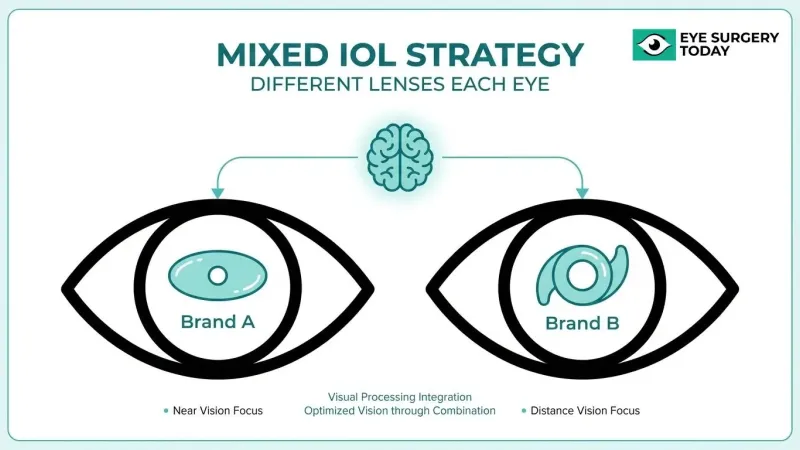
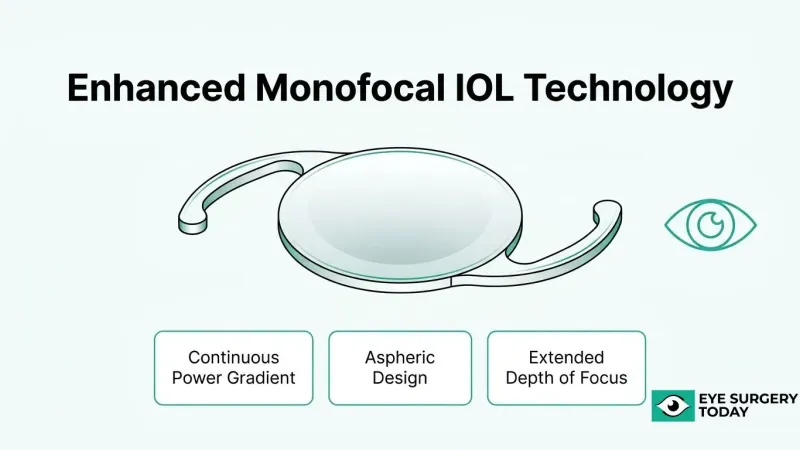
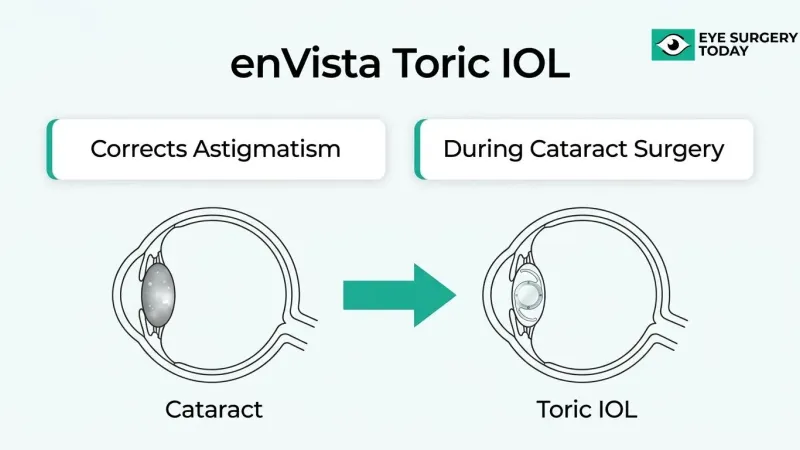
Premium and multifocal lenses do not meaningfully change the surgical risk profile of cataract surgery itself, but they may introduce optical side effects that standard monofocal lenses are less likely to cause. The procedural risks of phacoemulsification remain the same regardless of lens type. Where the profiles diverge is in postoperative visual quality. According to the European Society of Cataract and Refractive Surgeons, extended-depth-of-focus lenses or pseudophakic monovision may provide intermediate vision with less dysphotopsia than multifocal lenses; toric lenses are recommended when corneal astigmatism reaches 1.0 D or more. For patients already anxious about visual disturbances, this distinction matters considerably when choosing a lens type.
How Can Lens Choice Affect Glare, Halos, and Night-Driving Concerns?
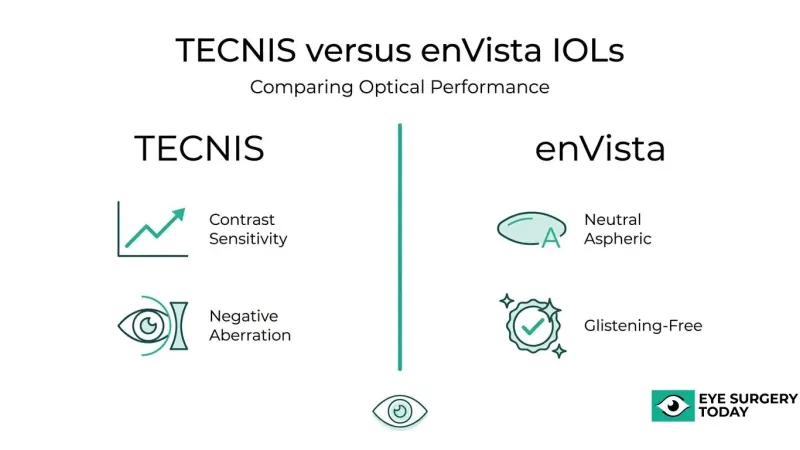
Lens choice can affect glare, halos, and night-driving concerns because diffractive multifocal and extended-depth-of-focus designs split incoming light across multiple focal points, which increases the likelihood of perceived optical artifacts compared to monofocal lenses. Glare testing is listed among standard diagnostic evaluation components by StatPearls, reflecting how clinically significant this outcome is. Patients who regularly drive at night or work in variable lighting conditions should discuss dysphotopsia risk explicitly with their surgeon before selecting a premium lens, as these effects can persist and affect daily function.
How Can Patients Balance Spectacle Independence Wishes With Safety and Clarity?
Patients can balance spectacle independence wishes with safety and clarity by understanding that reduced glare and reduced spectacle dependence currently sit at opposite ends of the same trade-off. In a 2022 retrospective comparative study of 87 patients at Taipei Nobel Eye Clinic and Universal Eye Center Clinic, glare incidence was significantly lower in the monofocal group than in the bifocal and extended-depth-of-focus groups (p < 0.001), while spectacle dependence was significantly higher in the monofocal group. This makes the conversation with a surgeon genuinely individualized: a patient who rarely drives after dark and strongly dislikes reading glasses faces a different calculation than one who commutes nightly. Lens selection is ultimately a values-based decision, and the clearest outcomes come when patients articulate their visual priorities before surgery rather than after.

How Can Patients Reduce Their Risks and Improve Safety Before Cataract Surgery?
Patients can reduce their risks before cataract surgery through accurate preoperative measurements, transparent medication disclosure, and following their surgeon’s preparation instructions. The sections below cover biometry and diagnostic testing, medication and health condition review, and pre-surgery safety steps.
What Preoperative Tests and Eye Measurements Help Make Cataract Surgery Safer?
Preoperative tests that help make cataract surgery safer include optical biometry, keratometry, and intraocular pressure measurement. According to NICE guidance, optical biometry is the preferred method for axial-length measurement, with ultrasound biometry reserved for cases where optical biometry is not possible or accurate. NICE also specifies which IOL power formula to apply based on axial length: Barrett Universal II for 22–26 mm eyes, Hoffer Q or Haigis for eyes below 22 mm, and Haigis or SRK/T for eyes above 26 mm. Additional assessments, including slit-lamp examination, pupil evaluation, and possible OCT, help characterize the cataract and identify comorbidities before the first incision is made. Precise biometry is arguably the single most controllable factor in achieving good postoperative vision.
Which Medications and Health Conditions Should Patients Discuss With Their Surgeon?
Patients should discuss all current medications and systemic health conditions with their surgeon, particularly alpha-1 antagonists such as tamsulosin. A 2020 review from Aristotle University of Thessaloniki found that intraoperative floppy iris syndrome (IFIS), characterized by iris prolapse, billowing, and progressive miosis, has a reported prevalence of 1.1% to 12.6%, with tamsulosin carrying the strongest association among alpha-1 antagonists. Patients with diabetes, glaucoma, or prior ocular surgery should also disclose these conditions, as each may alter surgical planning. The WHO’s cataract-surgery quality recommendations call for a comprehensive preoperative history covering medicines, allergies, and previous ocular surgery to support safer decision-making.
What Pre-Surgery Instructions Should Patients Follow to Lower Risk?
Pre-surgery instructions patients should follow include arranging transportation, fasting if required by the anesthetic protocol, and applying any prescribed preoperative eye drops as directed. Patients should inform the surgical team of any changes in health or medication after the consent appointment. Arriving without eye makeup reduces contamination risk around the periorbital area. Following these steps closely allows the surgical team to proceed without preventable delays or complications. Selecting a high-volume surgeon also matters: a population-based cohort of 284,797 surgeries in Ontario found adverse-event rates of 0.1% among surgeons performing more than 1,000 cases per year, compared with 0.8% among those performing 50–250 cases per year.
How Can Choosing a Surgeon and Clinic Influence the Safety of Cataract Surgery?
Choosing a surgeon and clinic can significantly influence cataract surgery safety through factors such as surgical experience, annual case volume, available technology, and infection-control standards. The following sections cover what qualifications to seek, how volume and equipment affect outcomes, and which questions to raise before committing to a procedure.
What Experience and Qualifications Should Patients Look For in a Cataract Surgeon?
The experience and qualifications patients should look for in a cataract surgeon include board certification in ophthalmology, subspecialty training in cataract and refractive surgery, and a demonstrable record of managing complex cases such as those involving intraoperative floppy iris syndrome or dense cataracts. Surgeons affiliated with accredited hospitals or ambulatory surgery centers are generally held to additional quality and infection-prevention standards. Patients with comorbidities such as glaucoma, diabetic retinopathy, or age-related macular degeneration benefit most from a surgeon with documented experience in those specific conditions. Reviewing a surgeon’s professional memberships and published outcomes, where available, adds a useful layer of verification.
How Do Surgical Volume and Technology Used Impact Safety and Outcomes?
Surgical volume and technology both measurably impact cataract surgery safety. According to a population-based cohort study of 284,797 cataract surgeries at 70 hospitals and eye surgery centers in Ontario, Canada, surgeons performing more than 1,000 cases per year had an adverse-event rate of 0.1%, compared with 0.8% among surgeons performing 50 to 250 cases per year. Beyond volume, clinics using modern phacoemulsification platforms, optical biometry, and rigorous device-reprocessing protocols reduce the likelihood of both surgical and infectious complications. High-volume, well-equipped facilities tend to combine procedural efficiency with systematic quality oversight, and that combination is difficult to replicate in lower-volume settings.
What Questions Should Patients Ask at a Cataract Consultation About Safety?
The questions patients should ask at a cataract consultation about safety include those covering the surgeon’s annual case volume, complication rates, anesthesia options, infection-prevention protocols, and the specific intraocular lens recommended for their eye measurements. Patients should also ask how the clinic handles unexpected intraoperative events, what postoperative monitoring is provided, and who to contact if symptoms such as severe pain or sudden vision change occur after discharge. Given that common post-surgery search queries include driving timelines, activity restrictions, and dietary guidance, clarifying these points at consultation reduces uncertainty during recovery. Arriving with a written list of questions ensures no concern is overlooked in what can feel like a brief appointment.
How Can Patients Manage Anxiety and Fear About Cataract Surgery?
Patients can manage anxiety and fear about cataract surgery through a combination of psychological strategies, open communication with their surgical team, and, in some cases, professional counseling or sedation support. The following sections cover practical calming techniques, how team conversations address specific concerns, and when additional support may be appropriate.
What Psychological or Practical Strategies Can Help Patients Feel Calmer?
Psychological and practical strategies that can help patients feel calmer include deep breathing exercises, guided imagery, focused distraction during the procedure, and thorough preoperative education. Understanding exactly what to expect removes much of the uncertainty that drives anxiety. Bringing a trusted companion on the day of surgery, listening to music through headphones, and asking the surgical team for a step-by-step explanation beforehand are all approaches that patients commonly find helpful.
A 2021 systematic review published in Psychology Research and Behavior Management found that older studies reported 33% of patients experienced fear before first-eye cataract surgery, suggesting anxiety is a well-recognized and normal response rather than an unusual reaction. Acknowledging that fear is common often reduces its intensity on its own.
How Can Talking With the Surgical Team Help Ease Specific Fears?
Talking with the surgical team can help ease specific fears by giving patients direct, factual answers to concerns about pain, awareness, and outcomes before they reach the operating room. Surgeons and nurses can clarify what sensations are normal during the procedure, explain how local anesthesia works to prevent pain, and set realistic expectations for recovery. Patients who voice a particular fear, such as moving accidentally or losing vision permanently, can receive targeted reassurance grounded in clinical evidence.
From a practical standpoint, asking questions at the preoperative consultation is one of the most underused tools available to patients. A clear, honest conversation tends to be more reassuring than internet searches, which often surface worst-case anecdotes without statistical context.
When Might Professional Counseling or Sedation Support Be Appropriate?
Professional counseling or sedation support may be appropriate when anxiety is severe enough to interfere with a patient’s ability to consent calmly, cooperate during the procedure, or follow postoperative care instructions. Patients with a diagnosed anxiety disorder, a history of claustrophobia, or significant needle phobia may benefit from speaking with a psychologist or counselor before their surgery date. Intravenous sedation or oral anxiolytic medication can be discussed with the surgical team for patients whose anxiety is unlikely to be managed by reassurance alone.
The Cochrane Database of Systematic Reviews evaluated anesthesia approaches in cataract surgery and concluded that both topical and sub-Tenon’s anesthesia are accepted and safe methods, though some intraoperative discomfort should be expected with either technique. Knowing this in advance allows anxious patients and their care team to plan sedation support proactively rather than reactively. Addressing fear before the day of surgery, rather than on arrival, consistently leads to a calmer procedural experience.
How Should You Approach Concerns About Cataract Surgery With Eye Surgery Today?
Concerns about cataract surgery are best approached with accurate, surgeon-reviewed information that separates evidence-based facts from common misconceptions. Eye Surgery Today covers safety profiles, complication rates, lens options, recovery timelines, and patient fears in depth.
How Can Eye Surgery Today’s Surgeon-Reviewed Guides Help You Understand Cataract Surgery Safety?
Eye Surgery Today’s surgeon-reviewed guides help you understand cataract surgery safety by translating clinical evidence into clear, accessible language free from medical jargon. According to The Lancet, cataract is a clouding of the eye’s natural lens that causes visual impairment, and cataract surgery is the definitive treatment for visually disabling cataract. Rather than leaving patients to piece together information from unreliable sources, Eye Surgery Today organizes surgeon-reviewed content around the questions patients actually ask, covering procedure mechanics, complication rates, anesthesia, lens selection, and recovery. For patients who feel uncertain or overwhelmed before surgery, having structured, evidence-grounded guides reviewed by practicing surgeons can meaningfully reduce anxiety and support more confident conversations with their surgical team.
What Are the Key Takeaways About Whether Cataract Surgery Is Safe and What Patients Are Actually Afraid Of?
The key takeaways are that cataract surgery is widely regarded as safe, that patient fears are common but often exceed the actual clinical risk, and that informed patients tend to make better decisions. Mayo Clinic describes cataract surgery as “very common and generally a safe procedure.” Serious complications such as pseudophakic macular edema occur in approximately 1.17% of uncomplicated cases, according to a retrospective study of 81,984 eyes across eight UK clinical sites published in Ophthalmology. The most frequently reported fears include vision loss, pain, and the operation itself, all of which are addressable through accurate pre-surgical education. Understanding real complication rates, anesthesia options, recovery expectations, and lens choices gives patients a proportionate view of the risk-benefit balance, which is precisely what Eye Surgery Today is built to provide.