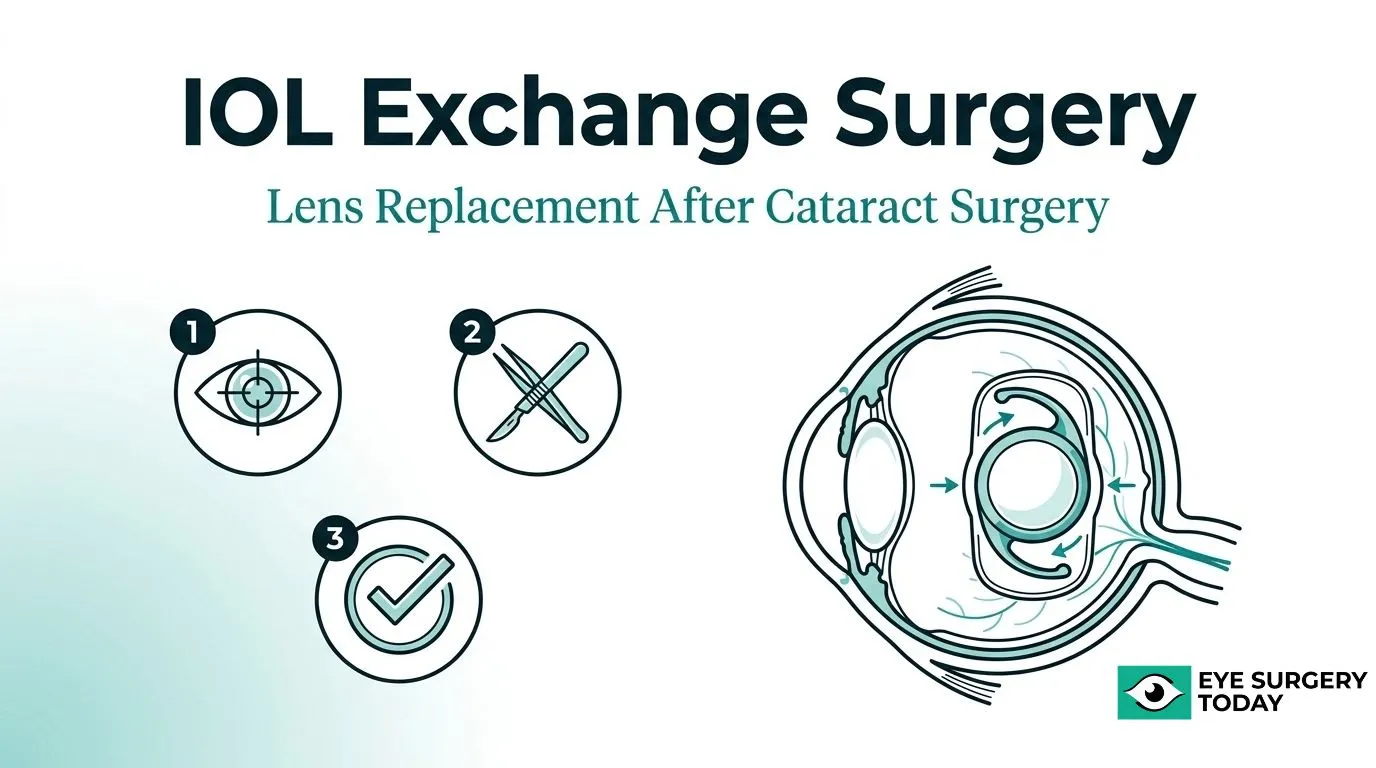
An IOL exchange is a surgical procedure that removes a previously implanted intraocular lens from the eye and replaces it with a new one. This guide covers the fundamentals of IOL exchange, reasons a replacement may be needed, how the procedure is performed and timed, surgical risks and success rates, candidacy and recovery, alternative approaches like piggyback lenses, and cost considerations.
IOL stands for intraocular lens, the artificial implant placed inside the eye during cataract surgery to restore focusing power. An exchange becomes necessary when the original lens fails to deliver adequate vision correction or develops a complication such as dislocation, opacification, or persistent visual disturbances like halos and glare.
The procedure involves carefully removing the existing lens from the capsular bag, navigating any scar tissue or fibrosis that has formed since the original surgery, and positioning a replacement lens based on available structural support. Timing plays a critical role; exchanges performed earlier, before significant fibrosis develops, tend to be technically simpler and may yield more predictable refractive outcomes.
Candidacy depends primarily on corneal endothelial health and capsule integrity. Patients with compromised corneas or damaged capsular bags may face elevated surgical risk or require alternative fixation methods. For those whose original surgery occurred more than 12 months prior, a piggyback IOL placed over the existing lens is often preferred to reduce complications associated with re-entering the capsular bag.
Research suggests that IOL exchange can meaningfully improve visual acuity for appropriately selected patients, though the procedure carries risks including retinal detachment, corneal edema, and glaucoma. Medicare may cover medically necessary exchanges, while premium lens upgrades typically require additional out-of-pocket cost.
What Is an IOL Exchange in Cataract Surgery?
An IOL exchange is a surgical procedure that removes a previously implanted intraocular lens and replaces it with a new one. The following sections explain what IOL stands for, how an exchange differs from the original implant, and the historical origin of the procedure.
What Does IOL Stand For in Cataract Surgery?
IOL stands for intraocular lens, an artificial lens surgically implanted inside the eye to restore focusing power after the natural lens is removed during cataract surgery. According to the National Library of Medicine, after the cataract is removed, a manmade intraocular lens is placed into the eye to restore the focusing power of the original lens and help improve vision. IOLs come in several types, including monofocal, multifocal, toric, and extended depth-of-focus designs, each with different optical properties and cost implications. As Mayo Clinic notes, insurance companies may not cover all lens types, making cost an important factor in lens selection discussions between patient and surgeon.
How Does an IOL Exchange Differ From the Original Implant?
An IOL exchange differs from the original implant primarily in surgical complexity and timing constraints. The original implantation occurs in a clean capsular environment immediately after lens removal, while an exchange must navigate scar tissue, fibrosis, and an already-modified capsule. A 2024 review published in Graefe’s Archive for Clinical and Experimental Ophthalmology noted that IOL exchange can be traumatic to the eye and is not easily carried out once fibrosis has occurred. Research published via European PMC found that the mean interval between IOL implantation and exchange was approximately 62 months in open posterior capsule cases, and that a sufficiently intact capsule was required for a bag-to-bag exchange. Precision also differs: a PubMed-indexed comparative study found that 82% of IOL exchange patients achieved a postoperative spherical equivalent within ±0.5D of intended correction, compared to 92% for secondary piggyback implantation.
When Was IOL Exchange First Performed as a Procedure?
IOL exchange as a procedure traces its origins to the invention of the intraocular lens itself. According to the John A. Moran Eye Center at the University of Utah Health, on November 29, 1949, Sir Harold Ridley performed the world’s first artificial lens implantation in a London cataract patient, an event that started a revolution in lens design. Early IOLs were associated with significant complications, making lens removal and replacement an early clinical necessity rather than a planned refinement. The evolution from rudimentary first-generation lenses to today’s premium multifocal and toric designs reflects how dramatically both implantation and exchange techniques have advanced over seven decades.
Why Would a Patient Need an IOL Exchange?
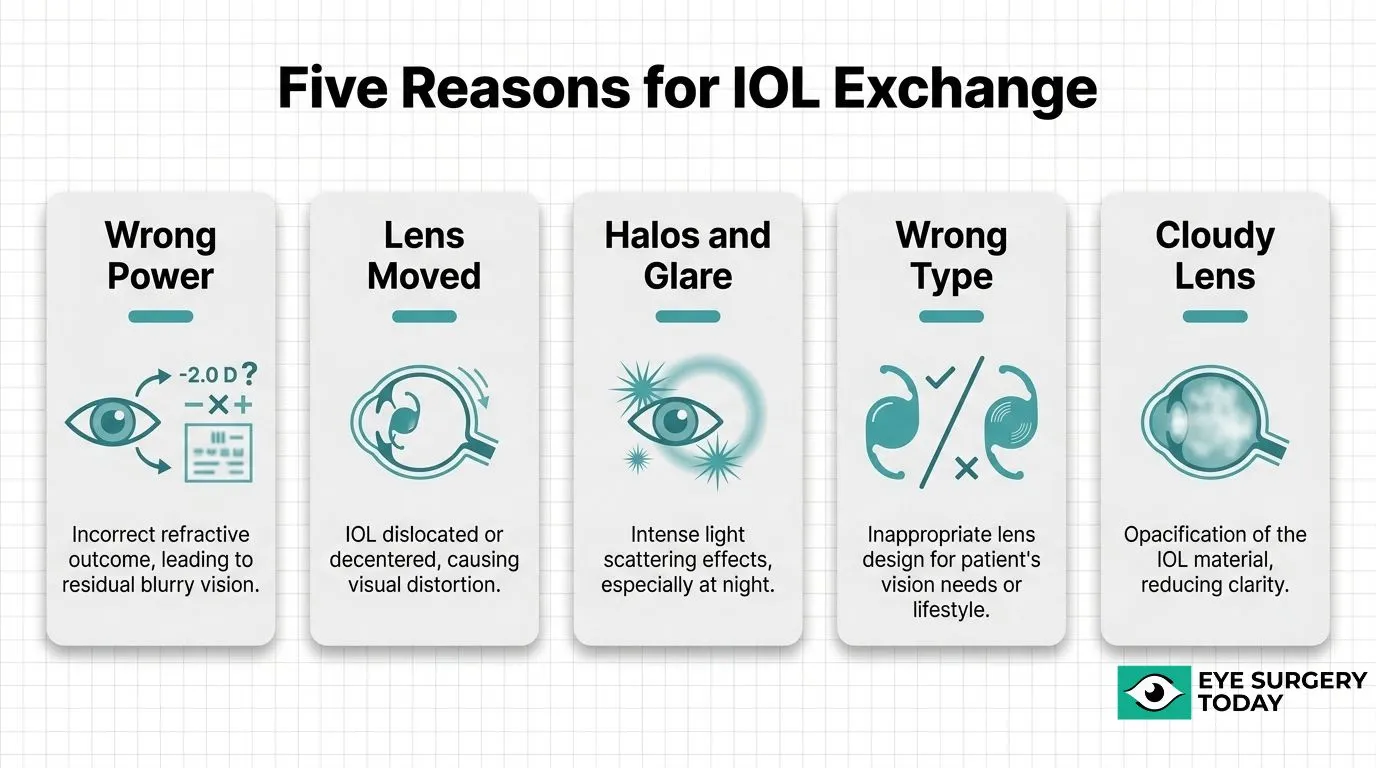
A patient may need an IOL exchange when the original implant fails to deliver adequate vision correction or develops a complication. The five most common reasons are incorrect lens power, lens dislocation, persistent visual disturbances, wrong lens type selection, and lens opacification or damage.
Why Would an IOL Be Replaced Due to Incorrect Power?
An IOL may be replaced due to incorrect power when pre-surgical measurements or calculation errors result in a refractive outcome that leaves the patient significantly under- or over-corrected. According to the U.S. Department of Veterans Affairs, replacement is considered medically necessary when a post-surgical intolerable refractive error makes the originally implanted IOL ineffective. Even with advanced biometry, small errors in axial length or corneal curvature measurement can produce a meaningful difference in the power implanted versus the power needed, resulting in blurred distance or near vision that glasses alone cannot adequately resolve.
Why Would an IOL Be Replaced Due to Lens Dislocation?
An IOL is replaced due to lens dislocation when the implant shifts out of its intended position inside the eye. According to EyeWiki, IOL dislocation is a rare but serious complication, reported at a rate of 0.2% to 3%. Dislocation can occur early from surgical trauma or late from progressive weakening of the zonular fibers that anchor the capsular bag. Once the lens migrates, it can cause blurred vision, double vision, or glare, and surgical repositioning or full exchange becomes necessary to restore optical alignment.
Why Would an IOL Be Replaced Due to Persistent Visual Disturbances?
Persistent visual disturbances are a recognized indication for IOL exchange when a patient experiences unresolvable symptoms after implantation. These disturbances include dysphotopsias such as halos, glare, arcs, or shadows that significantly impair quality of life. According to a study published in Frontiers in Ophthalmology, the prevalence of positive dysphotopsia ranges from 1.5% to 67%, with most values falling between 12% and 35%. When conservative management fails, exchanging a premium multifocal lens for a monofocal alternative may reduce these symptoms, though outcomes are not guaranteed.
Why Would an IOL Be Replaced Due to Wrong Lens Type Selection?
An IOL may be replaced due to wrong lens type selection when the implanted lens design is incompatible with a patient’s visual needs, lifestyle, or anatomy. According to the Cleveland Clinic, there are several distinct IOL types: monofocal lenses offer one focusing distance, multifocal lenses address both near and distance vision, extended depth-of-focus (EDOF) lenses provide a continuous focal range, and toric lenses correct astigmatism. A patient implanted with a multifocal lens who experiences intolerable halos, or one who received a monofocal lens but requires astigmatism correction, may benefit from exchanging to a more appropriate lens type.
Why Would an IOL Be Replaced Due to Lens Opacification or Damage?
An IOL is replaced due to lens opacification or physical damage when the material of the implant degrades over time, clouding the patient’s vision. According to a report from the University of Antwerp Institutional Repository, IOL opacification has become a major cause of lens explantation. Calcification of hydrophilic acrylic lenses is a well-documented mechanism, where calcium and phosphate deposits accumulate within the lens material, scattering light and reducing visual acuity. Physical damage from subsequent ocular procedures or trauma can have a similar effect, making exchange the only viable path to restoring clear vision.
How Is an IOL Exchange Procedure Performed?
An IOL exchange procedure follows a structured sequence: pre-surgical evaluation, removal of the existing lens, and precise placement of the replacement IOL. The sections below cover what each phase involves and how long the surgery typically takes.
What Happens During the Pre-Surgical Evaluation for IOL Exchange?
The pre-surgical evaluation for IOL exchange involves a comprehensive ophthalmic assessment to determine whether the patient can safely undergo the procedure. The surgeon measures the eye’s axial length and corneal curvature to calculate the correct power for the replacement lens. Capsule integrity, corneal endothelial cell count, and the degree of fibrosis around the existing IOL are all assessed, as each factor directly affects surgical approach and expected outcomes.
How Is the Old IOL Removed Without Damaging the Eye?
The old IOL is removed by first making a corneal incision, then filling the anterior chamber with viscoelastic to protect surrounding tissues. According to a published review in Dovepress, the anterior and posterior leaflets of the capsular bag must be separated using a combination of mechanical and viscoelastic-assisted dissection. The IOL haptics are carefully freed from any fibrous adhesions before the lens is folded or sectioned for removal through the incision. Surgeons must minimize anterior chamber manipulation to reduce the risk of corneal endothelial damage.
How Is the Replacement IOL Positioned and Secured?
The replacement IOL is positioned based on available capsular support. When the capsular bag remains intact, the new lens is placed within the bag. If capsular support is insufficient, the IOL may be fixated in the ciliary sulcus, sutured to the sclera, or fixated to the iris. Placement location is determined intraoperatively based on structural findings, making preoperative planning essential but not always definitive.
How Long Does an IOL Exchange Surgery Typically Take?
IOL exchange surgery typically takes approximately one hour, similar in duration to primary cataract surgery, though complex cases involving fibrosis or dislocated lenses may require additional time. Refractive precision in these procedures can be high: according to a review published in the Ghana Journal of Clinical and Surgical Research, spherical equivalent was within ±0.50 D of the target in 86.5% of patients following IOL exchange. Surgical duration is a secondary concern compared to achieving accurate lens power and safe tissue handling.
How Soon After Cataract Surgery Can an IOL Be Exchanged?
The timing of an IOL exchange depends on how much the eye has healed and how significantly capsular fibrosis has developed. The sections below cover early exchange in the first weeks, late exchange months or years out, and how elapsed time affects surgical difficulty.
Can an IOL Be Exchanged in the First Few Weeks After Surgery?
Yes, an IOL can be exchanged in the first few weeks after surgery, but surgeons rarely proceed that early. Full visual recovery may take 3 to 10 weeks, according to MyHealth.Alberta.ca, meaning many symptoms that prompt exchange concerns, such as blurred vision or halos, may still resolve on their own. A routine follow-up appointment typically occurs within 6 weeks of surgery, which is usually the earliest point at which a refractive outcome can be reliably assessed.
Proceeding too soon risks intervening before the eye has stabilized. According to a study published in Ophthalmology, the most common complication at 1 year after IOL exchange surgery was new-onset epiretinal membrane (10.9%), followed by mechanical IOL complications (9.4%) and replacement IOL dislocation (7.1%). These risks underscore why early surgical intervention requires careful justification rather than a reactive response to temporary postoperative symptoms.
Can an IOL Be Exchanged Months or Years After Cataract Surgery?
Yes, an IOL can be exchanged months or years after cataract surgery. According to the American Society of Cataract and Refractive Surgery, situations such as a suboptimal refractive outcome or a dislocated IOL may make exchange necessary at any point postoperatively. However, the longer the interval since the original surgery, the more technically complex the procedure becomes.
The European Society of Cataract and Refractive Surgeons notes that when primary surgery was performed more than 12 months earlier, a piggyback IOL is often the preferred alternative. Returning to the capsular bag after such a long interval carries risks including cystoid macular edema, IOL decentration, and vitreous loss. Comorbidities such as pseudoexfoliation or prior YAG capsulotomy further favor the piggyback approach over a full exchange.
Does the Time Since Original Surgery Affect Exchange Difficulty?
Yes, the time since the original surgery significantly affects IOL exchange difficulty. As the capsular bag matures and fibrosis develops, dissecting the original lens becomes progressively more technically demanding.
According to Melissa B. Daluvoy, MD, of Duke Eye Center, indications for exchange include mechanical failure, trauma, predisposing eye conditions such as pseudoexfoliation syndrome, and complications during initial surgery, such as small tears in the capsular bag that result in dislocation over time. Patient dissatisfaction with visual outcomes or intolerable visual phenomena also warrants consideration. In practice, exchanges performed closer to the original surgery generally carry a more favorable technical profile, while late exchanges require a higher level of surgical expertise and a careful assessment of whether exchange or a supplementary piggyback lens better serves the patient.
What Are the Risks of IOL Exchange Surgery?
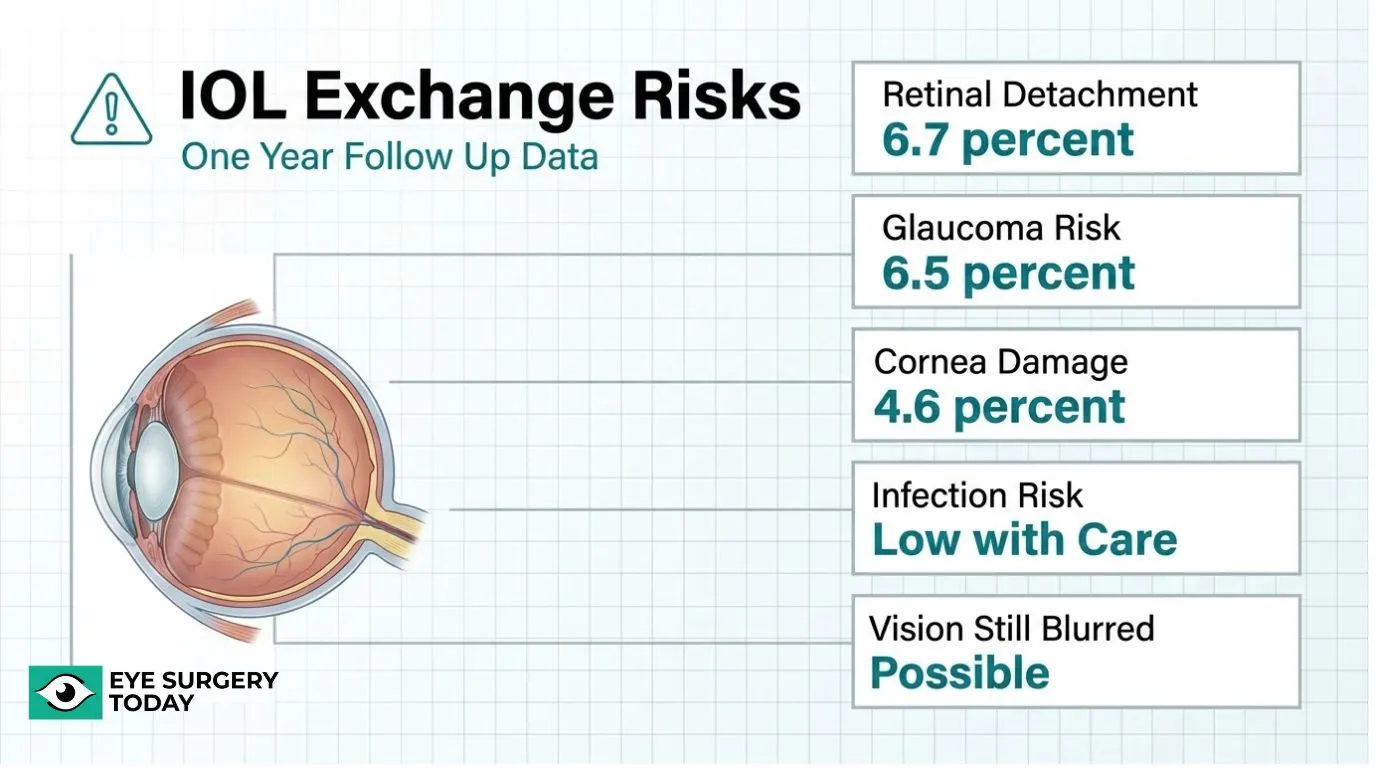
The risks of IOL exchange surgery include retinal detachment, corneal damage, infection, glaucoma, and incomplete vision correction. Each risk varies in likelihood and severity, and your ophthalmologist will weigh these factors carefully before recommending the procedure.
What Is the Risk of Retinal Detachment During IOL Exchange?
The risk of retinal detachment during IOL exchange is a serious concern, as the procedure involves manipulation inside the eye that can stress the vitreous and retina. According to a study published in Ophthalmology, retinal detachment occurred in 6.7% of patients at one year following IOL exchange surgery. Patients with high myopia, prior vitreous disease, or compromised capsule integrity may face elevated risk. In clinical practice, this complication is one of the most consequential outcomes of IOL exchange, making careful patient selection essential before proceeding.
What Is the Risk of Corneal Damage During IOL Exchange?
The risk of corneal damage during IOL exchange includes endothelial cell loss and chronic corneal edema, both of which can compromise long-term vision. The same Ophthalmology analysis found chronic corneal edema or decompensation in 4.6% of patients at one year post-surgery. IOL removal techniques that require more maneuvering in the anterior chamber, such as cutting or folding the lens, may increase endothelial stress. According to the American Academy of Ophthalmology, no major studies have definitively established which removal technique causes less endothelial damage, making surgical judgment a critical variable.
What Is the Risk of Infection After IOL Exchange Surgery?
The risk of infection after IOL exchange surgery is low but requires active precautions during the recovery period. Moorfields Eye Hospital recommends avoiding swimming, saunas, and hot tubs for at least four weeks following the operation to minimize infection and irritation risk. Exposure to waterborne bacteria or heat-related eye stress during this window can introduce pathogens to the healing surgical site. Following post-operative hygiene guidance closely is one of the most straightforward ways to protect against this complication.
What Is the Risk of Glaucoma Following IOL Exchange?
The risk of glaucoma following IOL exchange is a recognized post-surgical complication, with the Ophthalmology study reporting a 6.5% incidence at one year after surgery. Elevated intraocular pressure can result from residual viscoelastic material, inflammation, or altered aqueous drainage pathways disturbed during the procedure. Patients with pre-existing optic nerve vulnerability or a history of elevated intraocular pressure may require closer monitoring post-exchange. Early detection through scheduled follow-up appointments allows for timely pressure management before permanent nerve damage can occur.
What Is the Risk of Incomplete Vision Correction After Exchange?
The risk of incomplete vision correction after IOL exchange is a genuine possibility, particularly when persistent visual symptoms cannot be fully attributed to a correctable cause. A review published in Phacoemulsification in the Setting of Corneal Endotheliopathies on PubMed Central identifies several risk factors for unsatisfactory vision outcomes, including corneal edema, corneal thickness greater than 650 microns, confluent guttae, and central endothelial cell counts below 1,000 cells per square millimeter. Even after a successful exchange, some patients may continue to experience unexplained visual disturbances. According to Dr. Melissa B. Daluvoy of Duke Health, “There can be glare around lights, cobwebbing, or photopsias that we can’t necessarily explain. In those cases, we can exchange the premium lens for a monofocal version and hope they’ll be happier with their quality of vision.” This underscores that IOL exchange improves outcomes for most patients, but cannot guarantee complete symptom resolution in every case.
What Types of Replacement IOLs Are Available for Exchange?
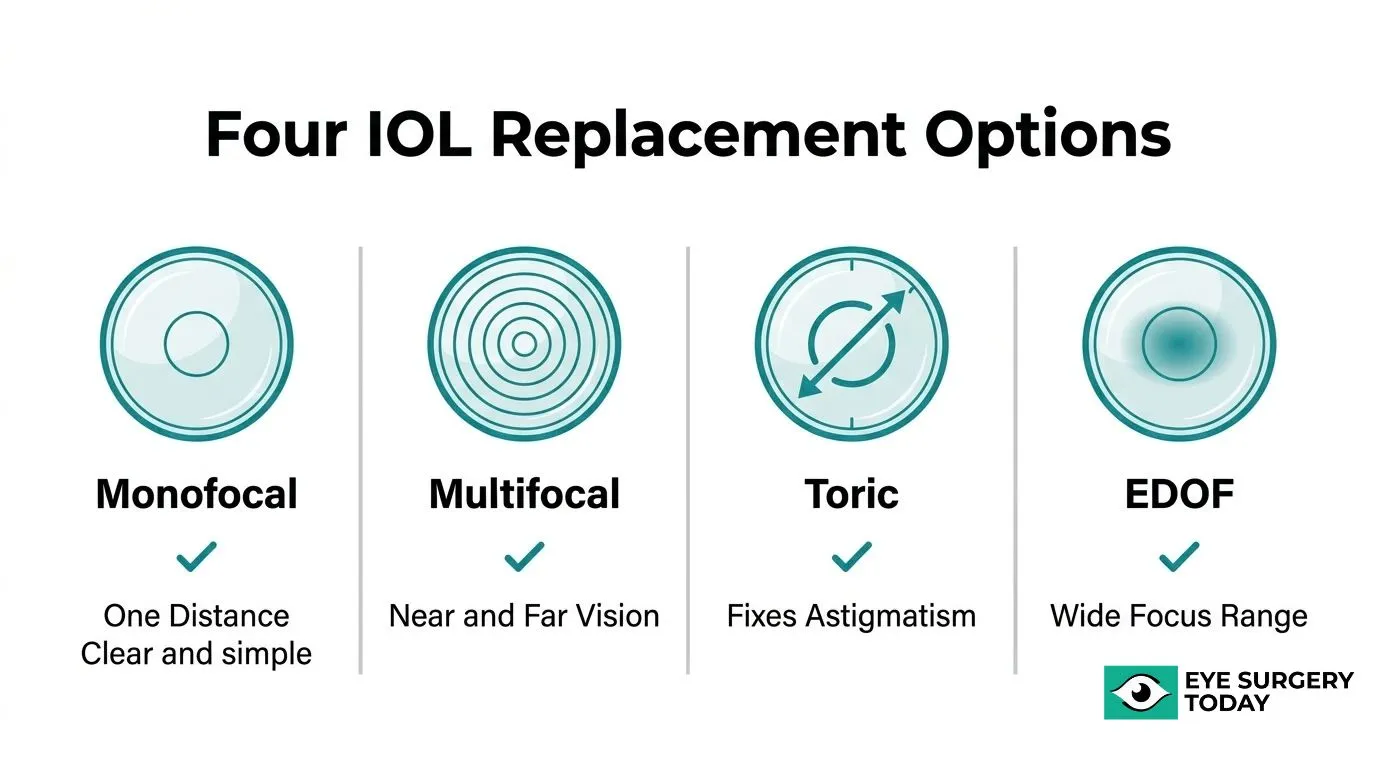
The types of replacement IOLs available for exchange include monofocal, multifocal, toric, and extended depth-of-focus (EDOF) lenses. According to the Cleveland Clinic, each lens type carries distinct pros and cons, and the right choice depends on the patient’s vision goals, lifestyle, and ocular anatomy. The following sub-sections explain each option.
What Is a Monofocal IOL Used as a Replacement?
A monofocal IOL is a single-focus lens that corrects vision at one fixed distance, typically set for clear distance vision. It is the most commonly used replacement lens and the standard covered by most insurance plans. Because it provides only one focal point, patients usually still require reading glasses for near tasks. For patients who experience intolerable visual disturbances after a premium lens, exchanging to a monofocal is often the most reliable path to restoring comfortable vision.
What Is a Multifocal IOL Used as a Replacement?
A multifocal IOL is a lens that improves both close-up and distance vision by distributing light across multiple focal zones. It can reduce dependence on glasses at several distances, though some patients may experience halos or glare, particularly at night. Multifocal lenses are best suited for patients seeking spectacle independence who do not have significant corneal irregularities.
What Is a Toric IOL Used as a Replacement?
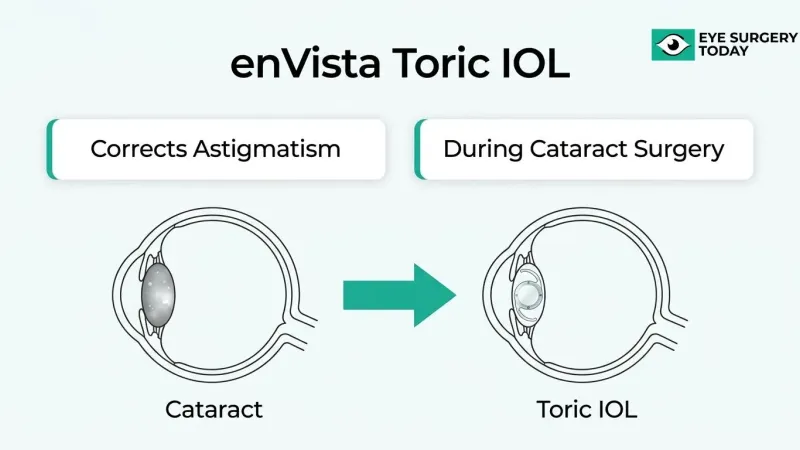
A toric IOL is a lens specifically designed to correct corneal astigmatism alongside distance vision. According to NCBI Bookshelf/StatPearls, toric IOLs may correct astigmatism as low as 0.75 diopters and are considered the most predictive method for astigmatism correction during lens surgery. They are unsuitable, however, for patients with posterior segment pathology, zonular instability, or irregular astigmatism.
What Is an Extended Depth-of-Focus IOL Used as a Replacement?
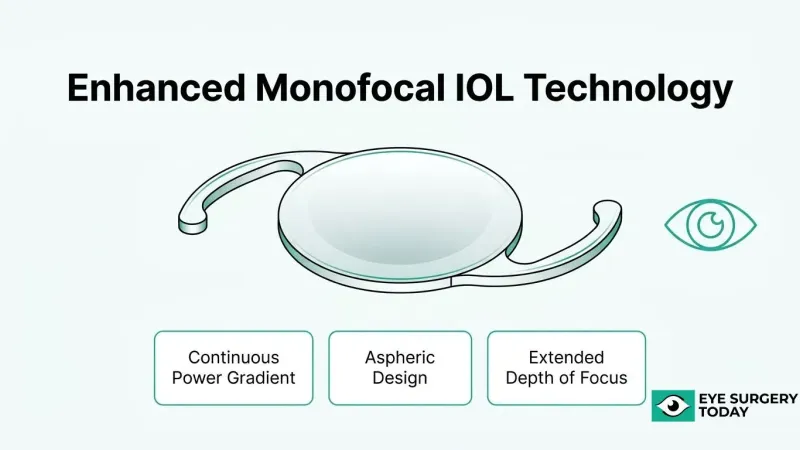
An extended depth-of-focus (EDOF) IOL is a lens that uses a single elongated focal point to expand the range of corrected vision, bridging intermediate and distance clarity more smoothly than traditional monofocal lenses. Unlike multifocal designs, EDOF lenses tend to produce fewer halos and are a strong option for patients who need improved intermediate vision, such as for computer use, while minimizing optical side effects.
How Successful Is IOL Exchange Surgery?
IOL exchange surgery can meaningfully improve visual outcomes for many patients, though success depends on the timing of the procedure, the underlying indication, and the structural integrity of the eye. The following sections cover how often vision improves, how timing affects results, and which clinical factors most influence outcomes.
How Often Do Patients Achieve Improved Vision After IOL Exchange?
Patients often achieve improved vision after IOL exchange, with research showing that mean uncorrected visual acuity can improve significantly following the procedure. According to a study published in Clinical Ophthalmology, mean uncorrected visual acuity improved from 20/192 preoperatively to 20/61 at last follow-up, with 78.7% of eyes meeting their desired refractive outcome within ±1.0 diopter. These figures suggest IOL exchange is a viable corrective option for appropriately selected patients, though outcomes are not guaranteed for everyone.
How Do Success Rates Compare Between Early and Late Exchanges?
Success rates tend to be more favorable when IOL exchange is performed before significant fibrosis develops around the capsular bag. Early exchanges, typically within the first several months, may allow for cleaner lens removal and more predictable repositioning of the replacement IOL. Once fibrosis has occurred, the procedure becomes technically more demanding, which can increase the risk of complications and reduce the likelihood of a precise refractive outcome.
What Factors Most Influence the Outcome of an IOL Exchange?
The factors that most influence IOL exchange outcomes include the indication for surgery, capsule integrity, and timing of the procedure. According to a study published in Scientific Reports, the most frequent indications for IOL exchange were in-the-bag subluxation (23.5%), out-of-the-bag subluxation and refractive error (20.6% each), and uveitis (17.6%), with IOL exchange occurring at a rate of 2 per 1,000 surgeries over eight years. Cases driven by refractive error tend to yield more predictable improvements, while those involving uveitis or structural instability carry greater surgical complexity and less certain visual gain.
Who Is a Good Candidate for IOL Exchange Surgery?
Good candidacy for IOL exchange depends on two key anatomical factors: the health of the cornea and the integrity of the capsular bag. The H3s below address each qualifying criterion, then outline which patients may face higher surgical risk.
Who Qualifies for IOL Exchange Based on Corneal Health?
Patients who qualify for IOL exchange based on corneal health are those whose corneal endothelium can tolerate the surgical stress of lens removal and replacement. According to a PubMed Central review on corneal endotheliopathies, risk factors for poor outcomes include central endothelial cell counts below 1,000 cells/mm², increased corneal thickness greater than 650 µm, confluent guttae on slit-lamp examination, and complaints of blurred vision or glare that worsen in the morning. Patients presenting with any of these findings may face elevated risk of chronic corneal edema or decompensation after the procedure. In clinical practice, a thorough pre-operative specular microscopy assessment is essential before proceeding — corneal status is often the deciding factor between a straightforward exchange and a higher-risk surgery.
Who Qualifies for IOL Exchange Based on Capsule Integrity?
Patients who qualify for IOL exchange based on capsule integrity are those with a sufficiently intact posterior capsule at the time of the procedure. According to a European PMC study, cases involving radial capsular rupture are not suitable for bag-to-bag IOL exchange, as an intact capsule is a prerequisite for standard repositioning of the replacement lens. When capsular support is absent or compromised, surgeons may need alternative fixation strategies, such as suturing the lens to the sclera or iris. The quality of capsular support directly determines which lens fixation approach is safe, making pre-operative assessment of the capsule a critical step in candidacy evaluation.
Who May Not Be a Suitable Candidate for IOL Exchange?
Patients who may not be a suitable candidate for IOL exchange are those with significant corneal endothelial compromise, compromised capsular integrity, or systemic ocular conditions that increase procedural risk. Toric IOLs, for example, are unsuitable for patients with pre-existing posterior segment pathology, zonular instability, or irregular astigmatism, according to NCBI Bookshelf/StatPearls. More broadly, patients whose primary surgery was performed more than 12 months prior may be better served by a piggyback IOL approach, since capsular fibrosis increases the complexity and risk of exchange at that stage. For these patients, the risks of re-entry often outweigh the benefits of a full lens swap.
What Is the Recovery Like After an IOL Exchange?
IOL exchange recovery follows a similar path to initial cataract surgery, though the timeline can vary based on the complexity of the procedure. The following sections cover vision stabilization, activity restrictions, and follow-up care.
How Long Does Vision Take to Stabilize After IOL Exchange?
Vision stabilization after IOL exchange typically takes between 3 and 10 weeks for full clarity to develop. According to MyHealth.Alberta.ca, most patients notice improved vision within 1 to 3 days after surgery, but complete visual benefits may require up to 10 weeks. Initial blurriness, mild fluctuation, and light sensitivity are common during the first few days as the eye adjusts to the new lens. Patients who had more complex exchanges, such as those involving capsule compromise or scleral fixation, may experience a longer stabilization window than those who underwent straightforward bag-to-bag replacements.
What Restrictions Apply During IOL Exchange Recovery?
The restrictions during IOL exchange recovery include avoiding swimming, saunas, and hot tubs for at least 4 weeks, along with limiting strenuous activity in the first week. Moorfields Eye Hospital specifically recommends avoiding water-based activities for a minimum of 4 weeks to reduce infection risk. Harvard Health Publishing advises waiting at least one week before resuming normal activities. Prescription eye drops, typically used for approximately 4 weeks per NHS guidance, are also required to support healing and prevent infection.
What Follow-Up Appointments Are Needed After IOL Exchange?
Follow-up appointments after IOL exchange are typically scheduled within 6 weeks of surgery. Guy’s and St Thomas’ NHS Foundation Trust states that a post-operative review is usually arranged within this window to assess healing, check intraocular pressure, and evaluate refractive outcomes. Additional visits may be scheduled depending on individual recovery progress or if complications such as elevated pressure or corneal swelling are identified. Consistent follow-up is the most practical safeguard for catching early complications before they affect long-term vision outcomes.
How Does IOL Exchange Compare to Piggyback IOL Implantation?
IOL exchange and piggyback IOL implantation are two distinct surgical strategies for correcting residual refractive error after cataract surgery. The sections below compare their refractive precision, ideal timing, and the clinical factors that guide surgeons toward one approach over the other.
How Do Their Refractive Outcomes Compare?
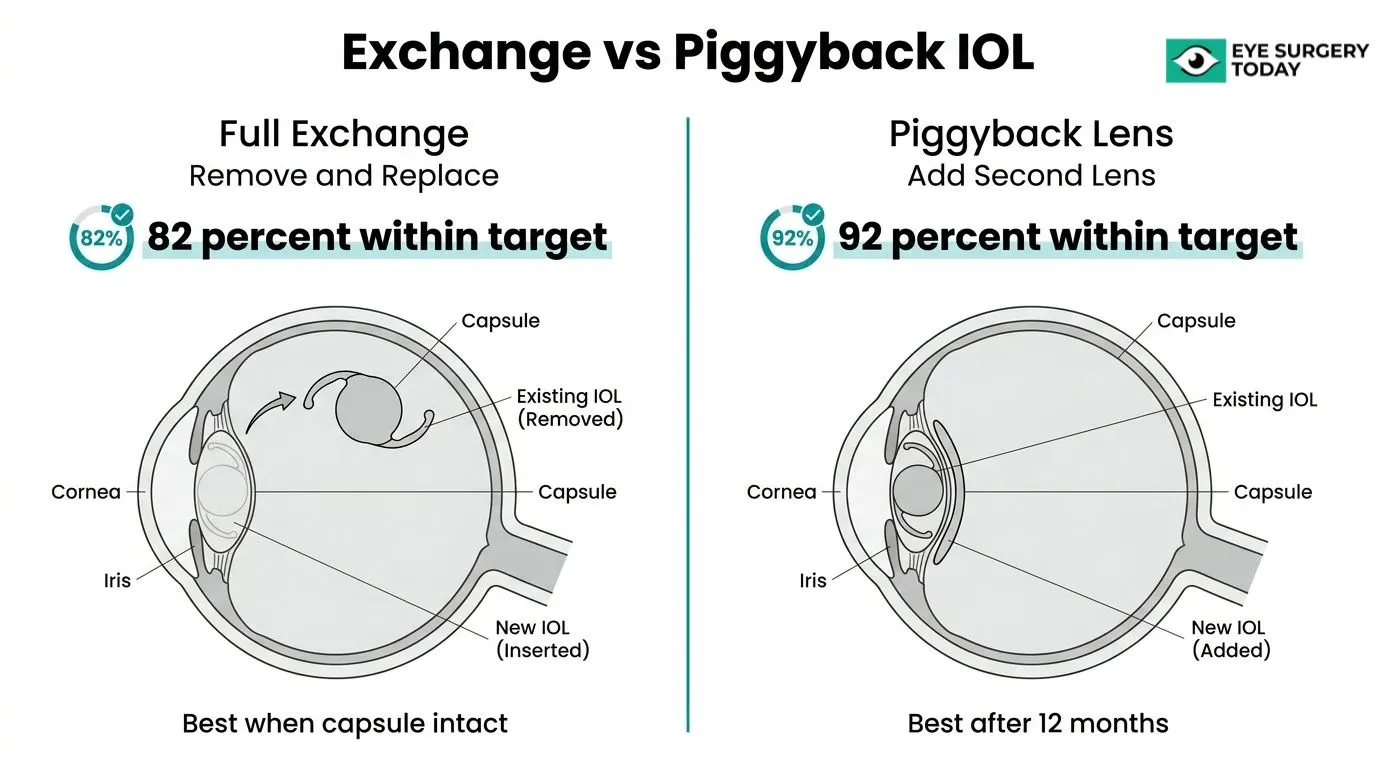
IOL exchange and piggyback IOL implantation produce different refractive accuracy rates. According to a study published on PubMed comparing the two techniques for symptomatic pseudophakic residual ametropia, 92% of piggyback IOL eyes achieved a postoperative spherical equivalent within ±0.5D of the intended correction, compared to 82% in the IOL exchange group.
The difference, while meaningful, does not make one technique universally superior. Piggyback implantation adds a supplementary lens to the ciliary sulcus without disturbing the original implant, which may explain its slightly better refractive predictability. For surgeons managing straightforward refractive misses in otherwise stable eyes, a piggyback approach may offer a more controlled route to the target refraction.
When Is Piggyback IOL Implantation Preferred Over Exchange?
Piggyback IOL implantation is preferred over IOL exchange when the primary surgery was performed more than 12 months earlier. According to the European Society of Cataract and Refractive Surgeons, returning to the capsular bag after such a long interval may increase the risk of cystoid macular edema, IOL decentration, and vitreous loss. Comorbidities such as pseudoexfoliation or prior YAG capsulotomy also favor the piggyback approach.
When Is IOL Exchange the Better Option?
IOL exchange is the better option when the original lens requires complete removal, such as in cases of lens dislocation, IOL opacification, or a lens type that is fundamentally incompatible with the patient’s visual needs. A piggyback lens cannot address structural failures of the primary IOL. When the capsular bag is intact and the interval since original surgery is relatively short, exchange remains a viable and effective intervention.
With these comparisons in mind, the choice between techniques ultimately depends on timing, capsular status, and the nature of the original refractive miss.
How Much Does IOL Exchange Surgery Cost?
IOL exchange cost depends on whether the procedure is medically necessary or elective. The sections below cover Medicare and insurance coverage, then typical out-of-pocket expenses patients may face.
Is IOL Exchange Covered by Insurance or Medicare?
IOL exchange is covered by Medicare when the procedure is medically necessary, such as for a dislocated lens or mechanical IOL failure. According to Medicare.gov, after meeting the Part B deductible, patients pay 20% of the Medicare-approved amount for both the facility and the surgeon in a hospital outpatient setting or ambulatory surgical center.
However, coverage has important limits. The Centers for Medicare and Medicaid Services requires patients to pay any costs that exceed the standard conventional IOL charge when a presbyopia-correcting or premium lens is selected. As Mayo Clinic notes, insurance companies may not cover all lens types, making it important to clarify coverage before choosing a replacement IOL.
What Out-of-Pocket Costs Should Patients Expect for IOL Exchange?
Out-of-pocket costs for IOL exchange vary based on lens type, facility, and insurance status. The lens itself is a relatively small component: according to a U.S. Department of Health and Human Services Office of Inspector General report, IOLs are available on the Federal Supply Schedule for $95 to $198. Surgeon fees, anesthesia, and facility charges add substantially to the total. Patients choosing premium multifocal or toric replacement lenses should expect to pay the difference above standard IOL reimbursement rates out of pocket, as insurers typically cover only the monofocal-equivalent cost.
How Can Patients Learn More About IOL Options and Cataract Surgery Decisions?
Patients can learn more about IOL options and cataract surgery decisions through surgeon-reviewed educational resources that translate clinical evidence into clear, accessible guidance. The following sub-sections cover what Eye Surgery Today’s guides offer and the key takeaways from this article.
How Do Eye Surgery Today’s Surgeon-Reviewed Guides Help Patients Evaluate IOL Choices?
Eye Surgery Today’s surgeon-reviewed guides help patients evaluate IOL choices by presenting peer-reviewed clinical evidence alongside practical explanations free from medical jargon. Each guide addresses the full range of IOL types, candidacy criteria, and surgical considerations that directly affect patient outcomes.
Choosing the right IOL requires understanding both clinical fit and personal vision goals. For example, according to NCBI Bookshelf/StatPearls, toric IOLs may correct corneal astigmatism as low as 0.75 diopters, yet they are unsuitable for patients with posterior segment pathology, zonular instability, or irregular astigmatism. Details like these are rarely communicated clearly to patients before surgery, making surgeon-reviewed guidance especially valuable.
Eye Surgery Today bridges that gap by equipping patients with the structured, evidence-based context they need to have productive conversations with their surgical team.
What Are the Key Takeaways About Whether a Lens Implant Can Be Replaced?
The key takeaways about whether a lens implant can be replaced are that IOL exchange is possible, but its feasibility depends on timing, capsule integrity, indication, and patient candidacy.
The most important conclusions from this article include:
- A lens implant can be replaced when medically indicated, including for dislocation, refractive error, intolerable visual disturbances, or lens opacification.
- Earlier exchanges are technically simpler; fibrosis after prolonged implantation increases procedural complexity and risk.
- Replacement IOL selection must account for each patient’s ocular anatomy and astigmatism status. The FDA-approved AcrySof IQ PanOptix Trifocal IOL, for instance, is indicated only for adults with less than 1 diopter of pre-existing corneal astigmatism.
- IOL exchange carries real surgical risks, and not every patient experiencing dissatisfaction will be a suitable candidate.
- Surgeon-reviewed education helps patients weigh these variables before and after cataract surgery.
Understanding these factors positions patients to make more informed, confident decisions about their vision care.