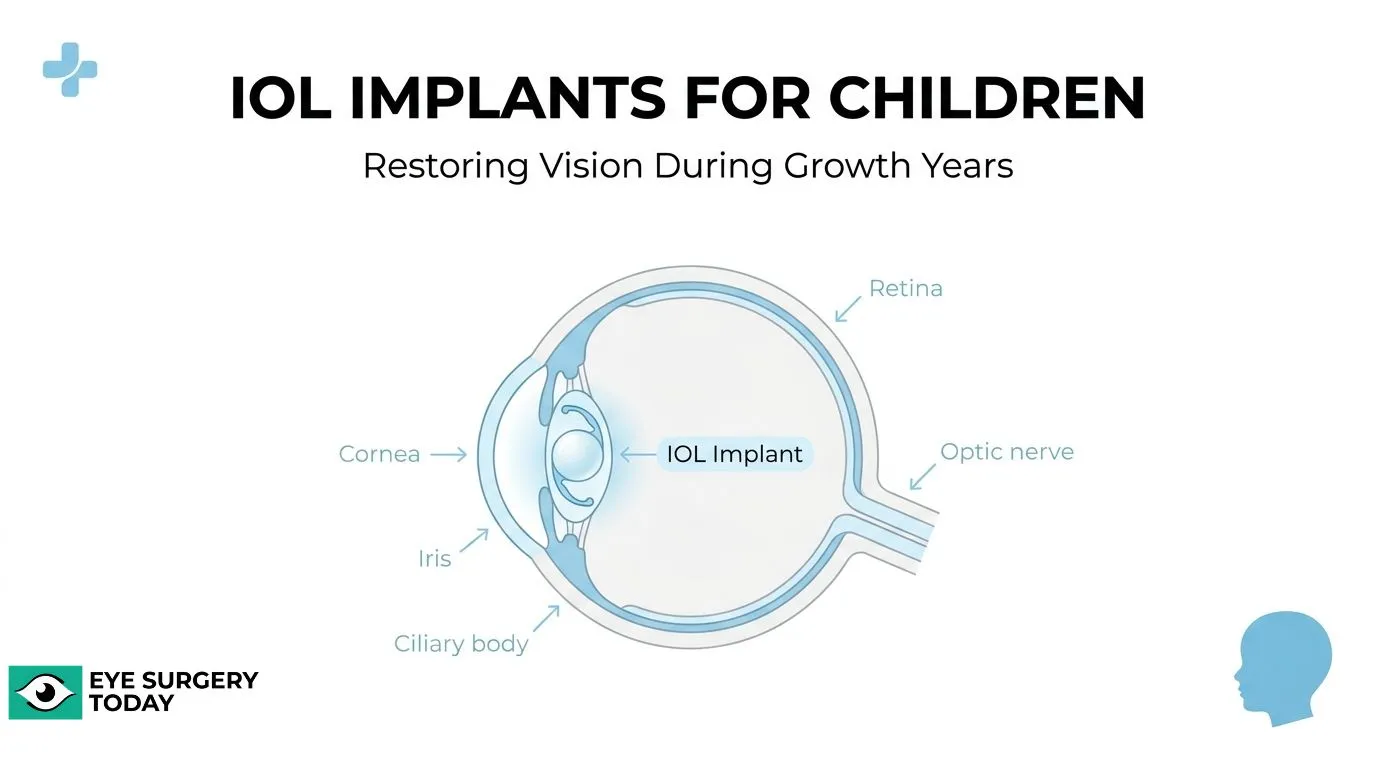
An intraocular lens (IOL) implant for a child is a small artificial lens placed inside the eye after cataract removal to restore focusing ability and support visual development during critical growth years. Pediatric cataracts, which may be present at birth or develop during childhood, can cause lasting vision impairment without timely intervention.
This guide covers the causes and diagnosis of childhood cataracts, IOL candidacy and surgical planning, lens types and power calculation for growing eyes, postoperative risks and long-term follow-up, and how recent advances are reshaping treatment options.
Childhood cataracts can arise from genetic mutations, prenatal infections, trauma, or systemic disease, with autosomal dominant inheritance identified as the most common pattern in bilateral cases. Early detection through red reflex testing and specialized screening tools helps ophthalmologists determine whether a cataract threatens visual development.
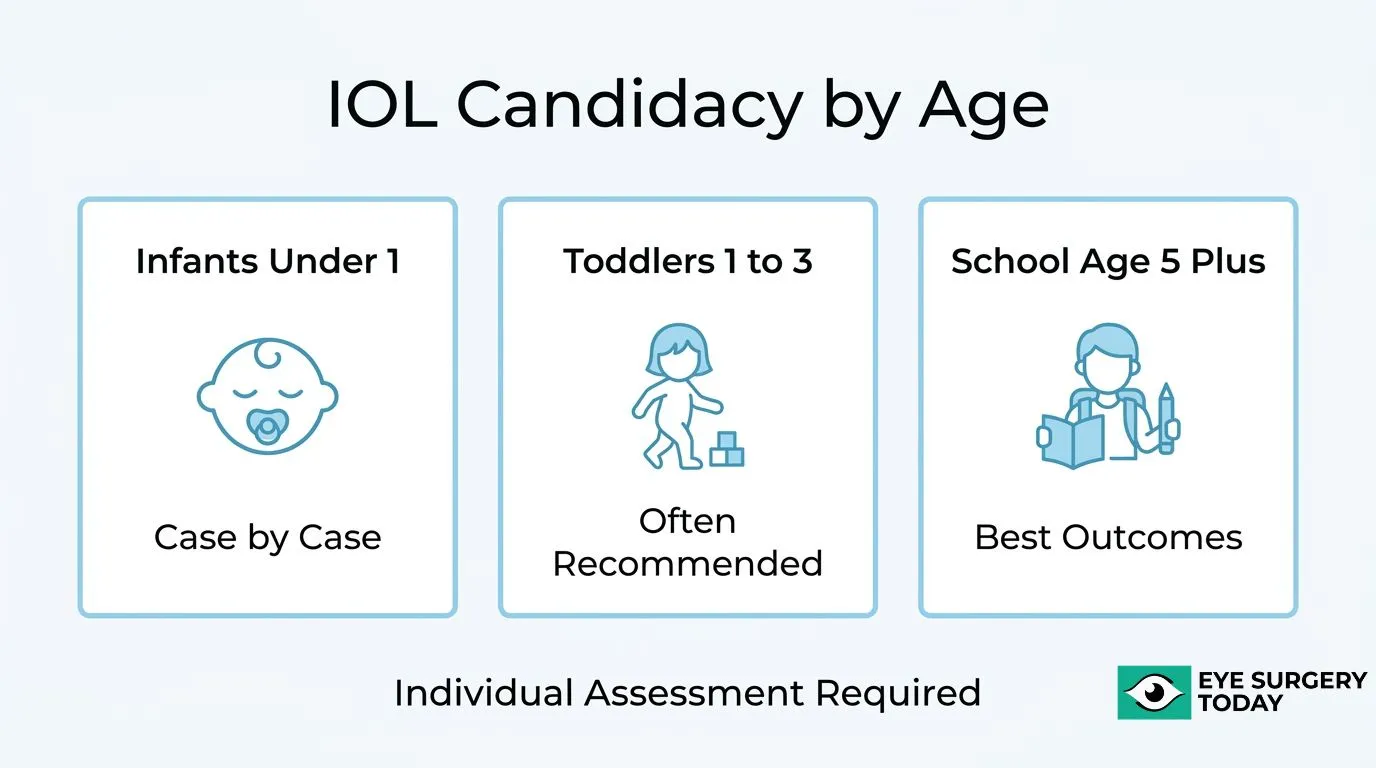
Candidacy for IOL implantation depends on a child’s age, corneal diameter, and capsular integrity. School-age children generally present the most predictable surgical outcomes, while infants and toddlers require careful evaluation to weigh IOL placement against contact lens correction.
Surgeons select IOL power using age-based undercorrection targets that account for future eye growth, and hydrophobic acrylic lenses remain the most widely used material in pediatric cases. The procedure requires general anesthesia and may include posterior capsulectomy to maintain a clear visual axis.
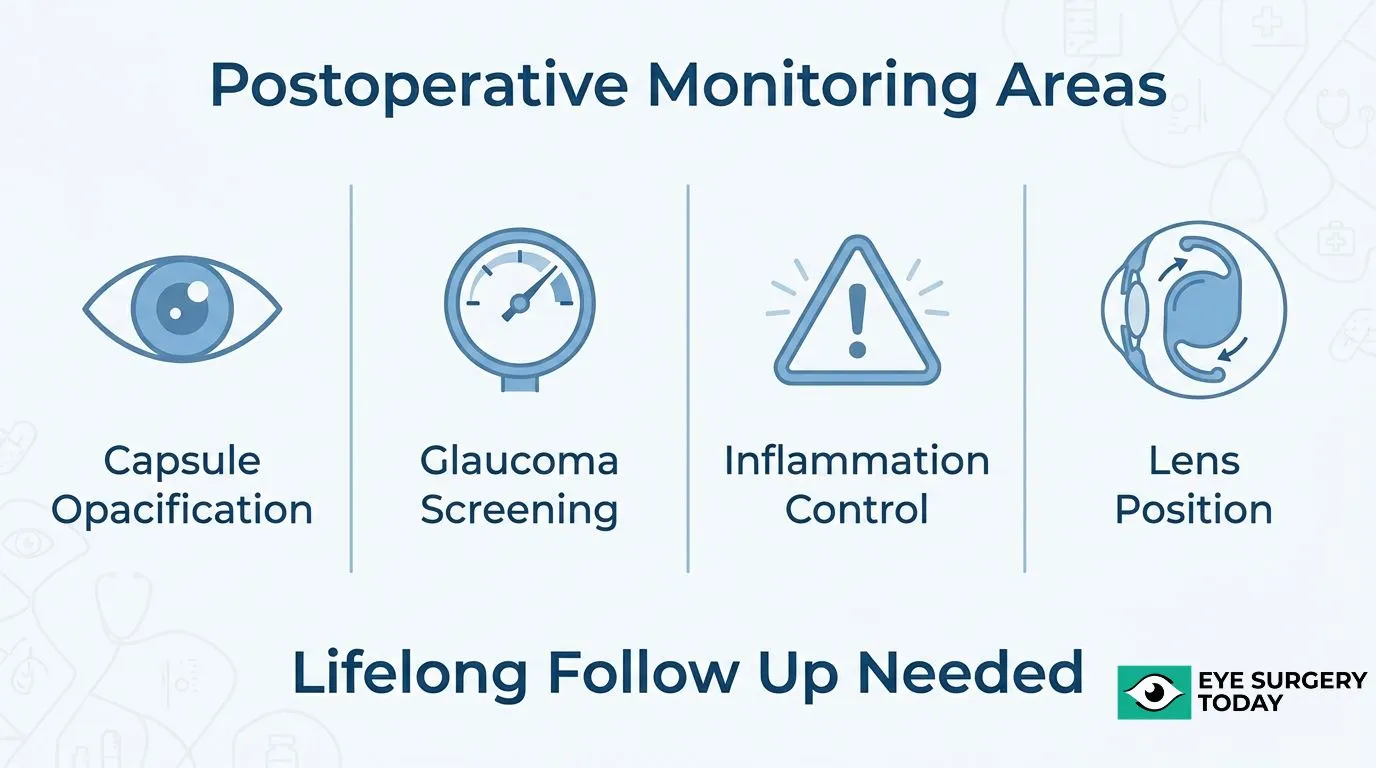
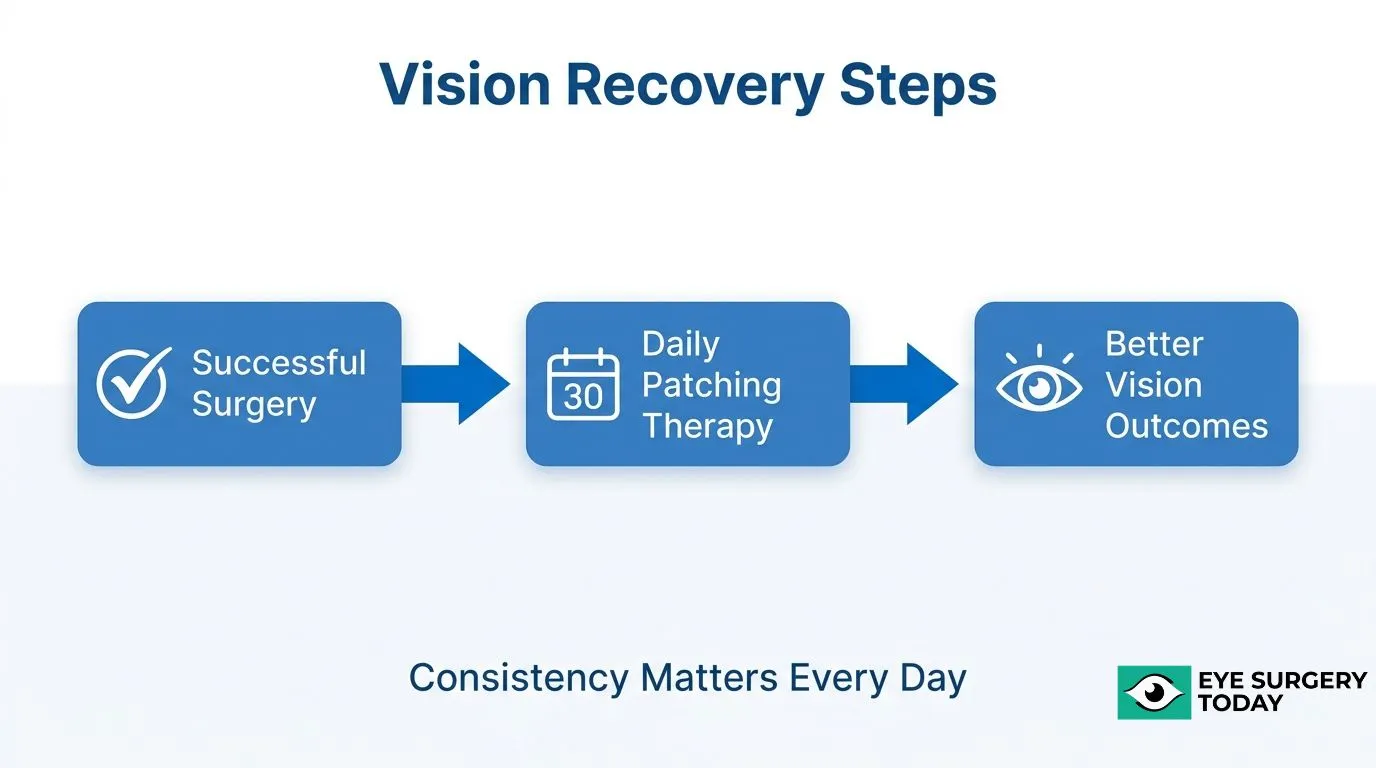
Postoperative risks such as capsule opacification, glaucoma, and inflammation require lifelong monitoring. Amblyopia therapy through consistent daily patching is associated with significantly better visual outcomes, making rehabilitation as important as the surgery itself.
New extended depth of focus lens designs and expanding age eligibility for younger patients continue to broaden treatment possibilities for families navigating this decision.
What Is a Pediatric Cataract?
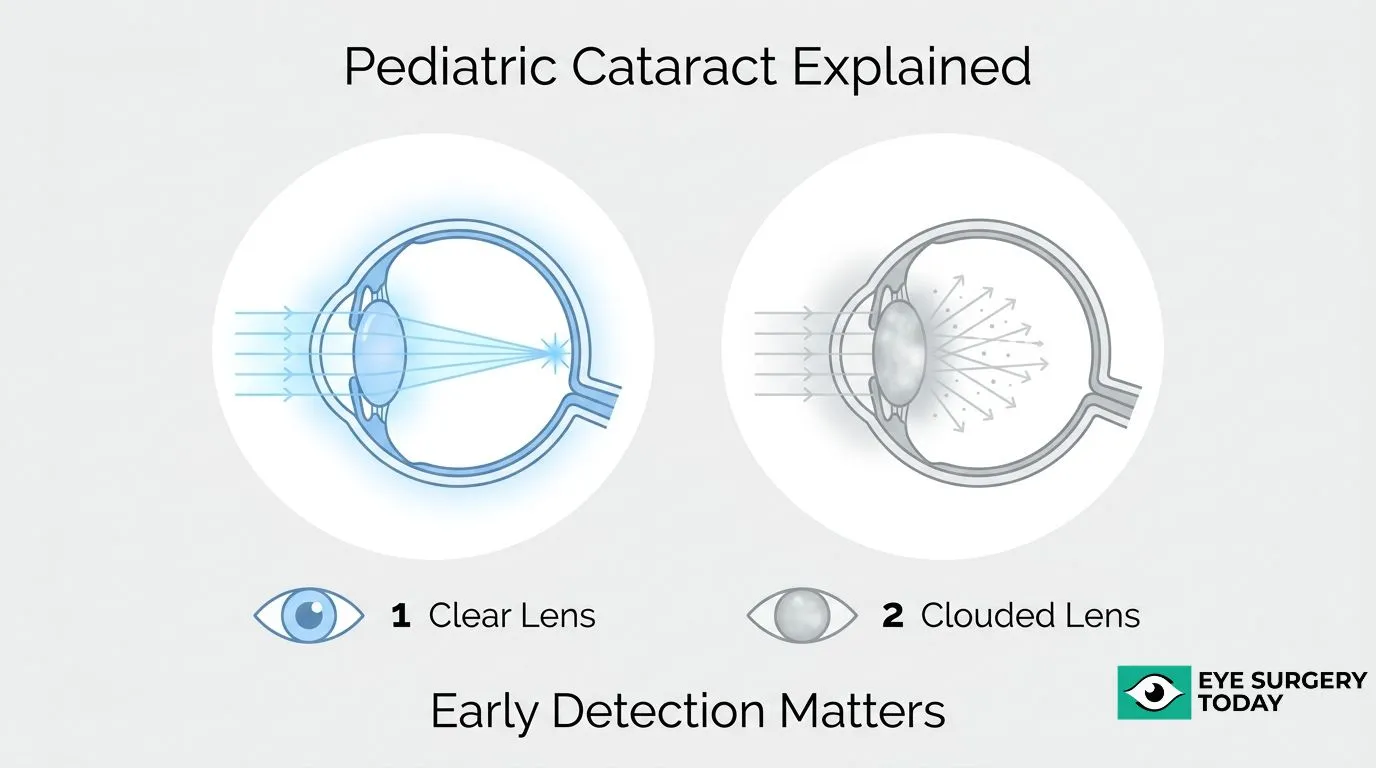
A pediatric cataract is a clouding of the natural lens inside a child’s eye that interferes with normal light transmission and vision development. This condition can appear at birth or develop during childhood, and its characteristics vary widely in presentation and severity.
A cataract, as defined by EyeWiki, is any light-scattering opacity of the lens. In children, this opacity can be unilateral (affecting one eye) or bilateral (affecting both eyes) and can range from a small white dot on the anterior capsule to total opacification of the lens. The size, shape, and density of the opacity determine how significantly it disrupts vision.
Pediatric cataracts differ from adult cataracts in several important ways:
- They can interfere with visual development during critical periods of brain-eye connection formation.
- They may be linked to underlying genetic conditions or systemic diseases.
- They often require earlier and more aggressive intervention to prevent permanent vision loss.
Because a child’s visual system is still maturing, even a small lens opacity positioned within the visual axis can lead to amblyopia if left untreated. Early detection is therefore essential. Tools such as the CatScreener have demonstrated high diagnostic accuracy for early identification of pediatric cataracts, offering a user-friendly screening option alongside traditional red reflex testing.
For parents navigating a new diagnosis, understanding what a pediatric cataract is provides the foundation for evaluating treatment options, including IOL implantation. The following sections explore why children develop cataracts, how they are diagnosed, and which surgical approaches may be appropriate.
Why Do Children Develop Cataracts?
Children develop cataracts due to congenital factors present at birth, acquired causes after birth, or inherited genetic mutations. The following subsections cover congenital cataracts, acquired cataracts, and the role of heredity.
What Are Congenital Cataracts?
Congenital cataracts are lens opacities present at birth or developing shortly after. They arise from disruptions during fetal lens development, often linked to genetic abnormalities or prenatal exposures. According to the StatPearls resource on the NCBI Bookshelf, cataracts may be congenital, arising from genetic abnormalities or prenatal factors such as intrauterine infection, or acquired postnatally from trauma, radiation, or environmental factors.
Common prenatal causes include:
- Maternal infections during pregnancy, such as rubella, toxoplasmosis, or cytomegalovirus
- Chromosomal abnormalities, including Down syndrome and Turner syndrome
- Metabolic disorders like galactosemia
- Isolated genetic mutations affecting lens protein development
Because a developing fetus has no way to compensate for these disruptions, the lens opacity is already established by the time of delivery. Early detection through newborn red reflex screening remains essential, since congenital cataracts left untreated during the first months of life can permanently impair visual development.
What Are Acquired Cataracts in Children?
Acquired cataracts in children are lens opacities that develop after birth due to external or systemic causes rather than prenatal factors. Unlike congenital forms, these cataracts result from postnatal events that damage or alter the lens structure.
Common causes of acquired pediatric cataracts include:
- Blunt or penetrating ocular trauma
- Prolonged corticosteroid use
- Radiation exposure from cancer treatment
- Systemic diseases such as juvenile idiopathic arthritis or diabetes
- Previous intraocular surgery
Trauma remains the leading cause of acquired cataracts in otherwise healthy children. Even seemingly minor eye injuries can disrupt the lens capsule, allowing fluid to penetrate and cloud the lens over time. For clinicians, distinguishing acquired from congenital cataracts is important because it guides both the urgency and approach to treatment planning.
Can Childhood Cataracts Be Inherited?
Yes, childhood cataracts can be inherited. Genetic transmission is one of the most common identifiable causes of pediatric lens opacity, particularly in bilateral cases. According to a 2023 review published in PMC, a causative genetic mutation can be identified in most bilateral cataract cases, with autosomal dominant inheritance being the most common pattern at 44% of cases.
Key inheritance patterns include:
- Autosomal dominant (most frequent, requiring only one affected parent)
- Autosomal recessive
- X-linked inheritance (less common)
Mutations in over 52 genes have been linked to isolated pediatric cataract, affecting crystallin proteins, transcription factors, and membrane transport proteins. When one parent carries a dominant mutation, each child has a 50% chance of inheriting the condition. Genetic counseling can help families understand recurrence risk and guide screening decisions for siblings.
Understanding the cause of a child’s cataract helps ophthalmologists determine the best path forward, including whether an IOL implant may be appropriate.
How Are Cataracts Diagnosed in Infants and Children?
Cataracts in infants and children are diagnosed through a combination of red reflex testing, pupil examination, visual acuity assessment, and specialized screening devices. Early detection depends on routine well-child eye exams and timely referral to a pediatric ophthalmologist.
Red reflex testing is one of the most reliable initial screening methods. According to EyeWiki, the red reflex test is an extremely useful part of the exam, giving an estimate of cataract size and location within the visual axis, even in an uncooperative child. During this test, an ophthalmoscope projects light into each eye; a normal, symmetric orange-red glow indicates a clear lens, while an absent, white, or asymmetric reflex may signal a cataract or other opacity.
The American Association for Pediatric Ophthalmology and Strabismus (AAPOS) recommends that infant vision screening include pupil examination, red reflex examination, visual acuity testing, and objective screening with devices such as photoscreeners. These layered assessments help identify cataracts that might otherwise go unnoticed during standard pediatric visits.
Newer technology is also improving early detection. The CatScreener, a specialized screening device, has demonstrated high diagnostic accuracy for identifying pediatric cataracts in recent evaluations. Tools like these can be particularly valuable in primary care settings where a pediatric ophthalmologist may not be immediately available.
When screening raises suspicion, a comprehensive dilated eye examination confirms the diagnosis. The ophthalmologist evaluates the opacity’s size, morphology, and position relative to the visual axis to determine whether it threatens vision development. Because the developing visual system is highly sensitive to obstruction during early childhood, prompt diagnosis remains critical for preserving long-term visual outcomes.
Understanding how cataracts are detected sets the stage for exploring what happens next: the surgical implantation of an intraocular lens.
What Is an Intraocular Lens Implant for a Child?
An intraocular lens (IOL) implant for a child is a small, artificial lens surgically placed inside the eye to replace the natural lens removed during pediatric cataract surgery. This implant restores the eye’s ability to focus light onto the retina, supporting visual development during critical growth years.
Unlike adult IOL procedures, pediatric implantation requires careful consideration of the child’s eye size, growth trajectory, and long-term refractive changes. IOL implantation is generally contraindicated in cases of microcornea or microphthalmos with corneal diameters of less than 9 mm due to the high risk of complications, according to clinical guidelines referenced by Ento Key. When a child does qualify, the IOL can reduce dependence on thick corrective glasses or contact lenses after cataract removal.
For parents navigating this decision, understanding what an IOL implant involves is the essential first step toward informed treatment planning.
How Does Pediatric IOL Implantation Differ from Adult Surgery?
Pediatric IOL implantation differs from adult surgery in several critical ways, including anesthesia requirements, surgical technique, lens power calculations, and postoperative management. The following subsections cover each key difference.
Why Do Children Require General Anesthesia for IOL Surgery?
Children require general anesthesia for IOL surgery because they cannot remain still or cooperate during a delicate intraocular procedure. According to the Society for Pediatric Anesthesia, general anesthesia is typically required for pediatric cataract surgery to ensure immobilization and minimize distress, with specific management to prevent acute rises in intraocular pressure during emergence. Adults, by contrast, undergo cataract surgery under topical or local anesthesia while awake. This distinction increases both procedural complexity and the need for specialized pediatric anesthesia teams.
How Does the Surgical Technique Differ for Pediatric Eyes?
The surgical technique for pediatric eyes differs primarily because children’s lens capsules are more elastic and their eyes mount a stronger inflammatory response. Surgeons typically perform a primary posterior capsulectomy combined with anterior vitrectomy in young children to maintain a clear visual axis and prevent posterior capsule opacification, a complication far more common in pediatric patients than in adults. Adult cataract surgery rarely requires posterior capsulectomy at the time of lens removal. Smaller incision sizes and modified capsulorrhexis techniques are also necessary to accommodate the anatomical differences of a developing eye.
Why Is IOL Power Calculation More Complex in Children?
IOL power calculation is more complex in children because a child’s eye continues to grow, causing significant shifts in axial length and corneal curvature over time. Commonly used reference tables for IOL power selection in young children recommend targeting a postoperative hyperopic refraction inversely related to the child’s age, according to the American Journal of Ophthalmology. This intentional undercorrection accounts for the myopic shift that occurs as the eye elongates during growth. Adult biometry, in contrast, targets emmetropia or a fixed refractive goal because the eye has reached its final dimensions.
What Makes Postoperative Care Different for Pediatric Patients?
Postoperative care for pediatric patients is different because children face unique risks, including a heightened inflammatory response, a higher rate of posterior capsule opacification, and the concurrent need for amblyopia treatment. Anti-inflammatory regimens tend to be more aggressive and prolonged compared to adult protocols. Young children also require frequent examination under anesthesia during the early recovery period, since standard slit-lamp evaluation is often impractical. Perhaps the most overlooked distinction is that successful IOL surgery in a child represents only the beginning of visual rehabilitation; without diligent follow-up and amblyopia management, even a technically perfect procedure can yield suboptimal visual outcomes.
With these surgical distinctions in mind, identifying which children are good candidates for IOL implantation is the next essential step.
Which Children Are Good Candidates for IOL Implantation?
Candidacy for IOL implantation depends on a child’s age, eye anatomy, and overall ocular health. The following subsections cover infants, toddlers, school-age children, and cases where primary IOL placement may not be suitable.
Can Infants Under One Year Receive an IOL Implant?
Yes, infants under one year can receive an IOL implant, though the decision remains controversial among pediatric ophthalmologists. Rapid eye growth during the first year makes accurate IOL power calculation especially challenging, since the refractive target must account for significant future axial length changes. Many surgeons prefer aphakic correction with contact lenses for this age group, reserving IOL implantation for select cases. However, as surgical techniques and biocompatible lens materials continue to improve, some centers are increasingly opting to use IOLs in patients as young as two years, and evolving protocols may gradually extend this approach to younger infants in carefully chosen situations. The treating ophthalmologist weighs each infant’s specific anatomy, cataract type, and family circumstances before recommending an approach.
When Is IOL Implantation Recommended for Toddlers?
IOL implantation is typically recommended for toddlers between ages one and three when a visually significant cataract threatens normal visual development. At this stage, the eye has undergone a substantial portion of its early rapid growth, which allows for more predictable IOL power selection. Surgeons generally target a hyperopic refraction to compensate for the remaining axial length increase expected through childhood. Bilateral cataracts in toddlers often strengthen the case for primary IOL placement, since consistent optical correction supports binocular visual development. For many families, an implanted lens also reduces the daily compliance burden associated with contact lens wear in young, uncooperative children. Each case still requires individualized assessment of corneal diameter, capsular integrity, and the child’s ability to tolerate postoperative care.
Are School-Age Children Better Candidates for IOL Implants?
School-age children are generally considered better candidates for IOL implants because most significant ocular growth has occurred by this stage. Eyes in children older than five have more stable axial lengths, allowing surgeons to calculate IOL power with greater accuracy and reduced risk of large refractive surprises. Capsular bag dimensions are also closer to adult proportions, which improves lens centration and long-term stability. From a practical standpoint, older children cooperate more readily during postoperative examinations and amblyopia therapy. These factors collectively make primary IOL implantation the standard of care for visually significant cataracts in this age group, with outcomes that more closely mirror adult cataract surgery results.
Which Children May Not Be Suitable for Primary IOL Placement?
Children with certain anatomical or clinical conditions may not be suitable for primary IOL placement. Key factors that can contraindicate a primary IOL include:
- Microcornea or microphthalmos with corneal diameters less than 9 mm, which significantly increases complication risk.
- Chronic uveitis or active intraocular inflammation that may worsen with lens implantation.
- Inadequate capsular support that prevents secure in-the-bag IOL fixation.
- Very young age combined with complex ocular pathology, where aphakic correction offers a safer alternative.
According to Cataract & Refractive Surgery Today, in children younger than five years, surgeons typically prefer to perform primary posterior capsulectomy and vitrectomy to maintain a clear visual axis rather than relying solely on IOL implantation. For these patients, staged IOL placement at a later age, once the eye matures and inflammation stabilizes, often represents the safer long-term strategy.
With candidacy factors established, understanding the specific IOL lens types used in pediatric patients helps clarify what options surgeons consider next.
What Types of IOL Lenses Are Used in Pediatric Patients?
The types of IOL lenses used in pediatric patients include foldable acrylic IOLs, hydrophobic acrylic IOLs, and emerging multifocal or accommodating designs.
Foldable Acrylic IOLs
Foldable acrylic IOLs are the most commonly implanted lens type in pediatric cataract surgery. Their flexible design allows insertion through a smaller incision, which promotes faster healing in young eyes. According to the American Academy of Ophthalmology, a posterior chamber IOL inserted into the capsular bag is always preferred, but ciliary sulcus placement of a foldable acrylic or single-piece IOL is an alternative when capsular support is inadequate. This versatility in placement makes foldable acrylic lenses particularly practical for children, whose capsular integrity can vary depending on age and cataract morphology.
Hydrophobic Acrylic IOLs
Hydrophobic acrylic IOLs are a subtype of foldable acrylic lens distinguished by their water-resistant surface. This material property may help reduce posterior capsule opacification, a complication that occurs more frequently in children than in adults. One-piece foldable hydrophobic acrylate IOLs are now popularly used in pediatric patients, largely because their biocompatible surface interacts favorably with developing ocular tissues. For most pediatric cases, hydrophobic acrylic remains the preferred material choice due to its combination of optical clarity and long-term stability within a growing eye.
Multifocal and Accommodating IOLs
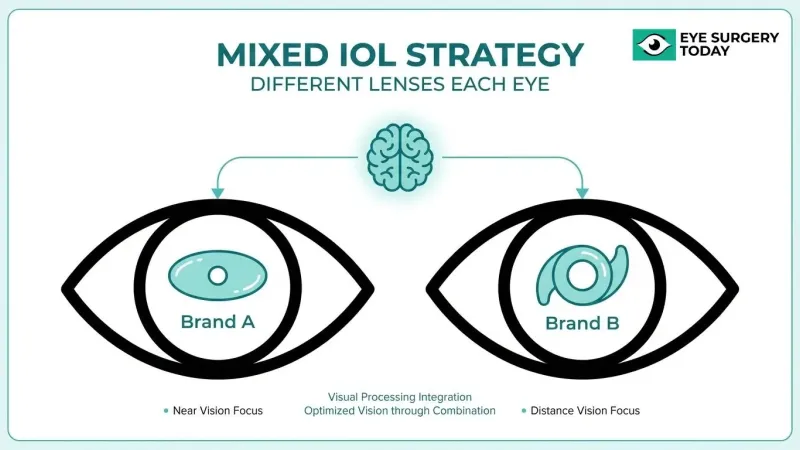
Multifocal and accommodating IOLs are lens designs that aim to provide vision at multiple distances without glasses. In pediatric ophthalmology, these designs remain largely investigational. Recent studies have explored the feasibility of multifocal IOL implantation in children to provide a continuous range of vision, though widespread clinical adoption has not yet occurred. Because children’s eyes continue to grow and their refractive needs shift over time, the predictability of multifocal optics can be limited. Most surgeons reserve these designs for carefully selected older children with stable ocular measurements.
Understanding lens material and design is one factor; calculating the correct power for a growing eye presents its own challenge.
How Is the Correct IOL Power Calculated for a Growing Eye?
The correct IOL power for a growing eye is calculated using biometry measurements combined with age-based undercorrection targets. Surgeons measure axial length and corneal curvature, then intentionally select a lens power that leaves the child slightly farsighted to compensate for future eye growth.
According to the American Journal of Ophthalmology, commonly used reference tables for IOL power selection in young children recommend targeting a postoperative hyperopic refraction that is inversely related to the child’s age to account for future axial length growth. A one-year-old, for example, may receive a lens that leaves several diopters of hyperopia, while a seven-year-old receives a target closer to zero.
This deliberate undercorrection strategy reflects a core challenge unique to pediatric cases: a child’s eye continues to elongate for years after surgery, which progressively shifts the effective lens power toward myopia. By starting with built-in farsightedness, surgeons aim for the refractive error to gradually approach the ideal range as growth stabilizes.
Accurate biometry in young children can be difficult, since measurements must often be taken under anesthesia. Even small errors in axial length estimation can produce significant refractive surprises, making precise technique essential. For this reason, pediatric IOL power calculation requires both reliable instrumentation and clinical judgment about each child’s expected growth trajectory.
Understanding how lens power is selected helps clarify what parents can expect during postoperative vision correction and follow-up care.
What Should Parents Expect During Pediatric IOL Surgery?
Parents should expect pediatric IOL surgery to involve general anesthesia, a brief surgical procedure, and close postoperative monitoring. The following sections cover preoperative preparation, what happens in the operating room, and immediate recovery care.
How Should a Child Prepare Before IOL Surgery?
A child should prepare before IOL surgery through a series of medical evaluations and fasting protocols coordinated by the surgical and anesthesia teams. Preoperative preparation typically includes:
- A comprehensive eye examination with biometry measurements to confirm IOL power selection.
- A general health assessment and blood work to ensure the child is safe for anesthesia.
- Fasting instructions, usually nothing to eat or drink for several hours before surgery, as directed by the anesthesiologist.
- Prescribed eye drops, often antibiotics or anti-inflammatory drops, started one to two days before the procedure.
- A calm, age-appropriate explanation of what will happen, which can reduce anxiety for both the child and family.
Parents should also arrange for transportation home and plan time off from school, since the child will need rest and close supervision in the days following surgery.
What Happens During the Surgical Procedure?
Pediatric IOL surgery involves cataract removal and intraocular lens placement performed under general anesthesia. According to the Society for Pediatric Anesthesia, general anesthesia is typically required for pediatric cataract surgery to ensure immobilization and minimize distress, with specific management to prevent acute rises in intraocular pressure during emergence. The surgeon makes a small incision, removes the clouded lens using aspiration, and inserts a foldable IOL into the capsular bag. In younger children, a posterior capsulectomy and anterior vitrectomy may be performed simultaneously to keep the visual axis clear. The entire procedure often takes under an hour, though operating time can vary based on the complexity of the cataract and the child’s age.
What Does Immediate Postoperative Care Involve?
Immediate postoperative care involves monitoring the child in a recovery area as general anesthesia wears off, followed by a structured regimen of medicated eye drops. A protective eye shield is placed over the operated eye to prevent accidental rubbing or pressure. Parents can expect the care team to prescribe:
- Anti-inflammatory eye drops to control the heightened inflammatory response common in pediatric eyes.
- Antibiotic eye drops to prevent infection during the critical healing window.
- A follow-up appointment within 24 to 48 hours to check intraocular pressure, inflammation levels, and IOL position.
Some children experience mild discomfort, light sensitivity, or tearing in the first few days. Because young eyes tend to mount a stronger inflammatory response than adult eyes, strict adherence to the drop schedule is essential. Consistent follow-up in the weeks after surgery helps the care team detect early complications and adjust treatment promptly.
With the surgical process understood, parents can next consider the potential risks associated with IOL implants in children.
What Are the Potential Risks of IOL Implants in Children?
The potential risks of IOL implants in children include posterior capsule opacification, glaucoma, postoperative inflammation, lens decentration, and the need for additional surgery.
What Is Posterior Capsule Opacification in Pediatric Patients?
Posterior capsule opacification (PCO) in pediatric patients is a condition where residual lens epithelial cells proliferate across the posterior capsule after cataract removal, causing secondary visual axis obstruction. Children are significantly more prone to PCO than adults because their lens epithelial cells are more metabolically active and regenerative. Opacification can range from a small focal opacity to dense, visually significant clouding that mimics the original cataract’s effect on light transmission. Surgeons often perform a primary posterior capsulectomy with anterior vitrectomy during the initial procedure to reduce this risk, particularly in younger children. When PCO does develop postoperatively, a Nd:YAG laser capsulotomy or surgical membranectomy may be needed to restore a clear visual pathway. Early detection through routine follow-up examinations remains essential for managing this common complication.
Can Glaucoma Develop After Pediatric IOL Surgery?
Yes, glaucoma can develop after pediatric IOL surgery. Secondary glaucoma is one of the most serious long-term complications following pediatric cataract removal, and the risk may persist for years. Children who undergo surgery at a very young age, particularly during infancy, face a higher cumulative risk of elevated intraocular pressure over time. According to a study published by Karger Publishers, pediatric patients carried a 3% overall risk of retinal detachment at an average of 9.1 years after cataract surgery, underscoring the extended timeline over which postoperative complications can emerge. Glaucoma in these cases can be difficult to detect because young children cannot reliably report symptoms. For this reason, lifelong monitoring of intraocular pressure is considered a critical component of follow-up care after pediatric IOL implantation.
How Common Is Inflammation After Pediatric Lens Implantation?
Inflammation after pediatric lens implantation is common and typically more pronounced than in adult cataract surgery. A child’s immune system generates a more aggressive inflammatory response to intraocular surgery, which can lead to fibrin formation, posterior synechiae, and pupillary membrane development. The intensity of this reaction tends to be greatest in younger children, particularly those under two years of age. Aggressive postoperative anti-inflammatory therapy, including topical corticosteroids and sometimes systemic medications, is generally required for a longer duration than in adult patients. When inflammation is not adequately controlled, it may contribute to secondary complications such as glaucoma or IOL opacification. Careful postoperative management in the weeks following surgery plays a decisive role in minimizing these inflammatory sequelae.
What Is the Risk of IOL Decentration in a Growing Eye?
The risk of IOL decentration in a growing eye is a recognized concern unique to pediatric patients. As a child’s eye continues to grow after surgery, changes in axial length and capsular bag dimensions can shift the IOL from its intended position. Decentration or tilt of the lens may cause visual disturbances, including glare, monocular diplopia, or reduced visual acuity. Younger children face greater risk because their eyes undergo the most rapid growth in the first several years of life. Proper IOL sizing, secure capsular bag fixation, and the use of biocompatible hydrophobic acrylic materials can help reduce this risk. In cases where significant decentration occurs, surgical repositioning or IOL exchange may become necessary. This possibility reinforces why consistent long-term follow-up is non-negotiable for pediatric IOL patients.
Can a Child Need Additional Surgery After IOL Placement?
Yes, a child can need additional surgery after IOL placement. Secondary procedures may be required to address complications such as posterior capsule opacification, glaucoma, IOL decentration, or persistent inflammation. According to a 2025 report from George Mason University College of Public Health, consistent patching in the first year after surgery, performed every day and around the same time each day, is linked to significantly better vision outcomes in children with unilateral cataracts. This finding highlights that surgical success alone does not determine the final visual result; amblyopia management is equally critical. Approximately 62% of children who undergo congenital cataract surgery may develop amblyopia, making prompt postoperative rehabilitation essential. Parents should anticipate that pediatric IOL care often involves a multi-step treatment journey rather than a single procedure.
Understanding these risks helps families prepare for the long-term commitment pediatric IOL care requires.
What Are the Potential Visual Outcomes of Pediatric IOL Implants?
The potential visual outcomes of pediatric IOL implants vary based on the child’s age at surgery, whether one or both eyes are affected, and how consistently postoperative vision therapy is followed. Key factors include acuity results, the role of amblyopia management, and how bilateral cases typically differ from unilateral ones.
Many children achieve functional vision after IOL implantation, though outcomes depend heavily on early intervention and ongoing care. Unilateral cases tend to carry a higher risk of amblyopia, which can limit final acuity if patching therapy is inconsistent. Bilateral cataract removal with IOL placement generally produces more symmetrical visual development, since both eyes receive comparable optical input from early on.
According to a 2025 report from George Mason University College of Public Health, consistent patching in the first year after surgery, performed every day and around the same time each day, is linked to significantly better vision outcomes in children with unilateral cataracts. This finding underscores how surgical success alone does not determine a child’s long-term visual function; rehabilitation compliance plays an equally decisive role.
Parents should understand that achieving the best possible outcome requires a sustained commitment to follow-up visits, corrective lenses, and amblyopia treatment protocols prescribed by the child’s ophthalmologist. Even with optimal IOL placement, refractive changes as the eye grows may require spectacle updates or secondary procedures over time. Other surgical interventions, such as eyelid surgery, may also be considered in certain cases to improve peripheral vision or address cosmetic concerns, contributing to overall visual well-being.
For families navigating pediatric cataract decisions, understanding how amblyopia therapy shapes recovery is the essential next step.
How Does Amblyopia Treatment Factor into IOL Recovery?
Amblyopia treatment factors into IOL recovery as the single most important determinant of long-term visual function after pediatric cataract surgery. Without aggressive amblyopia management, even a perfectly placed IOL may not restore functional vision.
According to a 2025 study published by PMC (NIH), approximately 62% of children who underwent surgery for congenital cataracts developed amblyopia, underscoring why postoperative visual rehabilitation is just as critical as the surgery itself. The developing visual cortex requires consistent, clear input from the operated eye to build and strengthen neural pathways. When a cataract has blocked that input during early childhood, the brain may have already begun favoring the stronger eye. An IOL restores optical clarity, but the brain must still learn to use the image it now receives.
Occlusion therapy, commonly called patching, is the primary method for treating post-surgical amblyopia in children with IOLs. The child wears a patch over the stronger eye for prescribed periods each day, forcing the brain to process visual information from the treated eye. A 2025 study from George Mason University College of Public Health found that consistent patching in the first year after surgery, performed every day and around the same time each day, is linked to significantly better vision outcomes in children with unilateral cataracts. Atropine penalization of the stronger eye serves as an alternative when patching compliance proves difficult.
For parents, this means IOL recovery extends well beyond surgical healing. Daily patching schedules, frequent refractions to update spectacle corrections, and regular visual acuity assessments become part of the child’s routine for months or even years. Compliance can be challenging, particularly with younger children, yet it remains the most modifiable factor in determining final visual outcomes. Pediatric ophthalmologists typically monitor amblyopia treatment progress at every follow-up visit, adjusting patching hours and optical corrections as the child’s visual system responds.
Understanding long-term monitoring needs helps families sustain these visual gains over time.
What Long-Term Follow-Up Do Children with IOLs Need?
Children with IOLs need lifelong ophthalmologic monitoring that tracks refractive changes, screens for complications, and manages amblyopia therapy. The key areas of long-term follow-up include refractive monitoring, glaucoma screening, posterior capsule management, and ongoing amblyopia treatment.
During the first year after surgery, frequent examinations under anesthesia may be necessary for very young children who cannot cooperate with standard testing. These visits typically occur every few weeks initially, then gradually extend to monthly and quarterly intervals as the child stabilizes. Intraocular pressure measurements, slit-lamp evaluations, and dilated fundus exams form the core of each visit.
As the eye grows throughout childhood, the refractive target set at the time of surgery shifts. Because surgeons intentionally undercorrect IOL power to account for axial length growth, spectacle or contact lens prescriptions require regular updating. Most children with IOLs wear glasses for residual refractive error, and these prescriptions can change significantly during growth spurts.
Glaucoma remains one of the most serious long-term risks. Elevated intraocular pressure can develop months or even years after pediatric cataract surgery, making consistent pressure checks essential at every follow-up visit. Early detection allows timely intervention with medication or surgery before optic nerve damage occurs.
Posterior capsule opacification, though often addressed with primary posterior capsulotomy at the time of initial surgery in younger children, can still recur or develop in older pediatric patients. A Nd:YAG laser capsulotomy or surgical capsulotomy may be needed if the visual axis becomes obscured again.
Amblyopia therapy is arguably the most demanding component of long-term care. According to a 2025 George Mason University study, consistent patching in the first year after surgery, performed every day and around the same time each day, is linked to significantly better vision outcomes in children with unilateral cataracts. Compliance with patching protocols and atropine penalization regimens often determines the ultimate visual result more than the surgery itself.
- Regular refractive assessments track prescription changes as the eye grows.
- Intraocular pressure monitoring screens for secondary glaucoma at every visit.
- Dilated fundus exams detect retinal complications, including detachment risk.
- Amblyopia management through patching or penalization continues for years.
- Visual acuity testing evolves from preferential looking methods in infants to standard letter charts in older children.
From a practical standpoint, the follow-up burden is substantial for families. Annual eye exams typically continue through adolescence and into adulthood, even when the eye appears stable. This long timeline underscores why parental education and commitment to the follow-up schedule are just as critical as the surgical procedure itself.
Understanding these follow-up demands helps parents weigh IOL implantation against alternative corrections for their child.
How Do IOL Implants Compare to Contact Lenses for Children?
IOL implants compare to contact lenses for children by offering similar visual outcomes through different correction methods. The choice depends on the child’s age, eye anatomy, and family circumstances.
For monocular aphakia following cataract surgery, both primary IOL implantation and contact lens correction can restore functional vision. According to the Infant Aphakia Treatment Study (IATS), visual outcomes at age 4.5 years were equivalent between children treated with a primary IOL and those managed with contact lenses. This landmark finding reshaped how pediatric ophthalmologists counsel families, since it confirmed that neither approach holds a clear visual acuity advantage in early childhood.
The practical differences, however, are significant:
- IOL implants provide continuous optical correction without daily handling, reducing the burden of lens care on caregivers.
- Contact lenses allow greater flexibility for power adjustments as the eye grows, which can be advantageous in very young infants.
- IOL implantation carries surgical risks, including posterior capsule opacification and potential reoperation, that contact lenses avoid.
- Contact lenses require consistent daily wear compliance, and lens loss or poor hygiene can compromise visual rehabilitation.
For many families, the decision comes down to weighing surgical risks against the daily demands of contact lens management. In infants under one year, contact lenses may be preferred because rapid eye growth makes IOL power selection less predictable. For older toddlers and children with stable ocular dimensions, primary IOL implantation often simplifies long-term visual correction.
Regardless of the method chosen, both approaches require diligent amblyopia therapy and long-term follow-up to optimize outcomes. Understanding recent advances in pediatric IOL technology can further inform this decision. For some patients, refractive vision correction procedures like LASIK may offer an alternative to glasses or contact lenses, though their applicability varies by age and specific visual needs.
What Are the Latest 2026 Advances in Pediatric IOL Technology?
The latest 2026 advances in pediatric IOL technology include new extended depth of focus lens designs and expanded age eligibility for implantation in younger infants.
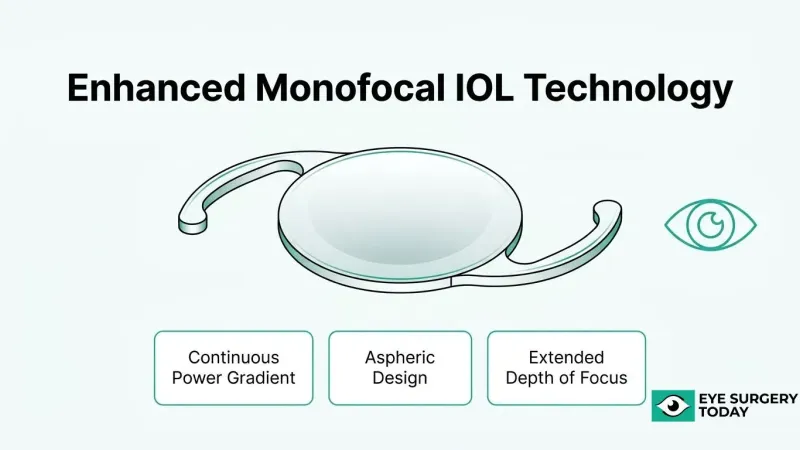
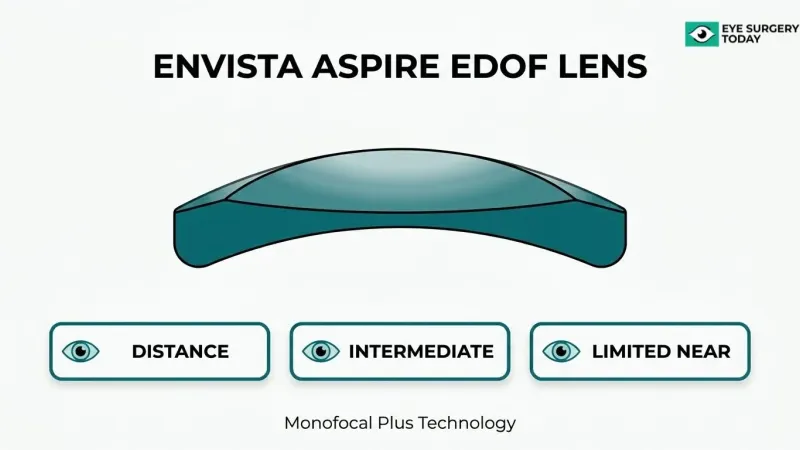
In March 2026, the FDA approved the TECNIS PureSee IOL, an extended depth of focus (EDOF) lens designed to provide a continuous range of vision with reduced visual disturbances, according to EyeWorld. While this approval applies broadly to cataract patients, EDOF technology represents a meaningful step forward for pediatric applications, where minimizing the need for spectacle dependence can significantly improve a child’s daily function and development.
Surgical teams are also increasingly opting to use IOLs in patients as young as two years when possible. Improvements in biocompatible materials and refined microsurgical techniques have made earlier implantation more feasible, as reported by EuroTimes (ESCRS). Historically, many surgeons preferred aphakic correction with contact lenses for very young children due to concerns about eye growth and refractive shift. The expanding comfort with primary IOL placement in younger age groups reflects growing confidence in modern lens materials and power calculation strategies that account for axial length changes over time.
For parents navigating these decisions, these developments mean more options and potentially better long-term visual outcomes for children with cataracts. Understanding how surgeon-reviewed education supports informed choices is explored next.
How Can Surgeon-Reviewed Cataract Education Help Parents?
Surgeon-reviewed cataract education can help parents by providing clinically accurate, accessible information to guide confident decisions about their child’s vision care. The following subsections cover how Eye Surgery Today supports parents and the essential takeaways from this guide.
Can Eye Surgery Today Help You Understand Pediatric IOL Options?
Yes, Eye Surgery Today can help you understand pediatric IOL options through surgeon-reviewed educational content that translates complex surgical concepts into clear, parent-friendly language. The platform covers critical topics such as IOL lens types, candidacy criteria, surgical expectations, and long-term follow-up needs, all reviewed by practicing ophthalmologists for clinical accuracy.
Pediatric cataract management involves nuanced decisions that differ significantly from adult care. According to pediatric cataract management guidelines published by Cataract & Refractive Surgery Today (CRST) Global, surgeons managing children younger than 5 years typically prefer to perform primary posterior capsulectomy and vitrectomy to maintain a clear visual axis. Details like these can feel overwhelming without a reliable educational resource or parent support breaking them down.
Eye Surgery Today bridges that gap by organizing evidence-based information into comprehensive guides, helping parents understand what each procedure involves, why specific techniques are recommended at different ages, and what questions to bring to their child’s ophthalmologist.
What Are the Key Takeaways About IOL Implants for Children?
The key takeaways about IOL implants for children are:
- Pediatric cataracts can cause significant visual impairment if untreated, making timely surgical intervention critical.
- IOL implantation restores focusing power after cataract removal, though candidacy depends on the child’s age, eye size, and overall ocular health.
- IOL power selection accounts for the growing eye by targeting a hyperopic refraction that adjusts over time.
- Postoperative care, including amblyopia treatment and consistent follow-up, may influence long-term visual outcomes as much as the surgery itself.
- Advances in lens materials and surgical techniques continue to expand IOL options for younger patients.
Parents who understand these core principles are better equipped to collaborate with their child’s surgical team. Eye Surgery Today provides surgeon-reviewed resources designed to make this complex topic accessible, empowering families to ask informed questions and participate meaningfully in treatment decisions.