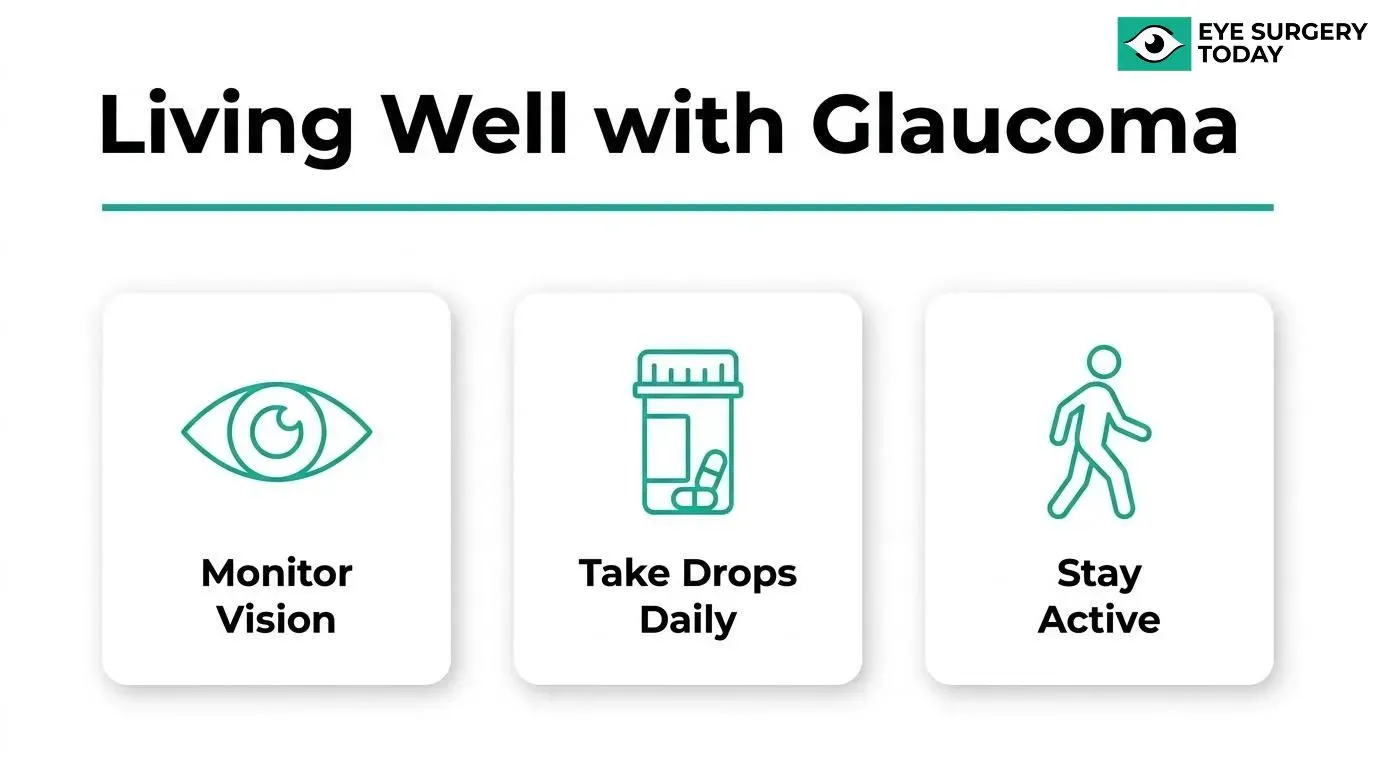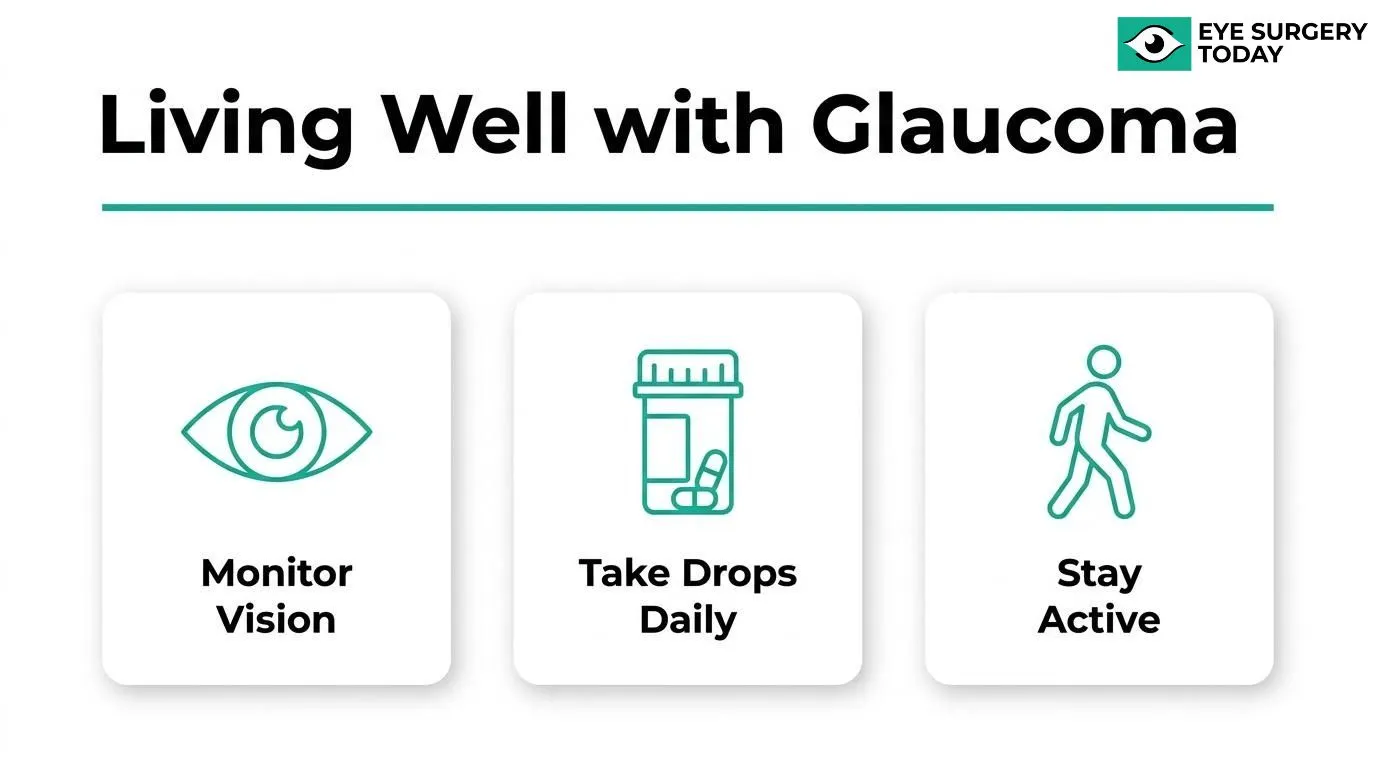
Glaucoma is a group of progressive eye conditions that damage the optic nerve, often through elevated intraocular pressure, and can gradually reduce peripheral vision over time. Managing the condition effectively involves consistent daily habits alongside professional care.
This guide covers medication management, lifestyle modifications, daily activity adaptations, vision protection strategies, emotional well-being, and treatment options.
Medication management focuses on proper eye drop technique, scheduling strategies that anchor doses to existing routines, and approaches for handling missed doses or side effects. Correct instillation combined with nasolacrimal occlusion may reduce systemic absorption and improve treatment effectiveness.
Lifestyle modifications include aerobic exercise like running or walking, which is associated with transient reductions in intraocular pressure, along with dietary choices emphasizing leafy greens and omega-3 fatty acids. Sleep position also plays a role; elevating the head during sleep may lower overnight eye pressure compared to lying flat.
Daily activity adaptations address driving safety with peripheral field loss, home modifications using high-contrast materials and improved lighting, and reading or screen strategies that compensate for narrowing visual fields.
Vision protection centers on consistent eye exams, UV protection for already-vulnerable ocular tissue, and avoiding habits that may spike intraocular pressure, such as inverted positions or rapid large-volume fluid intake.
Emotional well-being is a significant consideration, as glaucoma is associated with elevated rates of depression and anxiety. Structured support programs and peer communities may help reduce condition-related distress.
Treatment options range from selective laser trabeculoplasty as a first-line intervention to surgical procedures for cases where medications and laser therapy prove insufficient.
What Is Glaucoma and How Does It Affect Daily Life?
Glaucoma is a group of eye conditions that damage the optic nerve, often through elevated intraocular pressure (IOP), and can progressively reduce vision. The sections below explain how glaucoma causes that damage, how prevalent it is, and how vision loss reshapes everyday routines.
What Is Glaucoma?
Glaucoma is a progressive optic neuropathy in which rising intraocular pressure damages the optic nerve head, causing irreversible vision loss. According to the Glaucoma Research Foundation, glaucoma is the second leading cause of blindness globally after cataracts, responsible for 9% to 12% of all blindness cases worldwide and affecting approximately 5.9 million people. In most cases vision loss typically begins at the periphery, so many patients remain unaware until significant damage has already occurred. Clinically, this “silent” progression is what makes early diagnosis so critical.
How Common Is Glaucoma?
Glaucoma is highly prevalent and growing. The American Academy of Ophthalmology reports that approximately 1.62% of U.S. adults had glaucoma in 2022, totaling 4.22 million people, with 1.49 million of those cases involving measurable vision impairment. Globally, open-angle glaucoma prevalence among adults aged 40 and older is projected to rise from 2.8% in 2024 to 3.5% by 2060, according to a Review of Optometry analysis.
How Does Glaucoma Damage the Optic Nerve?
Glaucoma involves progressive optic nerve damage, often associated with elevated intraocular pressure, which can disrupt axonal transport within retinal ganglion cell fibers, leading to retinal ganglion cell loss. Research published in Investigative Ophthalmology & Visual Science shows that elevated intraocular pressure produces a heterogeneous reduction in axonal transport along retinal ganglion cell axons, including within the optic nerve head and optic nerve. The study shows that when eye pressure is high, it slows down how signals are transported inside the nerve cells that carry vision signals from the eye to the brain. This slowdown doesn’t happen evenly—it affects some parts of the optic nerve more than others, especially where the nerve leaves the eye (the optic nerve head). As pressure increases, these structural changes become self-reinforcing, progressively narrowing the visual field. The NIH StatPearls database confirms the pathogenic relationship between elevated IOP and glaucomatous optic neuropathy, citing that this relationship is still not fully understood.
How Does Glaucoma Affect Daily Life?
Glaucoma affects daily life primarily through peripheral vision loss, which disrupts tasks such as driving, reading, and navigating unfamiliar environments. As the visual field narrows, activities requiring spatial awareness, such as descending stairs or detecting movement from the side, become harder and riskier. Contrast sensitivity may also decline, making low-light settings particularly challenging. Because the central vision needed for reading and recognizing faces is often preserved until late stages, the functional limitations of glaucoma are frequently underestimated by patients and their families alike.
How Can You Manage Glaucoma Medications Effectively?
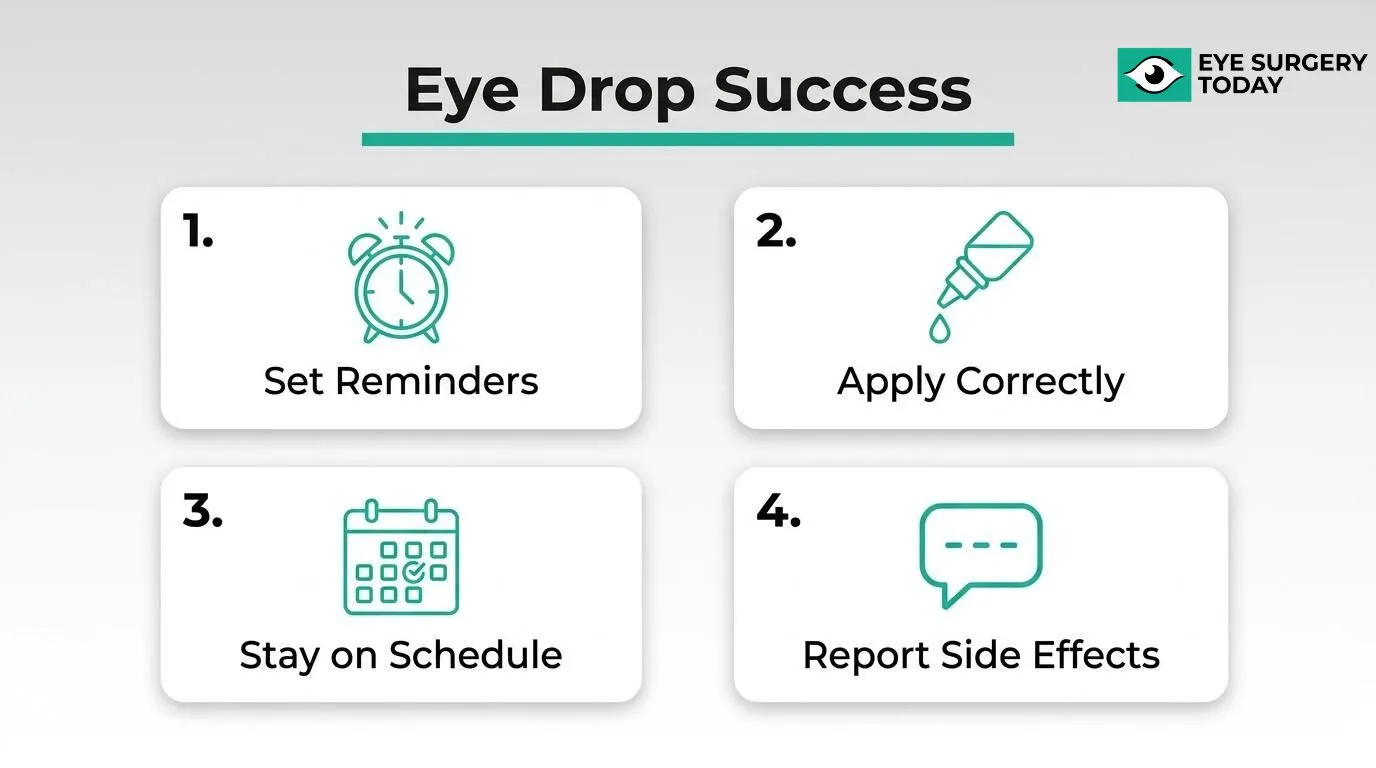
Managing glaucoma medications effectively requires consistent adherence, correct technique, and proactive side effect management. The sections below cover scheduling strategies, proper application, missed doses, and handling side effects.
What Are Tips for Remembering Eye Drop Schedules?
Tips for remembering eye drop schedules include linking drops to existing daily habits, setting phone alarms, and using a pill or drop tracker app. Pairing your drops with a routine activity, such as brushing your teeth or eating breakfast, creates a reliable anchor point. Keeping eye drops in a visible location, like next to your toothbrush, also reduces the likelihood of forgetting. According to a study published in the European Journal of Hospital Pharmacy, pharmacist-led educational interventions effectively improved glaucoma medication adherence and patient knowledge in older adults, confirming that structured reminders and education make a measurable difference.
How Should You Apply Eye Drops Correctly?
You should apply eye drops correctly by tilting your head back, pulling down the lower eyelid to form a small pocket, and instilling one drop without touching the dropper tip to your eye. After the drop lands, close your eye gently and apply light pressure to the inner corner of your eye (nasolacrimal occlusion) for at least one minute. According to the American Academy of Ophthalmology, this pressure technique helps prevent systemic absorption of the medication, reducing the risk of unwanted side effects throughout the body.
What Should You Do If You Miss a Dose?
If you miss a dose of your glaucoma eye drops, apply them as soon as you remember, unless it is nearly time for your next scheduled dose. In that case, skip the missed dose and resume your regular schedule. Your healthcare provider may advise against doubling up on drops to make up for a missed application, as this can cause unnecessary side effects without additional benefit. Consistent, on-schedule dosing remains the most effective approach to controlling intraocular pressure over time.
How Can You Manage Side Effects of Glaucoma Drops?
The side effects of glaucoma drops can include local reactions such as stinging, redness, and blurred vision, as well as systemic effects like fatigue or changes in heart rate with certain drop classes. Using the nasolacrimal occlusion technique after instillation can significantly reduce systemic absorption. If side effects persist or affect your quality of life, your ophthalmologist may be able to switch you to a different medication class or formulation. Open communication with your care team is the most practical step you can take when side effects interfere with adherence.
What Lifestyle Changes May Help Manage Glaucoma?
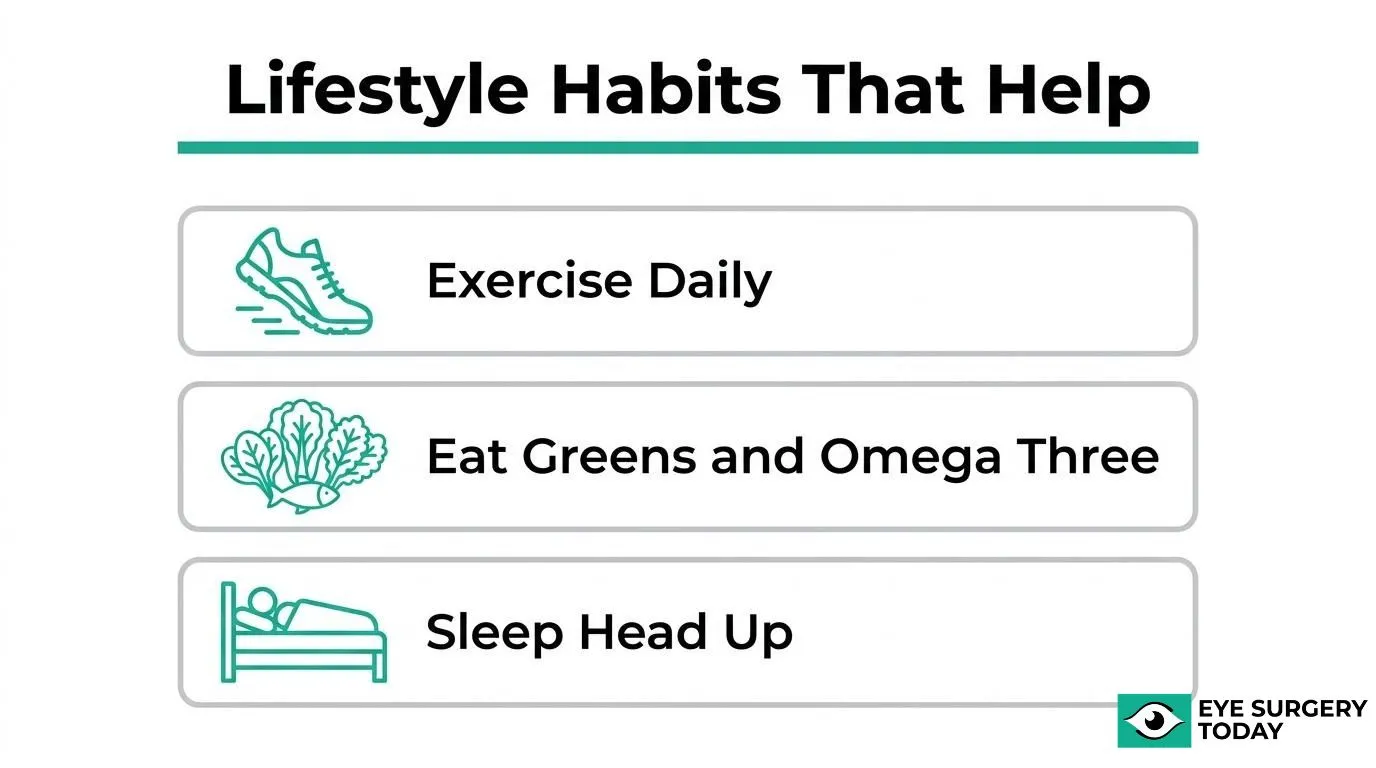
Lifestyle changes may help manage glaucoma by reducing intraocular pressure (IOP) and slowing disease progression. The following sections cover how exercise, diet, sleep position, stress management, and hydration each play a role.
How Does Exercise Affect Eye Pressure in Glaucoma?
Exercise affects eye pressure in glaucoma by producing transient reductions in IOP. According to research published in the British Journal of Ophthalmology, aerobic exercise such as walking or running is linked to both a reduction in glaucoma progression and measurable decreases in intraocular pressure, as well as benign associated with lower glaucoma incidence. Glaucoma is already the second leading cause of blindness globally, responsible for 9% to 12% of blindness cases worldwide, making any modifiable factor worth taking seriously. Regular moderate aerobic activity is one of the most accessible, low-cost strategies available to glaucoma patients.
What Dietary Choices May Support Eye Health with Glaucoma?
Dietary choices that may support eye health with glaucoma include increasing intake of leafy green vegetables and omega-3 fatty acids. Higher dietary nitrate from leafy greens is associated with a lower risk of primary open-angle glaucoma, according to research published in Ophthalmology. Omega-3 fatty acids are crucial for supporting retinal and optic nerve protection, and may help reduce neuroinflammatory pathways and microglial activation. Prioritizing these foods as part of a broader dietary strategy is a practical, evidence-supported approach for glaucoma patients.
How Does Sleep Position Influence Intraocular Pressure?
Sleep position influences intraocular pressure significantly, with head elevation shown to produce measurable IOP reductions. A study published in the Journal of Glaucoma found that a 30-degree head-up sleeping position lowered IOP by 3.2 mm Hg compared to a flat supine position in both healthy and glaucomatous eyes. For glaucoma patients, elevating the head with a wedge pillow is a simple, low-risk adjustment.
How Can Stress Management Help with Glaucoma?
Stress management may help with glaucoma by reducing physiological responses that can elevate intraocular pressure. Chronic psychological stress activates the sympathetic nervous system, which may contribute to IOP fluctuations over time. Techniques such as mindfulness meditation, deep breathing, and regular physical activity are commonly recommended to support overall autonomic regulation. Addressing stress is not only beneficial for eye pressure, but for overall quality of life.
How Does Hydration Affect Eye Pressure?
Hydration affects eye pressure through the volume and rate of fluid intake rather than total daily consumption. Drinking large volumes of fluid rapidly, such as more than a liter of water at once, may cause a temporary spike in IOP. Sipping water steadily throughout the day, rather than consuming large amounts in short periods, is generally considered the safer approach for glaucoma patients. Consistent, moderate hydration supports normal aqueous humor dynamics without placing excess pressure on the drainage system of the eye.
What Daily Activities Should You Adjust with Glaucoma?
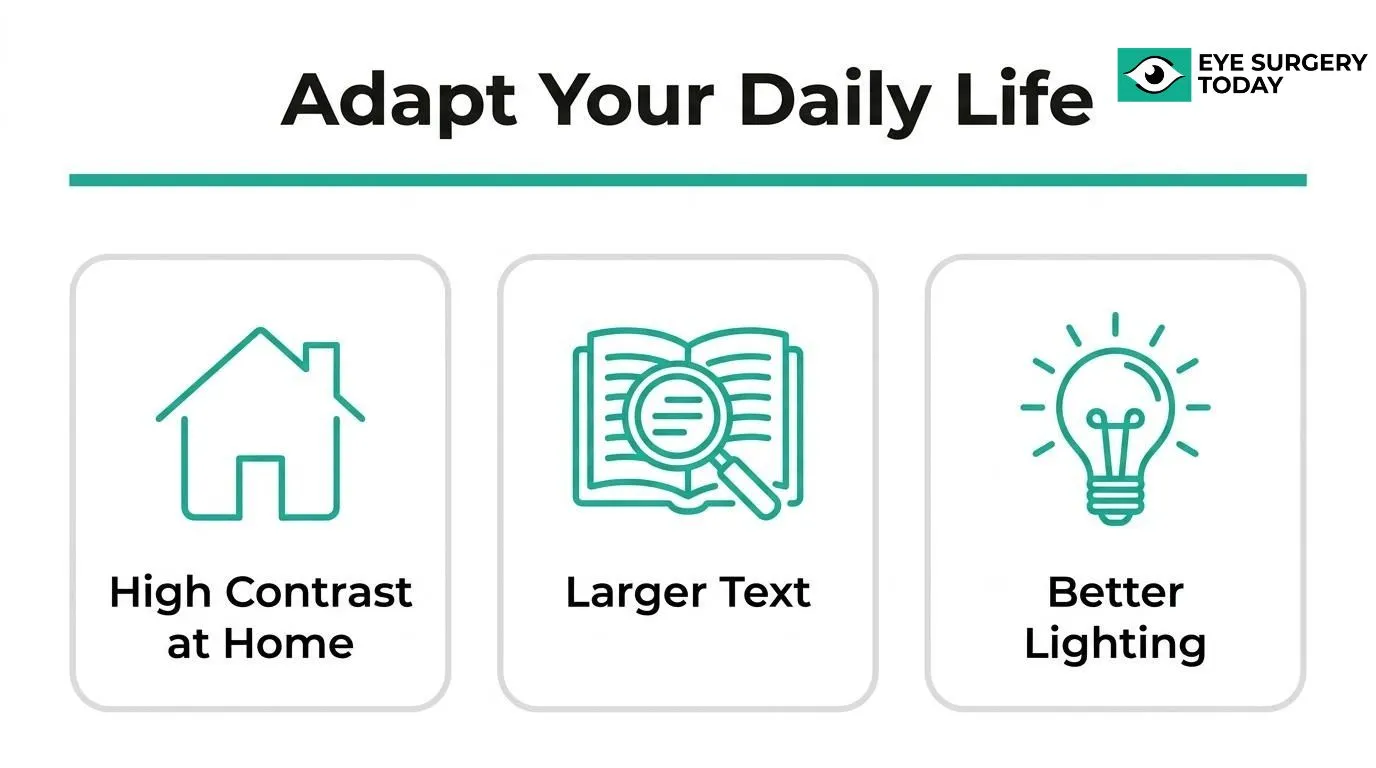
Daily activities that may need adjustment with glaucoma include driving, home navigation, reading, and moving in low-light settings. The sections below cover practical strategies for each of these areas.
How Can You Drive Safely with Glaucoma Vision Loss?
Driving safely with glaucoma vision loss requires understanding how peripheral field damage affects road awareness. According to Investigative Ophthalmology & Visual Science, visual field requirements for driver licensing in the United States typically range between 110° and 140° of horizontal field, a threshold that progressive glaucoma can erode over time.
Patients with vision-affecting glaucoma should discuss their current visual field status with their eye care provider before continuing to drive. Low-vision aids such as optical lenses, including magnifiers and telescopes, and non-optical devices like reading slits and high-intensity lamps are available, though their application to driving depends on individual assessment and state law. Scheduling drives during daylight hours, avoiding high-traffic situations, and requesting regular visual field testing are practical steps that support safer decisions about driving fitness.
How Should You Adapt Your Home for Peripheral Vision Loss?
Home adaptation for peripheral vision loss includes using high-contrast materials, ensuring proper lighting, and organizing environments to reduce fall and collision risk. According to the Glaucoma Foundation, these three strategies form the core framework for creating a safer living space for people managing vision loss.
Practical adaptations include:
- Applying brightly colored tape to step edges, door frames, and countertop corners.
- Replacing dim or yellow-tinted bulbs with bright, cool-white LED lighting throughout hallways and kitchens.
- Removing low furniture and floor-level clutter from high-traffic paths.
- Keeping frequently used items in consistent, predictable locations.
Systematic environmental organization reduces the cognitive load of navigating a familiar space with reduced peripheral awareness.
What Reading and Screen Strategies Help with Glaucoma?
Reading and screen strategies that help with glaucoma include increasing font size, raising display contrast, and using dedicated lighting. Glaucoma’s peripheral field loss can make tracking lines of text more difficult, while reduced contrast sensitivity compounds the challenge on low-brightness screens.
Useful adjustments include:
– Setting device displays to high-contrast or dark mode to reduce visual fatigue.
– Enlarging text to at least 18-point font for sustained reading.
– Using a reading slit or typoscope to isolate one line of text at a time.
– Positioning a high-intensity lamp to illuminate reading material from the side rather than directly overhead.
Combining optical and environmental strategies tends to produce better outcomes than relying on any single adjustment alone.
How Can You Navigate Low-Light Environments Safely?
Navigating low-light environments safely with glaucoma requires proactive planning, since reduced contrast sensitivity makes dim conditions disproportionately challenging for people with optic nerve damage. Glaucoma can impair the eye’s ability to adapt quickly between different light levels, increasing fall and disorientation risk after dark.
Strategies that support safer low-light navigation include:
- Using a handheld flashlight or motion-activated nightlights along nighttime routes.
- Allowing extra time when moving from brightly lit to dim spaces.
- Memorizing room layouts so movement relies less on real-time visual scanning.
- Wearing anti-glare lenses to reduce the halo effects that artificial light sources can produce.
Establishing consistent nighttime routines reduces reliance on rapid visual adaptation and helps compensate for peripheral field gaps.
How Can You Protect Your Remaining Vision with Glaucoma?
Protecting your remaining vision with glaucoma requires consistent monitoring, environmental safeguards, and avoiding habits that elevate intraocular pressure. The following sections cover routine eye exams, UV protection, and activities that may accelerate vision loss.
Why Are Regular Eye Exams Critical for Glaucoma Patients?
Regular eye exams are critical for glaucoma patients because glaucoma progresses silently, and only clinical monitoring can detect changes in optic nerve health and intraocular pressure before further vision loss occurs. Without routine assessments, damage may advance undetected until it becomes severe.
During each visit, your ophthalmologist can evaluate whether your current treatment is controlling IOP adequately, adjust medications, or recommend additional interventions such as laser therapy. Consistent monitoring is widely regarded as the one of the most effective strategies for preserving remaining vision in glaucoma patients, since early detection of progression allows for timely treatment changes.
How Does UV Protection Help Preserve Vision with Glaucoma?
UV protection helps preserve vision with glaucoma by reducing additional oxidative stress on already compromised ocular tissue. Prolonged ultraviolet exposure may worsen retinal and optic nerve vulnerability in eyes already managing elevated IOP.
Wearing wraparound sunglasses with 100% UVA and UVB protection is a practical, low-cost intervention that glaucoma patients can adopt immediately. Photochromic lenses or polarized options also reduce glare, which is particularly helpful given that glaucoma often affects contrast sensitivity and light adaptation. This layer of protection complements medical treatment rather than replacing it.
What Activities or Habits May Worsen Glaucoma?
The activities or habits that may worsen glaucoma include those that acutely or chronically elevate intraocular pressure, restrict ocular blood flow, or interfere with medication adherence. Several everyday behaviors carry meaningful risk for glaucoma patients:
- Inverted yoga poses (such as headstands or shoulder stands) can transiently spike IOP.
- Heavy weightlifting with breath-holding or doing a Valsalva maneuver may elevate IOP acutely.
- Sleeping flat on the back is associated with higher IOP; a 30-degree head-up position was found to lower IOP by 3.2 mm Hg compared to a flat supine position, according to a study published in the Journal of Glaucoma.
- Excessive caffeine intake has been linked to short-term increases in eye pressure.
- Tight neckwear or collars may compress jugular veins, indirectly raising IOP.
- Skipping prescribed eye drops removes the primary IOP-lowering mechanism that protects the optic nerve.
Understanding these risk factors is often underestimated in day-to-day glaucoma management, yet modifying them costs little and may meaningfully slow progression alongside medical treatment.
How Does Glaucoma Affect Emotional Well-Being?
Glaucoma affects emotional well-being, with research showing it raises the risk of both depression and anxiety. The following sections cover strategies for coping with vision-loss anxiety and finding peer support.
How Can You Cope with Anxiety About Vision Loss?
Anxiety about vision loss is a common and understandable response to a glaucoma diagnosis. According to a study published in Actas Españolas de Psiquiatría, patients with glaucoma are more likely to experience anxiety and have more severe anxiety symptoms (relative risk of 2.99) compared to people without the condition.
Practical strategies that may help include:
- Speaking openly with your ophthalmologist about prognosis and treatment goals to reduce uncertainty.
- Practicing mindfulness or relaxation techniques to manage day-to-day worry.
- Seeking support from a licensed mental health professional experienced with chronic illness.
- Joining structured coaching programs.Structured glaucoma self-management coaching programs, such as the SEE program, have been shown in randomized trials to reduce glaucoma-related distress.
Addressing anxiety early is often underestimated in glaucoma care, but emotional health can influence how consistently patients follow treatment plans.
Where Can You Find Support Groups for Glaucoma Patients?
Support groups for glaucoma patients are available through several established organizations and online communities. The Glaucoma Research Foundation and The Glaucoma Foundation both offer patient resources and connections to peer networks. According to a study published in the American Journal of Ophthalmology, the Support, Educate, Empower (SEE) personalized coaching program reduced glaucoma-related distress more effectively than standard written education alone.
Options worth exploring include:
- Online forums and communities hosted by the Glaucoma Research Foundation.
- Patient education programs such as SEE, which combine coaching with practical adherence support.
- Local hospital or clinic-based support groups for individuals managing vision loss.
With emotional support strategies in place, consistent professional care remains the foundation of long-term glaucoma management.
What Should You Know About Glaucoma Treatment Options?
Glaucoma treatment options range from laser procedures to surgical interventions, each suited to different stages and types of the condition. The following sections cover how laser treatments work and when surgery may be appropriate.
How Do Laser Treatments Help Manage Glaucoma?
Laser treatments help manage glaucoma by reducing intraocular pressure through targeted procedures that improve fluid drainage from the eye. Selective Laser Trabeculoplasty (SLT) is one of the most widely used options, applying low-energy pulses to the trabecular meshwork to stimulate drainage. According to a chapter published by Springer on laser trabeculoplasty in angle-closure glaucoma, SLT has demonstrated similar clinical efficacy to Argon Laser Trabeculoplasty (ALT). For many patients, laser treatment may delay or reduce reliance on daily eye drops, making it a practical early-stage option worth discussing with an eye care provider.
When Might Surgery Be Recommended for Glaucoma?
Surgery for glaucoma may be recommended when medications and laser treatments fail to adequately control intraocular pressure, or when the condition continues to progress despite other interventions. Common surgical approaches include trabeculectomy, which creates a new drainage channel, and minimally invasive glaucoma surgery (MIGS), which carries a lower risk profile and is often considered for mild to moderate cases. Your ophthalmologist may also recommend a drainage implant if conventional surgery is not suitable. The decision depends on glaucoma type, disease severity, and overall eye health, so a thorough evaluation is essential before proceeding.
How Can Guidance From a Surgeon-Led Platform Help You Navigate Glaucoma?
Guidance from a surgeon-led platform can help you navigate glaucoma by translating complex clinical information into clear, actionable education that supports informed decision-making. The following sections explain what Eye Surgery Today offers as an educational resource and the key takeaways from living with glaucoma.
Can Eye Surgery Today Help You Understand Your Options?
Yes, Eye Surgery Today can help you understand your options through surgeon-reviewed educational content designed specifically for patients navigating eye conditions like glaucoma. The platform is built on a commitment to clarity, transparency, and expert insight, translating complex medical information into language that supports informed conversations with an eye care provider.
Eye Surgery Today covers a broad range of topics related to eye conditions and treatment pathways, providing evidence-based educational resources to help patients understand their options. For patients who feel overwhelmed by a glaucoma diagnosis, having access to trustworthy, evidence-based information can meaningfully reduce uncertainty and support more confident conversations with an eye care provider.
What Are the Key Takeaways About Living with Glaucoma?
The key takeaways about living with glaucoma center on consistent management, lifestyle awareness, and informed engagement with treatment options. Glaucoma is a chronic condition, but with consistent management and timely intervention, many patients may be able to slow the rate of vision loss, though outcomes vary depending on individual disease characteristics and treatment response.
The most actionable lessons from this article include:
- Medication adherence is foundational; proper eye drop technique and consistent scheduling protect against disease progression.
- Aerobic exercise and diet, including leafy greens rich in dietary nitrates, may support lower intraocular pressure and decreased glaucoma progression.
- Sleep position matters; elevating the head during sleep may help reduce overnight IOP elevation.
- Home and daily adaptations, such as improved lighting and high-contrast materials, help maintain safety and independence.
- Emotional well-being deserves attention alongside physical management, as glaucoma is associated with elevated rates of depression and anxiety.
- Laser and surgical treatments offer additional options when medications alone are insufficient.
Staying informed is one of the most effective tools available to any glaucoma patient.