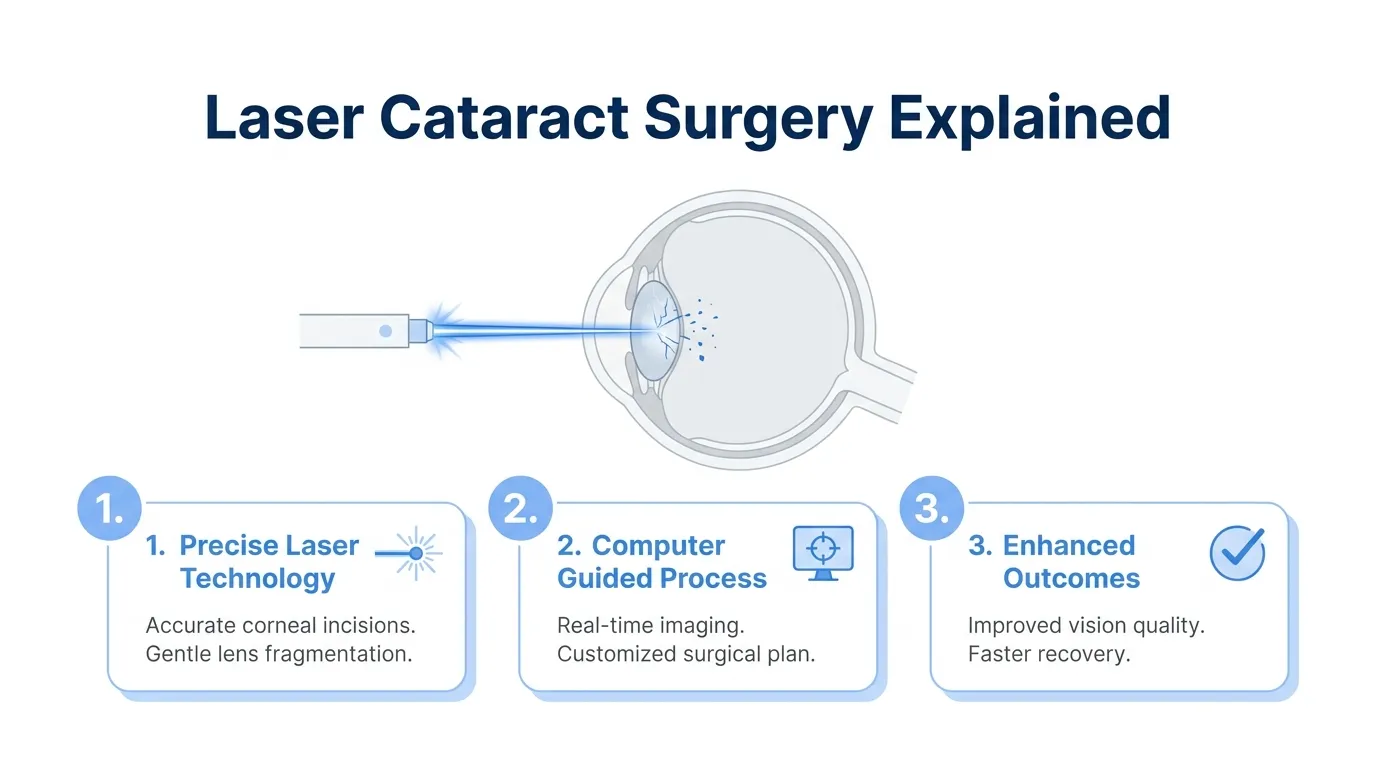
Laser cataract surgery is a procedure that uses a femtosecond laser to automate key steps of cataract removal, including corneal incision creation, capsulotomy, and lens fragmentation, before a surgeon implants an artificial intraocular lens. This approach replaces several manual techniques used in traditional phacoemulsification with computer-guided precision.
This guide covers how laser and traditional cataract surgery compare, the potential benefits and risks of laser assistance, candidacy and preoperative preparation, the step-by-step procedure and recovery process, and cost considerations alongside intraocular lens options.
FLACS replaces handheld blade incisions and manual capsule openings with femtosecond laser pulses that may deliver greater reproducibility and accuracy. This precision can reduce cumulative ultrasound energy by a significant margin compared to conventional methods, potentially lowering stress on delicate structures like the corneal endothelium.
Potential benefits include more consistent capsulotomies that may support stable lens positioning, laser-created arcuate incisions for astigmatism correction, and reduced intraocular manipulation that may contribute to a smoother early recovery. However, some studies have identified a slightly higher rate of posterior capsular tears with laser-assisted procedures, making surgeon experience and patient selection essential factors.
Candidates who may benefit most include those with dense cataracts, low endothelial cell counts, or plans for premium IOL implantation. Patients with white cataracts, significant corneal scarring, or advanced macular disease may not be ideal candidates for the laser approach.
Medicare Part B generally covers standard cataract surgery with a basic monofocal lens, while the femtosecond laser upgrade and premium lenses such as multifocal, EDOF, and toric IOLs typically involve additional out-of-pocket costs. Some patients can return to driving within 24 to 48 hours, however, ask your ophthalmologist when it will be safe for you to drive. Full visual stabilization may take two to three weeks.
How Does Laser Cataract Surgery Differ From Traditional Cataract Surgery?
Laser cataract surgery differs from traditional cataract surgery in how key surgical steps are performed. The sections below cover precision differences, candidate considerations, and what each approach means for visual outcomes.
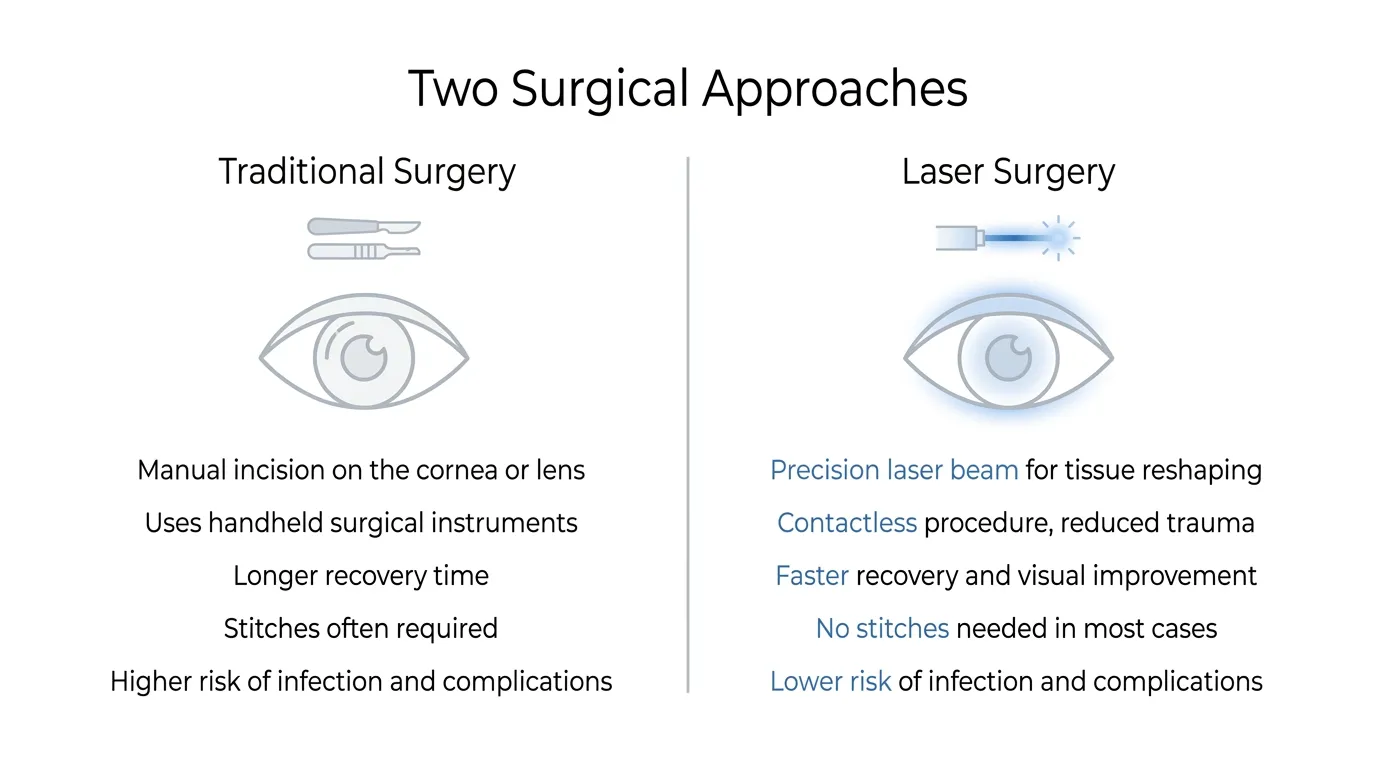
Femtosecond laser-assisted cataract surgery (FLACS) replaces several manual steps of conventional phacoemulsification with computer-guided laser technology. Traditional cataract surgery relies on a handheld blade to create corneal incisions and manual techniques to open the lens capsule and break apart the clouded lens. FLACS automates these critical steps, using a femtosecond laser to perform the capsulotomy, create corneal incisions, fragment the cataract lens, and place arcuate incisions for astigmatism correction.
According to a 2025 meta-analysis published in ScienceDirect, FLACS achieved better visual outcomes in both the early postoperative period and long-term follow-up compared to conventional phacoemulsification cataract surgery. This precision advantage stems from the laser’s ability to deliver a higher level of reproducibility, accuracy, and customization than manual surgical techniques allow.
The differences extend beyond the operating room. FLACS may be specifically considered for patients with dense cataracts or low corneal endothelial cell counts, where minimizing surgical trauma is especially important, according to the European Society of Cataract and Refractive Surgeons. Preoperative planning also reflects this technology gap; refractive cataract surgery assessment now includes advanced biometry and imaging, such as topography and tomography, to fully leverage the laser’s capabilities.
Several practical distinctions separate the two approaches:
- FLACS creates consistently circular, well-centered capsulotomies, while manual capsulorhexis depends on surgeon skill and can vary in shape and size.
- Laser lens fragmentation softens the cataract before ultrasound energy is applied, potentially reducing the total energy delivered inside the eye.
- Corneal incisions made by a femtosecond laser are architecturally precise, which may promote more predictable wound healing.
- Toric IOLs, available in monofocal, multifocal, and EDOF versions, can be paired with either technique, though laser-created capsulotomies may support more stable lens positioning over time.
Both procedures share a similar recovery trajectory. Some patients can return to driving within 24 to 48 hours, however, ask your ophthalmologist when it will be safe for you to drive. Full visual stabilization may take two to three weeks. The choice between laser and traditional surgery often comes down to individual eye anatomy, cataract density, and whether premium lens implants are part of the surgical plan. For patients weighing these options, understanding the specific benefits of laser assistance helps clarify which approach may best support their vision goals.
What Are the Potential Benefits of Laser Cataract Surgery?
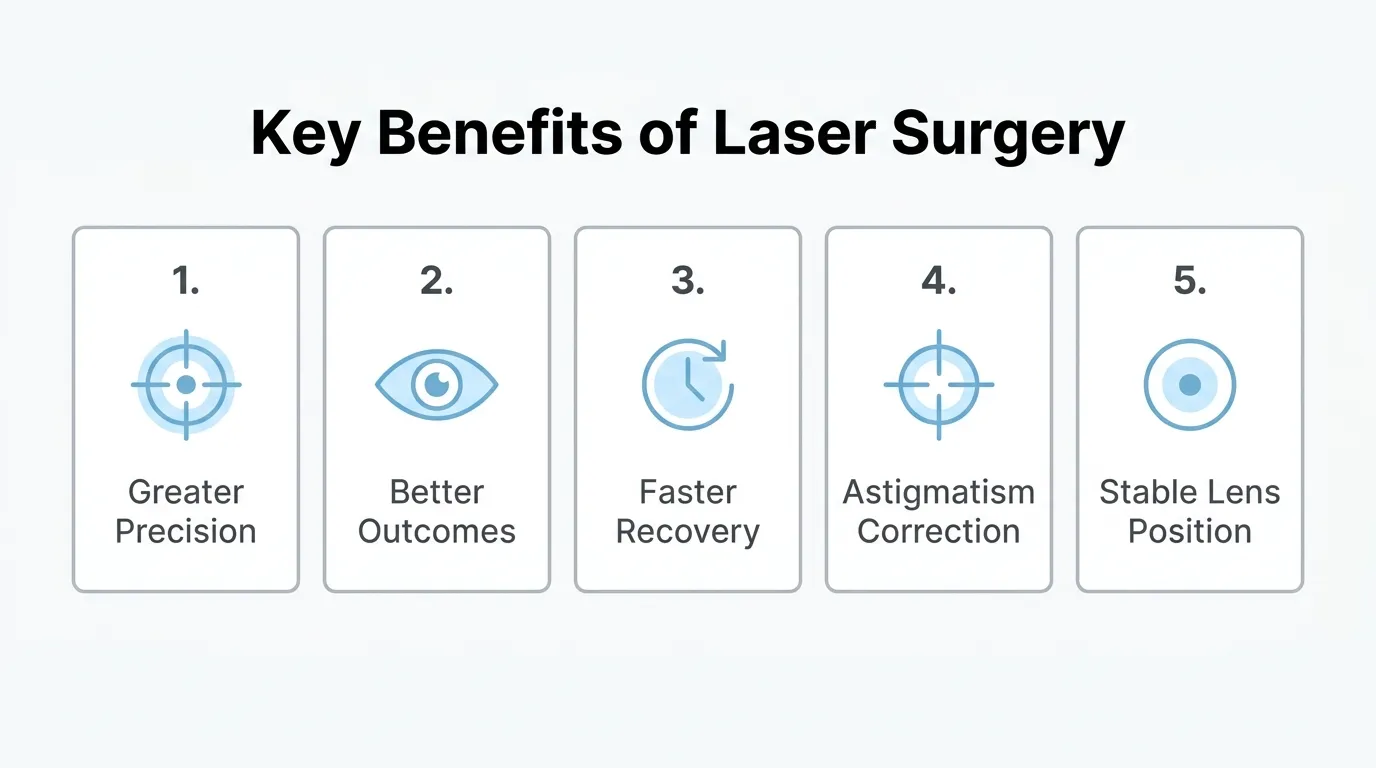
The potential benefits of laser cataract surgery include improved procedural precision, enhanced visual outcomes, faster recovery, better astigmatism correction, and more accurate lens positioning.
How May Laser Cataract Surgery Improve Precision During the Procedure?
Laser cataract surgery may improve precision during the procedure by using a femtosecond laser to automate key surgical steps that traditionally depend on manual technique. The laser creates highly reproducible corneal incisions, capsulotomies, and lens fragmentation patterns with computer-guided accuracy.
One of the most measurable precision advantages involves energy reduction. Femtosecond laser-assisted cataract surgery can reduce cumulative ultrasound energy used during the procedure by 33% to 70% compared to conventional phacoemulsification, according to Greenwich Ophthalmology Associates. Less ultrasound energy may translate to reduced stress on delicate ocular structures, particularly the corneal endothelium.
However, precision gains do not automatically eliminate all risk. Some studies have detected a higher rate of posterior capsular tears in laser-assisted procedures compared to standard phacoemulsification. For this reason, surgical skill and patient selection remain critical factors alongside the technology itself.
How Can Laser Technology Potentially Enhance Visual Outcomes?
Laser technology can potentially enhance visual outcomes by delivering more controlled tissue interaction at the cellular level. According to research published in PLOS ONE, low-energy femtosecond laser technology operating in the nanojoule range separates tissue through plasma-induced ablation, creating overlapping smaller spots that result in smoother surfaces and less collateral damage to adjacent tissues than high-pulse-energy lasers in the microjoule range.
Smoother incision surfaces and reduced collateral tissue disruption may contribute to more predictable corneal healing. When corneal architecture heals consistently, postoperative refractive outcomes can become more stable. This level of tissue-level control is difficult to replicate with manual instruments alone, which is why many surgeons view low-energy femtosecond platforms as a meaningful refinement in optical outcome potential.
How May Laser Cataract Surgery Reduce Recovery Time?
Laser cataract surgery may reduce recovery time by minimizing the mechanical trauma involved in lens removal. Because the femtosecond laser pre-fragments the cataract and creates precise incisions, less manual manipulation is required inside the eye during the procedure.
Reduced intraocular manipulation can lead to less postoperative inflammation and corneal swelling, both of which directly influence how quickly vision stabilizes. According to the American Academy of Ophthalmology, some patients can return to driving within 24 to 48 hours after cataract surgery, however, ask your ophthalmologist when it will be safe for you to drive. Individual healing and full stabilization of vision may take two to three weeks. While this timeline applies broadly to modern cataract surgery, the gentler tissue handling associated with laser assistance may support a smoother initial recovery for many patients.
How Does Laser Assistance Potentially Improve Astigmatism Correction?
Laser assistance potentially improves astigmatism correction by enabling the surgeon to place precise arcuate incisions in the cornea at computer-guided depths and locations. These relaxing incisions reshape corneal curvature to reduce pre-existing astigmatism at the time of cataract removal.
Manual arcuate incisions depend entirely on the surgeon’s hand steadiness and instrument calibration. The femtosecond laser, by contrast, executes these incisions with micron-level accuracy, which may lead to more predictable astigmatism reduction. For patients receiving toric intraocular lenses, this precision in corneal reshaping can complement the lens correction and potentially improve overall uncorrected visual acuity. Addressing astigmatism simultaneously during cataract surgery is one of the most practical advantages laser technology offers, as it may reduce long-term dependence on glasses.
How May Laser Cataract Surgery Support Better Lens Positioning?
Laser cataract surgery may support better lens positioning by creating a more uniform and centered capsulotomy than manual techniques allow. According to research published in Nature (Scientific Reports), the femtosecond laser enables consistently shaped and well-centered capsulotomies, which helps maintain accurate intraocular lens positioning within the capsular bag.
Capsulotomy shape directly affects how the IOL sits inside the eye after surgery. An irregular or decentered opening can cause the lens to tilt or shift, potentially leading to residual refractive error or visual disturbances. The laser’s ability to produce a perfectly circular, precisely sized capsulotomy helps the lens remain centered as the capsular bag contracts during healing. For premium IOL recipients, where even minor decentration can affect multifocal or extended depth-of-focus performance, this consistency in capsulotomy quality becomes particularly valuable.
With these potential benefits in mind, understanding who may be the best candidate for laser cataract surgery helps determine whether these advantages apply to your situation.
Who Is a Good Candidate for Laser Cataract Surgery?
A good candidate for laser cataract surgery is typically someone with visually significant cataracts who may benefit from the added precision of femtosecond laser technology. The sections below cover who may benefit most and who might not be ideal for this approach.
Who May Benefit Most From Choosing Laser Over Traditional Surgery?
Patients who may benefit most from choosing laser over traditional surgery include those whose clinical profiles align with the unique precision advantages femtosecond laser technology offers. Several groups stand out as particularly strong candidates:
- Patients with dense or advanced cataracts, where laser fragmentation can reduce the ultrasound energy needed to remove the lens
- Individuals with low corneal endothelial cell counts, since minimizing surgical trauma may help preserve these cells
- Patients planning to receive premium intraocular lenses, such as toric, multifocal, or extended depth-of-focus IOLs, where precise capsulotomy and lens positioning are especially important
- Those with pre-existing astigmatism who could benefit from laser-created arcuate incisions for correction during the same procedure
According to the European Society of Cataract and Refractive Surgeons (ESCRS), FLACS may be specifically considered for patients with dense cataracts or low corneal endothelial cell counts to minimize surgical trauma. For patients seeking the highest level of customization in their cataract procedure, laser assistance often represents the most compelling upgrade over manual techniques.
Who Might Not Be an Ideal Candidate for Laser Cataract Surgery?
Patients who might not be ideal candidates for laser cataract surgery include those with certain ocular or anatomical conditions that can interfere with the femtosecond laser’s imaging and delivery systems. Factors that may limit candidacy include:
- White or very mature cataracts, which can obstruct the laser’s ability to image internal structures safely on high-energy platforms
- Small pupils that do not dilate adequately, potentially limiting laser access to the lens capsule
- Significant corneal scarring or opacities that may block the laser beam from reaching the target tissue
- Pre-existing eye diseases, such as advanced glaucoma or macular degeneration, which may limit the visual benefit of the procedure regardless of surgical technique
Not every patient needs the added precision of laser assistance. When cataracts are straightforward and no premium lens is planned, traditional phacoemulsification remains a highly effective option. A thorough preoperative eye examination helps determine which approach best fits each patient’s unique anatomy and visual goals.
Understanding candidacy is an important first step; knowing the possible risks helps complete the picture before making a decision.
What Are the Possible Risks and Complications of Laser Cataract Surgery?
The possible risks and complications of laser cataract surgery include intraoperative events, postoperative side effects, and rare but serious outcomes. The following sections cover potential complications during and after the procedure, along with how complication rates compare to traditional surgery.
What Are the Potential Intraoperative Complications?
The potential intraoperative complications of laser cataract surgery are rare events that may occur during the femtosecond laser or phacoemulsification phases. These include:
- Anterior capsule tears, where the laser-created capsulotomy edge may extend during lens removal.
- Posterior capsule tears, which can complicate intraocular lens placement.
- Suction loss, where the laser docking interface loses contact with the eye, requiring the surgeon to restart or convert to a manual approach.
- Corneal incision irregularities, which may occasionally require manual adjustment.
- Miosis (pupil constriction), since the laser’s energy can trigger pupil narrowing that limits surgical access.
Although these events are uncommon, experienced surgeons anticipate and manage them routinely. Patients with dense cataracts or shallow anterior chambers may face slightly elevated risk, making thorough preoperative assessment essential.
What Are the Possible Postoperative Side Effects?
The possible postoperative side effects of laser cataract surgery are generally mild and temporary. Most resolve within days to weeks as the eye heals. Common side effects include:
- Temporary blurred vision as the eye adjusts to the new intraocular lens.
- Mild discomfort or a gritty sensation, typically managed with prescribed eye drops.
- Light sensitivity and glare, which may be more noticeable in the first few days.
- Dry eye symptoms, since the corneal nerves require time to recover.
- Floaters, which some patients notice temporarily after surgery.
In rare cases, more serious complications such as infection (endophthalmitis), persistent inflammation, elevated intraocular pressure, or cystoid macular edema may develop. Any sudden vision loss, increasing pain, or worsening redness warrants immediate evaluation. Your ophthalmologist can help distinguish normal healing from complications requiring intervention.
How Do Complication Rates Compare to Traditional Cataract Surgery?
Complication rates for laser cataract surgery compare favorably to traditional phacoemulsification, though the evidence is nuanced. According to a real-world high-volume study published in PLOS ONE examining 1,806 eyes, the overall intraoperative complication rate for low-energy FLACS was 0.28%, with anterior capsule tears in 0.17% and posterior capsule tears in 0.11% of cases.
However, mixed findings exist across the broader literature. Some studies suggest FLACS is as safe as standard phacoemulsification, while others have detected a slightly higher rate of posterior capsular tears in laser-assisted procedures. These discrepancies likely reflect differences in surgeon experience, laser platform energy levels, and patient selection criteria.
For most patients, both approaches carry very low complication rates overall. The choice between laser-assisted and traditional surgery often depends on individual anatomy and lens complexity rather than safety concerns alone.
With risks clearly outlined, understanding preoperative preparation helps set realistic expectations.
What Should You Expect Before Laser Cataract Surgery?
Before laser cataract surgery, you should expect a comprehensive preoperative eye examination, specific preparation steps in the days leading up to the procedure, and possible medication adjustments.
What Happens During the Preoperative Eye Examination?
During the preoperative eye examination, your ophthalmologist performs a series of diagnostic tests to map the eye’s unique anatomy and determine the best surgical approach. According to an American Society of Cataract and Refractive Surgery (ASCRS) clinical report, preoperative assessment for refractive cataract surgery includes up-to-date biometry and imaging techniques such as topography and tomography to optimize surgical outcomes.
Key components of the preoperative exam typically include:
- Biometry to measure corneal power and axial eye length for accurate intraocular lens selection.
- Corneal topography to map the curvature of the cornea and identify astigmatism.
- Optical coherence tomography (OCT) to evaluate retinal health and rule out macular conditions.
- Pupil dilation to allow a thorough examination of the lens and retina.
Because even small measurement errors can lead to unpredicted refractive outcomes, precision at this stage directly influences the quality of your postoperative vision. This exam is arguably the most consequential step in the entire surgical journey; the laser’s precision means little if the preoperative data guiding it is incomplete.
How Should You Prepare in the Days Before Surgery?
You should prepare in the days before surgery by following your ophthalmologist’s specific instructions regarding eye drops, lifestyle adjustments, and day-of logistics.
Common preparation steps include:
- Prescribed antibiotic or anti-inflammatory eye drops, often started one to three days before the procedure to reduce infection risk.
- Arranging transportation, since you will not be able to drive yourself home after surgery.
- Avoiding eye makeup, lotions, and perfumes on the day of surgery to minimize contamination risk.
- Fasting guidelines, if sedation is planned, typically no food or drink for several hours beforehand.
Your surgeon’s office will provide a personalized checklist. Following each instruction carefully helps create the cleanest possible surgical environment and supports a smoother recovery.
What Medications May Need to Be Adjusted Before the Procedure?
The medications that may need to be adjusted before the procedure include blood thinners, alpha-blockers, and certain eye drops. Your ophthalmologist may recommend changes to reduce the risk of intraoperative complications.
Medications commonly reviewed before cataract surgery include:
- Blood thinners such as warfarin or aspirin, which your doctor may advise pausing or continuing based on individual bleeding risk.
- Alpha-blockers like tamsulosin, which can cause intraoperative floppy iris syndrome (IFIS) and require special surgical planning.
- Glaucoma eye drops, which may be temporarily adjusted around the procedure date.
Never stop or change any medication without your prescribing physician’s approval. A coordinated conversation between your ophthalmologist and primary care provider ensures safe adjustments tailored to your health profile.
With preoperative planning complete, the next step is understanding what happens during the laser cataract surgery procedure itself.
What Happens During the Laser Cataract Surgery Procedure?
The laser cataract surgery procedure involves a femtosecond laser performing three key steps before the surgeon completes the operation manually. These steps include corneal incision creation, capsulotomy, lens fragmentation, and intraocular lens implantation.
How Is the Femtosecond Laser Used to Create the Corneal Incision?
The femtosecond laser is used to create the corneal incision by delivering precise, computer-guided pulses that separate corneal tissue at a predetermined depth, location, and architecture. Before the laser fires, an optical coherence tomography (OCT) imaging system maps the eye’s structures in real time, allowing the surgeon to customize incision parameters for each patient.
These laser-created incisions can be more consistent in width and shape than blade-made incisions, which may help promote better wound sealing after surgery. The entire corneal incision step typically takes only seconds. Once the incision is complete, the laser moves to the next phase without removing the eye from the docking interface. For patients concerned about precision, this automated step removes much of the manual variability found in traditional approaches.
How Does the Laser Perform Capsulotomy?
The laser performs capsulotomy by creating a perfectly circular opening in the anterior lens capsule using a pre-programmed pattern of overlapping femtosecond laser pulses. This circular opening, essential for safe lens removal and stable implant placement, benefits from the laser’s ability to cut with micron-level accuracy.
According to a meta-analysis published by the National Library of Medicine, femtosecond lasers can perform a capsulotomy with significantly more precision and higher reliability than manual continuous curvilinear capsulorhexis. A well-centered, uniformly shaped capsulotomy is critical because it directly influences how evenly the intraocular lens sits inside the capsular bag after implantation. Even slight irregularities in capsule shape can cause lens tilt, potentially affecting visual quality. The consistency achieved through laser capsulotomy is one reason many surgeons consider it particularly valuable for premium lens implants that require exact centration.
How Does the Laser Fragment the Cataract Lens?
The laser fragments the cataract lens by delivering focused energy pulses that soften and divide the hardened lens nucleus into smaller, more manageable pieces. This pre-fragmentation step can reduce the amount of ultrasound energy needed during the subsequent phacoemulsification phase, which may help protect delicate intraocular structures.
Not all eyes are treated identically during this step. As noted in a study published in Clinical Ophthalmology (Taylor & Francis), high-energy FLACS is contraindicated in patients with white cataracts, whereas low-energy platforms can perform nucleus fragmentation to equalize pressure and prevent “Argentinian Flag Sign,” a complication where intumescent lens contents surge uncontrollably. Surgeons select fragmentation patterns and energy levels based on cataract density and type. Softer cataracts may require minimal segmentation, while dense nuclear cataracts benefit from more thorough fragmentation grids. This thorough fragmentation eases the process of replacing your lens with an implant, a critical step in restoring clear vision.
What Happens After the Laser Phase During Lens Implantation?
After the laser phase, the surgeon transitions to the manual portion of the procedure to complete lens implantation. The patient moves from the laser suite to the surgical microscope, where the surgeon uses gentle irrigation and aspiration to remove the pre-fragmented lens material through the laser-created incisions.
Once the capsular bag is cleared of all lens fragments, the surgeon folds and inserts the selected intraocular lens (IOL) through the corneal incision. The IOL unfolds inside the capsular bag, centering itself within the capsulotomy opening. Because the laser produced a uniform capsulotomy, the lens tends to settle symmetrically, supporting optimal optical performance. The entire procedure, from laser application through IOL placement, typically takes around 15 to 30 minutes per eye. With the lens securely positioned, attention turns to the immediate postoperative period and early recovery steps.
What Should You Expect During Recovery From Laser Cataract Surgery?
Recovery from laser cataract surgery typically follows a predictable timeline, with most patients noticing improved vision within days. The sections below cover the first 24 hours, the initial week, resuming activities, and required follow-up visits.
What Can You Expect in the First 24 Hours After Surgery?
In the first 24 hours after surgery, you can expect mild discomfort, light sensitivity, and temporarily blurry or hazy vision as the eye begins healing. These early symptoms are normal and typically manageable.
Common experiences during this initial period include:
- Mild itching or a gritty sensation in the treated eye.
- Watery eyes or slight tearing.
- Sensitivity to bright lights.
- Blurred vision that gradually begins to clear.
Your ophthalmologist may recommend wearing a protective eye shield, especially while sleeping, to prevent accidental rubbing or pressure on the eye. Prescribed antibiotic and anti-inflammatory eye drops usually begin the same day to reduce infection risk and control swelling. Resting with minimal screen time during these first hours can support a smoother initial recovery. Following all post-operative instructions precisely is crucial for minimizing risks and ensuring proper healing after cataract surgery.
What Is the Typical Recovery Timeline in the First Week?
The typical recovery timeline in the first week involves a steady improvement in visual clarity, with most patients experiencing noticeably sharper vision within two to three days. Some mild fluctuations in vision during this period are common as the eye adjusts to the new intraocular lens.
During the first week, patients should:
- Continue using prescribed eye drops on the recommended schedule.
- Avoid rubbing or touching the eye.
- Refrain from heavy lifting, strenuous exercise, and bending at the waist.
- Keep water, soap, and dust away from the eye while showering.
- Avoid swimming pools, hot tubs, and dusty environments.
While the corneal incision heals rapidly due to laser precision, the eye remains vulnerable to irritation and infection throughout this early window. Most patients feel comfortable returning to light daily tasks within a few days, though full stabilization of vision may take two to three weeks.
When Can You Resume Driving and Normal Activities?
You can resume driving and normal activities once your ophthalmologist confirms adequate visual acuity, which often occurs quickly. According to the American Academy of Ophthalmology, many patients can return to driving within 24 to 48 hours after cataract surgery, though individual healing and stabilization of vision may take two to three weeks.
General activity guidelines include:
- Light activities like reading and walking can typically resume within one to two days.
- Driving may be possible after the first follow-up visit confirms sufficient vision.
- Moderate exercise can usually resume after one week.
- Strenuous activities, contact sports, and swimming should be avoided for at least two to four weeks.
Each patient’s timeline varies based on individual healing, lens type implanted, and overall eye health. Your surgeon’s personalized clearance should always guide when you return to specific activities, particularly those involving physical exertion or potential eye exposure.
What Follow-Up Appointments Are Typically Needed?
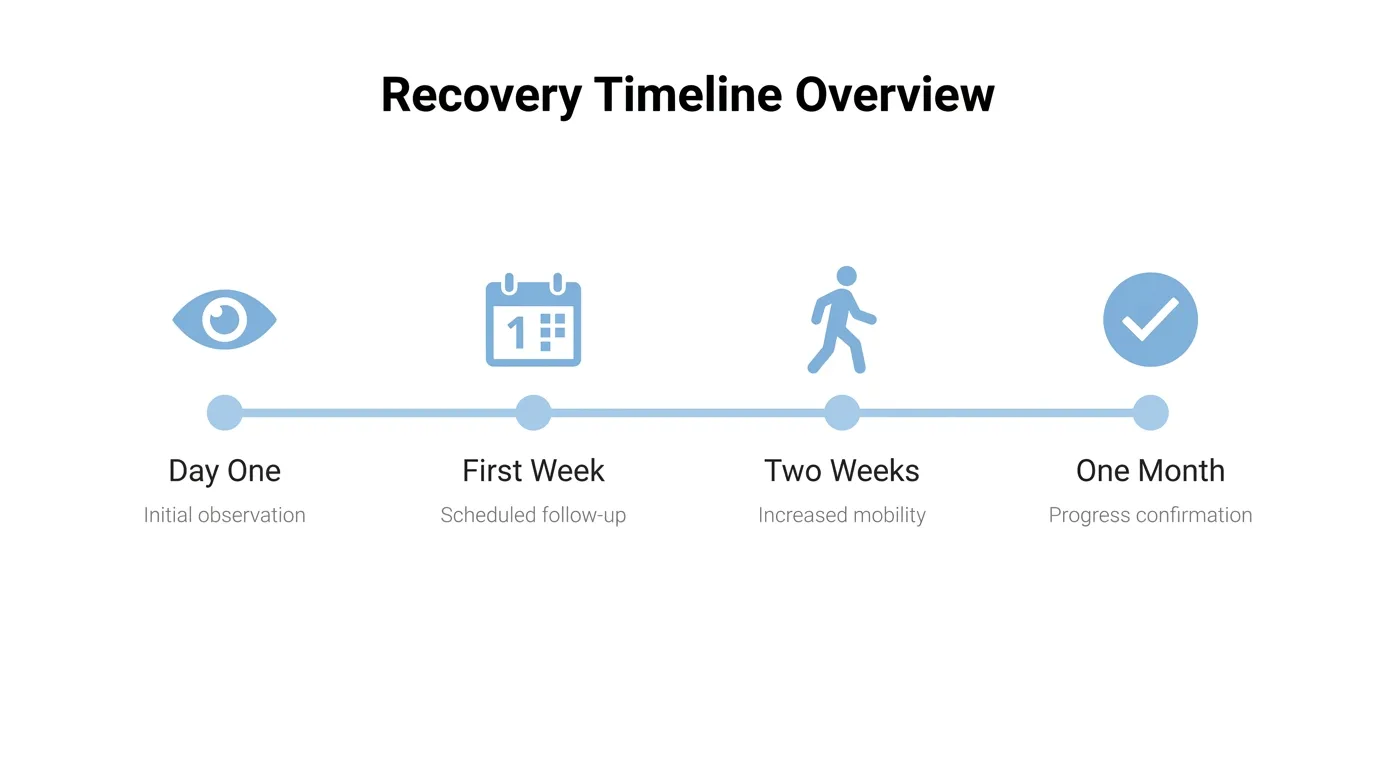
The follow-up appointments typically needed after laser cataract surgery include visits within the first day, at one week, and at approximately one month post-procedure. The first follow-up appointment is typically scheduled within 24 hours of surgery to check for immediate complications such as elevated eye pressure, inflammation, or incision integrity.
A standard follow-up schedule includes:
- Day one: Assessment of early healing, intraocular pressure, and any immediate concerns.
- One week: Evaluation of healing progress, visual acuity, and adjustment of eye drop regimen.
- One month: Confirmation of stable vision, IOL positioning, and overall recovery.
- Three months (if needed): Final refraction and updated eyeglass prescription.
Attending every scheduled visit allows your ophthalmologist to detect and address issues early, which can significantly influence long-term visual outcomes. For most patients, these appointments provide reassurance that healing is progressing as expected.
With a clear understanding of what recovery involves, knowing the associated costs can help you plan the financial side of laser cataract surgery.
How Much Does Laser Cataract Surgery Typically Cost?
Laser cataract surgery typically costs more than traditional cataract surgery, with the final amount depending on insurance coverage, lens selection, and facility fees. The sections below cover insurance and Medicare coverage and anticipated out-of-pocket expenses.
Does Insurance or Medicare Cover Laser Cataract Surgery?
Insurance and Medicare may cover portions of laser cataract surgery, though coverage typically applies to the standard components rather than the laser-assisted upgrade itself. Medicare Part B covers standard cataract surgery including a basic monofocal lens, with patients typically responsible for a $283 deductible plus 20% of the Medicare-approved amount, according to a 2026 report from The Big 65. The femtosecond laser component and premium IOL upgrades generally fall outside this standard coverage, meaning patients pay those costs separately.
Private insurance plans often follow a similar structure, covering the medically necessary procedure while classifying laser assistance and advanced lenses as elective upgrades. For patients who later need a YAG laser capsulotomy to treat posterior capsule opacification, Medicare does cover that follow-up procedure. Verifying your specific plan details with both your insurer and your surgical center before scheduling is one of the most overlooked yet important steps in managing total costs.
What Out-of-Pocket Costs Should You Anticipate?
The out-of-pocket costs you should anticipate for laser cataract surgery include the femtosecond laser upgrade fee, premium IOL charges, and any remaining balance after insurance. Key potential expenses include:
- Femtosecond laser fee: Typically $1,000 per eye beyond standard surgery costs, since most insurers classify it as elective.
- Premium IOL upgrade: Multifocal, extended depth-of-focus, and toric lenses carry additional charges not covered by basic insurance or Medicare.
- Facility and surgeon fees: Costs vary between hospital-based surgical centers and ambulatory surgery centers.
- Pre- and postoperative care: Copays for consultations, diagnostic imaging, and follow-up visits.
Patients covered by Medicare can expect lower baseline costs at non-hospital surgical facilities. Many practices offer financing plans to help spread the laser and lens upgrade expenses over time, making the total investment more manageable.
With cost expectations outlined, choosing the right intraocular lens becomes the next important decision.
What Types of Intraocular Lenses Can Be Used With Laser Cataract Surgery?
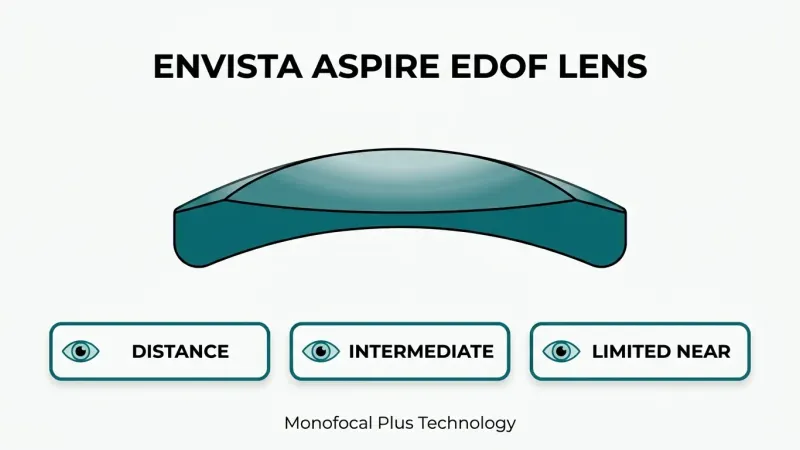
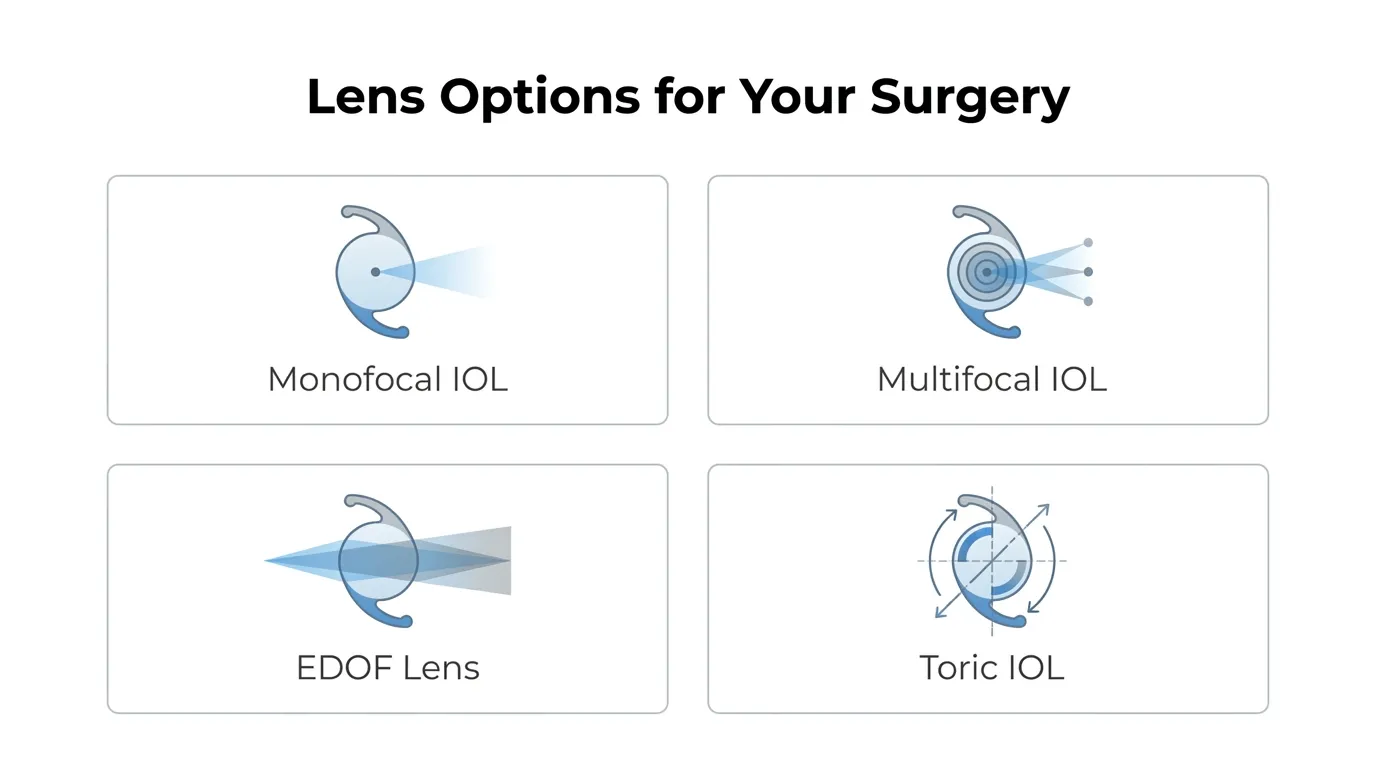
The types of intraocular lenses that can be used with laser cataract surgery include monofocal, multifocal, extended depth-of-focus (EDOF), and toric IOLs. Each lens type addresses different visual needs and lifestyle goals.
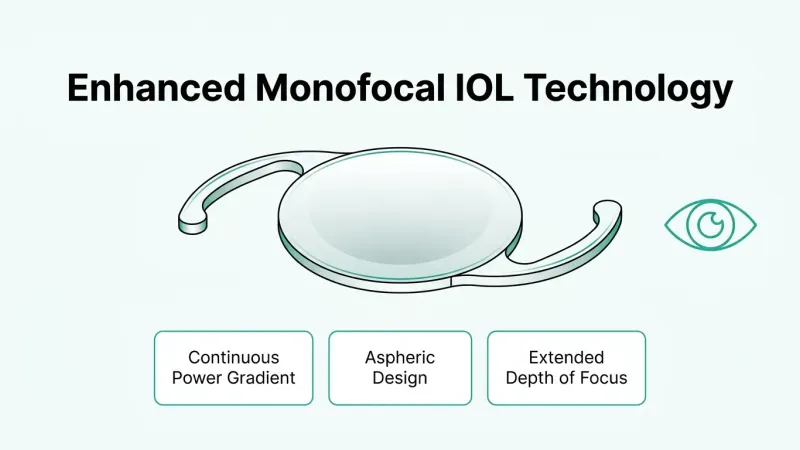
- Monofocal IOLs correct vision at a single focal point, typically distance. Most patients who choose monofocal lenses still need reading glasses after surgery.
- Multifocal IOLs provide multiple focal zones for near, intermediate, and distance vision, potentially reducing dependence on glasses.
- Extended depth-of-focus (EDOF) IOLs create an elongated range of clear vision rather than distinct focal points, which may produce fewer visual disturbances such as halos compared to multifocal designs.
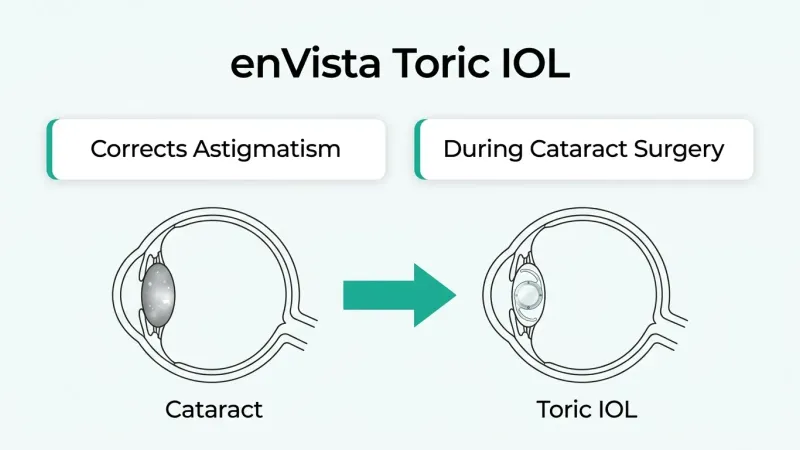
- Toric IOLs correct pre-existing astigmatism. Toric lenses are available in monofocal, multifocal, and EDOF versions, allowing patients with astigmatism to access the full spectrum of lens technology during cataract surgery.
According to the American Academy of Ophthalmology, multifocal and EDOF lenses are generally not recommended for individuals with vision loss from glaucoma, macular degeneration, or other pre-existing eye diseases. These conditions can limit the optical performance of advanced lens designs, making a monofocal IOL a safer choice in such cases.
Choosing the right IOL is one of the most important decisions in the cataract surgery process. The femtosecond laser’s precise capsulotomy can help maintain accurate lens positioning, which is especially valuable with premium IOLs that depend on exact centration for optimal results. Your ophthalmologist can recommend the best lens type based on your eye health, visual goals, and lifestyle priorities. Understanding your lens options prepares you for the broader question of how expert guidance can support your surgical decision.
How Can Expert Guidance Help You Decide About Laser Cataract Surgery?
Expert guidance can help you decide about laser cataract surgery by providing evidence-based information tailored to your vision needs. The following sections cover how Eye Surgery Today’s resources support your evaluation and the key takeaways from this guide.
Can Eye Surgery Today’s Resources Help You Evaluate Your Options?
Yes, Eye Surgery Today’s resources can help you evaluate your options by translating complex clinical data into clear, actionable guidance. The platform is built by nationally recognized ophthalmology key opinion leaders who prioritize unbiased, patient-focused education over marketing.
Evaluating laser cataract surgery involves weighing several factors:
- Candidacy criteria based on cataract density, corneal health, and existing eye conditions.
- The difference between femtosecond laser-assisted and traditional phacoemulsification approaches.
- Intraocular lens options, including monofocal, toric, multifocal, and extended depth-of-focus designs.
- Realistic recovery timelines and follow-up expectations.
- Cost considerations, including what Medicare covers versus out-of-pocket premium lens upgrades.
Eye Surgery Today structures this information through comprehensive guides, surgeon profiles, and educational videos, including resources on eyelid surgery, so patients can approach their consultation prepared with the right questions. For a decision as personal as cataract surgery, having access to medical insight without the pressure of a sales environment makes a meaningful difference in confidence and clarity.
What Are the Key Takeaways About Laser Cataract Surgery Benefits and What to Expect?
The key takeaways about laser cataract surgery benefits and what to expect center on improved precision, individualized lens selection, and a well-defined recovery process.
- Femtosecond laser-assisted cataract surgery (FLACS) offers greater precision for capsulotomy, corneal incisions, and lens fragmentation compared to manual techniques.
- FLACS can reduce cumulative ultrasound energy by 33% to 70%, which may lower stress on delicate eye structures.
- Consistently shaped capsulotomies support accurate intraocular lens positioning within the capsular bag.
- Many patients can return to driving within 24 to 48 hours, however, ask your ophthalmologist when it will be safe for you to drive. Full visual stabilization may take two to three weeks.
- Medicare Part B typically covers standard cataract surgery with a basic monofocal lens; premium lenses and laser-assisted upgrades often involve additional out-of-pocket costs.
- Not every patient is an ideal candidate; conditions such as white cataracts or pre-existing macular disease may affect eligibility or lens selection.
The most important step is discussing your specific eye health, lifestyle goals, and budget with a qualified ophthalmologist when considering laser eye treatments. Eye Surgery Today exists to ensure you enter that conversation informed, empowered, and ready to make the best decision for your vision.