Fuchs’ endothelial corneal dystrophy (FECD) is a progressive corneal disease that damages the endothelial cell layer responsible for maintaining corneal clarity, and its presence significantly affects how cataract surgery is planned, performed, and recovered from.
This guide covers how FECD progresses and affects vision, why it complicates cataract surgery, preoperative diagnostic evaluation, surgical candidacy and procedure options, intraocular lens selection, and postoperative recovery considerations.
FECD advances through predictable stages, beginning with guttae formation on the Descemet membrane and progressing to stromal edema, epithelial blistering, and in chronic cases, permanent corneal scarring that can threaten sight.
Cataract surgery becomes more complex in FECD patients because routine phacoemulsification may cause 8.5% to 16% additional endothelial cell loss, potentially triggering irreversible corneal decompensation in eyes with already depleted reserves. Preoperative evaluation with specular microscopy and pachymetry is essential for identifying at-risk patients before surgical planning begins.
Surgical options range from cataract surgery alone for mild disease to combined triple procedures pairing phacoemulsification with endothelial keratoplasty (DSAEK or DMEK) for advanced cases. The choice between combined and staged approaches depends on endothelial cell density, corneal thickness, and the severity of existing edema.
IOL selection is notably constrained in FECD patients; multifocal, toric, and hydrophilic acrylic lenses each carry specific risks or contraindications, making hydrophobic acrylic monofocal implants the most reliable choice for this population.
Recovery after combined surgery requires patience, with DMEK patients needing supine positioning for 24 to 48 hours and full visual stabilization often taking six months or longer. Close postoperative monitoring of corneal health remains critical to detecting early signs of decompensation.
What Is Fuchs’ Dystrophy and How Does It Affect the Cornea?
Fuchs’ dystrophy is a progressive corneal disease that damages the endothelial cell layer, gradually impairing the cornea’s ability to maintain clarity. The sections below cover how the disease advances over time and the vision symptoms it produces.
How Does Fuchs’ Dystrophy Progress Over Time?
Fuchs’ endothelial corneal dystrophy (FECD) is a progressive, bilateral disorder where the corneal endothelium undergoes apoptosis and loses its pump function, leading to excessive hydration of the corneal stroma and epithelium. According to StatPearls (NCBI), this fluid accumulation causes corneal swelling that worsens in predictable stages.
Early disease is marked by the formation of guttae, mound-shaped deposits growing from the Descemet membrane that are visible on slit-lamp examination. As the endothelium continues to fail, stromal edema develops, followed by epithelial blistering called bullae. In advanced, chronic cases, fibrotic subepithelial tissue invades the cornea, and permanent scar tissue can form, significantly reducing visual potential.
What Symptoms Does Fuchs’ Dystrophy Cause That Affect Vision?
The symptoms of Fuchs’ dystrophy affecting vision include blurred or hazy vision (especially in the morning), light sensitivity, glare, and progressive visual distortion. Morning fogging is characteristic because tear evaporation overnight draws fluid from the cornea; as the day progresses and evaporation resumes, vision temporarily clears.
In advanced stages, corneal edema becomes persistent, and painful epithelial bullae can rupture. Dr. Brandon Ayres of Wills Eye Hospital notes that “the damage to the cornea in Fuchs endothelial dystrophy can be so severe as to cause corneal blindness,” underscoring why timely surgical evaluation is critical for patients experiencing progressive symptoms.
Why Does Fuchs’ Dystrophy Complicate Cataract Surgery?
Fuchs’ dystrophy complicates cataract surgery because the corneal endothelium is already compromised, leaving it vulnerable to further cell loss from the surgical process. The sections below explain how progressive endothelial cell loss affects surgical outcomes and what risks arise when the condition goes undetected.
How Does Corneal Endothelial Cell Loss Affect Surgical Outcomes?
Corneal endothelial cell loss affects surgical outcomes by reducing the cornea’s capacity to maintain transparency and fluid balance after the added stress of cataract surgery. According to a PubMed-indexed study, cell loss in Fuchs endothelial corneal dystrophy (FECD) progresses at 7.7% to 8.4% per year depending on disease stage, which means many patients arrive at surgery with already depleted reserves. Routine phacoemulsification causes an additional estimated endothelial cell loss of 8.5% to 16%, compounding that deficit.
Eyes with an endothelial cell density (ECD) below 1,000 cells/mm² are significantly more likely to decompensate after cataract surgery, and at least 500 cells/mm² are generally required to maintain corneal transparency. When reserves fall below these thresholds, the endothelium loses its watertight seal, fluid collects in the corneal stroma, and light scattering worsens. Advanced disease progression can lead to epithelial bullae, subepithelial fibrosis, and permanent corneal scarring.
Given that Fuchs’ dystrophy is already the most common reason for corneal transplantation in the United States, the surgical stakes are high. Identifying endothelial reserve preoperatively is, in practice, the single most important step a surgical team can take to prevent irreversible decompensation.
What Happens if Fuchs’ Dystrophy Is Not Identified Before Surgery?
If Fuchs’ dystrophy is not identified before surgery, the surgical team cannot account for the reduced endothelial reserve, making irreversible corneal decompensation a genuine risk. Standard phacoemulsification parameters, viscosurgical device selection, and surgical duration are all calibrated differently when FECD is known. Without that knowledge, the additional 8.5% to 16% endothelial cell loss from routine phacoemulsification may push an already borderline cornea past the threshold needed for clarity. The result can be persistent corneal edema, bullous keratopathy, and the need for urgent endothelial keratoplasty that could have been planned electively and performed more safely from the outset.
How Is Fuchs’ Dystrophy Diagnosed Before Cataract Surgery?
Fuchs’ dystrophy is diagnosed before cataract surgery using two primary tools: specular microscopy to evaluate endothelial cell health and pachymetry to measure corneal thickness.
What Role Does Specular Microscopy Play in Preoperative Evaluation?
Specular microscopy plays a critical role in preoperative evaluation by capturing detailed images of the corneal endothelium. According to StatPearls (NCBI Bookshelf), specular microscopy allows clinicians to assess endothelial health by analyzing cell density, morphology (pleomorphism), and cell size variation (polymegathism). These measurements identify whether endothelial reserves are sufficient to withstand the stress of phacoemulsification. An eye with significantly reduced or irregular cell populations carries a substantially higher risk of corneal decompensation after surgery. For this reason, specular microscopy is considered an essential preoperative step, not an optional one, in any patient with suspected or confirmed Fuchs’ dystrophy.
How Does Pachymetry Help Assess Corneal Health Before Surgery?
Pachymetry helps assess corneal health before surgery by measuring central corneal thickness (CCT), which serves as a direct indicator of endothelial pump function. When the endothelium weakens, fluid accumulates in the corneal stroma, causing measurable thickening. Eyes with a CCT greater than 640 μm and preoperative epithelial edema are at the greatest risk of corneal decompensation following cataract surgery, according to a study published via PubMed Central (NIH). Serial pachymetry measurements can also reveal progressive thickening over time, helping surgeons determine whether the condition is stable or deteriorating ahead of the planned procedure.
Together, specular microscopy and pachymetry give surgeons a clear picture of surgical risk before proceeding.
Who Is a Good Candidate for Cataract Surgery With Fuchs’ Dystrophy?
Candidacy for cataract surgery with Fuchs’ dystrophy depends on disease severity, corneal endothelial health, and whether a staged or combined approach is appropriate. The following sections cover mild, moderate, and advanced FECD scenarios.
Can Patients With Mild Fuchs’ Dystrophy Safely Undergo Cataract Surgery Alone?
Yes, patients with mild Fuchs’ dystrophy can safely undergo cataract surgery alone in many cases. According to the Journal of Clinical Medicine, cataract surgery alone is often preferred for patients with visually significant cataracts and mild FECD, while combined procedures are reserved for advanced disease with symptomatic corneal edema.
For eyes with borderline endothelial function, a staged approach, with cataract surgery performed first, may allow some patients to achieve satisfactory visual rehabilitation and defer endothelial keratoplasty entirely. This strategy works best when guttae are present but corneal edema is minimal and the cataract is immature. Careful preoperative assessment of endothelial cell density and corneal thickness is essential before committing to a standalone approach.
When Should Patients With Moderate Fuchs’ Dystrophy Consider a Combined Procedure?
Patients with moderate Fuchs’ dystrophy should consider a combined procedure when cataract extraction alone is unlikely to restore adequate vision due to progressive endothelial compromise. IOL selection becomes especially critical in this group, as future corneal procedures must be factored into every implant decision.
Key IOL considerations for moderate FECD patients include:
- Hydrophilic acrylic IOLs should be avoided, as they are prone to hydroxyapatite deposition when exposed to air or gas bubbles used during DMEK or DSAEK, according to the European Society of Cataract and Refractive Surgeons.
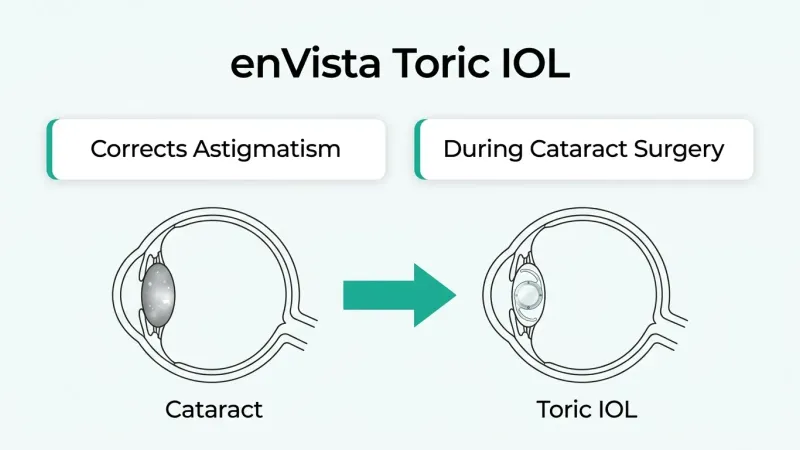
- Toric IOLs are considered relatively contraindicated by some specialists, given the potential for irregular astigmatism and future corneal procedures that may alter the corneal meridian.
- Multifocal IOLs are contraindicated even in early Fuchs’ changes, as the Journal of Cataract and Refractive Surgery notes that reduced contrast sensitivity makes clinical success unlikely.
Calcification of hydrophilic acrylic lenses following intracameral gas injection is a recognized complication, reinforcing why implant material selection at the time of cataract surgery carries long-term consequences.
What Disqualifies a Patient With Advanced Fuchs’ Dystrophy From Standard Cataract Surgery?
Advanced Fuchs’ dystrophy disqualifies a patient from standard cataract surgery alone when symptomatic corneal edema, significant endothelial cell loss, or preexisting epithelial bullae are present. In these cases, the endothelial reserve is too depleted to withstand the additional cell loss caused by phacoemulsification, making a combined or staged approach with endothelial keratoplasty medically necessary.
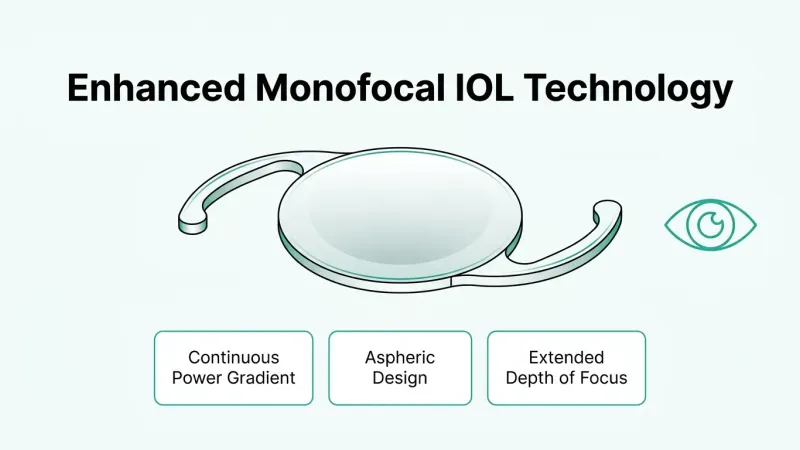
For these patients, monofocal hydrophobic acrylic IOLs are typically the safest implant choice, avoiding the contraindications associated with premium lens options in a compromised corneal environment.
What Are the Surgical Options for Patients With Both Conditions?
The surgical options for patients with both Fuchs’ dystrophy and cataracts range from cataract surgery alone to fully combined procedures that address both the lens and corneal endothelium simultaneously. The right approach depends on disease severity, endothelial cell density, and the presence of corneal edema. The following sections cover each option in detail.
What Is Cataract Surgery Alone for Fuchs’ Dystrophy Patients?
Cataract surgery alone for Fuchs’ dystrophy patients is an option reserved for those with mild FECD, intact endothelial reserves, and no clinically significant corneal edema. According to a Journal of Clinical Medicine review, cataract surgery alone is often preferred when FECD is mild and the cataract is visually significant, allowing surgeons to defer endothelial keratoplasty unless decompensation occurs postoperatively. Phacoemulsification is performed using endothelial-protective techniques, including dispersive viscoelastics and reduced ultrasound energy, to minimize further cell loss. For carefully selected patients, this staged approach can provide satisfactory visual rehabilitation without immediate corneal transplantation.
What Is a Combined Cataract Surgery and DSAEK Procedure?
A combined cataract surgery and DSAEK procedure is a single-session surgery where phacoemulsification and IOL implantation are followed by Descemet Stripping Automated Endothelial Keratoplasty in the same operative setting. DSAEK replaces the diseased endothelium with a donor tissue graft that includes Descemet membrane, endothelium, and a thin layer of posterior stroma. This combination addresses both the cataract and the failing corneal endothelium simultaneously, reducing the total number of surgeries and anesthesia exposures. Ultrathin DSAEK (50–100 µm) and nanothin DSAEK (50 µm or less) offer visual outcomes increasingly comparable to DMEK while retaining the surgical handling predictability that makes DSAEK a practical choice in combined cases.
What Is a Combined Cataract Surgery and DMEK Procedure?
A combined cataract surgery and DMEK procedure is a single-session surgery pairing phacoemulsification with Descemet Membrane Endothelial Keratoplasty, which transplants only the Descemet membrane and endothelial cell layer without stromal tissue. DMEK is the thinner and technically more demanding of the two endothelial keratoplasty techniques. According to a Cochrane systematic review, DMEK can lead to better best-corrected visual acuity at 12 months compared to DSAEK, though it may be associated with a higher rate of graft dislocations. When planning combined phaco-DMEK, surgeons typically create a smaller anterior capsulorrhexis of approximately 4.5 mm to minimize IOL displacement during the anterior chamber manipulation required for graft insertion and unfolding.
What Is a Triple Procedure for Fuchs’ Dystrophy?
The triple procedure for Fuchs’ dystrophy is a combined operation that simultaneously performs cataract extraction with IOL implantation and endothelial keratoplasty, most commonly DSAEK or DMEK, in a single surgical session. The term “triple procedure” reflects the three components: phacoemulsification, IOL placement, and corneal endothelial transplantation. This approach is indicated for patients with advanced FECD and symptomatic corneal edema alongside a visually significant cataract, where addressing both problems together avoids the cumulative endothelial stress of two separate surgeries. In clinical practice, the triple procedure is considered one of the most efficient pathways for patients who clearly need both interventions, as deferring the corneal procedure carries a meaningful risk of progressive decompensation.
How Does a Combined Procedure Compare to Staged Surgeries?
A combined procedure and staged surgeries each carry distinct advantages depending on disease severity. The sections below cover the benefits of combining cataract and corneal surgery, the risks of a simultaneous approach, and when staging remains the better choice.
What Are the Potential Benefits of Combining Cataract and Corneal Surgery?
The potential benefits of combining cataract and corneal surgery include a single anesthetic event, faster overall rehabilitation, and reduced cumulative surgical trauma to the eye. Patients avoid a second operating room visit, which lowers logistical burden and shortens the total recovery window. For those with advanced Fuchs endothelial corneal dystrophy and a visually significant cataract, performing phacoemulsification together with endothelial keratoplasty (EK) addresses both pathologies simultaneously. According to a review published in the Journal of Clinical Medicine, combined procedures are specifically indicated when advanced FECD presents with symptomatic corneal edema alongside a visually significant cataract. This approach is often the most practical path to clear vision when both conditions are meaningfully affecting visual function.
What Are the Possible Risks of a Combined Approach?
The possible risks of a combined approach include increased intraoperative complexity, a higher risk of endothelial graft manipulation, and the potential for IOL positioning complications during the keratoplasty phase. Performing two procedures in one session extends operating time and introduces more variables. Surgical planning must also account for IOL positioning: a smaller anterior capsulorrhexis of approximately 4.5 mm is recommended to minimize anterior IOL displacement during the anterior chamber filling that occurs with EK. Biometry accuracy can also be less predictable when the cornea is edematous preoperatively, potentially affecting refractive outcomes.
When Might Staged Surgeries Be Preferred Over a Combined Procedure?
Staged surgeries may be preferred when the cornea has guttae with minimal edema, only mild endothelial cell loss, and an immature cataract, as noted by the European Society of Cataract and Refractive Surgeons. In borderline cases, cataract surgery alone may stabilize vision sufficiently, allowing some patients to defer or avoid endothelial keratoplasty entirely. Long-term outcome data comparing staged versus combined procedures across 10 or more years remains a recognized gap in the published literature, meaning the optimal sequencing strategy for borderline cases is still evolving.
What Are the Potential Risks and Complications to Consider?
The potential risks and complications to consider in Fuchs’ dystrophy patients undergoing cataract surgery include corneal decompensation, prolonged corneal edema, and poor visual outcomes linked to inappropriate IOL selection. Each of these risks depends heavily on preoperative corneal status and surgical planning.
How May Fuchs’ Dystrophy Increase the Risk of Corneal Decompensation After Surgery?
Fuchs’ dystrophy may increase the risk of corneal decompensation after surgery by reducing the endothelial cell reserve available to maintain corneal clarity following phacoemulsification trauma. Eyes already compromised by FECD have limited capacity to compensate for the additional cell loss that cataract surgery inflicts. According to a study published via PubMed Central (PMC), eyes at greatest risk for corneal decompensation typically include those with preoperative epithelial edema and a central corneal thickness (CCT) greater than 640 μm. These findings underscore the importance of thorough pachymetry and slit-lamp assessment before proceeding with surgery in any FECD patient.
What Is the Risk of Prolonged Corneal Edema Following Cataract Surgery?
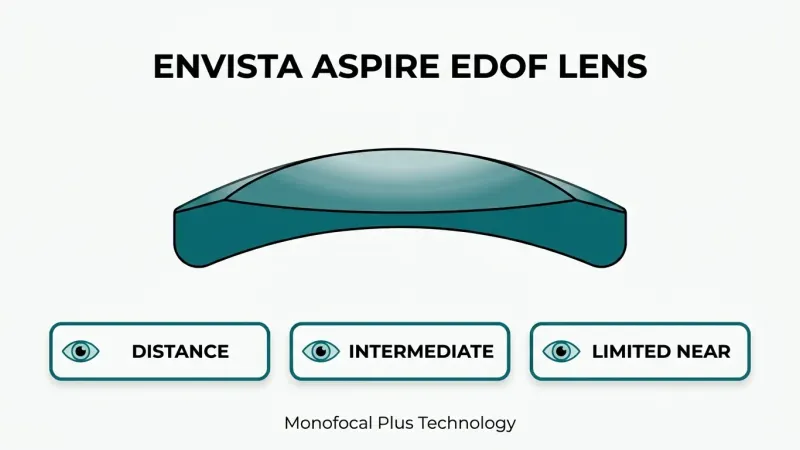
The risk of prolonged corneal edema following cataract surgery is significantly elevated in FECD patients, as their dysfunctional endothelium struggles to clear fluid after surgical stress. Even a technically uncomplicated phacoemulsification can overwhelm a compromised endothelium, extending the period of postoperative stromal and epithelial swelling. This is one reason why multifocal and extended depth-of-focus (EDOF) IOLs are generally avoided in FECD patients: their diffractive optics reduce image quality and contrast sensitivity when corneal guttae or edema are present, compounding the visual impact of edema.
How Might Intraocular Lens Choice Affect Outcomes in Fuchs’ Patients?
Intraocular lens choice may significantly affect outcomes in Fuchs’ patients, because certain lens designs interact unfavorably with the optical and structural changes caused by FECD. According to a review published in the Journal of Cataract and Refractive Surgery, clinical success with multifocal IOLs depends heavily on patient selection, and even early Fuchs’ changes are considered a contraindication due to reduced contrast sensitivity. Monofocal IOLs are generally the safest choice, as they are least sensitive to the optical aberrations introduced by corneal guttae or edema. Selecting the wrong lens type in an FECD eye risks persistent dissatisfaction that persists even after the corneal surface is later corrected.
How Does Fuchs’ Dystrophy Affect Intraocular Lens Selection?
Fuchs’ dystrophy affects intraocular lens selection by narrowing the range of viable IOL options, particularly premium lenses. The sections below cover why multifocal lenses are problematic, how corneal irregularity limits choices, and which lens types are most appropriate.
Why May Multifocal Lenses Be Less Suitable for Fuchs’ Dystrophy Patients?
Multifocal lenses may be less suitable for Fuchs’ dystrophy patients because their diffractive optics reduce image contrast and quality even in eyes with mild corneal changes. According to the Journal of Cataract and Refractive Surgery, even early Fuchs’ dystrophy is considered a contraindication for multifocal IOLs due to reduced contrast sensitivity. Corneal guttae scatter incoming light before it reaches the IOL, compounding the optical trade-offs already inherent to multifocal designs. For patients with any degree of active guttae, monofocal IOLs are a far more predictable and satisfying choice.
How Can Corneal Irregularity From Fuchs’ Dystrophy Limit Premium Lens Options?
Corneal irregularity from Fuchs’ dystrophy can limit premium lens options in two important ways: it compromises optical quality and introduces uncertainty about future corneal procedures. Toric IOLs are considered relatively contraindicated in some FECD patients because irregular astigmatism may render axis alignment unpredictable, and any subsequent corneal transplant could shift the corneal meridian. Similarly, hydrophilic acrylic IOLs carry a risk of hydroxyapatite calcification if air or gas is later injected during endothelial keratoplasty. These factors collectively make lens selection a more conservative, forward-looking decision.
What Lens Types Are Typically Recommended for Patients With Fuchs’ Dystrophy?
The lens types typically recommended for patients with Fuchs’ dystrophy are hydrophobic acrylic monofocal IOLs, chosen for their optical clarity and compatibility with future corneal procedures. According to EyeNet Magazine (American Academy of Ophthalmology), DMEK provides superior visual outcomes, with 50% to 80% of patients achieving 20/25 or better BCVA at six months, making the planned corneal procedure a key factor in lens planning. A monofocal IOL targeting slight myopia can also offer functional near vision while preserving the option for future DMEK or DSAEK without IOL-related complications.
What Should You Expect During Recovery With Both Conditions?
Recovery after combined cataract and corneal surgery requires patience, as visual improvement follows a staged timeline. The sections below cover how long visual recovery takes after combined surgery and what postoperative care Fuchs’ patients need.
How Long Does Visual Recovery Take After Combined Surgery?
Visual recovery after combined surgery varies by procedure, with DMEK patients typically experiencing the longest early recovery period. Postoperative recovery after DMEK involves supine positioning for 24 to 48 hours, allowing the air or gas bubble to tamponade the graft against the host stroma (StatPearls, NCBI Bookshelf). Vision remains blurry during this initial phase as the graft adheres and the cornea gradually clears.
Long-term outcomes are encouraging. A 5-year follow-up published in PubMed found that DMEK maintained superior visual acuity outcomes compared to DSEK, with no significant difference in graft survival between the two techniques. Most patients experience meaningful visual improvement within the first three months, though full stabilization can take six months or longer. For Fuchs’ patients, recovery is often slower than standard cataract surgery alone because corneal edema must resolve alongside lens-related changes.
What Postoperative Care Is Needed for Fuchs’ Patients After Cataract Surgery?
Postoperative care for Fuchs’ patients after cataract surgery centers on monitoring corneal health and protecting residual endothelial function. Key care requirements include:
- Topical steroid eye drops to reduce inflammation and support corneal clarity.
- Hyperosmotic agents (such as sodium chloride drops or ointment) to help draw excess fluid from the corneal stroma.
- Regular follow-up appointments with specular microscopy or pachymetry to track corneal thickness and endothelial cell density.
- Activity restrictions, including avoiding eye rubbing and protecting the eye from trauma.
- Monitoring for decompensation signs, such as worsening blur, halos, or persistent morning haze, which may indicate the need for endothelial keratoplasty.
Close postoperative surveillance is especially important for Fuchs’ patients because the surgical stress of phacoemulsification may unmask borderline endothelial reserve, making early identification of declining corneal function critical to preserving vision.
How Can You Make an Informed Decision About Surgery With Fuchs’ Dystrophy?
Making an informed decision about surgery with Fuchs’ dystrophy requires understanding your diagnostic results, surgical options, and the role of expert-reviewed resources. The following sections cover how surgeon-reviewed education supports that process and summarize the article’s key clinical takeaways.
Can Surgeon-Reviewed Resources Help You Understand Your Surgical Options?
Yes, surgeon-reviewed resources can help you understand your surgical options by translating complex clinical decisions into accessible, patient-centered guidance. For a condition like Fuchs’ endothelial corneal dystrophy, where surgical planning depends on endothelial cell density, corneal thickness, cataract severity, and IOL compatibility, general online searches often fall short. Eye Surgery Today provides surgeon-reviewed educational content designed to close that gap, helping patients understand the distinctions between procedures such as cataract surgery alone, combined triple procedures, DSAEK, and DMEK before their consultation.
What Are the Key Takeaways About Fuchs’ Dystrophy and Cataract Surgery?
The key takeaways about Fuchs’ dystrophy and cataract surgery center on careful preoperative assessment, appropriate procedure selection, and realistic recovery expectations. Patients considering surgery should understand:
- Staging matters: Mild FECD may allow cataract surgery alone, while advanced disease with corneal edema typically requires a combined or staged approach with endothelial keratoplasty.
- Diagnostic thresholds are critical: Endothelial cell density, central corneal thickness, and guttae grading directly determine surgical risk and candidacy.
- IOL selection is constrained: Multifocal, EDOF, toric, and hydrophilic acrylic lenses carry specific risks or contraindications in FECD patients.
- DMEK vs. DSAEK: DMEK may offer superior visual outcomes but requires careful graft handling and postoperative positioning; DSAEK and its ultrathin variants remain reliable alternatives.
- Recovery varies: Visual rehabilitation timelines depend on whether corneal transplantation was performed alongside cataract removal.
Consulting a surgeon who specializes in both cataract and corneal disease remains the most reliable path to a personalized surgical plan.