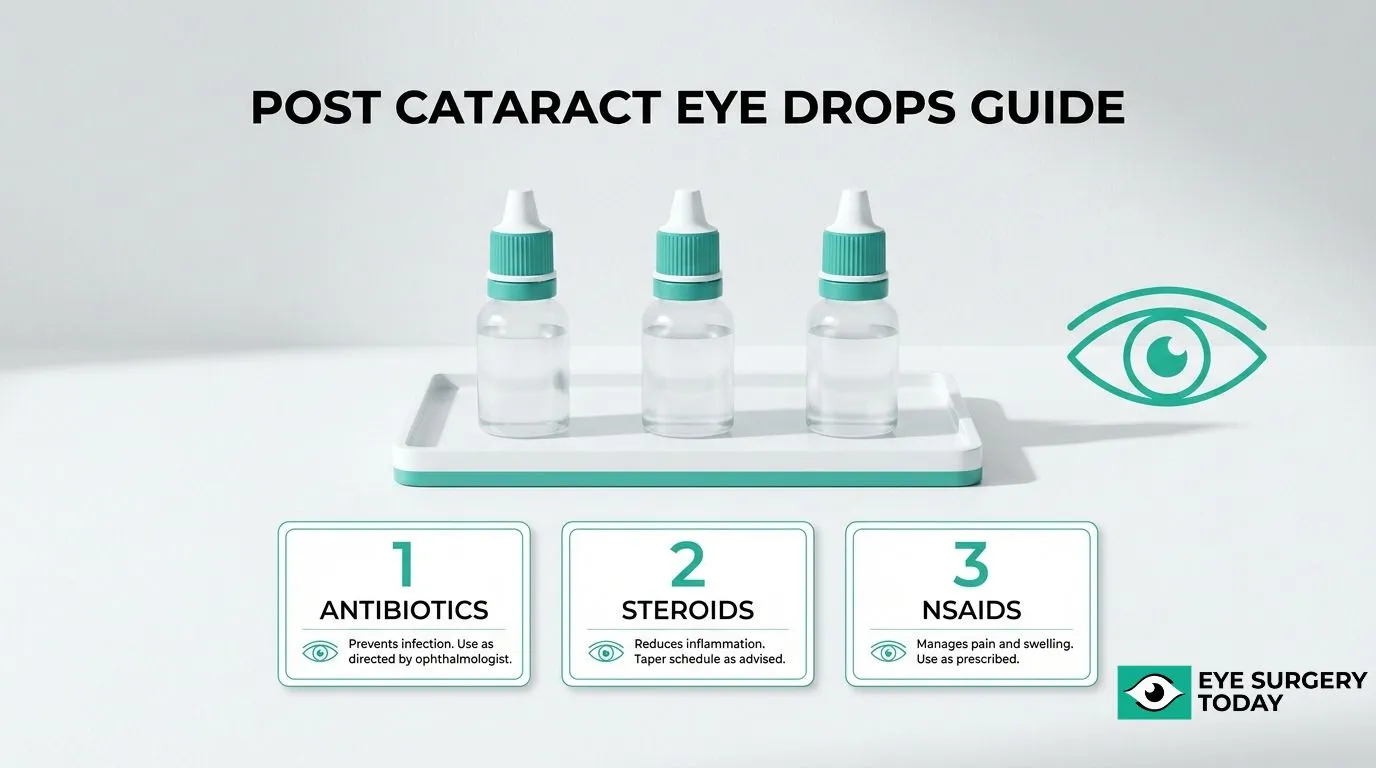
Eye drops after cataract surgery are topical medications applied directly to the healing eye to help prevent infection, control inflammation, and, when needed, manage intraocular pressure during recovery.
This guide covers the purpose and types of postoperative eye drops, proper scheduling and tapering protocols, correct administration technique, managing missed doses and side effects, and strategies for staying organized throughout recovery.
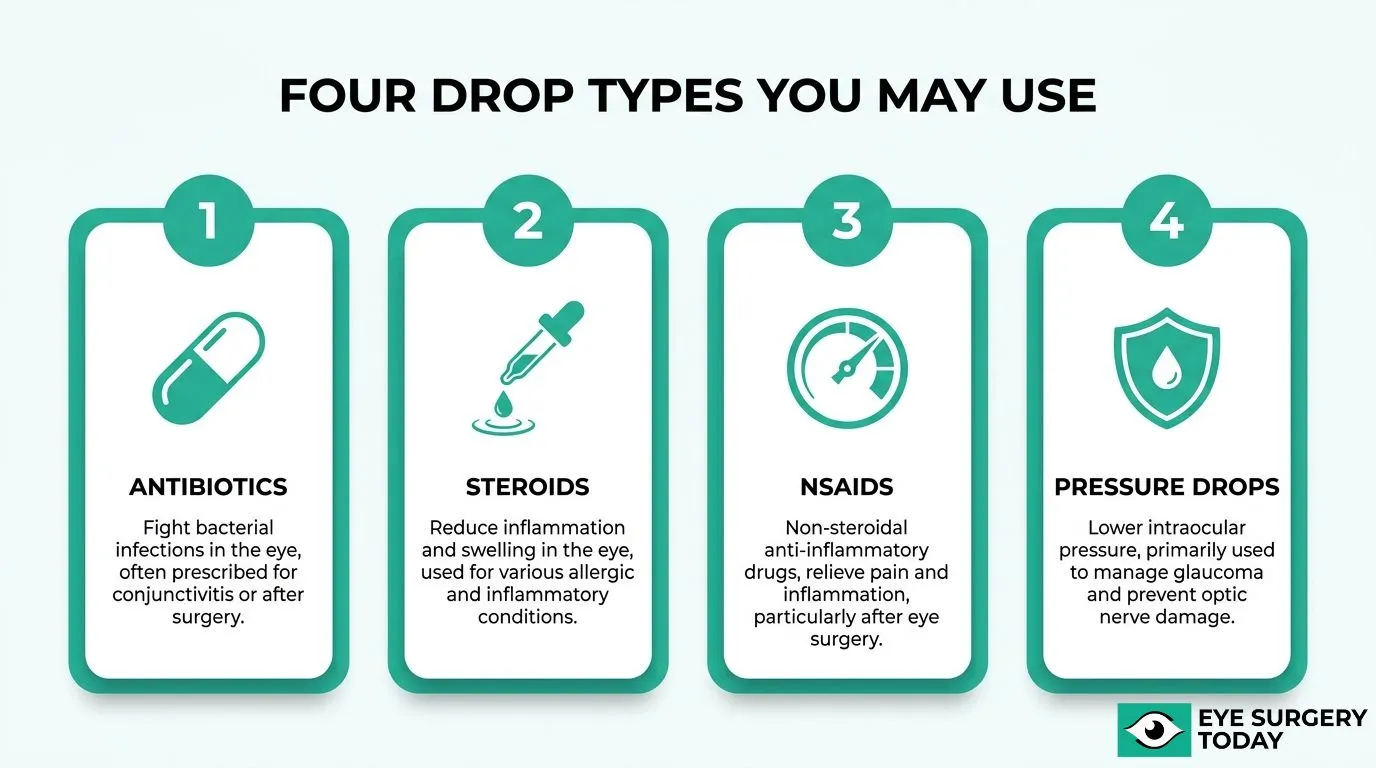
Postoperative drops typically fall into four categories: antibiotics, corticosteroids, NSAIDs, and pressure-lowering agents. Each targets a specific surgical risk, from bacterial endophthalmitis to cystoid macular edema, and may be prescribed simultaneously.
Scheduling follows a structured timeline where antibiotics are used for approximately one week while anti-inflammatory drops continue for three to six weeks, often on a tapering schedule that reduces frequency each week. Proper timing between drops matters because applying them too close together can wash out the previous medication.
Administration technique is a significant challenge for many patients. Research suggests that a large portion of patients miss the eye entirely when self-administering drops, which is why correct hand positioning, bottle preparation, and dropper placement all contribute to effective delivery.
Side effects range from mild stinging and temporary blurred vision to more serious concerns like elevated eye pressure from prolonged steroid use. Recognizing which symptoms are expected and which require prompt surgical follow-up can help protect visual outcomes during the critical healing window.
Why Are Eye Drops Necessary After Cataract Surgery?
Eye drops after cataract surgery are necessary because they protect the healing eye from three key threats: infection, inflammation, and intraocular pressure spikes. The following sections explain how each drop type addresses one of these risks.
How Do Eye Drops Help Prevent Infection After Surgery?
Eye drops help prevent infection after surgery by delivering antibiotic agents directly to the ocular surface, reducing the risk of postoperative endophthalmitis. Ophthalmic antibiotics are primarily used to treat or prevent ocular infections such as blepharitis and post-operative endophthalmitis. According to a JAMA Ophthalmology study, the overall incidence rate of endophthalmitis reached 1.5 per 1,000 surgical procedures (0.15%) within 90 days of surgery in Quebec, Canada, underscoring why consistent antibiotic use matters. Missing doses during the prescribed window, typically around one week, removes this protective barrier during the period when surgical wounds are most vulnerable.
How Do Eye Drops Control Inflammation During Recovery?
Eye drops control inflammation during recovery by using corticosteroids and NSAIDs to suppress the immune response triggered by surgical trauma. Prednisolone acetate 1% is a corticosteroid commonly used after cataract surgery to manage postoperative inflammation. A network meta-analysis published in PubMed found that nepafenac is the most effective NSAID for preventing pseudophakic macular edema following cataract surgery. Steroid drops typically require a tapering schedule, making them the most complex part of the postoperative regimen for most patients.
How Do Eye Drops Reduce the Risk of Pressure Spikes?
Eye drops reduce the risk of pressure spikes by helping stabilize intraocular pressure in the critical hours and days following surgery. Intracameral antibiotic prophylaxis significantly reduces the risk of postoperative endophthalmitis, with moxifloxacin and vancomycin serving as common agents. Pressure-lowering drops may be prescribed alongside antibiotics and anti-inflammatories to protect the optic nerve while the eye adjusts to surgical changes.
What Types of Eye Drops Are Prescribed After Cataract Surgery?
The types of eye drops prescribed after cataract surgery fall into four main categories: antibiotics, corticosteroid anti-inflammatories, NSAIDs, and pressure-lowering drops. The sections below explain what each drug class does and why your surgeon may include it in your regimen.
Antibiotic Eye Drops
Antibiotic eye drops are prescribed after cataract surgery to prevent bacterial infection at the surgical site. Ophthalmic antibiotics are primarily used to treat or prevent ocular infections such as post-operative endophthalmitis, a rare but serious complication. Commonly prescribed agents include fluoroquinolones such as moxifloxacin and ciprofloxacin, which target a broad spectrum of bacteria. According to the American Academy of Ophthalmology, antibiotic drops are typically used for about one week following surgery. Starting this course promptly and completing it fully is important, as stopping early may leave the eye vulnerable during the critical early healing window.
Anti-Inflammatory Steroid Eye Drops
Anti-inflammatory steroid eye drops are prescribed after cataract surgery to suppress the immune response and reduce post-surgical swelling. Prednisolone acetate 1% is a corticosteroid commonly used to control inflammation after cataract surgery, requiring patients to shake the bottle well before each use to ensure the suspension is uniform. Difluprednate is another frequently used option; evidence from Ophthalmology Advisor shows that difluprednate administered twice daily is at least as effective as prednisolone acetate administered four times daily. Steroid drops typically follow a tapering schedule over several weeks, which makes consistent adherence especially important.
Non-Steroidal Anti-Inflammatory (NSAID) Eye Drops
NSAID eye drops are prescribed after cataract surgery to manage pain, reduce swelling, and lower the risk of cystoid macular edema. According to Mayo Clinic, nepafenac eye drops are classified as a topical NSAID used specifically to treat pain and swelling following cataract surgery. NSAIDs work by inhibiting prostaglandin synthesis, targeting a different inflammatory pathway than steroids, which is why both drug classes are often used together. A network meta-analysis published on PubMed suggests nepafenac may be among the most effective NSAIDs for preventing pseudophakic macular edema after surgery.
Pressure-Lowering Eye Drops
Pressure-lowering eye drops are prescribed after cataract surgery when intraocular pressure rises above safe levels in the early postoperative period. IOP elevation is a recognized post-surgical risk, particularly in patients with pre-existing glaucoma. Commonly prescribed agents include carbonic anhydrase inhibitors such as brinzolamide and dorzolamide, which research indicates can lower IOP by 15 to 20% with fewer systemic side effects than oral alternatives, according to EyeWiki from the American Academy of Ophthalmology. Not every patient will need these drops, but your surgeon may prescribe them as a short-term measure if your pressure readings warrant it.
What Is the Typical Eye Drop Schedule After Cataract Surgery?
The typical eye drop schedule after cataract surgery follows a structured timeline: antibiotics for roughly one week, anti-inflammatory drops for three to six weeks, and a gradual taper of steroids over that period. The sections below cover what to use in week one, how the schedule shifts in weeks two and three, when tapering begins, and how long drops continue overall.
What Eye Drops Do You Use During the First Week?
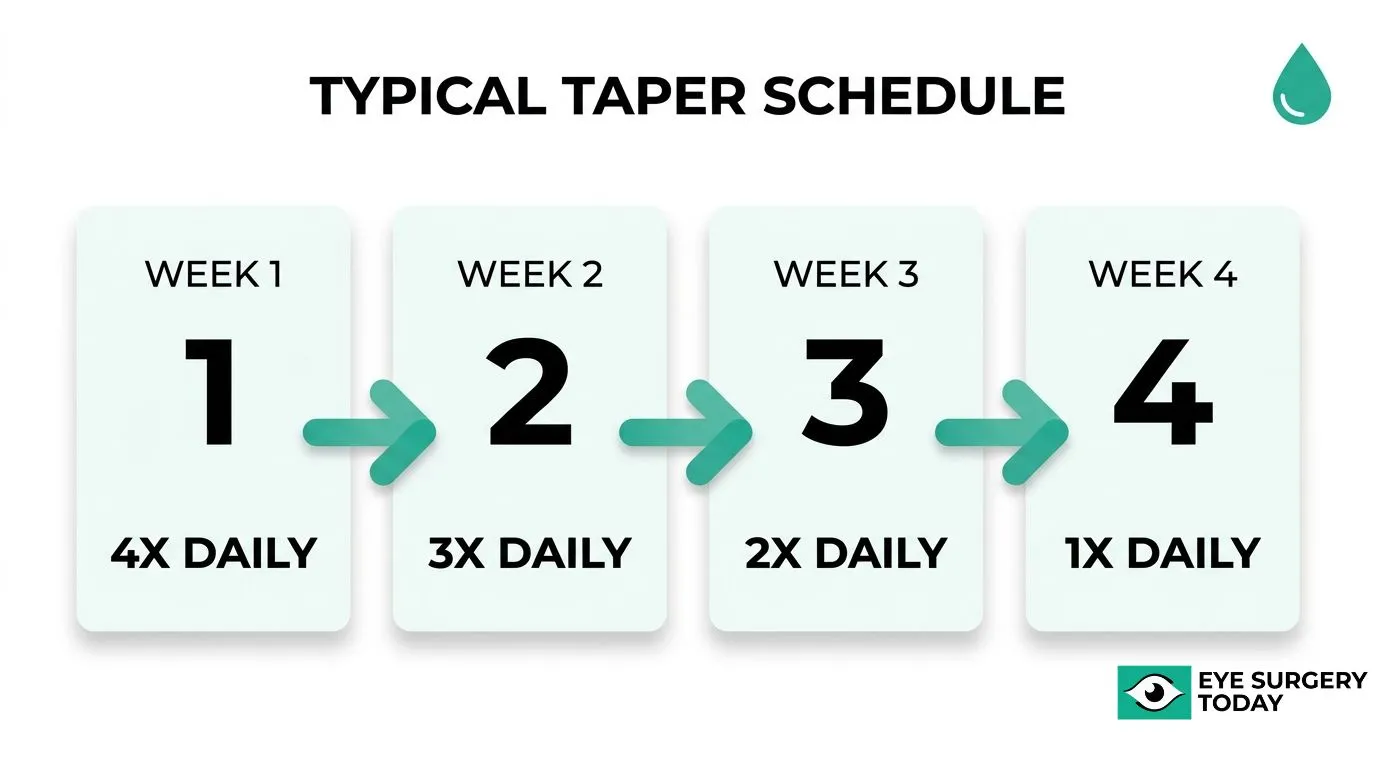
The eye drops used during the first week typically include antibiotic and anti-inflammatory drops, started on the day of surgery or the morning after. According to the American Academy of Ophthalmology, antibiotic drops are used for approximately one week post-surgery to reduce infection risk. Anti-inflammatory drops, including both a topical steroid and often an NSAID, begin simultaneously to control swelling. Steroid drops during this phase commonly require the highest dosing frequency of the entire recovery period, often four times daily.
How Does the Schedule Change During Weeks Two and Three?
The schedule during weeks two and three typically involves reducing antibiotic drops, which are usually discontinued after day seven, while anti-inflammatory drops continue. Steroid and NSAID drops remain active, though dosing frequency may begin to decrease depending on how well inflammation is resolving. According to Ophthalmology Management, the “classic weekly 4-3-2-1 taper schedule of a steroid and NSAID drop is still often prescribed” in clinical practice, meaning drops taken four times daily in week one reduce to three times daily in week two.
When Do You Begin Tapering Off Eye Drops?
Tapering off eye drops typically begins after the first week, following the structured 4-3-2-1 schedule for steroid and NSAID drops. As noted by the American Academy of Ophthalmology, topical steroid drops are often the most burdensome component of postoperative care because they require this extended tapering schedule. The taper continues weekly, reducing the daily dose by one application each week until drops are discontinued entirely. Your surgeon will confirm the exact timing based on how your eye is healing.
How Long Do You Continue Eye Drops After Surgery?
The duration for continuing eye drops after surgery depends on the drop type. According to the American Academy of Ophthalmology, antibiotic drops are used for about one week, while anti-inflammatory drops continue for three to six weeks. Patients with underlying conditions such as uveitis or a history of inflammation may require longer courses. Stopping drops early without surgeon approval can increase the risk of rebound inflammation, making adherence to the full prescribed schedule essential.
How Do You Properly Administer Eye Drops After Surgery?
Properly administering eye drops after cataract surgery requires attention to hygiene, technique, timing, and dropper care. The following sections cover preparation, accurate placement, spacing between drops, and contamination prevention.
How Do You Prepare Your Hands and the Bottle Before Use?
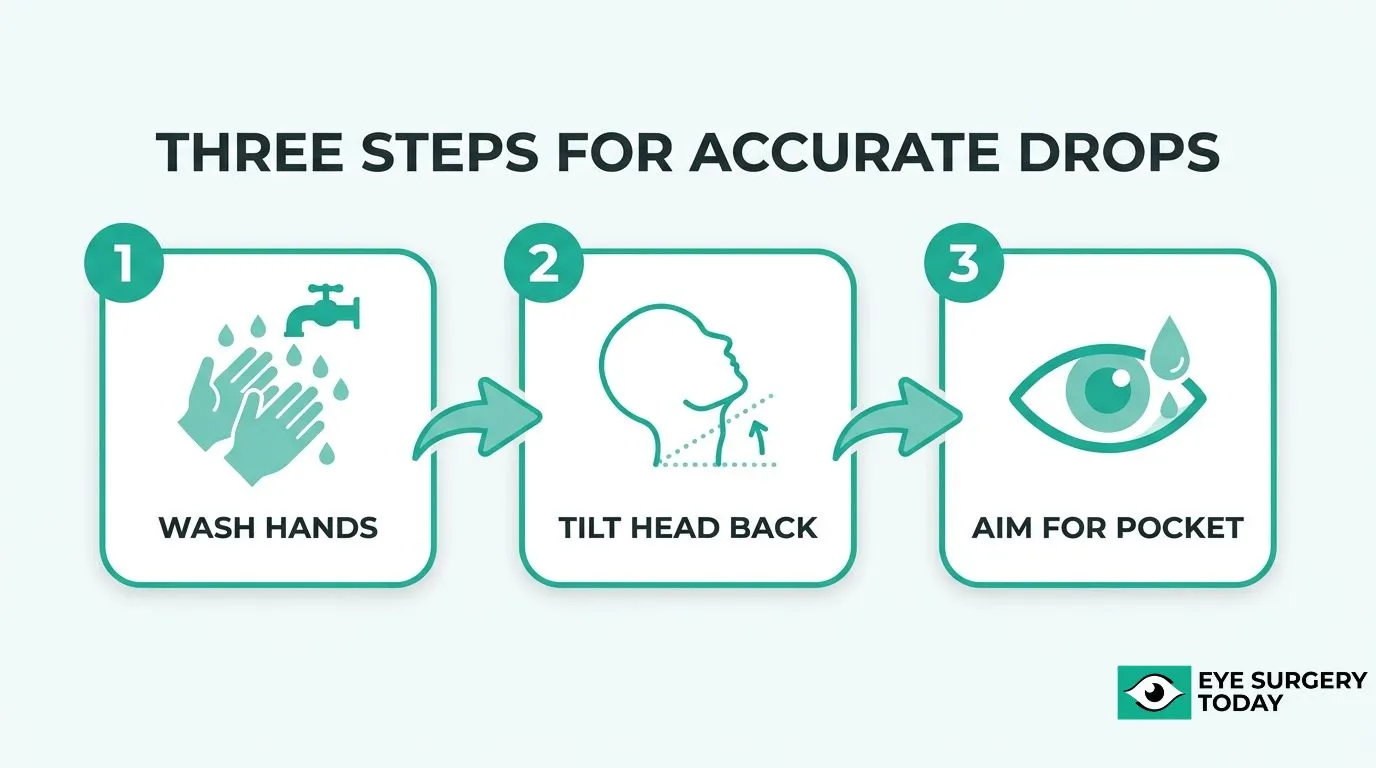
To prepare your hands and the bottle before use, wash your hands thoroughly with soap and water, then dry them with a clean towel. For suspensions such as prednisolone acetate 1%, shake the bottle well before each use to ensure the medication is evenly distributed. Remove any eye makeup and, if wearing contact lenses, take them out before applying drops. Skipping these steps is a common source of error that can compromise both hygiene and drug effectiveness.
What Technique Helps You Place the Drop Accurately?
The technique that helps you place the drop accurately involves tilting your head back, gently pulling down your lower eyelid to form a small pocket, and looking upward. Hold the dropper tip above the eye without letting it touch the surface, then squeeze one drop into the lower conjunctival pocket. According to a 2007 study published in the Journal of Current Ophthalmology, only 9% of patients self-administer drops correctly, with 34% missing the eye entirely and landing drops on the cheek or eyelid. After the drop lands, close your eye gently and press lightly on the inner corner to reduce drainage.
How Long Should You Wait Between Different Eye Drops?
You should wait at least five minutes between different eye drops when multiple medications are prescribed. This interval prevents the first drop from being washed out before it absorbs, ensuring each medication delivers its full therapeutic effect. When a gel or ointment is also part of the regimen, it should always be applied last. In practice, this spacing rule is one of the most consistently overlooked steps, yet it has a direct impact on how well each medication works.
How Can You Avoid Contaminating the Dropper Tip?
You can avoid contaminating the dropper tip by never allowing it to touch your eye, eyelid, eyelashes, or fingers during administration. Replace the cap securely after each use, and do not share bottles with other people. Contamination of the dropper tip introduces bacteria into the bottle, which can then be applied directly to the surgical eye at the next dose, creating an infection risk that proper hygiene easily prevents.
What Should You Do If You Miss a Dose or Make a Mistake?
Missing a dose or using the wrong drop happens more often than patients expect. The sections below cover what skipping a dose means for your recovery, whether doubling up is ever safe, and how to respond if you accidentally use the wrong medication.
What Happens If You Skip an Eye Drop Dose?
Skipping an eye drop dose means your eye temporarily loses the protective effect of that medication, whether antibiotic coverage, inflammation control, or pressure management. A single missed dose is unlikely to cause serious harm, but repeated skipped doses can allow inflammation to build or reduce the antimicrobial protection during the critical early healing window. The safest approach is to take the missed dose as soon as you remember, unless it is almost time for your next scheduled dose, in which case you should skip it and continue your normal schedule.
Should You Double Up If You Miss a Scheduled Drop?
No, you should not double up if you miss a scheduled drop. Instilling two doses at once does not increase protection and can cause unnecessary irritation, increased drug absorption, or elevated intraocular pressure, depending on the medication involved. According to the American Academy of Ophthalmology, antibiotic drops are typically prescribed for about one week and anti-inflammatory drops for three to six weeks, meaning the dosing intervals are carefully calibrated. Applying extra drops disrupts that calibration. Simply resume your next scheduled dose and contact your surgeon if you have missed multiple doses in a row.
What Should You Do If You Use the Wrong Drop?
If you use the wrong drop, the immediate steps are to rinse your eye gently with clean water or sterile saline, then contact your surgeon’s office to report what happened. Most accidental single applications of a wrong postoperative drop will not cause lasting damage, but the response depends on which drop was used. Using a pressure-lowering drop when an antibiotic was intended, for example, leaves your eye without infection protection for that dose interval. To reduce the risk of future mix-ups, store different bottles apart from each other, label them clearly, or use a written schedule that identifies each bottle by color or cap.
What Are the Possible Side Effects of Post-Cataract Eye Drops?
The possible side effects of post-cataract eye drops vary by drug class, ranging from mild local irritation to more significant ocular changes. The H3 sections below cover antibiotic, steroid, and NSAID drops, plus warning signs that require prompt surgical follow-up.
What Are Common Side Effects of Antibiotic Eye Drops?
The common side effects of antibiotic eye drops include redness, irritation, itching, and temporary blurred vision. According to MedlinePlus, moxifloxacin ophthalmic solution may cause red, irritated, or itchy eyes and blurred vision. These reactions are typically mild and resolve on their own as the course of treatment ends. Most patients tolerate fluoroquinolone antibiotics well, but persistent discomfort or worsening symptoms after a few days of use should not be dismissed without evaluation.
What Are Common Side Effects of Steroid Eye Drops?
The common side effects of steroid eye drops include elevated intraocular pressure (IOP), delayed wound healing, and in some cases, increased susceptibility to secondary infection. Prolonged corticosteroid use may also contribute to posterior subcapsular cataract formation in the natural lens of the fellow eye. Prednisolone acetate 1%, a frequently prescribed post-cataract steroid, requires careful adherence to the prescribed tapering schedule to minimize these risks.
What Are Common Side Effects of NSAID Eye Drops?
The common side effects of NSAID eye drops include stinging or burning upon instillation, ocular surface irritation, and, less commonly, corneal thinning or melting with prolonged use. Nepafenac, classified by the Mayo Clinic as a topical NSAID used to treat pain and swelling following cataract surgery, is generally well tolerated but can cause superficial punctate keratitis in sensitive patients. Patients with pre-existing dry eye conditions may experience heightened discomfort with NSAIDs.
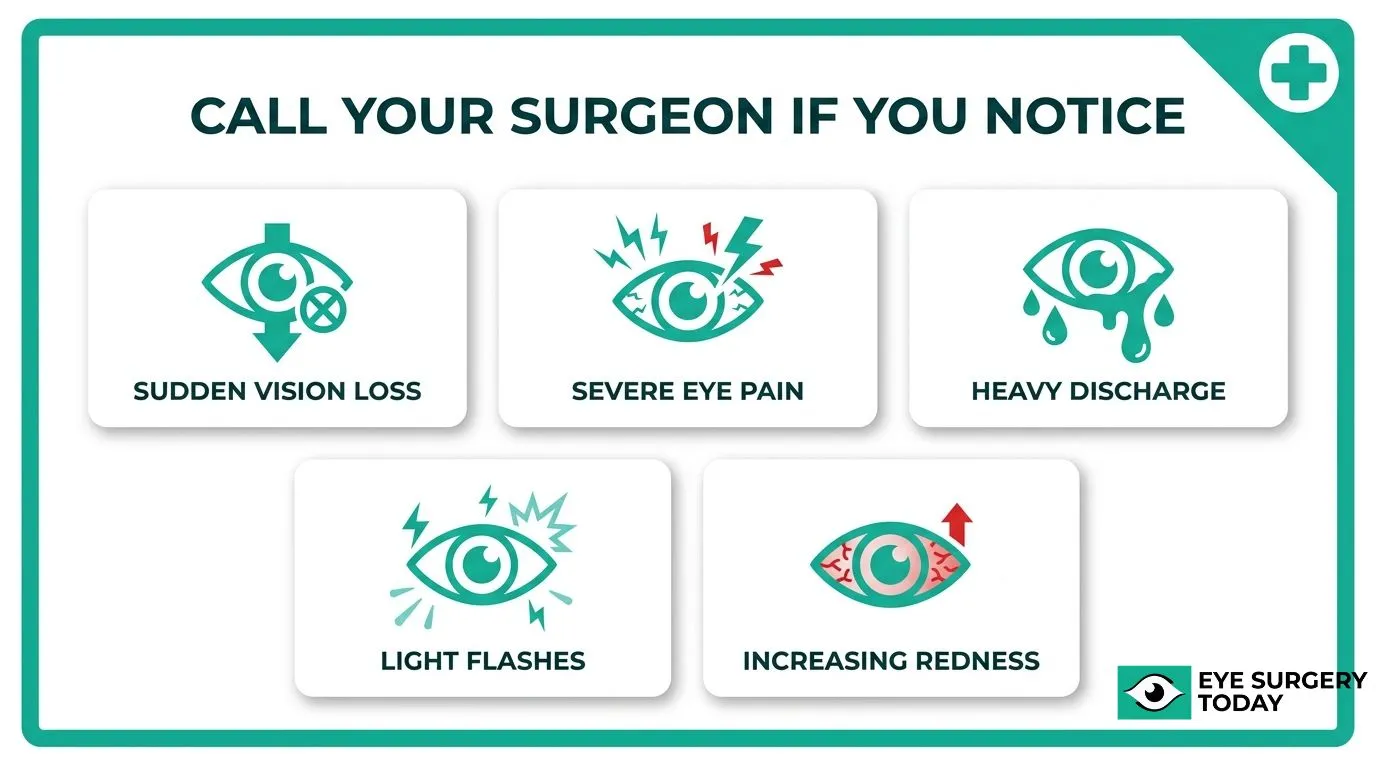
When Should You Contact Your Surgeon About Side Effects?
You should contact your surgeon about side effects when symptoms are severe, worsening, or outside the range of expected mild irritation. Key warning signs that require prompt contact include:
- Sudden or significant vision loss
- Increasing eye pain not relieved by prescribed drops
- Pronounced redness, swelling, or discharge suggesting infection
- Persistent blurred vision beyond the early recovery period
- Visible floaters, flashes of light, or a curtain across your visual field
Distinguishing tolerable mild irritation from a potentially serious complication is one of the most practically important skills patients can develop during recovery. When in doubt, contacting your surgical team is always the safer choice.
What Complications Can Occur If Eye Drops Are Not Used Correctly?
Complications from incorrect eye drop use include serious outcomes such as infection, chronic inflammation, and vision-threatening macular swelling. The following sections cover three key risks: endophthalmitis from skipped antibiotics, rebound inflammation from improper steroid use, and cystoid macular edema from inadequate anti-inflammatory coverage.
How Can Skipping Antibiotics Lead to Endophthalmitis?
Skipping antibiotic eye drops after cataract surgery can lead to endophthalmitis by allowing bacteria to colonize the surgical site without adequate antimicrobial coverage. Endophthalmitis is a severe intraocular infection that can cause rapid, irreversible vision loss if not treated promptly. Ophthalmic antibiotics are primarily used to prevent post-operative endophthalmitis, making consistent use during the prescribed window critical. Missing doses disrupts the sustained antimicrobial environment the eye requires during early healing, when the surgical wound remains most vulnerable to bacterial infiltration.
How Can Improper Steroid Use Cause Rebound Inflammation?
Improper steroid use can cause rebound inflammation by stopping drops too early or tapering too quickly, which allows suppressed inflammatory mediators to resurge. Postoperative corticosteroids work by continuously dampening the eye’s immune response during recovery. When that suppression is withdrawn abruptly, residual inflammation can return with greater intensity, potentially damaging ocular structures and delaying healing. Topical steroid drops are among the most burdensome post-cataract medications because they require a structured tapering schedule over several weeks. Patients who self-discontinue or miss multiple doses disrupt this taper and significantly raise their rebound risk.
Can Incorrect Drop Use Lead to Cystoid Macular Edema?
Yes, incorrect drop use can lead to cystoid macular edema (CME). Pseudophakic cystoid macular edema (PCME), also known as Irvine-Gass syndrome, is a common cause of reduced visual acuity after cataract surgery. It occurs when fluid accumulates in the macular layers due to uncontrolled postoperative inflammation. According to a 2020 study published in PubMed, treatment with generic ketorolac 0.45% and prednisolone 1% showed the highest CME development rate at 2.20% of cases, suggesting that suboptimal anti-inflammatory regimens elevate this risk. Consistent, properly timed use of both NSAID and steroid drops is considered one of the most effective ways to keep this complication rate as low as possible.
Who May Need a Modified Eye Drop Regimen After Surgery?
Some patients require a modified eye drop regimen based on surgical complexity, existing eye conditions, or physical limitations. The following H3s cover bilateral surgery, glaucoma and medication interactions, and alternatives for patients who struggle with standard drop administration.
What Changes If You Had Surgery on Both Eyes?
Changes to your eye drop regimen when surgery is performed on both eyes typically involve staggered schedules to track each eye’s healing independently. Each eye needs its own dedicated drop routine, since healing timelines and pressure responses can differ. According to a PubMed study, an IOP spike occurred in 3.7% of all eyes post-surgery, with a higher incidence of 5.2% in eyes with glaucoma compared to 3.2% in eyes without. This asymmetry means treating each eye as a separate case is genuinely the safer clinical approach, not just a procedural formality.
What If You Have Glaucoma or Use Other Eye Medications?
Patients with glaucoma or concurrent eye medications may need additional pressure-lowering drops added to their post-cataract regimen. Topical glaucoma agents such as dorzolamide and brinzolamide can lower IOP by 15–20% with fewer systemic side effects than oral alternatives, according to EyeWiki. Timing matters too: glaucoma medications should be spaced carefully around new post-surgical drops to avoid interactions, washout, or dilution effects. Your surgeon may temporarily adjust or pause existing glaucoma drops depending on your IOP readings in the first 48 hours.
What Alternatives Exist for Patients Who Struggle With Drops?
Alternatives for patients who struggle with drops include sustained-release drug delivery implants, intracameral injections administered during surgery, and drop-assist devices designed to improve accuracy. Standard self-administration is more difficult than most patients expect. According to the Journal of Current Ophthalmology, only 9% of glaucoma patients can properly self-administer eye drops, with 34% depositing drops onto the cheek or eyelid instead. Overall nonadherence rates across studies reach approximately 30%, per Ophthalmology Times. For patients with dexterity issues, arthritis, or visual impairment in the non-operated eye, discussing these alternatives with a surgeon before the procedure is a practical and underutilized step.
What Tips Help You Stay Organized With Multiple Eye Drops?
Staying organized with multiple post-cataract eye drops reduces missed doses and helps protect your recovery. The tips below cover written scheduling, assistive devices, and proper storage.
How Can a Written Schedule Help You Track Doses?
A written schedule helps you track doses by creating a visible, time-stamped reference for each drop, reducing the risk of skipping or doubling up. With several drops prescribed at different frequencies, such as antibiotics once or twice daily and steroids three or four times daily, it is easy to lose track without a structured record.
A simple approach is to create a paper chart or use a phone calendar with labeled reminders for each drop by name, time, and eye. After administering each dose, check it off immediately. This habit is especially valuable given that overall nonadherence rates for eye drops run around 30%, according to Ophthalmology Times.
Are There Devices That Make Administering Drops Easier?
There are several devices that make administering drops easier, including bottle squeeze aids, drop guides, and auto-dispensers. These tools are particularly helpful for patients with arthritis, limited hand strength, or coordination difficulties.
Common options include:
- Drop guides (eye drop aids): Attach to the bottle and rest on the eye socket to aim the tip directly over the eye.
- Squeeze bottle dispensers: Require less finger pressure, making it easier to release a single drop.
- Auto-dispensing devices: Hold the bottle in a fixed position and release drops at a controlled angle, improving accuracy.
Using a device that stabilizes the bottle can meaningfully improve drop placement, which matters because research shows only 9% of patients are able to properly self-administer eye drops without missing the eye entirely.
How Should You Store Your Eye Drops at Home?
You should store your eye drops at home according to each product’s label instructions, as storage requirements vary by formulation. Most drops are kept at room temperature, away from direct sunlight and humidity, while some require refrigeration.
Key storage practices include:
- Check the label: Confirm whether refrigeration is required, as some drops degrade at room temperature.
- Keep bottles sealed: Replace caps immediately after each use to prevent contamination.
- Avoid the bathroom cabinet: Heat and humidity from showers can degrade certain formulations.
- Store separately from other medications: This prevents picking up the wrong bottle, which is especially important when managing three or more prescribed drops.
Organizing drops in a labeled tray or small basket on a cool, dry countertop keeps them visible and accessible without compromising stability.
How Can Surgeon-Reviewed Guidance Help You Navigate Recovery?
Surgeon-reviewed guidance can help you navigate recovery by translating complex clinical protocols into clear, actionable steps tailored to your regimen. The sections below cover how Eye Surgery Today supports your understanding and the core takeaways for using eye drops correctly.
Can Eye Surgery Today Help You Understand Your Drop Regimen?
Yes, Eye Surgery Today can help you understand your drop regimen by providing surgeon-reviewed educational content that clarifies why each medication matters, how to apply it correctly, and what to expect at each stage of recovery. Many patients struggle with multi-drop schedules, and confusion about timing, technique, or tapering can compromise outcomes. According to ophthalmologist Dr. Nandini Venkateswaran of the American Academy of Ophthalmology, “Diligent patient compliance with postoperative medications is of paramount importance to ensure optimal outcomes following cataract surgery.” Eye Surgery Today bridges that gap, turning clinical guidance into language any patient can act on.
What Are the Key Takeaways About Using Eye Drops Right?
The key takeaways about using eye drops right are consistency, correct technique, and open communication with your surgical team. Every detail covered in this article points toward the same conclusion: the drops are only effective when used as directed. The most actionable lessons include:
- Follow your prescribed schedule exactly, including antibiotic, steroid, and NSAID drops as directed.
- Use proper instillation technique: wash hands, tilt your head back, pull down the lower lid, and avoid touching the dropper tip to your eye.
- Wait at least five minutes between different drops to prevent washout and ensure absorption.
- Never skip doses or self-adjust your taper without consulting your surgeon.
- Report unusual symptoms such as worsening pain, sudden vision changes, or significant redness promptly.
Recovery from cataract surgery is largely shaped by how well you protect and support the healing eye during those first critical weeks.