Cataract surgery is a procedure that removes the eye’s clouded natural lens and replaces it with an artificial intraocular lens to restore vision. It is one of the most frequently performed operations in modern medicine, with approximately 3.8 million procedures completed annually in the United States alone.
This guide covers pain and anesthesia realities, persistent myths about timing and eligibility, complication rates and safety data, the experience of being awake during surgery, and how to prepare mentally for the procedure.
Modern topical and intracameral anesthesia techniques may reduce both intraoperative and postoperative discomfort to minimal levels, with most patients reporting only mild pressure or light sensitivity rather than sharp pain.
Widely held myths, including the belief that cataracts must be “ripe” before removal, that only elderly patients qualify, or that recovery takes months, are consistently contradicted by current surgical practice. Cataracts can develop at any age, and most healing occurs within two to four weeks.
Serious complications remain uncommon. Published data place the endophthalmitis rate below 0.1%, and retinal detachment affects fewer than 2% of even high-risk patients. Posterior capsule opacification, sometimes mistaken for cataract regrowth, is treatable with a brief laser procedure.
Patients remain awake during surgery because topical anesthesia eliminates pain without the systemic risks of general anesthesia, and sedation options ranging from oral medication to non-pharmacological techniques like hand massage can further reduce anxiety.
We break down each of these concerns with clinical evidence so you can approach your decision with clarity rather than fear.
Is Cataract Surgery Painful?
Cataract surgery is associated with minimal pain thanks to modern anesthesia techniques. The sections below cover what to expect before, during, and after the procedure.
Does the Numbing Process Hurt Before Cataract Surgery?
The numbing process before cataract surgery does not hurt for most patients. Surgeons apply topical anesthetic drops or gels, such as lidocaine, proparacaine, or tetracaine, directly to the cornea and conjunctiva, according to StatPearls (NCBI Bookshelf). These take effect within seconds and eliminate sensation at the surface of the eye before any instruments are introduced. Some patients notice a brief, mild stinging sensation as the drops are applied, but this fades almost immediately. For most people, the pre-surgical numbing step is the least uncomfortable part of the entire experience.
Can You Feel Anything During the Procedure?
Yes, you can feel some sensation during cataract surgery, but it is not pain. With anesthesia in place, patients typically sense light pressure, mild vibration from the phacoemulsification handpiece, or awareness of the surgical light overhead. Sharp pain during the procedure is uncommon. According to the Association of Anaesthetists, cataract surgery is usually of short duration and is associated with minimal pain when employing topical or regional anesthesia. If any discomfort arises mid-procedure, the surgeon can administer additional anesthetic drops immediately.
What Does Discomfort Feel Like After Cataract Surgery?
Discomfort after cataract surgery is typically mild and temporary, often described as grittiness, a foreign-body sensation, or mild scratchiness in the eye. Some patients notice light sensitivity or watering for the first 24 to 48 hours. These sensations resolve as the eye heals and are not a sign of complications. Patient searches for “after cataract” consistently rank among the most frequent cataract-related queries online, reflecting how common post-operative questions are, which underscores the value of setting clear expectations before surgery.
What Are the Most Common Myths About Cataract Surgery?
The most common myths about cataract surgery include beliefs that cataracts must be “ripe” before removal, that surgery is only for elderly patients, and that recovery takes months. According to Nature’s Eye Journal, approximately 3.8 million cataract surgeries are performed annually in the United States, making it one of the safest and most cost-effective procedures in medicine. The sections below address each myth directly.
Is It True That Cataracts Must Be “Ripe” Before Removal?
No, cataracts do not need to be “ripe” before removal. This myth originated centuries ago, when surgical tools and techniques were far too primitive to operate safely on an early-stage lens opacity. Modern phacoemulsification allows surgeons to remove a cataract at any stage of development, and waiting for a cataract to become “mature” or hypermature can actually complicate the procedure, increasing surgical difficulty and the risk of postoperative complications. Your ophthalmologist may recommend surgery as soon as the cataract begins affecting daily activities such as driving, reading, or recognizing faces.
Is Cataract Surgery Only for Elderly Patients?
Cataract surgery is not only for elderly patients. Cataracts can develop at any age, including in infants and children. According to a study published in PubMed Central, the median age at surgery for congenital or developmental cataracts was just 51 months, with only 14.7% of children undergoing the procedure within their first year of life. Younger adults with traumatic cataracts, metabolic conditions, or medication-induced lens changes may also require surgery well before the typical retirement age.
Can Cataracts Grow Back After Surgery?
No, cataracts cannot grow back after surgery. During the procedure, the eye’s natural clouded lens is permanently removed and replaced with an artificial intraocular lens (IOL). The IOL does not contain living cells and therefore cannot develop a new cataract. Some patients do experience posterior capsule opacification (PCO), a separate condition where the thin membrane holding the IOL becomes cloudy, but this is not a regrowth of the original cataract and is treatable with a quick, painless laser procedure.
Does Cataract Surgery Require a Long Recovery Period?
Cataract surgery does not require a long recovery period. Most patients notice improved vision within 24 to 48 hours, and most healing occurs within 2 to 4 weeks, though full recovery can take up to 6 to 8 weeks, according to Liv Hospital. The surgery itself typically takes under 20 minutes, and patients are usually discharged the same day. Activity restrictions, such as avoiding swimming or rubbing the eye, are generally short-term precautions rather than signs of a lengthy rehabilitation.
Is Laser Eye Surgery the Same as Cataract Surgery?
Laser eye surgery and cataract surgery are not the same procedure. Procedures such as LASIK reshape the cornea to correct refractive errors like myopia or astigmatism, and they do not involve removing or replacing the eye’s natural lens. Cataract surgery, by contrast, removes the clouded crystalline lens entirely and implants an artificial IOL. The distinction traces back to 1967, when Charles Kelman introduced phacoemulsification as a lens-removal technique, and to Sir Harold Ridley’s first successful IOL implantation in 1949, neither of which bears any technical resemblance to corneal laser procedures.
Will You Need Thick Glasses After Cataract Surgery?
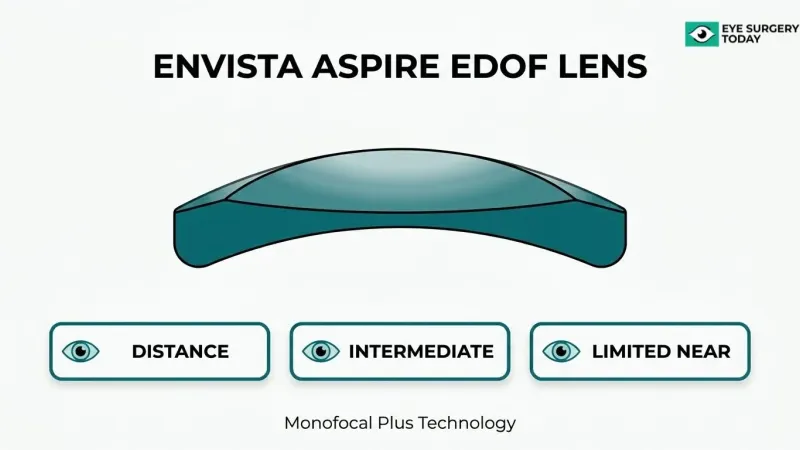
Most patients will not need thick glasses after cataract surgery. The implanted IOL is selected to match the optical power of the eye, and many patients experience significantly reduced dependence on glasses for distance vision. Premium IOL options, including multifocal and extended depth-of-focus lenses, may further reduce the need for reading glasses or bifocals. Some patients may still require thin corrective lenses for fine-tuning, particularly for near tasks, but the era of thick, heavy “cataract glasses” belongs firmly to the past.
Is It Normal to Fear Going Blind From Cataract Surgery?
Fearing blindness from cataract surgery is a normal emotional response, but it is not supported by the clinical evidence. Much of this fear originates online, where misinformation spreads easily. The following sections address how rare vision loss actually is and what safety measures protect patients during the procedure.
How Rare Is Vision Loss From Cataract Surgery?
Vision loss from cataract surgery is exceptionally rare. Cataract surgery is one of the most performed and well-refined procedures in modern medicine, with centuries of refinement behind it. According to EyeWiki, published by the American Academy of Ophthalmology, even the word “cataract” carries a long history of misunderstanding: prior to the 1700s, some people believed cataracts were caused by opaque liquid flowing through the lens, which is why the term derives from the Latin word “cataracta,” meaning waterfall. That legacy of myth has persisted in public perception far longer than it has in clinical reality. Today, the surgical techniques, screening protocols, and intraocular lens technology used in cataract surgery have made serious vision loss an uncommon outcome for the vast majority of patients.
What Safety Measures Prevent Serious Complications?
The safety measures that prevent serious complications include preoperative screening, sterile surgical technique, antibiotic prophylaxis, and postoperative monitoring. Surgeons assess each patient for risk factors before operating, including corneal health, intraocular pressure, and the presence of retinal conditions. Antibiotic eye drops are routinely administered before and after surgery to reduce infection risk. Surgical teams use sterile environments and microsurgical instruments that minimize trauma to surrounding tissue. Postoperative visits allow early detection of complications such as elevated eye pressure or early signs of inflammation, enabling prompt treatment before problems escalate.
What Are the Real Risks and Possible Complications?
The real risks and possible complications of cataract surgery include posterior capsule opacification, infection, retinal detachment, and elevated intraocular pressure. The following sections examine each complication’s prevalence, causes, and clinical significance.
What Is Posterior Capsule Opacification After Surgery?
Posterior capsule opacification (PCO) is a clouding of the thin membrane that holds the intraocular lens in place, causing blurred vision weeks to months after surgery. According to a 2016 meta-analysis of 14,567 eyes published in the Journal of Cataract and Refractive Surgery, PCO rates were higher after conventional cataract surgery than after femtosecond laser-assisted cataract surgery (FLACS). In high myopic patients specifically, the pooled incidence of PCO reaches approximately 12.11%. PCO is treatable with a quick, non-invasive laser procedure called YAG capsulotomy, making it far less serious than many patients fear.
How Common Is Infection After Cataract Surgery?
Infection after cataract surgery is rare. According to data from the American Academy of Ophthalmology, the overall rate of endophthalmitis, the most serious post-surgical eye infection, was 0.09% within 42 days of intraocular surgery. Surgical teams routinely use antiseptic preparation, sterile draping, and prophylactic antibiotic drops to minimize this risk further. While no surgical procedure carries zero infection risk, a rate below one in a thousand places cataract surgery among the safest intraocular interventions available.
Can Retinal Detachment Occur After Cataract Surgery?
Yes, retinal detachment can occur after cataract surgery, though it remains uncommon in the general population. In high myopic patients, who carry an elevated baseline risk, the pooled incidence of retinal detachment following cataract surgery is approximately 1.97%, according to research published in Clinical Ophthalmology (Dove Medical Press). Patients with high myopia, a history of retinal tears, or prior eye trauma warrant closer postoperative monitoring. Sudden flashes of light, a shower of floaters, or a shadow across vision after surgery should be treated as a medical emergency requiring immediate evaluation.
What Is the Risk of Increased Eye Pressure Post-Surgery?
The risk of increased eye pressure after cataract surgery is a meaningful concern, particularly for patients predisposed to glaucoma. In high myopic patients, transient intraocular pressure (IOP) elevation occurs at a pooled incidence of 13.03%, according to Clinical Ophthalmology research. Separate findings reported in the Review of Ophthalmology indicate that high postoperative IOP is associated with a nearly double risk of glaucoma development in patients with no prior history of the disease. Pressure spikes are typically transient and managed with medicated drops, but they highlight why post-surgical follow-up appointments are essential rather than optional.
Should You Fear Being Awake During Cataract Surgery?
Being awake during cataract surgery is standard practice, not cause for concern. The following sections explain why patients remain conscious, what sedation options are available, and how involuntary eye movement is managed.
Why Are Patients Kept Awake During the Procedure?
Patients are kept awake during cataract surgery because general anesthesia carries unnecessary risks for a procedure that typically completes in under 20 minutes. Local or topical anesthesia numbs the eye fully, eliminating pain while allowing the patient to follow simple instructions and breathe without assistance. According to the American Academy of Ophthalmology, oral sedation allows patients to take a sedative pill before the procedure, reducing anxiety and promoting relaxation without requiring the preoperative fasting that IV sedation demands. Staying conscious also lets the surgical team monitor patient responses throughout the operation, which improves overall safety.
What Sedation Options Help You Stay Calm?
The sedation options available for cataract surgery include topical anesthesia alone, oral sedation, and intravenous sedation, depending on patient needs. Most patients receive numbing eye drops, which are sufficient for comfort. Those with higher anxiety may benefit from an oral sedative taken before arriving at the clinic. Non-pharmacological options can also complement medication effectively. Hand massage therapy is recognized as one of the most popular non-pharmacological methods for reducing nervous tension and promoting relaxation during cataract surgery under local anesthesia. For patients with significant medical complexity, IV sedation is an option, though it requires additional fasting preparation.
Can You Accidentally Move Your Eye During Surgery?
Yes, accidental eye movement during cataract surgery is a common patient concern, but the surgical design accounts for it. Surgeons use a microscope and operate through a very small incision, so minor involuntary movements do not automatically cause harm. Topical anesthesia reduces the reflex to move the eye, and patients are guided to focus on a light above them, which naturally stabilizes gaze. If a patient does shift, experienced surgeons pause and reposition without consequences. The fear of “ruining” the surgery by blinking or moving is one of the most persistent myths, but clinical practice consistently shows it is manageable.
Are You Too Old or Too Young for Cataract Surgery?
Age rarely disqualifies a patient from cataract surgery. Eligibility depends primarily on lens opacity severity, overall eye health, and systemic medical conditions rather than a specific age cutoff. The following sections address upper age limits, younger adult candidacy, and how comorbidities affect surgical suitability.
Is There an Upper Age Limit for Cataract Surgery?
There is no upper age limit for cataract surgery. Surgeons evaluate each older patient individually, weighing the vision impairment against their general health and anesthetic tolerance.
Complication rates do rise modestly with advanced age. According to a study published in the British Journal of Ophthalmology, the complication rate in patients aged 88 and older was 4.3%, compared to 3.0% in younger patients, a statistically significant but clinically manageable difference. For most elderly patients, the functional benefit of restored vision outweighs this modest increase in risk. In practice, age alone should never be the reason a patient is turned away from surgery.
Can Younger Adults Safely Undergo Cataract Surgery?
Yes, younger adults can safely undergo cataract surgery when a visually significant cataract is present. Cataracts are not exclusively an age-related condition. Trauma, certain medications such as long-term corticosteroids, metabolic disorders, and congenital factors can all cause lens clouding in adults under 60.
Congenital cataracts can even require surgery in infancy. The median age at surgery for congenital or developmental cataract is 51 months, with only 14.7% of children undergoing surgery within the first year of life, according to research published in PubMed Central. Younger patients should discuss IOL selection carefully, as their longer life expectancy increases the relevance of lens longevity and posterior capsule opacification rates.
How Do Other Health Conditions Affect Eligibility?
Other health conditions affect eligibility by influencing surgical risk, anesthetic approach, and expected visual outcomes. Most systemic conditions do not prevent surgery outright, but they require careful preoperative planning. Key comorbidities that ophthalmologists evaluate include:
- Diabetes: Diabetic macular edema can limit visual improvement after surgery; posterior segment OCT is recommended preoperatively when macular pathology is suspected, per ESCRS guidelines.
- Glaucoma: Pre-existing or elevated intraocular pressure requires monitoring, as high postoperative IOP is associated with a nearly double risk of glaucoma development in susceptible patients.
- High myopia: Highly myopic eyes carry elevated pooled complication incidences, including transient IOP elevation at 13.03% and retinal detachment at 1.97%, according to a study in Clinical Ophthalmology.
- Cardiovascular or respiratory disease: These conditions guide anesthetic choice, often favoring topical over general anesthesia to reduce systemic risk.
Thorough preoperative assessment, rather than a single diagnostic criterion, determines true surgical eligibility for patients with complex health histories.
What If Cataract Surgery Does Not Improve Your Vision?
Cataract surgery restores vision in the vast majority of cases, but some patients may experience limited improvement due to pre-existing eye conditions or residual refractive error. The sections below cover what underlying conditions can reduce visual outcomes and what corrective options remain available.
What Conditions May Limit Visual Improvement?
The conditions that may limit visual improvement after cataract surgery include pre-existing retinal or optic nerve diseases that were present before the procedure. When the cataract obscures a thorough pre-operative assessment, conditions such as age-related macular degeneration, diabetic macular edema, and glaucomatous optic nerve damage may only become apparent after the cloudy lens is removed. According to the European Society of Cataract and Refractive Surgeons, posterior segment OCT should be used before cataract surgery when there is a clinical indication, including age-related macular degeneration, diabetic macular edema, or other macular pathologies. In these cases, surgery successfully removes the cataract, but the underlying retinal or nerve condition limits how much functional vision can be recovered. Pre-operative imaging and a thorough ocular health assessment remain the most reliable way to set realistic expectations.
Can a Second Procedure Correct Residual Issues?
Yes, a second procedure can often correct residual issues following cataract surgery, depending on their cause. If blurred vision persists due to posterior capsule opacification (PCO), a quick, non-invasive laser procedure called YAG laser capsulotomy can restore clarity. If residual refractive error, such as mild myopia or astigmatism, is the cause, options such as glasses, contact lenses, or laser refractive surgery may help. However, if limited vision stems from an underlying retinal or optic nerve condition, a second eye procedure alone is unlikely to produce significant improvement; management of the underlying condition takes priority.
How Does Modern Cataract Surgery Compare to Past Methods?
Modern cataract surgery has evolved dramatically from its earliest forms, with advances in technique and technology improving both safety and precision. The following sections cover how technological progress has reduced surgical risk and what role femtosecond laser plays in today’s procedures.
How Has Technology Made Cataract Surgery Safer?
Technology has made cataract surgery safer by enabling smaller incisions, more precise lens removal, and better-designed implants than earlier techniques allowed. The transformation began in 1967, when American ophthalmologist Charles Kelman introduced phacoemulsification, a method using ultrasound energy to break up and aspirate the cloudy lens through a tiny incision. Before that, surgeons removed the entire lens intact, requiring large wounds and prolonged recovery. A foundational step came even earlier: in 1949, Sir Harold Ridley performed the first successful intraocular lens (IOL) implantation, establishing the basis for the lens replacement that defines modern surgery. Together, phacoemulsification and IOL implantation transformed a high-risk procedure into one of the most routinely performed and cost-effective operations in medicine. In clinical terms, these advances are best understood as compounding gains, where each generation of instrumentation has narrowed the margin for human error and reduced tissue trauma.
What Role Does Femtosecond Laser Play in Modern Surgery?
The femtosecond laser plays a role in modern cataract surgery by automating several of the most technically demanding manual steps, including corneal incisions, capsulotomy creation, and lens fragmentation. Because the laser uses computer-guided imaging to place cuts with sub-micron accuracy, it reduces variability compared to freehand technique. According to a 2016 meta-analysis of 14,567 eyes published in the Journal of Cataract and Refractive Surgery, femtosecond laser-assisted cataract surgery (FLACS) produced lower rates of posterior capsule opacification (PCO) compared to conventional surgery. A more precise capsulotomy also improves IOL centration, which directly influences the quality of postoperative vision. While FLACS is not universally required for every patient, it represents a meaningful option for cases where surgical precision is especially critical, such as complex lens anatomy or premium IOL implantation.
How Can You Prepare to Overcome Cataract Surgery Anxiety?
You can prepare to overcome cataract surgery anxiety by asking your surgeon targeted questions beforehand and practicing evidence-based relaxation techniques on the day of your procedure. The H3s below cover both strategies.
What Questions Should You Ask Your Surgeon Beforehand?
The questions you should ask your surgeon beforehand include what anesthesia will be used, whether sedation is available, what sensations to expect during the procedure, and what the step-by-step process looks like. Understanding each stage of the surgery in advance removes the uncertainty that drives most pre-operative fear. Surgeons routinely address these concerns, so no question is too small to raise at your pre-operative consultation.
- What type of anesthesia will be used, and will I feel any discomfort?
- Can I receive oral sedation or another option to reduce anxiety?
- How long will the procedure take from start to finish?
- What should I do if I feel the urge to move or blink during surgery?
- What are the most common sensations patients report during the operation?
Preparing a written list of questions before your appointment helps ensure nothing is overlooked during what can feel like a brief consultation.
How Do Relaxation Techniques Help on Surgery Day?
Relaxation techniques help on surgery day by reducing pre-operative anxiety, lowering physiological stress responses, and improving patient cooperation during the procedure. According to a study published in BMC Nursing, Benson’s relaxation technique significantly reduced anxiety in cataract surgery candidates compared to a control group. Non-pharmacological options, such as hand massage therapy, are also widely used to ease nervous tension during cataract surgery performed under local anesthesia. Practicing slow, controlled breathing before and during the procedure can further support a calm state, making the experience more manageable for most patients.
How Can Surgeon-Reviewed Resources Help You Decide?
Surgeon-reviewed resources help you decide by providing clinically accurate, clearly explained information free from misinformation. This section covers how Eye Surgery Today supports your research and the key takeaways to guide your decision.
Can Eye Surgery Today Help You Research Cataract Surgery?
Yes, Eye Surgery Today can help you research cataract surgery by offering surgeon-reviewed educational content designed specifically for patients navigating confusing or fear-driven information online. According to Cataract & Refractive Surgery Today (CRST), search queries such as “going blind from LASIK” illustrate how SERP features can amplify misinformation, creating a clear need for authoritative, accessible debunking content.
Eye Surgery Today addresses this gap directly. The platform translates complex surgical concepts into clear, jargon-free language, covering topics such as:
- Anesthesia methods and pain management during cataract surgery
- Real complication rates and how rare serious risks actually are
- IOL options, recovery timelines, and eligibility across age groups
- Common myths, including “ripe” cataracts and mandatory recovery periods
Rather than replacing a surgeon consultation, Eye Surgery Today equips patients to arrive at that conversation informed and confident.
What Are the Key Takeaways About Cataract Surgery Fears and Myths?
The key takeaways about cataract surgery fears and myths are that most widely held concerns are not supported by current clinical evidence. The fears most patients carry into their initial research, ranging from unbearable pain to inevitable blindness, are consistently contradicted by published data and surgical practice.
The most actionable conclusions from this article include:
- Cataract surgery is performed under topical anesthesia and is associated with minimal pain for most patients.
- Serious complications such as infection and retinal detachment are rare, and multiple safety protocols exist to reduce them further.
- Cataracts do not need to be “ripe” before removal, and the procedure is not limited to elderly patients.
- Recovery typically occurs within 2 to 4 weeks, not months.
- Modern techniques, including femtosecond laser-assisted surgery, continue to improve precision and outcomes.
Recognizing that fear often stems from misinformation rather than medical reality is the first step toward a confident, well-informed decision about cataract surgery.