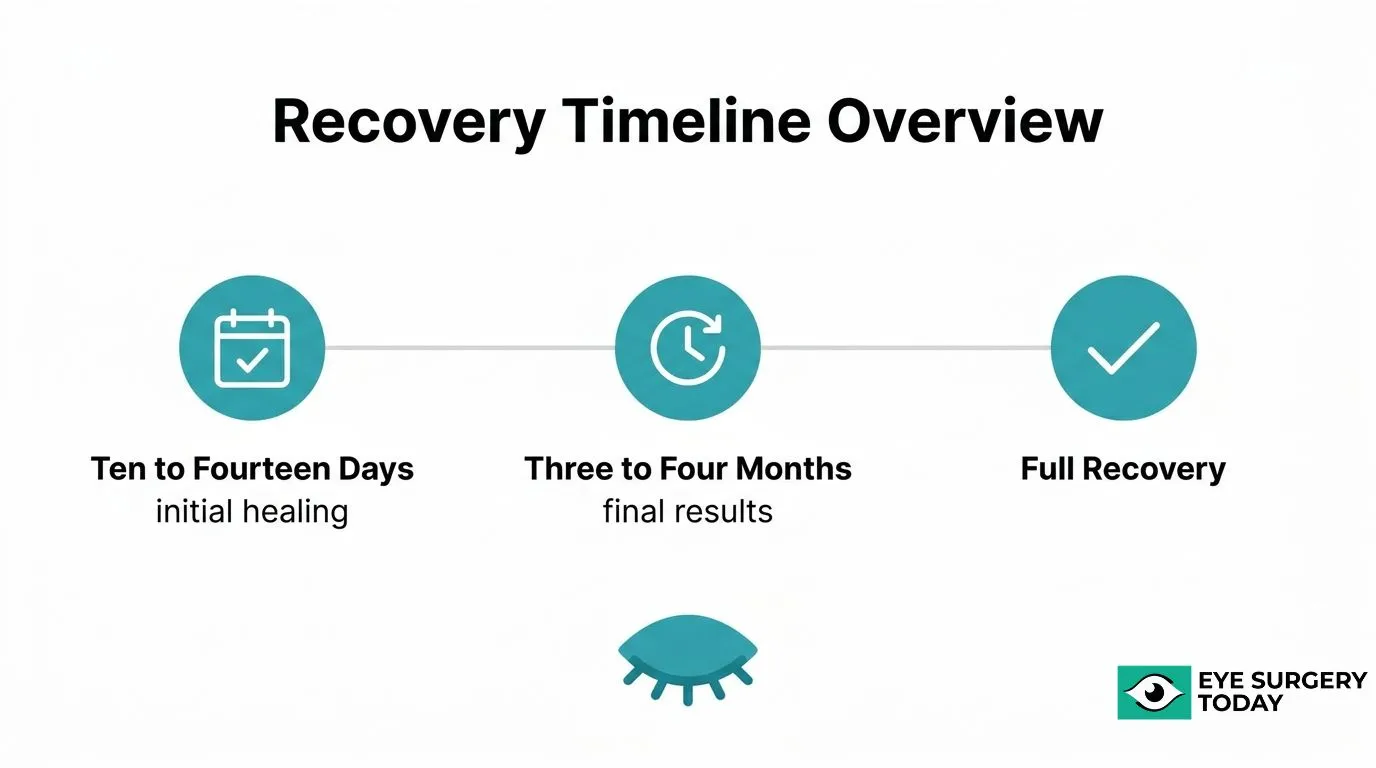
Recovery after cosmetic eye procedures is the postoperative healing period during which swelling, bruising, and tissue remodeling gradually resolve, with timelines ranging from a few days for minimally invasive treatments to several months for full surgical results.
This guide covers procedure-specific recovery timelines, common side effects and how to distinguish them from complications, day-by-day healing progression, aftercare protocols and activity restrictions, and factors that can promote faster recovery.
Recovery timelines vary considerably by procedure type. Blepharoplasty patients typically see initial bruising subside within 10 to 14 days, while final results may take three to four months to emerge. Brow lifts allow most patients to return to work within one to two weeks depending on the technique, and under-eye filler swelling generally resolves fully by 60 days. Laser resurfacing around the eyes heals in three to 10 days based on treatment depth.
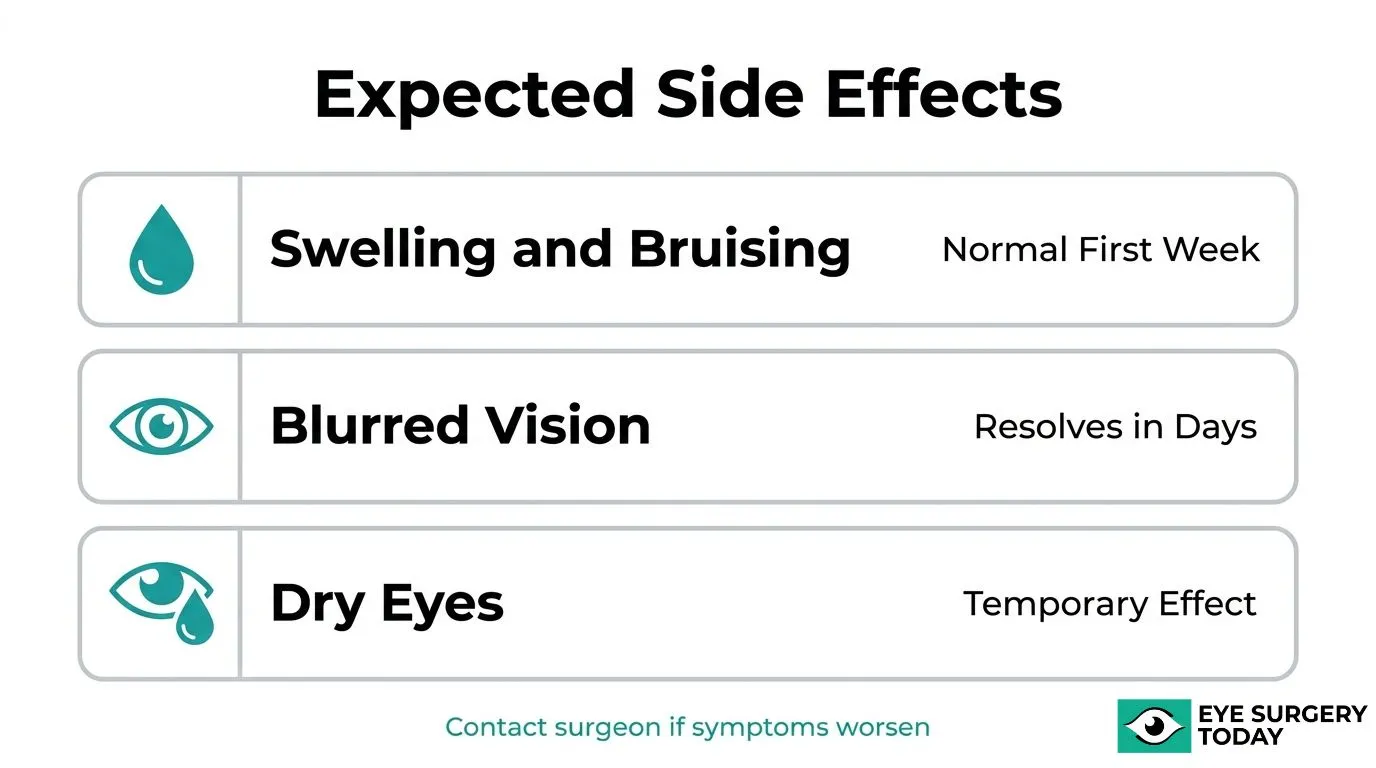
Common side effects include temporary blurred vision, dry eyes or excessive tearing, periorbital swelling, and mild to moderate discomfort that typically peaks within hours of surgery and resolves within days. While the overall major complication rate for aesthetic eye surgery is very low, recognizing warning signs like worsening pain, unusual discharge, or sudden vision changes helps patients seek timely intervention.
Day-by-day progression follows a predictable pattern: peak discomfort in the first 24 hours, gradual improvement through the first week, and functional normalcy by weeks two through four. Aftercare strategies like head elevation during sleep, cold compress application, sun protection, and avoiding strenuous activity for three to six weeks all play measurable roles in supporting the healing process.
Anesthesia type can also shape recovery, with local and regional techniques generally associated with shorter postoperative periods compared to general anesthesia.
What Is the Typical Recovery Timeline for Cosmetic Eye Surgery?
The typical recovery timeline for cosmetic eye surgery varies by procedure, ranging from a few days for minimally invasive treatments to several months for full surgical healing. The sections below cover recovery timelines for blepharoplasty, brow lift surgery, under-eye filler injections, and laser skin resurfacing.
How Long Does Recovery Take After Blepharoplasty?
Recovery after blepharoplasty follows a predictable progression across several weeks. Most patients can resume normal activities within 24 to 48 hours, though noticeable swelling and discomfort are expected during this period. Initial bruising and swelling typically subside within 10 to 14 days, while complete healing and final results may take three to four months.
According to Memorial Sloan Kettering Cancer Center, patients should sleep with their head elevated on two to three pillows for at least two weeks to help reduce swelling. Anesthesia technique can also influence recovery pace: regional nerve block anesthesia in upper blepharoplasty has been associated with shorter recovery times compared to traditional local infiltration.
How Long Does Recovery Take After Brow Lift Surgery?
Recovery after brow lift surgery depends on the surgical approach used. According to the American Society of Plastic Surgeons, most patients return to work within one week of an endoscopic brow lift and approximately two weeks after other brow lift techniques. Initial bruising and swelling typically resolve within 10 to 14 days, with complete healing and final results achieved by three to four months postoperatively.
The overall safety profile of combined brow lift and blepharoplasty procedures is strong, with a major complication rate of approximately 0.4%. Notably, brow lift surgery is contraindicated in patients with body dysmorphic disorder, a recent blepharoplasty history, or severe dry eye syndrome due to the increased risk of lagophthalmos. Emotional recovery is also worth considering: research published by the National Library of Medicine found that patients frequently experience emotional distress before and after eyelid surgery, suggesting that mental health support is an underaddressed aspect of the recovery process.
How Long Does Recovery Take After Under-Eye Filler Injections?
Recovery after under-eye filler injections is generally brief, making it one of the least disruptive cosmetic eye procedures. Swelling around the injection site is common and expected in the weeks following treatment. According to a study published by the National Center for Biotechnology Information (NCBI), 96.15% of patients who received infraorbital hyaluronic acid filler injections experienced expected edema at day 30, which fully resolved after 60 days without further intervention. For most patients, this gradual resolution requires no additional treatment.
How Long Does Recovery Take After Laser Skin Resurfacing Around the Eyes?
Recovery after laser skin resurfacing around the eyes typically takes three to 10 days, depending on the depth of the treatment and the laser type used. According to the American Society for Dermatologic Surgery, shallower resurfacing protocols allow faster healing, while deeper treatments require longer downtime. Ablative lasers generally demand more recovery time than non-ablative alternatives, so the right choice depends heavily on the patient’s tolerance for downtime and the degree of correction needed.
Understanding these procedure-specific timelines helps patients plan realistically and follow appropriate aftercare from day one.
What Are the Common Side Effects During Cosmetic Eye Procedure Recovery?
The common side effects during cosmetic eye procedure recovery include swelling, bruising, blurred vision, discomfort, dry eyes, and excessive tearing. The following sections explain what to expect from each of these side effects and how long they typically last.
What Swelling and Bruising Should You Expect After Cosmetic Eye Surgery?
Swelling and bruising are the most predictable side effects after cosmetic eye surgery, particularly in the periorbital area. According to Stanford Medicine, frequent application of cold compresses during the first 48 hours is a primary strategy for reducing postoperative swelling and bruising. Elevating the head during rest also supports faster reduction of fluid accumulation around the eyes.
Is Blurred Vision Normal After Cosmetic Eye Procedures?
Yes, blurred vision is normal after cosmetic eye procedures. According to the American Academy of Ophthalmology, blurred vision and double vision are common visual disturbances after blepharoplasty and usually improve within a couple of days after surgery. Patients should monitor closely, however, as vision loss from central retinal artery occlusion has been observed in rare cases following cosmetic facial procedures, sometimes resulting in irreversible vision loss.
How Much Discomfort or Pain Can You Expect During Recovery?
Discomfort during cosmetic eye procedure recovery is typically mild to moderate and short-lived. Research published via ScienceDirect indicates that pulsed electromagnetic fields therapy has been shown to improve tissue healing and may help reduce postoperative pain during recovery. For most patients, prescription or over-the-counter pain relief, combined with rest, adequately manages discomfort in the early postoperative period.
Are Dry Eyes or Excessive Tearing Common After Cosmetic Eye Surgery?
Yes, dry eyes and excessive tearing are both common after cosmetic eye surgery. According to a study published by the National Institutes of Health, dry eye disease is a common side effect after cosmetic blepharoplasty, with an incidence rate ranging from 0% to 26.5% depending on the surgical technique and individual patient risk factors. Temporary side effects can also include light sensitivity, double vision, watery eyes, bruising, inflammation, and discomfort, most of which resolve as healing progresses.
Understanding these side effects helps patients distinguish expected recovery symptoms from signs that warrant contacting their surgeon.
What Are the Possible Risks and Complications After Cosmetic Eye Procedures?
The possible risks and complications after cosmetic eye procedures include infection, scarring, vision changes, and rare but serious events such as irreversible vision loss. While the overall major complication rate is low, recognizing warning signs early and knowing when to contact your surgeon can significantly improve outcomes. The following sections cover the key complications to monitor: infection signs, scarring potential, vision-related red flags, and urgent contact criteria.
What Signs of Infection Should You Watch for After Cosmetic Eye Surgery?
The signs of infection to watch for after cosmetic eye surgery include increasing redness, warmth, swelling that worsens rather than improves, yellow or green discharge, and fever. Unlike expected postoperative bruising and swelling, infection-related symptoms typically intensify after the first few days rather than gradually resolving. The surgical site should appear progressively cleaner and less inflamed over time. Any discharge that changes in color or consistency warrants prompt evaluation, as delayed treatment can allow infection to spread to surrounding ocular structures.
Can Scarring Occur After Cosmetic Eye Procedures?
Scarring can occur after cosmetic eye procedures, though surgeons typically place incisions within natural eyelid creases to minimize visible scar formation. Hypertrophic or thickened scars are uncommon but may develop in patients with certain skin types or healing responses. According to research published by the National Center for Biotechnology Information, gaps in written patient communication highlight the need for clearer information regarding the long-term refinement of surgical scars. Most incision lines fade significantly within three to six months, and appropriate sun protection during healing helps reduce the risk of permanent hyperpigmentation along the incision site.
What Vision Changes May Indicate a Complication After Eye Surgery?
The vision changes that may indicate a complication after eye surgery include sudden or worsening blurred vision, loss of peripheral vision, seeing new floaters or flashes, and double vision that does not resolve within the expected recovery window. A particularly serious concern is lagophthalmos, the inability to fully close the eyelids, which can cause corneal exposure and chronic dry eye if over-resection of skin has occurred, according to research published in the National Center for Biotechnology Information. In rare cases, vision loss from central retinal artery occlusion has been observed following cosmetic facial procedures, with some cases resulting in irreversible vision loss, as reported in JAMA Ophthalmology. Any sudden or unexplained change in visual acuity should be treated as urgent.
When Should You Contact Your Surgeon During Recovery?
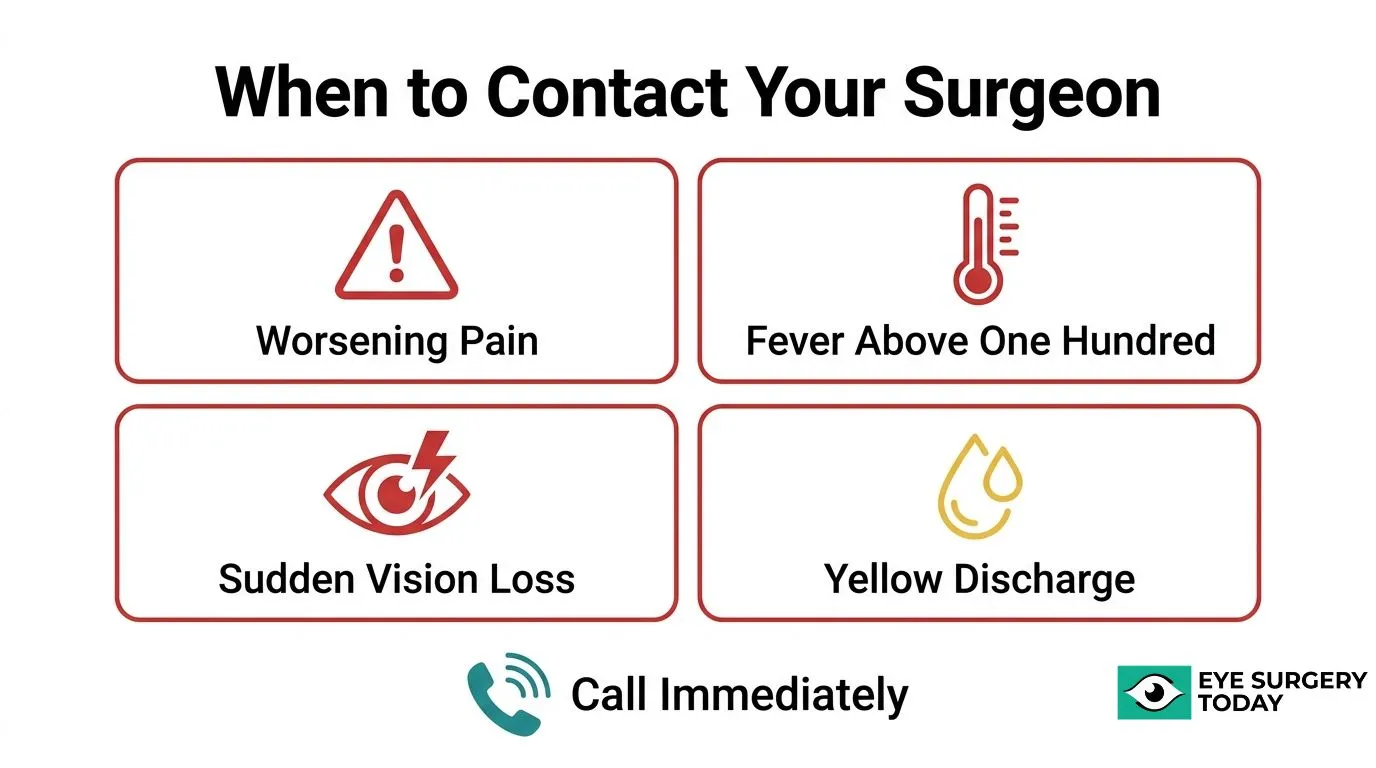
You should contact your surgeon during recovery if you experience any of the following:
- Worsening pain, redness, or swelling after the first 48 to 72 hours rather than gradual improvement.
- Yellow, green, or unusual discharge from the incision or eye.
- Fever above 38°C (100.4°F).
- Sudden changes in vision, including significant blurring, new floaters, flashes of light, or loss of vision.
- Inability to fully close one or both eyelids.
- Signs of an allergic reaction, such as a spreading rash or difficulty breathing.
When in doubt, contacting your surgeon earlier rather than later is always the safer choice, as early intervention is the most reliable way to prevent minor complications from becoming serious ones.
Who Is a Good Candidate for Cosmetic Eye Procedures?
Good candidates for cosmetic eye procedures share specific health, anatomical, and psychological characteristics that support safe outcomes. The following H3s cover the core criteria: medical history requirements, anatomical considerations, and psychological suitability.
What Medical History Factors Affect Candidacy for Cosmetic Eye Procedures?
The medical history factors that affect candidacy for cosmetic eye procedures include chronic systemic diseases, current medications, and pre-existing eye conditions. According to NCBI, preoperative evaluation for blepharoplasty should document ophthalmologic history, systemic conditions, and medications, as these directly influence surgical risk and recovery.
Key disqualifying or complicating conditions include:
- Severe dry eye syndrome, which raises the risk of lagophthalmos after brow lift or blepharoplasty
- Body dysmorphic disorder, a recognized contraindication for elective cosmetic surgery
- Recent prior blepharoplasty, which increases complication risk if repeated too soon
- Chronic systemic diseases or medications that impair healing or increase bleeding risk
Thorough preoperative screening is not optional; it is the single most important step in preventing avoidable complications.
What Anatomical Factors Determine Candidacy?
The anatomical factors that determine candidacy for cosmetic eye procedures include eyelid skin laxity, fat distribution, and orbital structure. Dermatochalasis, defined as redundant eyelid skin, is one of the most common anatomical indications for upper blepharoplasty. Blepharochalasis syndrome, a rarer condition involving recurrent eyelid edema and skin thinning, may also necessitate surgical correction according to the American Academy of Ophthalmology.
Surgeons assess these structural features during consultation to determine which procedure, if any, is anatomically appropriate for each patient.
Is Psychological Readiness Important for Cosmetic Eye Procedure Candidacy?
Psychological readiness is important for cosmetic eye procedure candidacy because unrealistic expectations and underlying body image disorders significantly increase the risk of patient dissatisfaction. Body dysmorphic disorder is a documented contraindication for brow lift surgery according to StatPearls via NCBI, as patients with this condition are unlikely to achieve meaningful satisfaction regardless of surgical outcome.
Candidates should hold realistic, specific goals and demonstrate a stable psychological baseline before proceeding with any elective cosmetic eye procedure.
What Does the Day-by-Day Recovery Process Look Like After Cosmetic Eye Surgery?
The day-by-day recovery process after cosmetic eye surgery follows a predictable progression, moving from peak discomfort in the first 24 hours through gradual improvement over several weeks before final results emerge. The sections below cover what to expect from the first day through the months that follow.
What Should You Expect in the First 24 Hours After Surgery?
The first 24 hours after cosmetic eye surgery are typically the most uncomfortable, with swelling, bruising, and discomfort peaking early. According to a study published in Cureus (PMC), post-blepharoplasty pain typically peaks at 4.4 hours after surgery and subsides within two days for the majority of patients (94.74%). Most patients can resume light normal activities within 24 to 48 hours, though edema and discomfort are expected during this window. The first 72 hours are critical for minimizing downtime; resting with the head elevated and applying cold compresses frequently are the primary strategies recommended during this period.
What Changes Occur During Days Two Through Seven of Recovery?
Days two through seven bring a gradual shift from acute discomfort toward visible improvement. Swelling often increases during the first 48 hours as the body responds to periorbital tissue trauma, then begins to subside. By the end of the first week, most patients notice meaningful reductions in bruising and puffiness, though residual edema is common. Light activity is generally tolerable, but strenuous exertion, makeup, and contact lenses should still be avoided.
What Should You Expect During Weeks Two Through Four?
Weeks two through four mark the transition from early recovery to functional normalcy. Most visible bruising resolves during this period, and many patients feel confident returning to social and professional settings. However, deeper swelling and subtle tightness around the eyelids may persist. Sun protection remains essential during this phase, as incision lines are still vulnerable to hyperpigmentation. Swimming and high-intensity exercise should continue to be avoided for at least three weeks.
When Can You Expect to See Final Results?
Final results after cosmetic eye surgery typically take three to four months to fully emerge, as residual swelling continues to resolve and incision lines mature and soften. Subtle refinements in scar appearance and eyelid contour continue gradually throughout this period. Patients who expect dramatic change within the first few weeks often underestimate how much the tissues are still remodeling. Understanding this long timeline is one of the most important factors for managing realistic expectations after any cosmetic eyelid procedure.
What Aftercare Instructions Should You Follow During Recovery?
Aftercare instructions after cosmetic eye procedures cover four key areas: incision and stitch care, prescribed medications, sleep positioning, and sun protection. Each of the following sections details what your surgical team is most likely to recommend.
How Should You Care for Incisions and Stitches After Eye Surgery?
Caring for incisions after eye surgery requires keeping the area clean and dry to reduce the risk of infection. Your surgeon will typically provide specific instructions for gently cleansing around the incision site, avoiding any rubbing or pressure on the eyelids. Sutures are usually removed within five to seven days, depending on the procedure and healing progress. Patients should also avoid touching, stretching, or exposing incisions to water until cleared by their provider.
What Eye Drops or Medications May Be Prescribed During Recovery?
Eye drops and medications prescribed during recovery may include antibiotic drops to prevent infection, anti-inflammatory drops to manage swelling, and lubricating drops to relieve dryness. Oral pain relievers are sometimes recommended for the first few days, particularly as discomfort tends to peak in the early postoperative period. Patients should follow the prescribed schedule closely and not discontinue medications without their surgeon’s guidance.
How Should You Sleep After Cosmetic Eye Procedures?
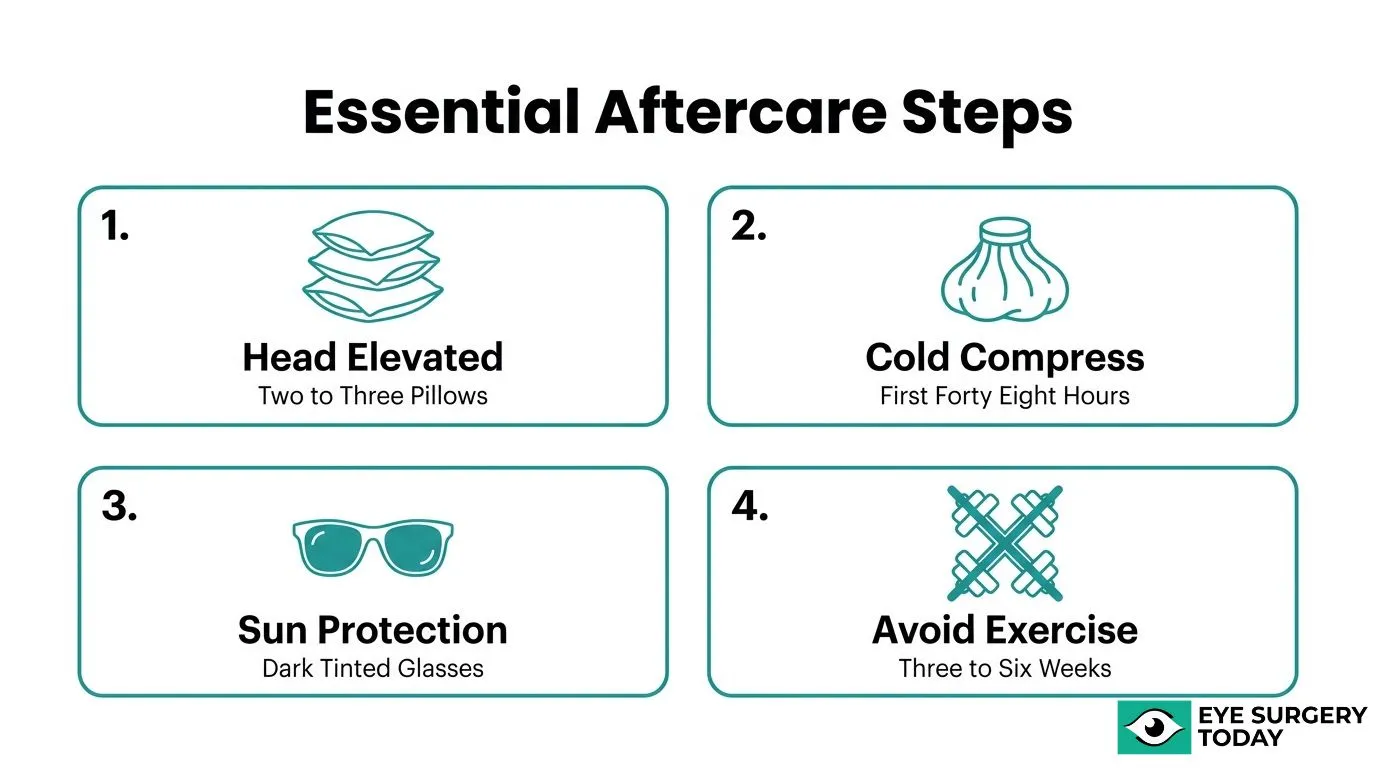
Sleeping after cosmetic eye procedures should be done with the head elevated on two to three pillows for at least two weeks following blepharoplasty, according to Memorial Sloan Kettering Cancer Center. This positioning helps reduce postoperative swelling by limiting fluid accumulation around the eyes. Sleeping on your side or stomach is generally discouraged during early recovery, as pressure on the periorbital area can worsen bruising and edema.
What Sun Protection Is Needed During Recovery?
Sun protection during recovery requires diligent use of darkly tinted sunglasses until the healing process is fully complete, according to the American Academy of Ophthalmology. UV exposure to healing incision lines can cause permanent hyperpigmentation, making protective eyewear non-negotiable rather than optional. Broad-spectrum sunscreen around the eye area, applied carefully to avoid contact with the eye itself, adds an additional layer of protection during outdoor activity.
What Activities Should You Avoid During Cosmetic Eye Procedure Recovery?
Activities to avoid during cosmetic eye procedure recovery include strenuous exercise, driving, wearing makeup, using contact lenses, and swimming. The sections below outline when it is generally safe to resume each of these activities.
When Can You Return to Work After Cosmetic Eye Surgery?
Returning to work after cosmetic eye surgery depends on the type of procedure performed and the physical demands of your job. Sedentary roles can often be resumed within one to two weeks, while jobs requiring physical exertion may require a longer absence. Swelling, bruising, and light sensitivity during the first two weeks can make screen-based work uncomfortable, so pacing the return appropriately helps support healing.
When Is It Safe to Resume Exercise After Cosmetic Eye Procedures?
Strenuous activities are not safe to resume immediately after cosmetic eye procedures. According to Laquis Ophthalmic Plastic and Orbital Surgery, heavy lifting, jogging, and high-intensity workouts should be avoided for at least three to six weeks following cosmetic eyelid surgery. Elevated heart rate and blood pressure from exercise can increase swelling and raise the risk of bleeding around the surgical site, making early restraint one of the most important recovery decisions a patient can make.
When Can You Wear Makeup or Contact Lenses Again?
Makeup and contact lenses should not be worn for at least three weeks after eyelid surgery. According to the National Health Service (NHS), patients should also avoid swimming and environments that could contaminate the wound during this same period. Introducing products or lenses near healing incisions too early raises the risk of infection and may disrupt tissue repair.
When Is It Safe to Drive After Cosmetic Eye Surgery?
Driving after cosmetic eye surgery is not safe until vision has fully stabilized and any prescribed sedation or pain medication has been discontinued. Blurred vision, light sensitivity, and reduced peripheral awareness are common in the early recovery period and impair the visual acuity required for safe driving. Most patients need at least one to two weeks before driving, though your surgeon’s clearance is the definitive guide.
How Can You Promote Faster Healing After Cosmetic Eye Procedures?
Faster healing after cosmetic eye procedures depends on a combination of evidence-based physical strategies and consistent adherence to your surgeon’s aftercare instructions. The following sections cover cold compress application and emerging therapeutic options for reducing postoperative downtime.
How Do Cold Compresses Help With Healing After Eye Surgery?
Cold compresses help with healing after eye surgery by constricting blood vessels in the periorbital area, which limits fluid accumulation and reduces bruising. According to Stanford Medicine, frequent cold compress application during the first 48 hours is a primary strategy for minimizing postoperative swelling. For best results, apply a clean, cold compress for 10 to 15 minutes at a time, several times per day, during this critical early window. Avoiding pressure directly on the eye itself is essential to prevent complications.
Can Pulsed Electromagnetic Field Therapy Speed Up Recovery?
Pulsed electromagnetic field (PEMF) therapy may help speed up recovery after cosmetic eye procedures by promoting tissue repair at the cellular level. Research published in ScienceDirect found that PEMF therapy can improve tissue healing and may reduce postoperative pain, making it a viable adjunct to standard recovery protocols. While not yet universally standard after cosmetic eye surgery, PEMF represents a promising option worth discussing with your surgeon, particularly for patients who experience prolonged swelling or discomfort. Combining it with foundational strategies like elevation and cold therapy may yield the most benefit.
How Does Recovery Differ Based on the Type of Anesthesia Used?
Recovery after cosmetic eye procedures differs meaningfully based on whether local or general anesthesia is used. Local anesthesia is generally associated with a simpler, faster recovery, while general anesthesia introduces additional physiological variables that can extend the postoperative period.
According to a study published by the National Center for Biotechnology Information (NCBI), local anesthesia for penetrating keratoplasty is associated with a shorter recovery time and less complexity compared with general anesthesia. Regional nerve block anesthesia in upper blepharoplasty has similarly been linked to shorter recovery times than traditional local infiltration techniques. These findings suggest that anesthesia choice is not just a procedural detail; it actively shapes how quickly and comfortably a patient recovers. Surgeons and patients alike benefit from factoring anesthesia type into recovery planning from the outset.
How Can Surgeon-Reviewed Resources Help You Prepare for Cosmetic Eye Procedure Recovery?
Surgeon-reviewed resources can help you prepare for cosmetic eye procedure recovery by translating complex clinical information into clear, actionable guidance. The H3 sections below cover what Eye Surgery Today offers and the key takeaways to carry forward from this article.
Can Eye Surgery Today Help You Understand Your Procedure Options?
Yes, Eye Surgery Today can help you understand your procedure options through surgeon-reviewed educational content designed to make complex ophthalmology information accessible to every patient. The platform covers procedures ranging from blepharoplasty and brow lift surgery to under-eye filler and laser skin resurfacing, with content reviewed for clinical accuracy and real-world relevance. Because recovery timelines, side effect profiles, and aftercare protocols vary significantly by procedure, having a single trusted source that addresses each scenario clearly is genuinely valuable. Eye Surgery Today exists precisely to close that information gap, empowering patients to enter consultations informed and confident.
What Are the Key Takeaways About Recovery After Cosmetic Eye Procedures?
The key takeaways about recovery after cosmetic eye procedures are that timelines, side effects, and aftercare requirements differ by procedure type, and preparation is the most effective tool a patient has. The most actionable lessons from this article include:
- Recovery timelines vary widely: Initial swelling typically resolves in 10 to 14 days, but complete healing may take three to four months.
- Common side effects are temporary: Blurred vision, bruising, light sensitivity, and tearing usually resolve within days to weeks with proper aftercare.
- Aftercare adherence matters most: Elevating the head, applying cold compresses, avoiding strenuous activity, and protecting incisions from sun exposure are non-negotiable steps.
- Know when to call your surgeon: Worsening pain, signs of infection, or sudden vision changes require prompt medical attention.
- Emotional readiness counts: Research published in the National Library of Medicine identified emotional distress as a frequently unaddressed aspect of eyelid surgery recovery, making mental preparation as important as physical preparation.
Eye Surgery Today’s surgeon-reviewed resources give patients the clarity needed to navigate every stage of that process with confidence.