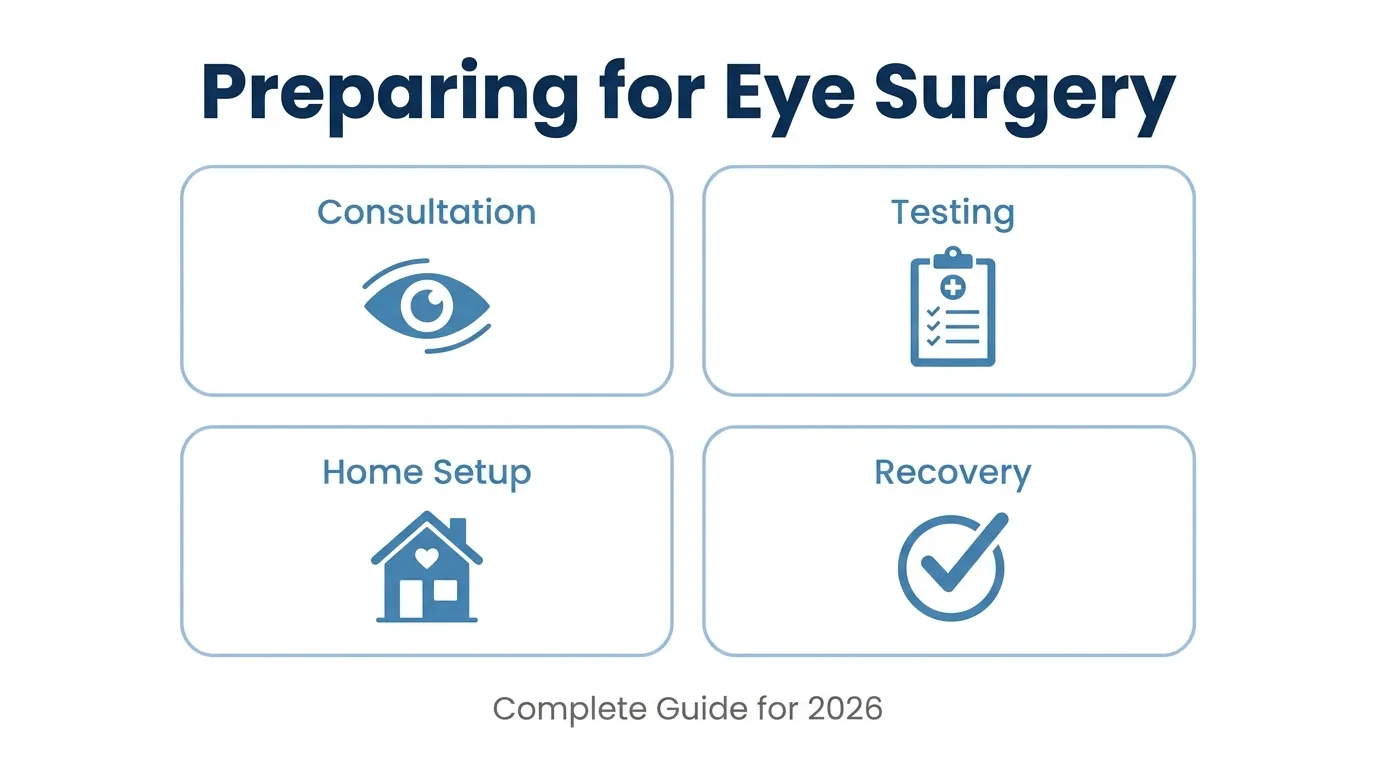
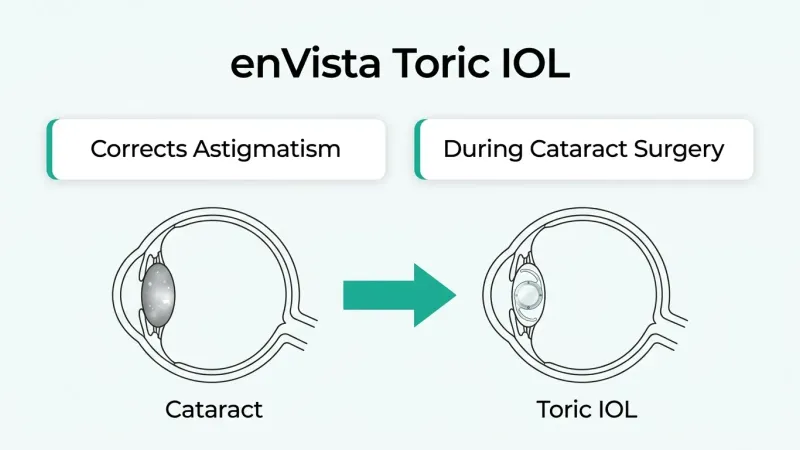
Preparing for eye surgery is the process of completing diagnostic testing, adjusting medications, following pre-operative instructions, and organizing your home and schedule to support a safe procedure and smooth recovery.
This guide covers pre-op consultations and candidacy screening, medication and lifestyle preparation, home recovery setup and surgery-day logistics, mental readiness and management of concerns, and procedure-specific protocols for cataract, laser refractive, glaucoma, and retinal surgery.
Your pre-op consultation involves a series of diagnostic assessments, including ocular biometry, corneal topography, and optical coherence tomography, that map your eye’s anatomy and detect conditions that could affect surgical outcomes. A complete medical history review, covering every medication, supplement, and chronic condition, helps your surgical team balance risks like perioperative bleeding against thromboembolic events when managing blood thinners.
Candidacy depends on factors such as refractive stability, corneal thickness, and the presence of conditions like keratoconus or uncontrolled autoimmune disorders, though many exclusions are temporary and can be reassessed once the underlying factor resolves.
Practical preparation includes following fasting protocols, starting prescribed antibiotic and anti-inflammatory eye drops on schedule, and avoiding cosmetics or fragrances that could contaminate the sterile surgical field. At home, clearing walkways, installing nightlights, and staging recovery supplies within arm’s reach may help reduce fall risk during the early days of blurred vision.
Pre-operative anxiety is common; cataract surgery patients consistently report the operation itself and the fear of vision loss as top concerns. Understanding that complications are rare and discussing expected visual sensations with your surgeon can significantly ease that worry.
Each procedure carries unique preparation requirements. Cataract surgery centers on lens selection, LASIK (and other laser refractive surgeries) demand extended contact lens discontinuation, glaucoma surgery focuses on target pressure goals, and retinal surgery may require specialized post-operative positioning equipment.
What Happens During a Pre-Op Eye Surgery Consultation?
A pre-op eye surgery consultation involves diagnostic testing, a medical history review, and a discussion with your surgeon about the procedure. The sections below cover each step.
What Eye Tests Are Performed Before Surgery?
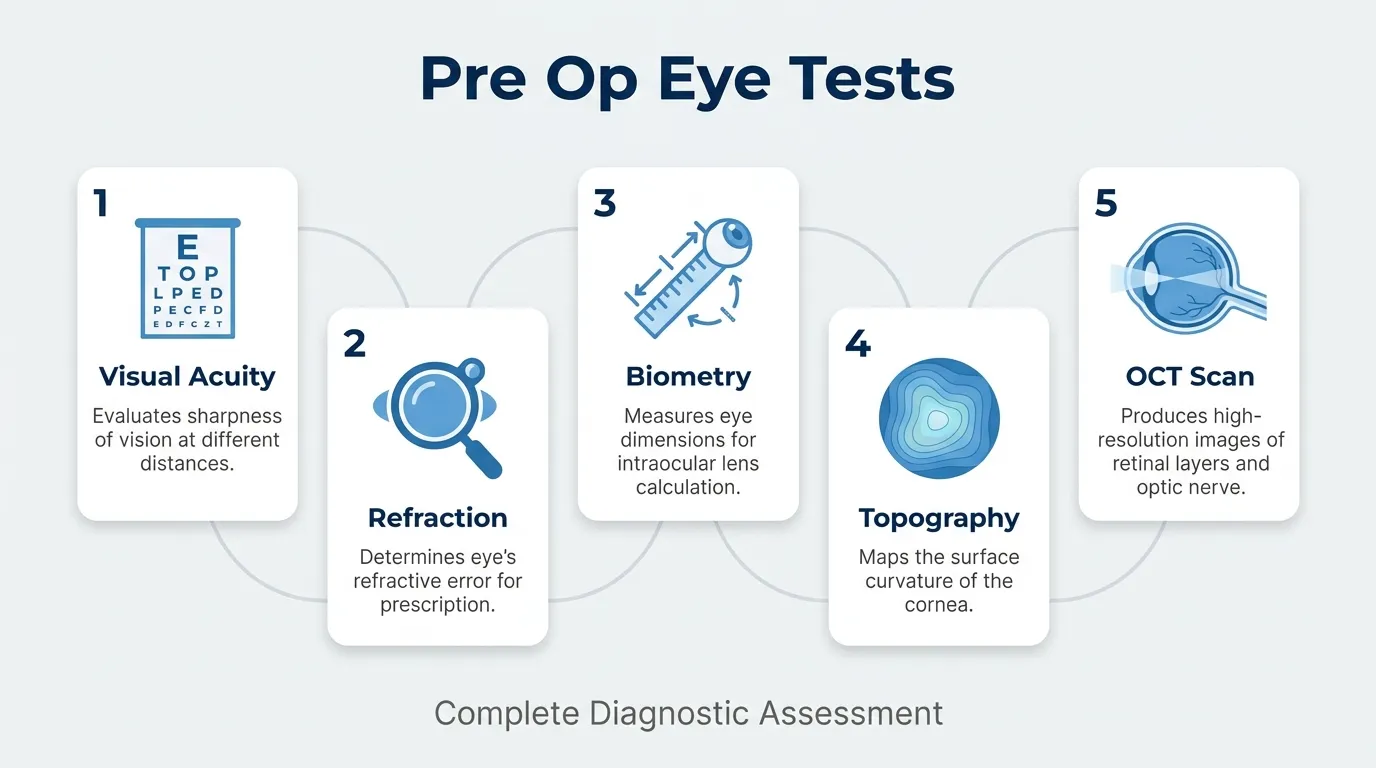
The eye tests performed before surgery include a series of diagnostic measurements that map your eye’s unique anatomy and detect conditions that could affect surgical outcomes. Your surgeon may order several of these assessments:
- Visual acuity testing measures how well each eye sees individually with your current prescription.
- Manifest refraction determines your best-corrected visual acuity.
- Ocular biometry measures axial length, corneal curvature, and anterior chamber depth to guide intraocular lens selection.
- Corneal topography screens for irregular astigmatism and conditions like keratoconus.
- Optical coherence tomography (OCT) detects hidden macular pathologies, such as epiretinal membranes or vitreomacular traction, that could cause unexpected visual outcomes after surgery.
According to Steve Charles, MD, FACS, writing in the Review of Ophthalmology, OCT should be used before cataract surgery for every patient, not just those receiving premium IOLs, because it can reveal invisible pathologies that lead to “visual surprises” post-operatively. Skipping any of these tests increases the chance of preventable complications, which is why thorough pre-operative diagnostics remain one of the most important steps in the entire surgical process.
What Medical History Should You Share With Your Surgeon?
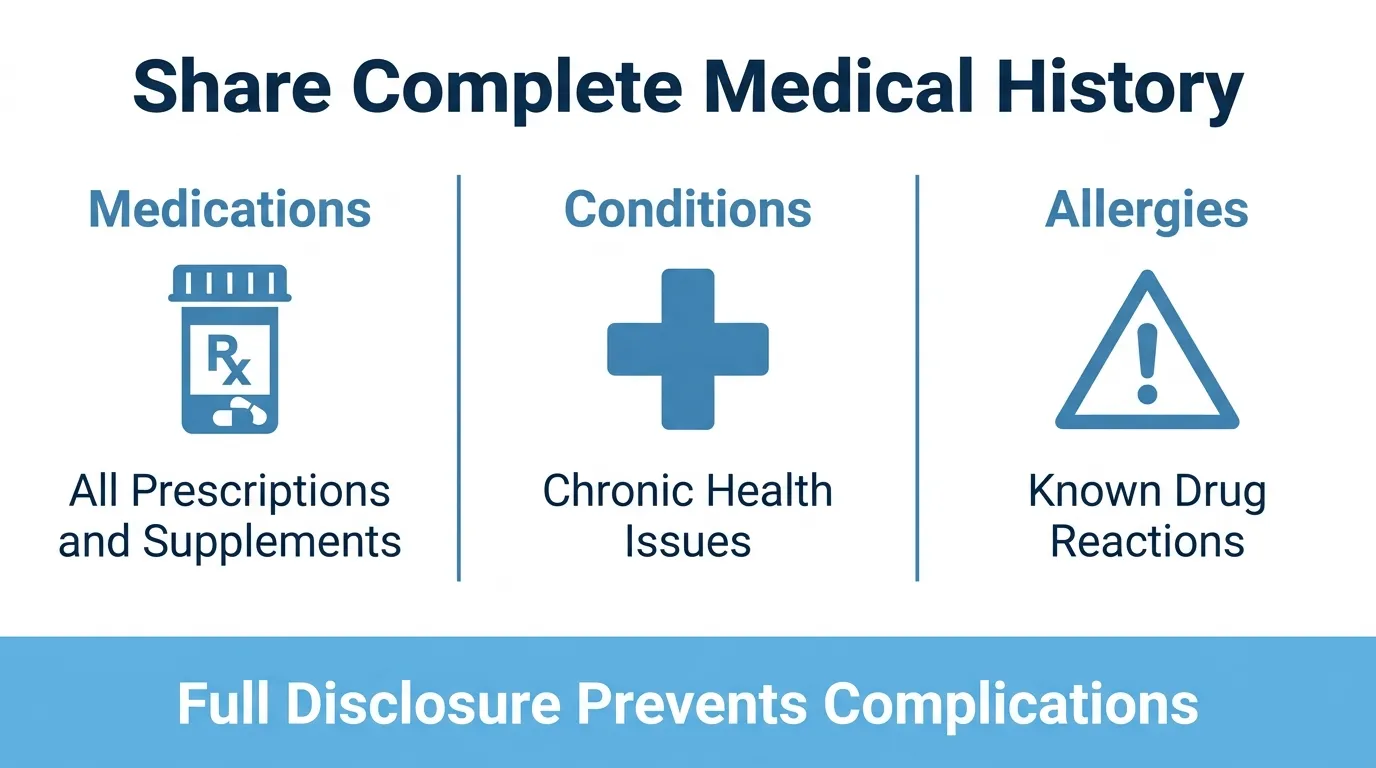
The medical history you should share with your surgeon includes every current medication, past surgical procedure, chronic health condition, and known allergy. Anticoagulant medications like warfarin or aspirin require special attention because discontinuation decisions must balance bleeding risk against the risk of a thromboembolic event. Similarly, certain psychiatric medications, including irreversible MAO inhibitors, may require a two-week cessation period before surgery to restore normal enzyme function and prevent dangerous anesthesia interactions.
Beyond medications, disclose conditions such as diabetes, autoimmune disorders, and dry eye disease, since each can influence healing and surgical planning. Even supplements and over-the-counter products matter; herbal remedies like ginkgo biloba may increase bleeding risk. Being thorough during this conversation protects you from avoidable complications and helps your surgical team tailor the procedure to your specific needs.
What Questions Should You Ask Your Eye Surgeon Before Surgery?
The questions you should ask your eye surgeon before surgery focus on experience, risks, and realistic expectations for your specific situation. Key questions to bring to your consultation include:
- How many times have you performed this specific procedure?
- What are the risks and potential complications for my case?
- Which surgical technique or lens option do you recommend, and why?
- What should I realistically expect for my visual outcome?
- Can my surgery wait, or is there a reason to proceed now?
- What will recovery look like, and when can I return to normal activities?
According to UnitedHealthcare, common patient concerns include whether cataract surgery can wait, how experienced the surgeon is, and what specific risks apply to the recommended procedure. In practice, the patients who ask the most direct questions tend to feel the most confident on surgery day, because uncertainty, not the procedure itself, is often what drives pre-operative anxiety.
With a clear understanding of your consultation, the next step is determining whether you meet the criteria for surgery.
Who Is a Good Candidate for Eye Surgery?
A good candidate for eye surgery is typically an adult with stable vision, healthy eyes, and no uncontrolled medical conditions that could impair healing. Candidacy depends on the specific procedure and individual health factors, including age, corneal thickness, and overall ocular health. The sections below cover who may not qualify and how pre-existing conditions affect eligibility.
Who May Not Be Eligible for Elective Eye Surgery?
Patients who may not be eligible for elective eye surgery include those with unstable refractive errors, active eye diseases, or certain systemic health conditions. According to the American Academy of Ophthalmology, absolute contraindications for laser corneal refractive surgery include keratoconus, unstable refraction, visually significant cataracts, and uncontrolled external eye diseases such as severe dry eye or blepharitis.
Additional factors that may disqualify candidates include:
- Pregnancy or breastfeeding, due to hormonal changes that can temporarily alter corneal thickness and refractive error.
- Insufficient corneal thickness for procedures like LASIK, where inadequate tissue increases the risk of post-operative ectasia.
- Age-related instability in younger patients whose prescriptions have not yet stabilized.
- Uncontrolled systemic conditions that compromise wound healing.
Many of these exclusions are temporary. Once the underlying factor resolves, candidacy can often be reassessed.
How Do Pre-Existing Conditions Affect Eye Surgery Candidacy?
Pre-existing conditions affect eye surgery candidacy by altering healing response, increasing complication risk, or changing the eye’s structural baseline. Autoimmune diseases, such as systemic lupus erythematosus or rheumatoid arthritis, have traditionally been considered contraindications for corneal laser surgery due to the increased risk of corneal melting or poor wound healing, according to research published in the Journal of Emmetropia.
Conditions that may influence surgical eligibility include:
- Diabetes, which can slow wound healing and increase infection risk.
- Glaucoma, which may limit the range of suitable procedures.
- Autoimmune disorders that affect ocular surface integrity.
- Cardiovascular conditions requiring anticoagulant therapy, where the discontinuation decision must balance bleeding risk against thromboembolic events.
Having a pre-existing condition does not automatically disqualify a patient. Inactive or well-managed autoimmune diseases can be considered only a relative contraindication. In clinical practice, thorough screening and specialist collaboration often identify a safe surgical pathway, even for patients with complex medical histories. Understanding these eligibility factors helps set the stage for following specific pre-op instructions.
What Pre-Op Instructions Should You Follow Before Eye Surgery?
Pre-op instructions before eye surgery cover medication adjustments, prescribed eye drops, dietary restrictions, and clothing guidelines. The following subsections break down each requirement.
How Should You Prepare Your Medications Before Eye Surgery?
You should prepare your medications before eye surgery by reviewing every current prescription and supplement with your surgical team well in advance. According to a study published in NIH PubMed Central, decisions regarding the discontinuation of anticoagulant medications, such as warfarin or aspirin, prior to ophthalmic surgery must balance the risk of perioperative bleeding against the risk of a thromboembolic event.
Your ophthalmologist may recommend continuing some medications while temporarily pausing others. To prepare effectively:
- Provide a complete list of all prescriptions, over-the-counter drugs, and supplements to your surgeon.
- Ask specifically which medications to continue, adjust, or stop before surgery day.
- Confirm any changes with the prescribing physician for medications managed by another specialist.
- Never stop a medication without direct guidance from your healthcare provider.
Starting this process at least two weeks before surgery allows time for safe transitions, particularly with blood thinners or medications that require gradual tapering.
Which Medications Should You Stop Taking Before Eye Surgery?
The medications you should stop taking before eye surgery depend on your procedure type, overall health, and bleeding risk. Blood thinners, certain anti-inflammatory drugs, and some herbal supplements are among the most commonly paused categories. Your surgeon will provide a personalized list based on your medical profile.
Common medications that may require discontinuation include:
- Anticoagulants: Warfarin, aspirin, and clopidogrel, adjusted based on thromboembolic risk.
- NSAIDs: Ibuprofen and naproxen, which can increase bleeding tendency.
- Herbal supplements: Fish oil, ginkgo biloba, and vitamin E, all of which may affect clotting.
- MAO inhibitors: Irreversible types may require a two-week cessation period to restore normal enzyme function before anesthesia.
According to ISA fasting guidelines referenced in NIH PubMed Central research, patients undergoing elective cataract surgery under regional anesthesia should withhold solid foods for 6 to 8 hours and clear liquids for 2 hours before the procedure. This fasting protocol is one of the most overlooked yet critical pre-op steps for patient safety.
What Eye Drops Are Prescribed Before Eye Surgery?
Eye drops prescribed before eye surgery typically include antibiotic drops to reduce infection risk and anti-inflammatory drops to minimize post-operative swelling. Your surgeon may also prescribe dilating drops for use on the morning of surgery, depending on the procedure.
To manage your drop regimen effectively:
- Fill all prescriptions at least two days before your scheduled surgery.
- Practice the correct instillation technique, placing one drop in the lower lid pocket without touching the dropper tip to the eye.
- Follow the exact timing and frequency your surgical team provides.
- Keep drops, tissues, and a plastic eye shield organized in one accessible location for post-operative use.
According to a patient education guide from University Hospitals Coventry and Warwickshire NHS Trust, post-operative home care requires immediate access to prescribed eye drops, tissues, and a plastic eye shield for use during sleep to prevent accidental eye rubbing. Preparing these supplies before surgery eliminates unnecessary stress during early recovery.
What Dietary Restrictions Apply the Night Before Eye Surgery?
Dietary restrictions the night before eye surgery focus on fasting to reduce the risk of aspiration during sedation or anesthesia. Most surgical teams recommend eating a light, easily digestible meal the evening before, then beginning your fast at midnight or as directed.
Key guidelines to follow:
- Stop eating solid foods at least 6 to 8 hours before your scheduled procedure time.
- Stop drinking clear liquids at least 2 hours before surgery.
- Avoid alcohol for at least 24 hours prior, as it can interact with sedatives and affect hydration.
- Take only approved medications with a small sip of water on the morning of surgery.
Violating fasting protocols can result in surgery cancellation. This is often the single most common reason for same-day delays, and it is entirely preventable with proper planning the night before.
What Should You Avoid Wearing on the Day of Eye Surgery?
You should avoid wearing makeup, perfume, cologne, lotions, and hair products on the day of eye surgery. These substances can introduce contaminants into the sterile surgical field, increasing infection risk.
Specific items to leave at home:
- Eye and face makeup: Mascara, eyeliner, eyeshadow, and foundation can shed particles near the surgical site.
- Fragrances and aerosols: Perfume, cologne, and hairspray may irritate sensitive equipment or the surgical environment.
- Jewelry: Remove earrings, necklaces, and facial piercings before arriving.
- Contact lenses: Discontinue wear according to your surgeon’s timeline, often several days to weeks before surgery.
Wear loose, comfortable clothing with a button-front or zip-up top so you do not need to pull anything over your head after the procedure. With these preparation steps complete, your home environment and recovery supplies deserve equal attention.
How Should You Prepare Your Home for Eye Surgery Recovery?
You should prepare your home for eye surgery recovery by eliminating fall hazards, improving lighting, and staging essential supplies within easy reach before your procedure date.
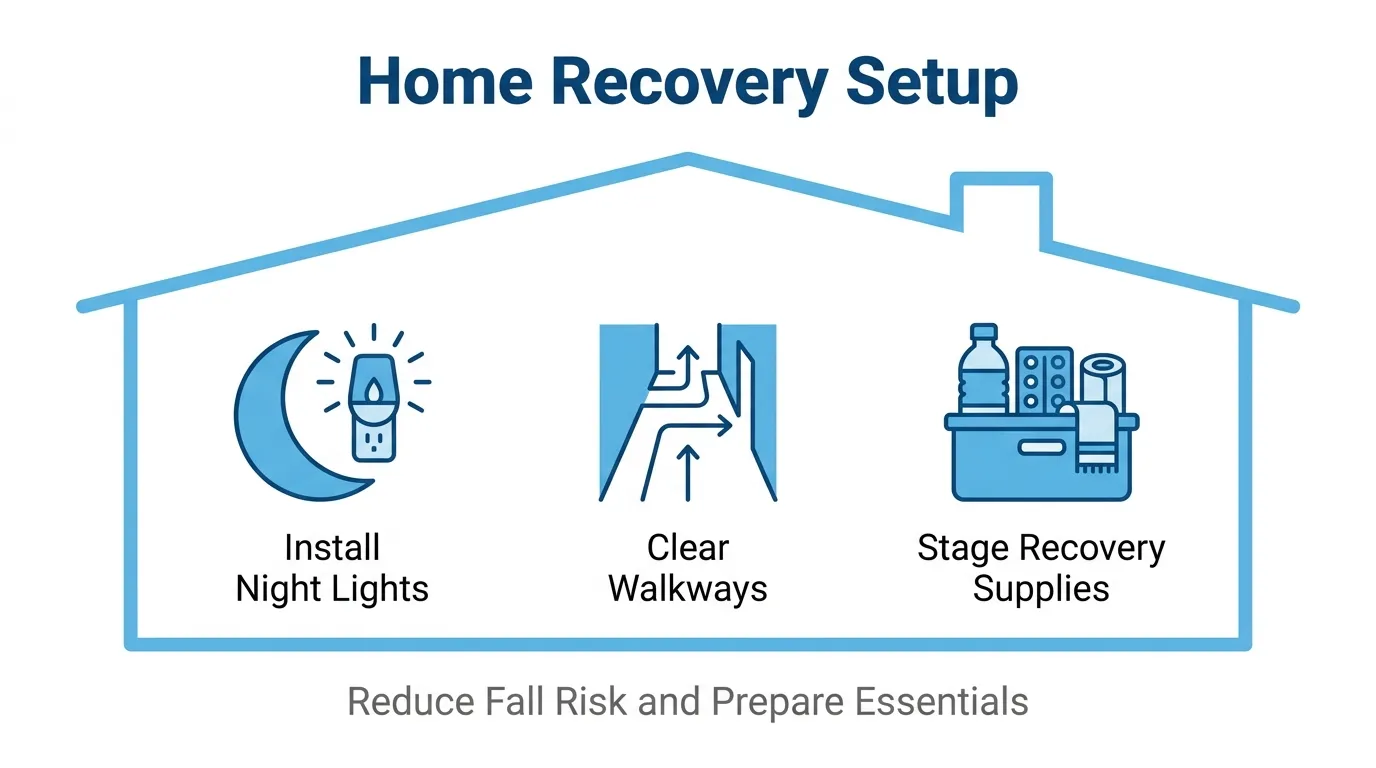
Clearing pathways is the most critical first step. Temporarily blurred or reduced vision after surgery makes familiar obstacles unexpectedly dangerous. According to an Allina Health patient education guide, home preparation for eye surgery recovery includes clearing pathways to eliminate clutter, installing nightlights in bathrooms and bedrooms, and moving low-height tables away from seating areas to prevent falls.
Beyond fall prevention, organize the items you will need during the first few days of recovery so they are accessible without bending or reaching overhead. Key preparations include:
- Placing prescribed eye drops, tissues, and your plastic eye shield on a bedside table or countertop at arm level.
- Setting up a comfortable recovery chair with pillows, blankets, and entertainment within reach.
- Stocking easy-to-prepare meals and snacks that require minimal cooking or sharp utensils.
- Pre-filling water bottles so you stay hydrated without navigating the kitchen frequently.
Completing these adjustments before surgery day removes unnecessary stress during a period when rest and compliance with post-operative care matter most. With your home recovery space ready, understanding possible risks of skipping pre-op steps reinforces why each preparation matters.
What Are the Possible Risks of Not Following Pre-Op Instructions?
The possible risks of not following pre-op instructions include surgical cancellation, increased complication rates, inaccurate diagnostic measurements, and slower recovery. These risks can compromise both the safety and effectiveness of the procedure.
Ignoring fasting guidelines before eye surgery under regional anesthesia, for example, may lead to postponement or cancellation. ISA fasting guidelines for elective cataract surgeries typically require withholding solid foods for 6 to 8 hours and clear liquids for 2 hours before the procedure, and arriving with food in the stomach can create aspiration risks during sedation.
Failing to disclose medications poses another serious concern. According to a review published by the NIH, decisions regarding discontinuation of anticoagulant medications prior to ophthalmic surgery must balance the risk of perioperative bleeding against the risk of a thromboembolic event. Patients who stop or continue blood thinners without surgical team guidance may face uncontrolled bleeding during the procedure or dangerous clotting events afterward.
Non-compliance with prescribed pre-operative eye drops can elevate infection risk and leave intraocular pressure uncontrolled. Poor compliance with drop regimens significantly increases the risk of preventable complications, such as endophthalmitis or uncontrolled intraocular pressure. Skipping antibiotic or anti-inflammatory drops before surgery removes a critical protective barrier.
Wearing cosmetics, lotions, or fragrances on the day of surgery introduces contaminants to the sterile surgical field. Contact lens wear too close to the procedure date can alter corneal shape, leading to inaccurate refractive measurements and suboptimal surgical planning.
Not arranging a responsible driver may also result in same-day cancellation, since sedative medications and blurred vision can impair the ability to drive for at least 24 hours post-procedure. Logistical oversight can be one of the most common yet entirely avoidable reasons patients face last-minute delays.
Each of these risks is preventable through careful adherence to your surgeon’s specific instructions. With mental and emotional readiness equally important, the next step involves preparing yourself psychologically for the procedure.
How Should You Prepare Mentally for Eye Surgery?
You should prepare mentally for eye surgery by managing pre-operative anxiety through education and by setting realistic expectations for surgical outcomes.
How Can You Manage Anxiety Before Eye Surgery?
You can manage anxiety before eye surgery by understanding what the procedure involves and recognizing that serious complications are uncommon. According to a study published in NIH PubMed Central, cataract surgery patients report the highest pre-operative anxiety about the operation itself (median 4 on an 11-point scale) and the fear of becoming blind (median 3.5).
Effective strategies for reducing pre-surgical anxiety include:
- Asking your surgeon to describe the visual sensations you may experience during the procedure, such as bright lights or color changes.
- Reviewing complication rate data with your ophthalmologist so abstract fears are replaced with concrete statistics.
- Practicing slow, controlled breathing techniques in the days leading up to surgery.
- Discussing sedation options with your care team if anxiety feels unmanageable.
Clear pre-operative communication from your surgical team can significantly lower anxiety levels. Patients who arrive on surgery day having already discussed what they will see, hear, and feel during the procedure are noticeably calmer, which contributes to smoother outcomes for everyone involved.
What Should You Realistically Expect From Eye Surgery Outcomes?
You should realistically expect eye surgery outcomes to be favorable for most patients, though individual results depend on the specific procedure, your eye health, and how closely you follow pre and post-operative instructions. A 2024 outcomes report from the John A. Moran Eye Center analyzing 4,919 cataract surgeries found that 98.86% of procedures were complication-free.
Key factors that shape realistic outcome expectations include:
- Visual improvement is typically gradual; full stabilization may take several weeks depending on the surgery type.
- Minor side effects such as dryness, light sensitivity, or mild discomfort are common in the early recovery period and usually resolve.
- Enhancement procedures or adjustments may be necessary in a small percentage of cases.
- Compliance with prescribed eye drop regimens and follow-up appointments directly influences final results.
No surgical procedure guarantees perfect vision. Setting expectations around probable outcomes rather than ideal ones helps patients feel satisfied with genuinely excellent results. With trustworthy patient education in place, the next step is organizing the practical details for surgery day.
What Should You Arrange for the Day of Eye Surgery?
You should arrange reliable transportation, plan to arrive early, and pack essential items. The following subsections cover each of these logistics in detail.
Do You Need Someone to Drive You Home After Eye Surgery?
Yes, you need someone to drive you home after eye surgery. A responsible adult must provide transportation because blurred vision and sedative medications can impair your ability to drive safely. According to Stanford Health Care’s Byers Eye Institute pre-op instructions, patients may be unable to drive for at least 24 hours following the procedure.
This requirement applies regardless of the type of eye surgery performed. Even procedures done under local anesthesia often involve pupil-dilating drops or mild sedation that temporarily affect visual clarity and reaction time. Your designated driver should also plan to stay at the surgical facility for the duration of your procedure, since discharge typically happens shortly after the surgery concludes. Arranging this transportation in advance eliminates unnecessary stress on the day itself.
How Early Should You Arrive for Your Eye Surgery Appointment?
You should arrive for your eye surgery appointment 30 to 60 minutes before your scheduled procedure time, though your surgical center may specify an exact arrival window. This buffer allows the clinical team to complete several essential pre-operative steps before you enter the operating room.
Tasks completed during this pre-surgery window typically include:
- Verifying your identity and confirming the correct eye for surgery.
- Administering pupil-dilating drops, which can take 20 to 30 minutes to reach full effect.
- Reviewing and signing informed consent documents.
- Recording baseline vital signs and answering any final questions.
Arriving late can delay the entire surgical schedule, so treating the arrival time as firmly as the surgery time itself is a practical habit that benefits both you and your care team.
What Should You Bring to Your Eye Surgery Appointment?
You should bring identification, insurance documentation, and a short list of practical comfort items. Having everything prepared the night before reduces morning stress.
Essential items to pack include:
- A valid photo ID and your insurance card.
- A complete list of current medications, including dosages.
- Your prescribed pre-operative eye drops, if applicable.
- Comfortable, loose-fitting clothing with a button-front or zip-up top to avoid pulling fabric over your eyes afterward.
- Sunglasses for light sensitivity during the ride home.
- A plastic eye shield, if one was provided at your pre-op visit.
Leave valuables, jewelry, and contact lenses at home. Most facilities also ask patients to skip makeup, perfume, and hair products on surgery day, since airborne particles can increase infection risk near the surgical site. With these day-of logistics handled, the next step is understanding how preparation differs depending on your specific procedure.
How Does Pre-Op Preparation Differ by Type of Eye Surgery?
Pre-op preparation differs by type of eye surgery based on the specific diagnostic tests, medication protocols, and post-operative positioning requirements each procedure demands. The following sections cover preparation for cataract, laser refractive, glaucoma, and retinal surgery.
How Do You Prepare for Cataract Surgery Specifically?
You prepare for cataract surgery specifically by completing ocular biometry, selecting an intraocular lens, optimizing the ocular surface, and following fasting and medication protocols set by your surgeon.
Ocular biometry measures axial length, corneal curvature, and anterior chamber depth to determine the correct IOL power. According to the American Society of Cataract and Refractive Surgery (ASCRS), a standardized perioperative assessment ensures accurate lens selection and identifies conditions that could affect visual outcomes.
Your ophthalmologist may also recommend optical coherence tomography (OCT) to screen for macular pathologies that might limit post-surgical visual improvement. Patients with visually significant cataracts are not candidates for laser corneal refractive procedures, making proper staging of these surgeries essential. Fasting guidelines, prescribed dilating drops, and antibiotic eye drops typically begin the day before surgery. Cataract surgery preparation is highly protocol-driven, largely because intraocular lens (IOL) selection is intended to be permanent, and later exchange can be more complex.
How Do You Prepare for Laser Refractive Surgery Specifically?
You prepare for laser refractive surgery like LASIK specifically by discontinuing contact lenses, confirming refractive stability, and undergoing corneal mapping to verify candidacy.
Soft contact lenses should be removed at least two weeks before the pre-operative evaluation; rigid gas permeable lenses may require a longer discontinuation period, as they can temporarily reshape the cornea and skew measurements. Corneal topography screens for irregular astigmatism and conditions such as keratoconus, which is an absolute contraindication for the procedure.
Your surgeon may also verify that sufficient corneal thickness exists for safe flap creation. Unlike cataract surgery, laser refractive surgeries like LASIK require no fasting, no IOL selection, and no sedation in most cases. The preparation timeline tends to be shorter, though the candidacy screening is arguably more selective. Patients should arrange preservative-free lubricating drops in advance, as temporary dry eye is common in the early recovery period.
How Do You Prepare for Glaucoma Surgery Specifically?
You prepare for glaucoma surgery specifically by establishing a target intraocular pressure (IOP) with your ophthalmologist, reviewing current glaucoma medications, and discussing whether a traditional or minimally invasive approach is most appropriate.
According to an American Academy of Ophthalmology clinical statement, Minimally Invasive Glaucoma Surgery (MIGS) offers a more favorable safety profile compared to traditional trabeculectomy, though it may be less effective in patients requiring very low target IOPs. This distinction directly shapes preparation: trabeculectomy candidates may need to stop certain anti-inflammatory medications well in advance, while MIGS patients often continue most drops until the day of surgery.
Your surgeon will likely review baseline visual field tests and optic nerve imaging to confirm surgical timing. Glaucoma preparation is unique because it centers on pressure management goals rather than refractive outcomes, making the pre-op medication review especially critical.
How Do You Prepare for Retinal Surgery Specifically?
You prepare for retinal surgery specifically by completing specialized imaging, discussing anesthesia options, and planning for post-operative positioning requirements that are unique to this procedure type.
When the retinal view is obscured by dense cataracts or vitreous hemorrhage, B-scan ultrasonography is used to assess retinal status before surgery. While most commonly associated with posterior segment evaluation, it is used selectively across ophthalmic procedures when media opacity limits direct visualization.
Retinal detachment repair using gas or silicone oil tamponade may require face-down positioning for several days after surgery. Patients should prepare positioning equipment, such as a face-down support pillow, and arrange extended time off work before the procedure. General or regional anesthesia is more common with retinal surgery than with cataract or laser refractive procedures, so fasting protocols and anesthesia consultations are typically more involved. In clinical practice, retinal surgery demands the most extensive home preparation of any eye procedure.
Understanding these surgery-specific protocols helps patients work confidently with their surgical team to plan each step.
How Can Trustworthy Patient Education Help You Prepare for Eye Surgery?
Trustworthy patient education can help you prepare for eye surgery by turning complex clinical information into clear, actionable guidance. The sections below explore how surgeon-reviewed resources build confidence and summarize the key preparation takeaways.
Can Eye Surgery Today’s Surgeon-Reviewed Guides Help You Feel Confident Before Your Procedure?
Yes, Eye Surgery Today’s surgeon-reviewed guides can help you feel confident before your procedure by providing clinically accurate, easy-to-understand information written by practicing ophthalmologists. When patients understand what to expect from diagnostic tests, medication adjustments, and recovery timelines, uncertainty diminishes and confidence grows.
Eye Surgery Today translates complex surgical concepts into patient-friendly language without sacrificing medical accuracy. Each guide is reviewed by nationally recognized key opinion leaders in ophthalmology, ensuring the content reflects current evidence-based practice. According to the American Academy of Ophthalmology, patients undergoing corneal refractive surgery should have a stable refraction for at least one year prior to the procedure. Knowing criteria like these ahead of time helps patients engage in more productive conversations with their surgeons.
Access to reliable education before surgery reduces the likelihood of misunderstanding pre-op instructions or candidacy requirements. For most patients, the difference between feeling anxious and feeling prepared comes down to the quality of information they receive beforehand.
What Are the Key Takeaways About Preparing for Eye Surgery?
The key takeaways about preparing for eye surgery are:
- Attend a thorough pre-op consultation that includes diagnostic tests, a full medical history review, and an open discussion of your questions.
- Disclose all medications, supplements, and pre-existing conditions to your surgeon well in advance.
- Follow fasting guidelines, eye drop prescriptions, and medication adjustments exactly as instructed.
- Prepare your home for recovery by clearing walkways, setting up prescribed supplies, and arranging adequate lighting.
- Secure a responsible adult to drive you home, since blurred vision and sedation may impair your ability to drive for at least 24 hours.
- Manage pre-surgery anxiety by reviewing procedure-specific expectations and understanding that complication rates for common procedures like cataract surgery are very low.
- Recognize that preparation differs by surgery type; cataract, laser refractive, glaucoma, and retinal procedures each carry unique pre-op requirements.
Thorough preparation, guided by trustworthy surgeon-reviewed education, is the most reliable path to a smooth surgical experience and optimal visual outcomes.