Driving after cataract surgery is not permitted on the day of the procedure, and most patients require surgeon clearance within a few days to two weeks before safely returning to the road.
This guide covers post-surgical driving timelines, legal vision requirements, the physiological reasons behind immediate driving restrictions, individual factors that affect recovery speed, and how to prepare for a safe return to driving.
Most patients cannot drive the same day due to dilated pupils, light sensitivity, and residual sedation. Some may receive clearance as early as the next day following a post-operative assessment, though night driving typically requires a longer recovery window as glare and contrast sensitivity issues may persist well beyond initial healing.
Legal visual acuity thresholds vary by country; in the United States, most states require a best corrected acuity of 20/40 in the better eye, while Australia and the United Kingdom apply their own distinct standards. Meeting acuity requirements alone may not confirm driving fitness, as disability glare and reduced contrast sensitivity can impair road safety even when standard vision tests are passed.
Recovery timelines are shaped by whether one or both eyes were treated, the type of intraocular lens implanted, and any pre-existing conditions such as diabetic retinopathy or glaucoma. Multifocal IOLs may extend the neurological adaptation period compared to monofocal lenses, and bilateral surgery tends to produce greater overall improvements in driving safety.
Your surgeon’s post-operative evaluation remains the definitive checkpoint. Confirming visual stability, arranging transport for surgery day, and starting with short daytime drives after clearance are practical steps that support a safe transition back behind the wheel.
How Soon After Cataract Surgery Can You Drive?
You cannot drive on the day of cataract surgery, and most patients need at least 24 hours before their surgeon can assess driving readiness. The following sections cover same-day restrictions, next-day expectations, and the longer timeline for safe night driving.
Can You Drive the Same Day as Cataract Surgery?
No, you cannot drive the same day as cataract surgery. The NHS advises that while you should be able to walk safely and manage stairs, driving yourself home after the procedure is not permitted. Dilated pupils, residual sedation, and the eye’s early healing state all make driving unsafe within those first hours. According to a 2018 audit published in BMJ Open, intraoperative complications occur in 3.2% of cataract procedures, with posterior capsular rupture being the most common, meaning same-day visual stability cannot be assumed. You will need to arrange a responsible adult to take you home.
Can You Drive the Day After Cataract Surgery?
Driving the day after cataract surgery may be possible for some patients, but only after a confirmed post-operative assessment from your surgeon. Research published in Frontiers in Neuroscience found significantly increased visual cortex activity one week after surgery in monofocal IOL patients, suggesting the brain is still adapting during this early period. Light sensitivity is also variable: in a study of 71 patients, photophobia scores decreased in 27 cases but increased in 3 and remained unchanged in 41. Patients with diabetes should be particularly cautious, as a meta-analysis found diabetic retinopathy progresses with a relative risk of 1.46 in the four months following surgery. Longer-term data from the British Journal of Ophthalmology found that 63% of licensed patients were still active drivers five years post-surgery, reflecting strong durable outcomes for most.
When Can You Drive at Night After Cataract Surgery?
Night driving after cataract surgery requires more time than daytime driving clearance. According to research published in NIH Clinical Ophthalmology, difficulties with nighttime driving become more pronounced in the years following surgery and increase significantly over time, though patients still report better subjective night driving ability compared to before their procedure. Glare from oncoming headlights, halos, and reduced contrast sensitivity are common early concerns that typically improve but may persist depending on the IOL type and individual healing. Most surgeons recommend waiting until your operated eye has stabilised and night-specific visual function has been assessed before resuming after-dark driving.
What Vision Requirements Must You Meet to Drive After Cataract Surgery?
Vision requirements for driving after cataract surgery vary by country, but all jurisdictions set minimum thresholds for visual acuity. The following sections cover acuity standards, contrast sensitivity, and persistent blurry vision.
What Visual Acuity Do You Need to Drive Legally?
The visual acuity you need to drive legally depends on your country’s licensing standards. Requirements differ significantly across jurisdictions:
- United States: According to the AMA Journal of Ethics, all states require minimum vision testing, and all but 3 set the minimum best corrected visual acuity (BCVA) at 20/40 in the better eye.
- United Kingdom: For lorry and bus drivers, GOV.UK standards require at least 0.8 (6/7.5) on the Snellen scale in the best eye and at least 0.1 (6/60) in the other eye.
- Australia: According to Austroads, a person is not fit to hold an unconditional licence if uncorrected visual acuity in the better eye is worse than 6/12.
Meeting the acuity threshold alone may not be sufficient. Research published in Cataract and Refractive Surgery Today found that among 97 cataract patients who met European visual acuity driving standards, 78% had disability glare and 31% failed contrast sensitivity criteria, making them unfit to drive.
How Does Contrast Sensitivity Affect Driving Readiness?
Contrast sensitivity affects driving readiness by determining how well you distinguish objects from their backgrounds, especially in low-light or glare conditions. A patient can pass a standard Snellen acuity test while still struggling to detect pedestrians at dusk, read faded road markings, or react to hazards in rain. The research above illustrates this clearly: nearly one-third of patients meeting acuity standards would fail on contrast sensitivity grounds alone. Formal acuity measurements capture sharpness but miss this functional dimension entirely, which is why many surgeons assess contrast sensitivity as a separate criterion before clearing patients to drive.
What If You Still Have Blurry Vision Days After Surgery?
If you still have blurry vision days after surgery, you should not drive until your surgeon confirms your vision meets the legal standard for your jurisdiction. Residual blurriness in the first several days is common, as the eye is still healing and visual stabilization takes time. Driving with substandard vision is both a legal and safety risk. Your surgeon will assess acuity and clarity at your post-operative appointment before issuing any clearance to resume driving.
Why Is Driving Restricted Immediately After Cataract Surgery?
Driving is restricted immediately after cataract surgery because three overlapping physiological effects, including pupil dilation, light sensitivity, and residual sedation, temporarily impair the vision and alertness required to operate a vehicle safely.
How Do Dilating Eye Drops Affect Your Ability to Drive?
Dilating eye drops affect your ability to drive by enlarging the pupil and temporarily disabling its ability to regulate incoming light, which causes severe blurring of both near and distant objects. With pupils fixed in a dilated state, the eye cannot adapt to changing light conditions, making it impossible to judge distances, read road signs, or respond to oncoming headlights. According to Dr. Oracle AI, pupils typically return to normal 3 to 8 hours after pharmacologic dilation, though this can extend beyond 7 hours depending on the drop type, eye color, age, and individual response. For most patients, this window alone rules out driving for the remainder of the day of surgery.
How Does Light Sensitivity Impair Driving After Surgery?
Light sensitivity impairs driving after surgery by causing pain, involuntary squinting, and visual distortion when the eye is exposed to bright or glare-producing light sources such as sunlight, headlights, and traffic signals. This response, known as photophobia, is a recognized post-operative effect. A study published in NIH PMC found that out of 71 participants, photophobia scores increased in 3 cases, remained stable in 41, and decreased in 27 following cataract surgery, indicating that light sensitivity varies considerably between patients. Until photophobia resolves, glare from road surfaces and oncoming vehicles poses a genuine safety hazard.
How Can Residual Sedation Make Driving Unsafe?
Residual sedation can make driving unsafe by slowing reaction time, impairing judgment, and reducing the ability to maintain focused visual attention on the road. Cataract surgery is commonly performed under local anesthesia combined with intravenous sedation, and the effects of sedating agents can persist for several hours after the procedure ends. Even patients who feel mentally alert after surgery may experience subtle cognitive slowing that is not immediately obvious to them. The NHS advises that patients should not drive themselves home after cataract surgery, reinforcing that sedation-related impairment is a recognized and preventable risk.
What Factors May Influence How Quickly You Can Drive Again?
Several factors may influence how quickly you can drive again after cataract surgery, including whether one or both eyes were treated, any pre-existing eye conditions, the type of intraocular lens implanted, and your individual healing rate. Each of these variables can shorten or extend the time before your surgeon grants driving clearance.
How Does Having Surgery on One Eye Versus Both Eyes Matter?
Having surgery on one eye versus both eyes matters because binocular vision, depth perception, and visual balance are disrupted differently in each case. When only one eye is treated, the brain must reconcile differing image quality between the operated and unoperated eye, which can temporarily impair spatial judgment needed for safe driving. When both eyes are treated in staged procedures, the second surgery often produces a more dramatic improvement in driving safety. According to a study published in the Journal of Safety Research, crash and near-crash rates decreased by 36% after first-eye cataract surgery and by 47% after second-eye surgery, compared to pre-surgery rates.
How May Pre-Existing Eye Conditions Delay Driving Clearance?
Pre-existing eye conditions may delay driving clearance by complicating the healing process or limiting the visual improvement achievable after surgery. Conditions such as diabetic retinopathy, glaucoma, and macular degeneration can independently impair visual acuity, contrast sensitivity, and glare tolerance, all of which affect driving readiness. A meta-analysis cited by Renal and Urology News found that diabetic retinopathy may progress more severely after cataract surgery, with a relative risk of 1.46, particularly in the four months following the procedure. Patients with such conditions may require additional follow-up before their surgeon considers them safe to drive.
Does the Type of Intraocular Lens Implanted Affect Recovery?
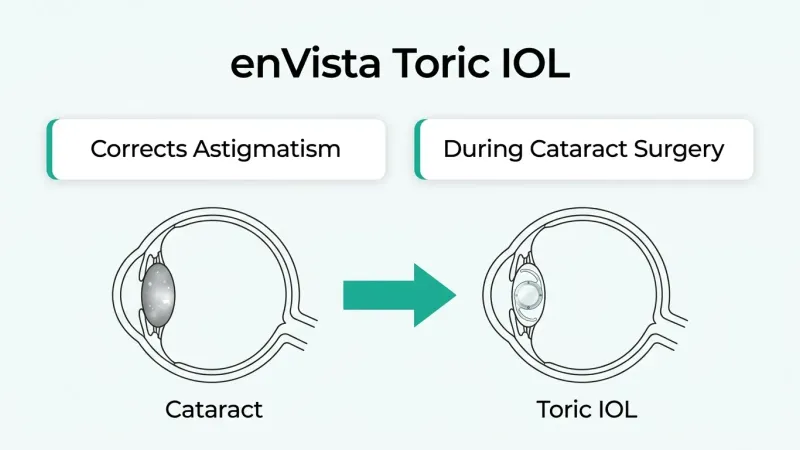
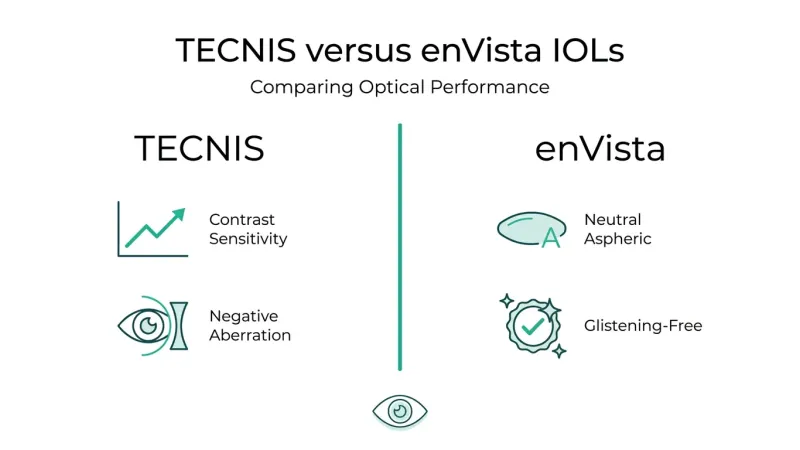
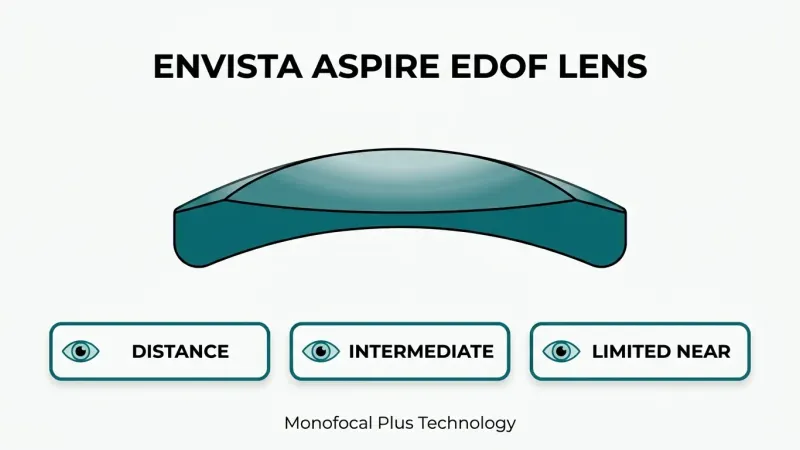
The type of intraocular lens implanted can affect recovery by influencing how quickly the brain adapts to the new optical system. Monofocal IOLs typically require a shorter neurological adjustment period, while multifocal IOLs may produce temporary visual disturbances that extend the adaptation window. Research published in BMC Ophthalmology found that patients with rapid brain adaptation following multifocal IOL implantation completed a cognitive processing test in approximately 256 seconds, compared to 346 seconds in those with persistent visual disturbance, suggesting meaningful variation in early functional recovery.
How Does Your Overall Healing Rate Influence the Timeline?
Your overall healing rate influences the driving timeline because tissue recovery at the incision site and internal ocular structures varies significantly between individuals. Factors such as age, immune function, pre-operative corneal health, and surgical complexity all affect how quickly adequate visual clarity returns. According to the American Academy of Ophthalmology, while the small incision begins to close within the first 24 hours, the smooth barrier beneath the eye’s surface can take several more weeks to fully heal. Patients who heal more slowly may continue to experience fluctuating vision or discomfort that makes driving unsafe beyond the typical clearance window.
With healing rate and lens type both shaping your individual timeline, your surgeon’s post-operative evaluation remains the definitive measure of readiness.
What Does Your Surgeon’s Post-Operative Evaluation Involve?
Your surgeon’s post-operative evaluation involves a structured series of checks designed to confirm your eye is healing correctly and to determine when your vision meets the standard required for safe driving. These assessments typically cover visual acuity, intraocular pressure, wound integrity, and the clarity of your new lens implant.
What Are the Potential Risks of Driving Too Soon After Cataract Surgery?
The potential risks of driving too soon after cataract surgery include impaired visual function, compromised reaction time, and physical strain on healing eye tissue. The sections below cover the specific visual disturbances that make early driving dangerous and the ways premature driving may set back surgical recovery.
What Visual Disturbances Could Impair Your Driving?
The visual disturbances that could impair your driving include blurred vision, disability glare, halos, and reduced contrast sensitivity. These are not merely inconvenient; they directly compromise the ability to judge distances, read road signs, and react to sudden hazards.
Glare is a particularly serious concern. According to a study published in Cataract & Refractive Surgery Today, among 97 subjects with cataracts who maintained visual acuity above European driving standards, 78% had disability glare that made them unfit to drive, and 31% would be considered unfit based on contrast sensitivity alone. Passing a basic vision test does not confirm driving fitness in the early post-operative period. Until a surgeon clears you, visual disturbances may remain significant enough to constitute a genuine road safety risk.
Could Driving Too Early Affect Your Surgical Recovery?
Driving too early could affect your surgical recovery by exposing the healing eye to physical strain, bright oncoming light, and reflexive squinting that increases intraocular pressure. The small incision made during cataract surgery begins closing within the first 24 hours, but according to the American Academy of Ophthalmology, the smooth barrier beneath the eye’s surface can take several more weeks to fully heal.
Premature physical stress, including sustained visual effort and rapid eye movements required while driving, may interfere with this process. Prioritizing rest and avoiding demanding visual tasks during the early recovery window supports optimal healing and reduces the likelihood of complications that could extend the recovery timeline.
How Does Driving Differ After Cataract Surgery on Your Second Eye?
Driving after cataract surgery on your second eye differs from after the first because bilateral visual restoration produces measurably greater safety gains. According to a study published in the Journal of Safety Research, crash and near-crash rates decreased by 36% after first-eye cataract surgery and by 47% after second-eye surgery, compared to pre-surgical baseline. The additional improvement after the second procedure reflects restored binocular depth perception, better contrast sensitivity across both eyes, and more balanced visual field coverage. For most patients, the second eye recovery follows the same timeline and restrictions as the first, so arranging a driver for the day of surgery remains essential. The cumulative vision benefit, however, makes completing both procedures one of the most impactful steps a patient can take to reduce driving-related risk.
What Steps Can You Take to Prepare for Driving Again Safely?
The steps you can take to prepare for driving again safely include arranging transport home, attending your post-operative evaluation, confirming your vision meets legal standards, and starting with short, low-risk daytime drives before gradually resuming normal driving.
Arrange Transport Before Your Surgery Date
Arranging a ride home before your surgery date is one of the most important preparation steps. You should not drive yourself home after cataract surgery, according to the National Health Service (NHS). Plan for a trusted person to collect you, or book a taxi or rideshare service in advance. Having this confirmed before your appointment removes a common source of post-operative stress and prevents the temptation to drive before your eyes have stabilised.
Confirm Your Surgeon Has Cleared You to Drive
Before getting back behind the wheel, confirm your surgeon has reviewed your visual recovery and formally cleared you to drive. Your ophthalmologist will assess visual acuity, contrast sensitivity, and any persistent glare or distortion at your follow-up appointment. Driving before receiving explicit clearance, even if vision feels improved, carries real legal and safety risk. Most surgeons issue clearance within a few days to two weeks, depending on individual recovery.
Start With Short Daytime Drives in Familiar Areas
Once cleared, starting with short daytime drives in familiar, low-traffic areas is the safest way to rebuild driving confidence after cataract surgery. Avoid motorways, night driving, and adverse weather conditions initially. This gradual reintroduction helps you assess how your vision performs under real driving conditions before resuming a full routine.
How Can Surgeon-Reviewed Guidance Help You Plan Recovery?
Surgeon-reviewed guidance helps you plan recovery by translating clinical evidence into clear, actionable information tailored to cataract surgery patients. The following sections cover how Eye Surgery Today supports your lens and timeline decisions, and the key takeaways to carry forward.
Can Eye Surgery Today Help You Understand Your Lens Options and Recovery Timeline?
Yes, Eye Surgery Today can help you understand your lens options and recovery timeline through surgeon-reviewed educational content designed specifically for cataract surgery patients. The platform covers intraocular lens (IOL) types, post-operative expectations, and driving readiness in plain language, without medical jargon. Recovery timelines vary depending on IOL type, individual healing rate, and pre-existing eye conditions, so having a reliable educational resource alongside your surgeon’s instructions is genuinely valuable. Eye Surgery Today’s content is continuously updated to reflect current clinical evidence, giving patients a trustworthy foundation for informed decision-making.
What Are the Key Takeaways About Driving After Cataract Surgery?
The key takeaways about driving after cataract surgery are centered on safety, legal clearance, and following your surgeon’s guidance before returning to the road. According to the American Academy of Ophthalmology, the eye’s surface begins sealing within 24 hours, but the deeper barrier layer may take several more weeks to fully heal, making early driving genuinely risky. The most important points are:
- Do not drive yourself home on the day of surgery under any circumstances.
- Wait for explicit clearance from your surgeon before resuming driving.
- Confirm you meet your jurisdiction’s minimum visual acuity standards.
- Be aware that glare, contrast sensitivity changes, and light sensitivity may persist beyond initial healing.
- Night driving concerns may linger longer than daytime driving readiness.
Recovery is not one-size-fits-all, and the safest approach is to treat your surgeon’s post-operative evaluation as the definitive milestone before resuming driving.