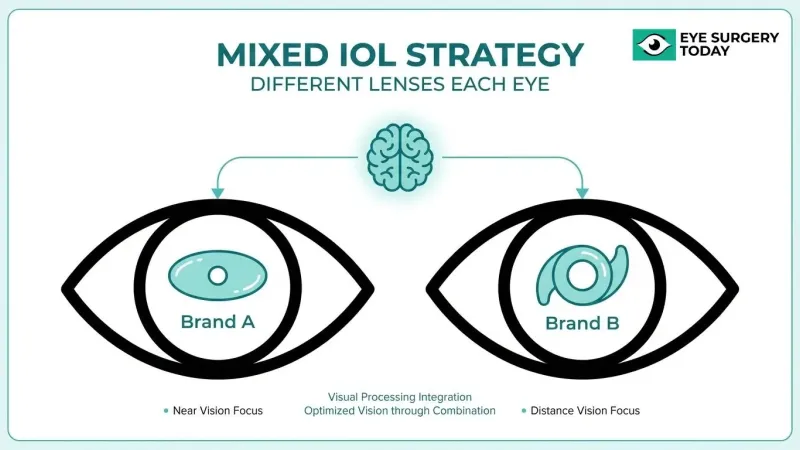
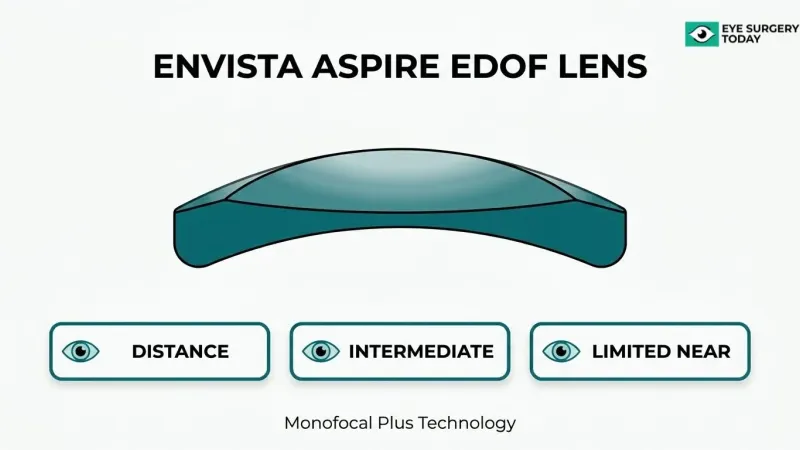
One key consideration in cataract surgery planning is whether you value crisp vision in bright, daytime conditions or at night (low-light) more – because certain lens choices involve trade-offs. For example, some premium lenses (like multifocals) give you a range of vision but can produce halos or mild glare around lights at night.
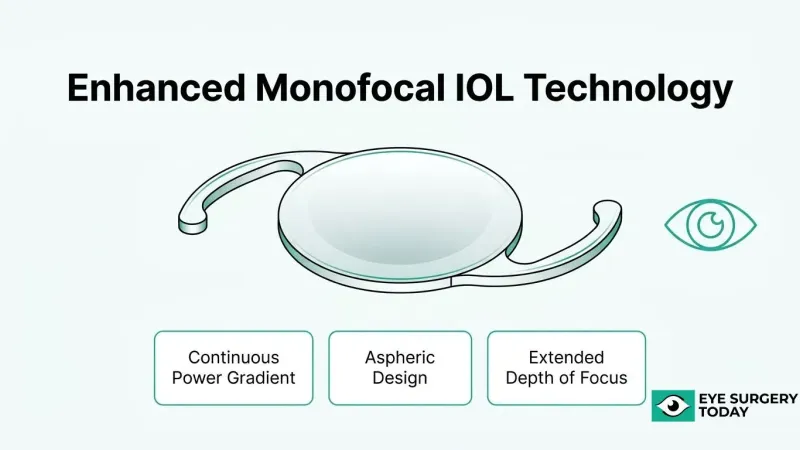
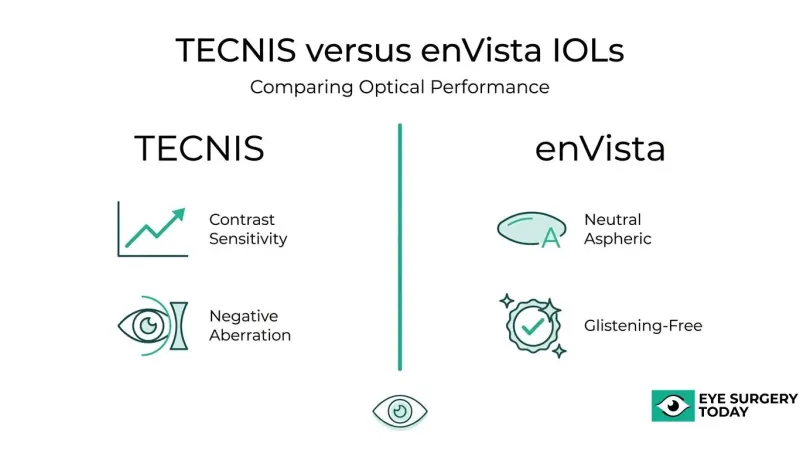
If you do a lot of night driving and that idea bothers you, you might lean toward a monofocal lens, which generally gives the sharpest, high-contrast vision with minimal night artifacts (perfect for night clarity). Conversely, if you rarely drive at night or don’t mind slight halos, and you’d love to reduce dependency on reading glasses in the day, a multifocal or extended-depth-of-focus lens could be a good trade-off.
It’s a personal balance and there is no one perfect lens for every patient. Some patients who are easygoing adapt very quickly to the halo effects and don’t notice them without prompting within a month or two. Other patients who are more perfectionistic (like doctors, dentists and engineers) tend to focus on the imperfection of the halos rather than the benefit of the increased range of vision.
Your personality and your vision needs are unique to you. Discussing your typical day and night activities with your surgeon will help tailor the choice to your needs.