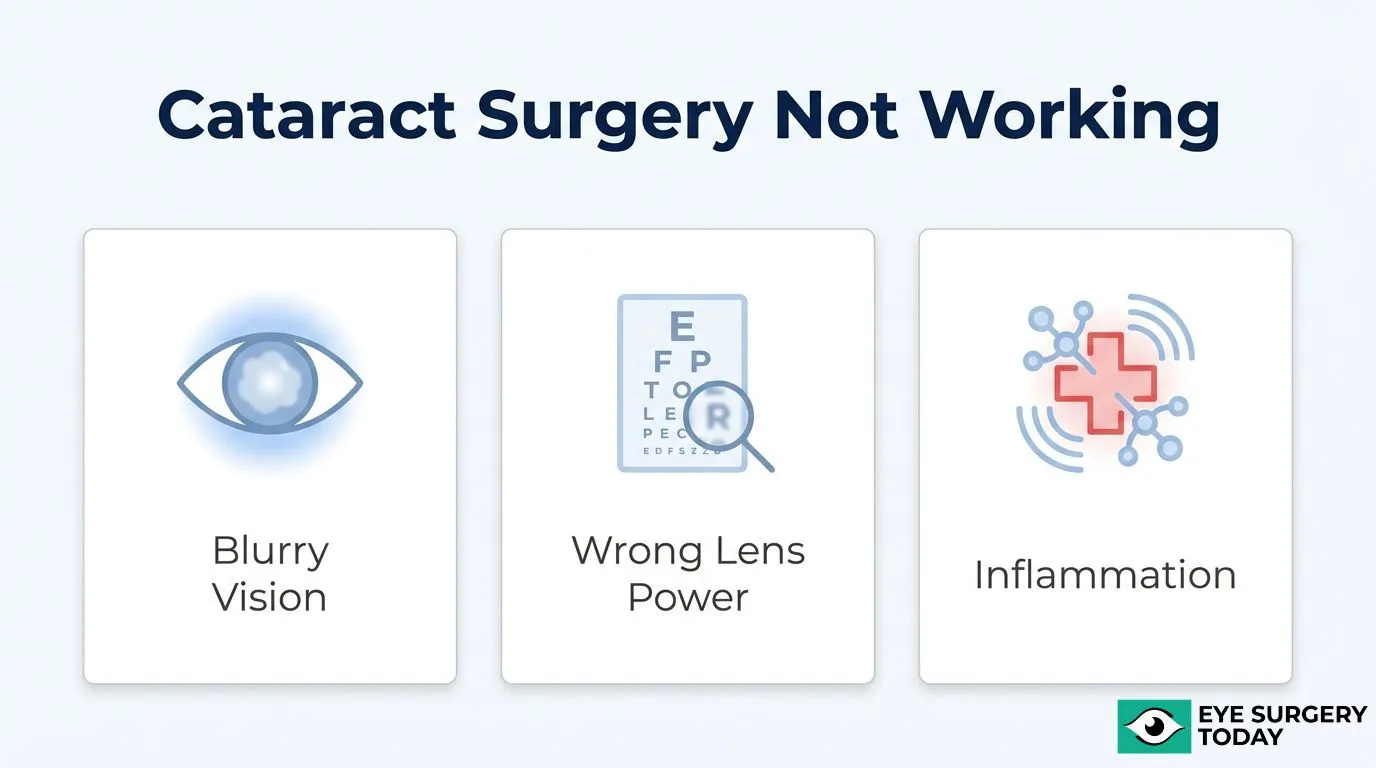
Cataract surgery not working means the procedure did not restore vision to the expected level, resulting in persistent blurriness, visual disturbances, or new complications that require further evaluation. Most cases of dissatisfaction stem from treatable postoperative conditions rather than true surgical failure.
This guide covers common complications and their causes, symptoms that signal a problem, risk factors for poor outcomes, corrective solutions, and prevention strategies.
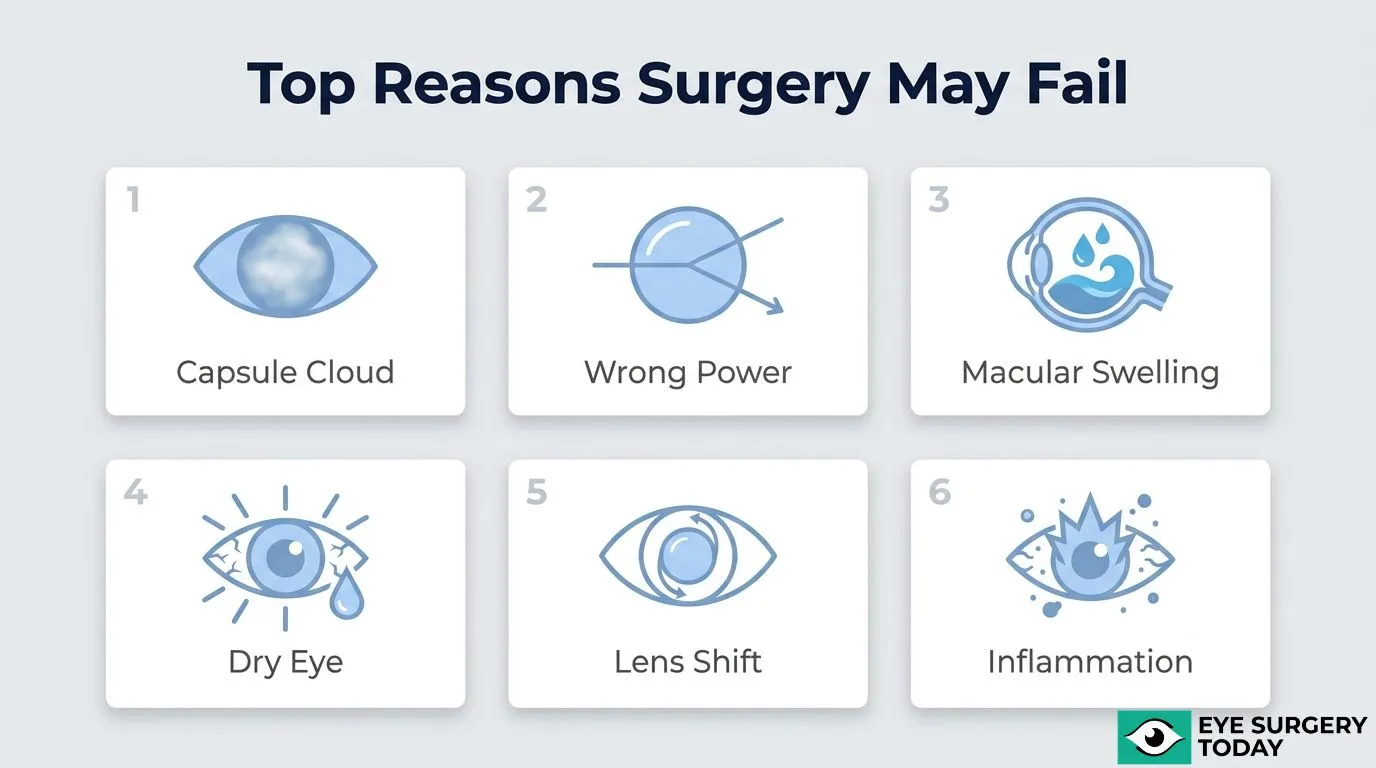
Posterior capsule opacification, residual refractive error, cystoid macular edema, dry eye syndrome, lens dislocation, and chronic inflammation are among the most frequently identified reasons vision may not improve as expected. Each complication has a distinct timeline and mechanism, and understanding the difference between normal healing and a developing problem is essential for knowing when to act.
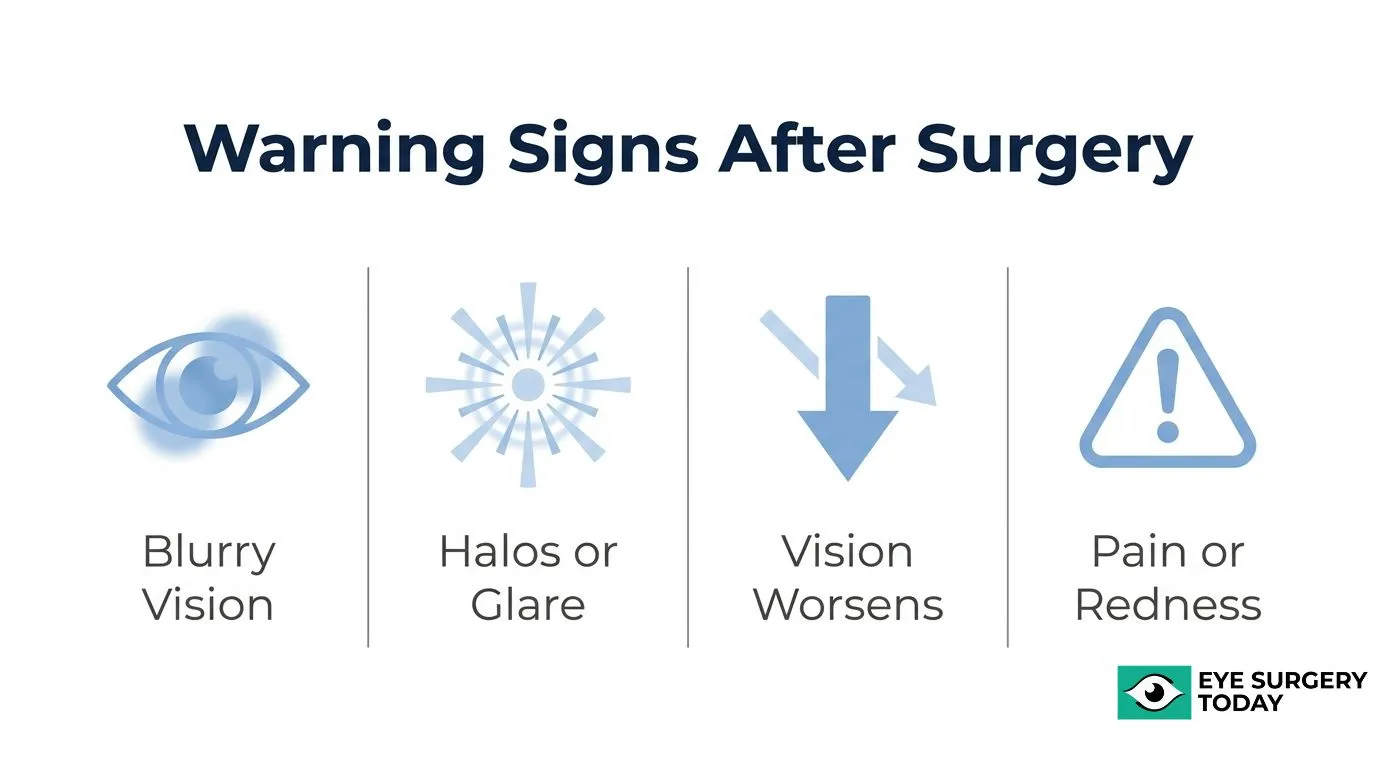
Symptoms such as persistent blurriness beyond six to eight weeks, new halos or glare, vision that declines after initial improvement, and unexplained pain or redness can each point to specific underlying conditions. Recognizing these patterns early may help patients seek timely evaluation before complications become harder to treat.
Pre-existing conditions like diabetes, glaucoma, high myopia, and macular disease can elevate surgical risk and limit visual gains. Patients with these conditions may benefit from closer monitoring and more detailed preoperative planning to set realistic expectations.
Corrective options range from YAG laser capsulotomy for capsule clouding to lens exchange for incorrect IOL power, LASIK enhancement for residual refractive error, and anti-inflammatory therapy for macular edema. Proactive prevention through ocular surface optimization, accurate biometry, and thorough IOL selection can also reduce the likelihood of unsatisfactory results.
What Does It Mean When Cataract Surgery Is Not Working?
Cataract surgery not working means the procedure did not restore vision to the expected level, resulting in persistent blurriness, visual disturbances, or new complications that require further evaluation. The reasons range from treatable secondary conditions to pre-existing eye diseases that limit surgical outcomes.
It is important to distinguish between true surgical failure and the normal healing timeline. Not every case of underwhelming results indicates something went wrong during the operation itself. In many instances, a correctable postoperative condition, rather than a technical error, is responsible for the dissatisfaction.
The World Health Organization classifies cataract surgery outcomes into three tiers: a good outcome is a best-corrected visual acuity (BCVA) of 6/6 to 6/18, a borderline outcome falls between less than 6/18 and 6/60, and a poor outcome is less than 6/60. According to a 2025 assessment of 341 cataract surgeries published in Frontiers in Ophthalmology, 74.2% of cases achieved a good outcome, while 12.6% were classified as poor by WHO standards.
Clinical failure may also be defined by serious intraoperative adverse events, such as posterior capsule rupture, dropped nucleus, zonular dialysis, or intraocular lens damage. However, suboptimal vision after surgery more commonly stems from postoperative complications like posterior capsule opacification, residual refractive error, cystoid macular edema, or dry eye disease.
For patients whose results fall short of expectations, understanding whether the issue is a normal part of recovery or a sign of a specific complication is the essential first step. Most causes of unsatisfactory cataract surgery outcomes have well-established corrective solutions when identified early.
What Are the Common Reasons Cataract Surgery May Not Work?
The common reasons cataract surgery may not work include posterior capsule opacification, residual refractive error, cystoid macular edema, pre-existing eye diseases, dry eye syndrome, incorrect lens power, lens dislocation, chronic inflammation, corneal edema, and undiagnosed glaucoma.
Posterior Capsule Opacification (Secondary Cataract)
Posterior capsule opacification (PCO) is the most common long-term complication of cataract surgery. Sometimes called a “secondary cataract,” PCO occurs when residual lens epithelial cells proliferate across the posterior capsule behind the intraocular lens (IOL), gradually clouding vision months or years after an otherwise successful procedure. According to a report in Frontiers in Medicine, PCO affects up to 20% of patients within five years of surgery. Because the clouding develops slowly, many patients initially mistake it for their original cataract returning. YAG laser capsulotomy is the standard outpatient treatment for visually significant PCO; the Nd:YAG laser creates a small opening in the opacified capsule, restoring clear vision in minutes. Identifying PCO early remains one of the most straightforward corrective pathways in postoperative cataract care.
Residual Refractive Error After Surgery
Residual refractive error after surgery, also known as pseudophakic ametropia, occurs when the implanted IOL does not fully correct the patient’s vision to the intended target. Biometry miscalculations, unexpected corneal changes, or atypical lens positioning can all contribute. Patients may notice persistent blurriness for distance or near tasks despite successful cataract removal. Corrective options include updated glasses, contact lenses, or refractive procedures such as LASIK. In practice, even small deviations from the target refraction can meaningfully affect daily activities, which is why precise preoperative measurements remain critical.
Cystoid Macular Edema
Cystoid macular edema (CME), often called pseudophakic cystoid macular edema (PCME), is fluid accumulation in the macula triggered by postoperative inflammation. According to a systematic review and meta-analysis published in Cureus, PCME has a cumulative incidence of approximately 5% following simple cataract surgery. Symptoms typically appear around six weeks after the procedure, when inflammation disrupts the blood-retina barrier and causes central vision to blur or distort. Anti-inflammatory eye drops, including NSAIDs and corticosteroids, are the first-line treatment. Most cases resolve with prompt medical management, though delayed diagnosis can lead to prolonged visual impairment.
Pre-Existing Macular Degeneration
Pre-existing macular degeneration can limit visual improvement after cataract surgery because the macula is already compromised before the procedure begins. While removing the clouded lens improves light transmission, it cannot restore retinal tissue damaged by age-related macular degeneration (AMD). Patients with AMD may notice better peripheral clarity yet limited central vision gains. A thorough retinal evaluation before surgery helps set realistic expectations, and ongoing AMD management with anti-VEGF therapy or nutritional supplements may still be necessary afterward. Surgeons who identify macular disease preoperatively can counsel patients more accurately on likely outcomes.
Diabetic Retinopathy Complications
Diabetic retinopathy complications can reduce the visual benefits of cataract surgery because the retinal vasculature is already vulnerable in patients with diabetes. According to research published in Ophthalmology (AAO Journal), routine cataract surgery in patients with nonproliferative diabetic retinopathy (NPDR) is associated with an elevated risk of progression to proliferative diabetic retinopathy (PDR) within one year. Postoperative inflammation may accelerate macular edema or trigger new vessel growth. Close coordination between the cataract surgeon and a retina specialist before and after the procedure can help manage these risks effectively.
Dry Eye Syndrome After Cataract Surgery
Dry eye syndrome after cataract surgery is a frequent source of visual dissatisfaction, even when the IOL and retina are functioning well. Phacoemulsification and the corneal incision can disrupt the tear film and damage corneal nerves, worsening symptoms in patients who may already have underlying ocular surface disease. Visual sharpness typically stabilizes within the first two weeks, though minor blurriness may persist for six to eight weeks until full clarity is achieved. Artificial tears, punctal plugs, and anti-inflammatory drops are common treatments. Addressing dry eye before and after surgery is often underestimated but can significantly influence perceived surgical success.
Incorrect Intraocular Lens Power
Incorrect intraocular lens power is one of the most frustrating postoperative issues because the cataract itself was successfully removed, yet vision remains unsatisfactory. This “refractive surprise” typically stems from inaccurate preoperative biometry, unusual corneal curvature, or prior refractive surgery that complicates IOL power calculations. Patients may experience dependence on thick glasses for basic tasks. Corrective options include a lens exchange procedure, piggyback IOL implantation, or LASIK enhancement. Modern formulas and optical biometry devices have reduced this risk, yet it remains a possibility that warrants thorough preoperative planning.
Intraocular Lens Dislocation or Decentration
Intraocular lens dislocation or decentration occurs when the implanted IOL shifts from its intended position inside the capsular bag. According to a study published in the Journal of Clinical Medicine, the overall incidence of IOL dislocation over a 10 to 25-year period ranges from 0.1% to 3%. High myopia and previous vitrectomy are identified as significant risk factors for late-onset dislocation. Symptoms include sudden blurred vision, double vision, or visible lens edge glare. Surgical repositioning or IOL exchange can restore proper alignment. Because late-onset cases account for the vast majority of dislocations, long-term follow-up after cataract surgery remains important.
Chronic Postoperative Inflammation
Chronic postoperative inflammation is persistent or recurrent intraocular inflammation that continues beyond the normal healing window after cataract surgery. When the blood-aqueous barrier fails to fully recover, ongoing inflammatory mediators can trigger secondary complications. PCME, for example, typically presents around six weeks postoperatively and is driven by this inflammatory cascade. Extended courses of topical corticosteroids or NSAIDs are the primary treatment approach. In rare cases, the IOL material itself may provoke a chronic inflammatory response, requiring lens exchange. Early recognition of lingering redness, light sensitivity, or declining vision is essential for preventing irreversible damage.
Corneal Edema or Decompensation
Corneal edema or decompensation is swelling of the cornea caused by endothelial cell loss during cataract surgery. The corneal endothelium does not regenerate, so significant intraoperative damage can lead to persistent corneal clouding. Advanced age and pre-existing low endothelial cell counts increase susceptibility. Mild edema often resolves within days to weeks with hypertonic saline drops. Severe or prolonged decompensation, however, may require procedures such as Descemet’s membrane endothelial keratoplasty (DMEK) to restore corneal clarity.
Undiagnosed Glaucoma Progression
Undiagnosed glaucoma progression can silently erode visual gains achieved through cataract surgery. Because glaucoma damages the optic nerve gradually, patients may attribute worsening peripheral vision to the cataract procedure itself rather than an underlying condition. Intraocular pressure elevations after cataract extraction are typically biphasic, with an immediate potential rise occurring three to seven hours post-surgery. These pressure spikes can accelerate optic nerve damage in eyes with undetected glaucoma. Comprehensive preoperative screening, including optic nerve imaging and visual field testing, helps identify at-risk patients before surgery.
Understanding these complications clarifies why targeted solutions, covered next, can often restore the visual outcome patients expected.
What Symptoms May Indicate Your Cataract Surgery Did Not Work?
Symptoms that may indicate your cataract surgery did not work include persistent blurry vision, halos or glare, worsening eyesight weeks after the procedure, and unexplained eye pain or redness.
What Does Persistent Blurry Vision After Surgery Suggest?
Persistent blurry vision after surgery suggests that the eye may not have healed as expected or that a secondary complication is developing. Minor blurriness during the first six to eight weeks is considered normal as visual sharpness stabilizes. However, if blurry vision persists or worsens beyond this window, it may point to posterior capsule opacification, residual refractive error, or cystoid macular edema.
“How long does blurry vision last after cataract surgery?” remains one of the most common patient questions, according to 2026 Google People Also Ask data. The answer depends on the underlying cause. Patients experiencing blurriness that does not gradually improve should contact their ophthalmologist for evaluation rather than assuming the symptom will resolve on its own.
What Do Halos or Glare After Cataract Surgery Mean?
Halos or glare after cataract surgery mean that light is scattering abnormally as it passes through or around the intraocular lens. This symptom, known as dysphotopsia, is relatively common in the early postoperative period and often diminishes as the brain adapts to the new lens over several weeks.
When halos or glare persist beyond the initial recovery phase, they may indicate IOL decentration, posterior capsule opacification, or residual refractive error. Multifocal IOLs, in particular, can produce more noticeable halos than monofocal lenses due to their optical design. Patients who find that persistent halos interfere with nighttime driving or reading should discuss the symptom with their surgeon, as corrective options exist depending on the root cause.
What Could Worsening Vision Weeks After Surgery Indicate?
Worsening vision weeks after surgery could indicate a delayed complication such as posterior capsule opacification, cystoid macular edema, or elevated intraocular pressure. Vision that initially improves and then declines is a particularly important warning sign, because it suggests a new problem has developed rather than incomplete healing.
According to Nick Mamalis, MD, Professor of Ophthalmology at the University of Utah, the blood-aqueous barrier may take six, eight, or even twelve weeks to reestablish after cataract surgery. This healing timeline means that complications like inflammation-driven macular edema often emerge during this same window. Any noticeable visual decline after an initial period of improvement warrants prompt evaluation to identify and treat the cause before permanent damage occurs.
What Does Eye Pain or Redness After Recovery Signal?
Eye pain or redness after recovery signals that an inflammatory or infectious process may be affecting the eye. While mild discomfort and redness are expected during the first few days after cataract surgery, these symptoms should steadily resolve. Their return, or new onset weeks later, raises concern for conditions such as chronic postoperative inflammation, endophthalmitis, or elevated intraocular pressure.
Sudden, severe eye pain accompanied by vision loss is considered an ocular emergency and requires immediate medical attention. Even low-grade, persistent discomfort should not be dismissed, as chronic inflammation can quietly drive secondary complications like cystoid macular edema. Patients who experience any recurrence of pain or redness after their initial recovery period should contact their ophthalmologist without delay.
With these warning signs in mind, understanding how quickly complications can appear helps set realistic recovery expectations.
How Soon After Surgery Can You Tell It Did Not Work?
You can often tell cataract surgery did not work as expected within the first two to eight weeks, depending on the complication. Some problems appear within hours, while others emerge months or years later.
Following cataract surgery, visual sharpness typically stabilizes within the first two weeks, though minor blurriness may persist for 6 to 8 weeks until full clarity is achieved. Any visual concern that worsens rather than improves during this window may signal a problem worth investigating with your ophthalmologist.
The timeline for recognizing a complication depends on its type:
- Corneal edema and IOP spikes can appear within hours to days. Intraocular pressure elevations after cataract extraction are typically biphasic, with an immediate potential rise occurring 3 to 7 hours post-surgery followed by a gradual decline over subsequent days.
- Cystoid macular edema (CME) typically presents around 6 weeks postoperatively, characterized by visual decline due to inflammation and disruption of the blood-retina barrier.
- Posterior capsule opacification (PCO) develops gradually over months to years. According to a report in Frontiers in Medicine, PCO affects up to 20% of patients within 5 years post-operatively, making it the most common long-term complication.
- IOL dislocation can occur late. Late-onset IOL dislocations, appearing months or years after surgery, account for approximately 89.16% of all dislocation cases.
- Chronic dry eye symptoms that persist beyond the normal 3-month healing period are observed in approximately one-third of individuals.
A useful distinction: complications that appear within the first 6 to 8 weeks often involve inflammation or surgical trauma, while those surfacing later typically relate to capsule changes, lens stability, or pre-existing conditions that progress after surgery. If vision plateaus or declines rather than steadily improving during recovery, that pattern itself is the clearest early indicator that something may need attention.
Understanding these timelines helps determine whether a concern is part of normal healing or a sign that further evaluation is needed.
Who Is More at Risk for Poor Cataract Surgery Outcomes?
Patients with pre-existing eye conditions or systemic diseases face a higher risk of poor cataract surgery outcomes. The subsections below cover specific risks for patients with diabetes, glaucoma, high myopia, macular disease, and previous eye surgery.
What Risks Do Patients with Diabetes Face?
Patients with diabetes face a significantly higher risk of developing postoperative endophthalmitis and posterior capsule rupture compared to non-diabetic patients. According to a 2025 study published in the Journal of Ophthalmic Inflammation and Infection, diabetes elevates the likelihood of both infectious and structural complications during and after cataract extraction.
Diabetic patients may also experience accelerated progression of existing retinal disease following surgery. Poorly controlled blood sugar can impair wound healing and amplify inflammatory responses, making careful preoperative glycemic management essential. For these reasons, diabetic patients benefit from closer postoperative monitoring schedules and frank preoperative discussions about realistic visual expectations.
What Risks Do Patients with Glaucoma Face?
Patients with glaucoma face risks related to intraocular pressure fluctuations and optic nerve vulnerability during cataract surgery. Elevated pressure spikes in the hours following surgery can place additional stress on an already compromised optic nerve, potentially worsening visual field loss.
Glaucoma medications may also affect the iris and pupil dynamics during the procedure, complicating surgical access. Patients with advanced glaucoma sometimes experience limited visual improvement after cataract removal because the optic nerve damage, not the cataract alone, was responsible for vision loss. Pre-surgical evaluation of glaucoma severity helps set appropriate outcome expectations.
What Risks Do Patients with High Myopia Face?
Patients with high myopia face an increased risk of late-onset intraocular lens dislocation and retinal complications after cataract surgery. Highly myopic eyes tend to have longer axial lengths and weaker zonular fibers, both of which can compromise long-term IOL stability.
Retinal detachment risk is also elevated in these patients. Given that approximately 3 million cataract surgeries are performed annually in the United States, even a small percentage increase in complication rates among highly myopic patients represents a substantial number of affected individuals. Thorough retinal evaluation before surgery is particularly important for this group.
What Risks Do Patients with Macular Disease Face?
Patients with macular disease face the risk of limited visual improvement after cataract surgery because the macula, not the lens, may be the primary source of vision loss. Conditions such as age-related macular degeneration can mask the visual gains that cataract removal would otherwise provide.
In some cases, the surgical inflammation associated with cataract extraction may worsen pre-existing macular conditions, potentially accelerating fluid accumulation or cell damage. Optical coherence tomography before surgery helps ophthalmologists assess macular health and counsel patients about realistic postoperative expectations.
What Risks Do Patients with Previous Eye Surgery Face?
Patients with previous eye surgery face elevated complication risks due to altered ocular anatomy and tissue integrity. Prior procedures such as vitrectomy can weaken zonular support, increasing the chance of IOL dislocation over time. Routine cataract surgery in patients with nonproliferative diabetic retinopathy is associated with an elevated risk of progression to proliferative diabetic retinopathy within one year, according to a study published in Ophthalmology (AAO Journal).
Previous corneal refractive surgery also complicates IOL power calculations, raising the likelihood of residual refractive error. Each prior intervention introduces variables that the surgical team must account for during planning. Patients with complex surgical histories benefit most from comprehensive preoperative imaging and candid discussions about the additional uncertainties involved.
Understanding individual risk factors is the first step toward exploring corrective options if outcomes fall short.
What Solutions Can Correct Vision After Failed Cataract Surgery?
Solutions that can correct vision after failed cataract surgery include YAG laser capsulotomy, lens exchange, glasses or contacts, LASIK or PRK enhancement, anti-inflammatory treatment, and IOL repositioning.
Can a YAG Laser Capsulotomy Fix Cloudy Vision?
Yes, a YAG laser capsulotomy can fix cloudy vision caused by posterior capsule opacification. This outpatient procedure uses a focused Nd:YAG laser to create a small opening in the clouded posterior capsule, restoring light passage to the retina. The treatment typically takes only a few minutes and requires no incision.
Timing depends on the individual patient’s symptoms rather than a specific calendar date. As Dr. J. Kevin McKinney notes in the Review of Ophthalmology, “The main determinant of when it’s time to do YAG capsulotomy is the patient’s visual function, not just that their vision is reduced, but that they have a functional complaint, such as difficulty reading or driving at night.”
Most patients notice improved clarity within one to two days following the procedure. YAG capsulotomy remains one of the most predictable corrective options available after cataract surgery, with a strong track record of restoring functional vision when PCO is the underlying cause.
Can a Lens Exchange Correct the Wrong IOL Power?
Yes, a lens exchange can correct the wrong IOL power. This procedure, called an IOL exchange or refractive lens exchange, involves surgically removing the original intraocular lens and replacing it with one calculated to the correct power.
Ophthalmologists generally prefer to perform lens exchanges within the first few months after the initial cataract surgery, before scar tissue forms and makes removal more complex. Early intervention typically leads to smoother outcomes. When performed later, the procedure may require more advanced surgical techniques to safely free the original lens from surrounding tissue.
Lens exchange is most appropriate when the refractive error is too large for correction with glasses, contact lenses, or laser enhancement alone. For patients dealing with significant refractive surprise, this approach can deliver the vision correction that the initial surgery was expected to provide.
Can Glasses or Contacts Correct Residual Refractive Error?
Yes, glasses or contacts can correct residual refractive error after cataract surgery. Small amounts of remaining nearsightedness, farsightedness, or astigmatism are common after IOL implantation and often respond well to prescription eyewear.
Glasses remain the simplest and most accessible option for patients with mild residual refractive error. Contact lenses, including toric lenses for astigmatism, offer an alternative for those who prefer not to wear frames. Your eye care provider typically waits until vision stabilizes, usually four to six weeks postoperatively, before prescribing a final correction.
For many patients, a minor glasses prescription after cataract surgery represents a practical and low-risk solution rather than a surgical failure. Not every outcome requires an additional procedure to achieve functional, comfortable vision.
Can LASIK or PRK Enhancement Improve Results?
Yes, LASIK or PRK enhancement can improve results after cataract surgery. These laser vision correction procedures reshape the cornea to address residual refractive errors that persist after IOL implantation. According to a study published in the Journal of Refractive Surgery, LASIK has been demonstrated as a viable and accurate noninvasive procedure for correcting residual ametropia following IOL implantation.
LASIK is generally preferred when corneal thickness is adequate, while PRK may be recommended for patients with thinner corneas. Both procedures are typically performed three to six months after cataract surgery, once the eye has fully healed and refraction has stabilized.
Enhancement procedures work best for small to moderate refractive errors. When the residual error is large, a lens exchange may be more appropriate than corneal reshaping.
Can Anti-Inflammatory Treatment Resolve Macular Edema?
Yes, anti-inflammatory treatment can resolve macular edema following cataract surgery. Pseudophakic cystoid macular edema develops when postoperative inflammation disrupts the blood-retina barrier, causing fluid accumulation in the macula.
First-line treatment typically includes:
- Topical nonsteroidal anti-inflammatory drugs (NSAIDs) to reduce prostaglandin-mediated swelling
- Corticosteroid eye drops to control broader inflammatory responses
- Combination therapy using both NSAIDs and corticosteroids for more resistant cases
When topical medications prove insufficient, ophthalmologists may consider periocular or intravitreal corticosteroid injections. Anti-VEGF injections represent another option for cases that do not respond to standard anti-inflammatory approaches.
Early detection and prompt treatment significantly improve the likelihood of full visual recovery. Most cases of pseudophakic cystoid macular edema respond well to medical therapy when addressed before chronic structural changes occur in the retina.
Can IOL Repositioning Fix a Dislocated Lens?
Yes, IOL repositioning can fix a dislocated lens. This surgical procedure restores a displaced intraocular lens to its proper alignment within the eye, correcting visual disturbances caused by decentration or subluxation.
The specific technique depends on the severity and type of dislocation:
- Mild decentration may be corrected by repositioning the IOL and securing it with sutures to the iris or sclera.
- Complete dislocation into the vitreous cavity typically requires a vitrectomy combined with lens retrieval and fixation.
- In some cases, the dislocated IOL is exchanged entirely for a new scleral-fixated or iris-fixated lens.
Patients with risk factors such as high myopia or previous vitrectomy should be monitored closely for signs of late-onset IOL displacement. Timely intervention prevents further complications and restores stable, centered vision.
With the right corrective approach identified, consulting a qualified specialist helps determine which solution best fits your specific situation.
When Should You Seek a Second Opinion After Cataract Surgery?
You should seek a second opinion after cataract surgery when symptoms persist beyond normal healing timelines, worsen unexpectedly, or when your current provider’s explanation does not align with your visual experience.
Not every slow recovery warrants alarm, but certain patterns suggest a complication may be undertreated or misdiagnosed. Consider consulting another ophthalmologist if you experience any of the following:
- Vision that declines after initial improvement. A secondary drop in clarity weeks or months post-surgery may indicate posterior capsule opacification, cystoid macular edema, or IOL displacement.
- Chronic inflammation that does not resolve with standard drops. According to a report in Cataract & Refractive Surgery Today, chronic or recurrent inflammation after routine cataract surgery occurs in approximately 0.1% to 2% of patients and can drive secondary complications like cystoid macular edema.
- Persistent pain, redness, or light sensitivity beyond 4 to 6 weeks. These symptoms may signal elevated intraocular pressure, endophthalmitis, or unresolved surgical trauma.
- Refractive surprise with no clear corrective plan. If your post-operative prescription differs significantly from what was discussed before surgery and your surgeon has not proposed a solution, another specialist can evaluate whether a lens exchange, enhancement procedure, or alternative correction is appropriate.
- A pre-existing condition that was not addressed in your surgical plan. Patients with diabetes, glaucoma, macular disease, or high myopia face elevated complication risks. If these conditions were not factored into pre-operative planning, a second opinion can identify whether they contributed to a poor outcome.
A second opinion is not a sign of distrust; it is a standard practice in ophthalmology that can confirm a diagnosis, reveal overlooked factors, or open the door to corrective options your current provider may not offer. Understanding when to seek that input can be the difference between accepting a suboptimal result and achieving the visual clarity cataract surgery is designed to provide.
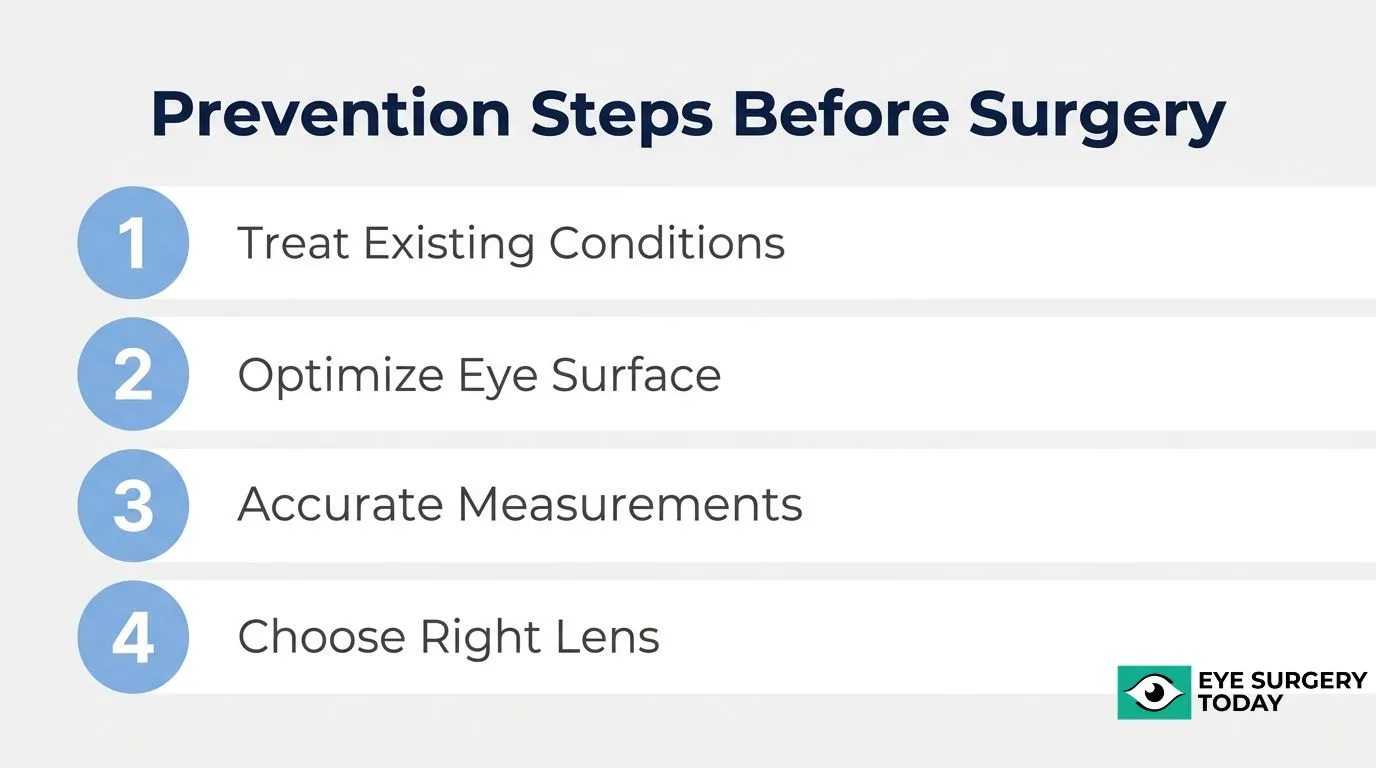
How Can You Prevent Poor Outcomes Before Cataract Surgery?
You can prevent poor outcomes before cataract surgery by addressing pre-existing eye conditions, optimizing ocular surface health, and ensuring accurate biometric measurements during the preoperative evaluation.
A thorough preoperative strategy reduces the likelihood of complications such as posterior capsule opacification, residual refractive error, and postoperative inflammation. The following steps can help patients and their eye care providers minimize surgical risk:
- Manage pre-existing conditions proactively. Patients with diabetes, glaucoma, or macular disease should have these conditions stabilized before scheduling surgery. According to a 2025 study published in the Journal of Ophthalmic Inflammation and Infection, patients with diabetes face a significantly higher risk of developing postoperative endophthalmitis and posterior capsule rupture compared to non-diabetic patients.
- Treat ocular surface disease early. Up to 75% of patients presenting for cataract surgery already have some form of pre-existing ocular surface disease, which can compromise both biometric accuracy and postoperative comfort. Addressing dry eye before surgery improves IOL power calculations and visual outcomes.
- Discuss IOL options thoroughly. Selecting the appropriate intraocular lens power and design requires precise preoperative measurements and a clear understanding of the patient’s visual goals. Refractive surprise remains one of the most common sources of postoperative dissatisfaction, and it is largely preventable with careful planning.
- Ask about surgical technique and complication rates. Understanding whether phacoemulsification or another approach will be used, along with the surgeon’s experience level, helps set realistic expectations.
- Follow all preoperative medication instructions. Anti-inflammatory and antibiotic eye drops prescribed before surgery help reduce infection risk and control inflammation from the outset.
Prevention is ultimately about preparation. Patients who take an active role in their preoperative care, asking the right questions and following through on recommended treatments, position themselves for the best possible visual outcome.
How Can Surgeon-Reviewed Education Help You Navigate Cataract Surgery?
Surgeon-reviewed education can help you navigate cataract surgery by providing clinically accurate, accessible information that clarifies risks, IOL choices, and realistic recovery expectations before and after your procedure.
Can Eye Surgery Today Help You Understand Your IOL Options?
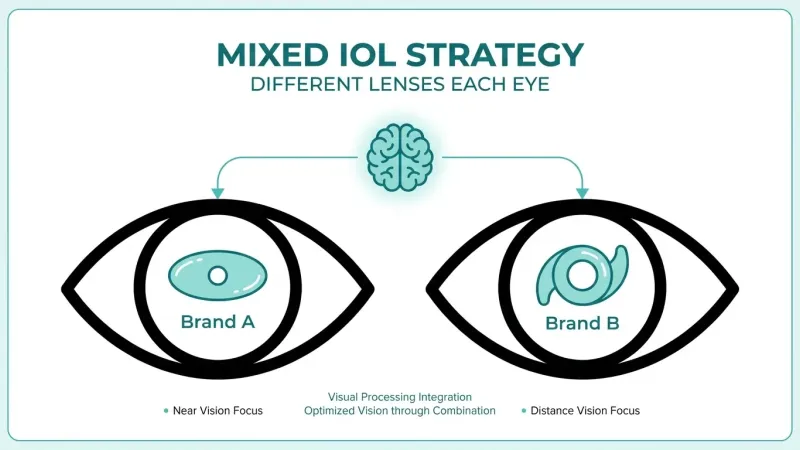
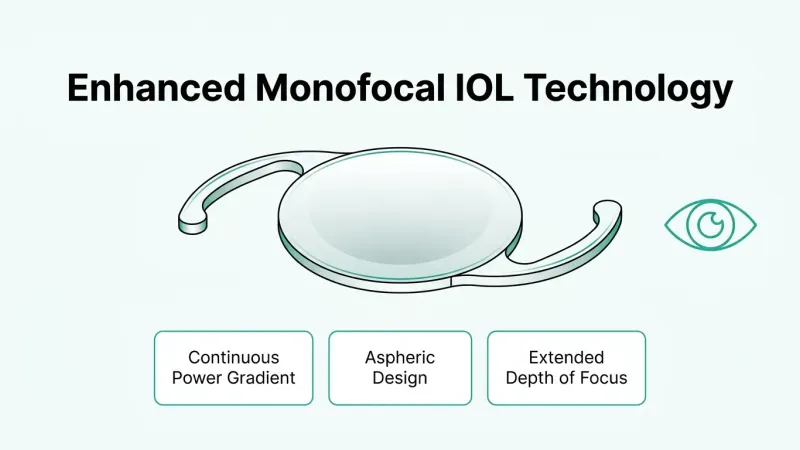
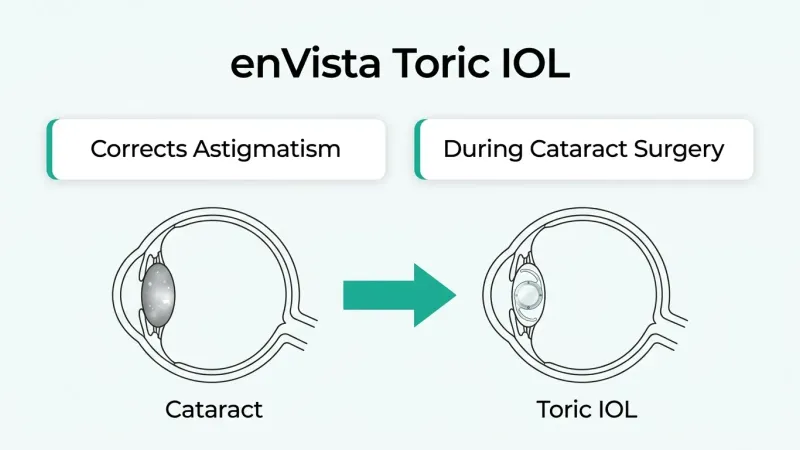
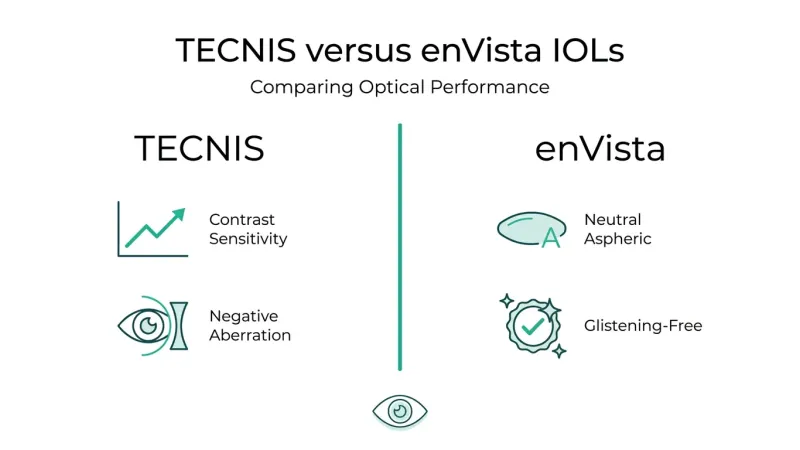
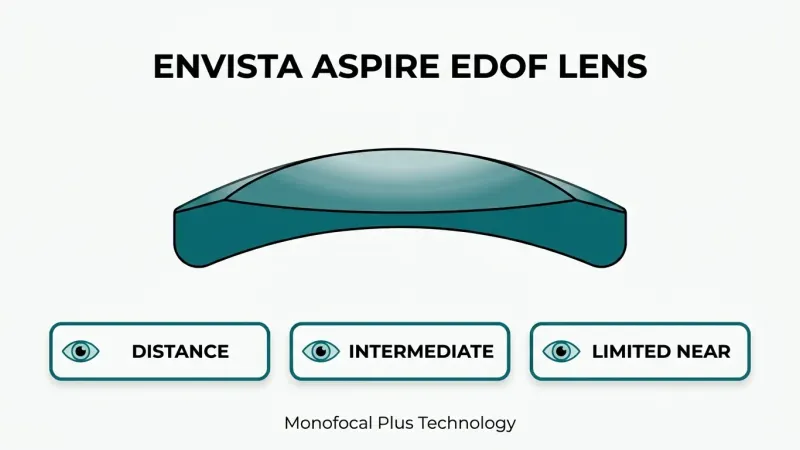
Yes, Eye Surgery Today can help you understand your IOL options through surgeon-reviewed guides that explain the differences between monofocal, multifocal, toric, and extended depth-of-focus lenses in clear, patient-friendly language. Selecting the right intraocular lens is one of the most consequential decisions in the cataract surgery process, yet many patients receive limited information about how each lens type affects daily vision. Eye Surgery Today breaks down IOL features, trade-offs, and candidacy factors so patients can have more productive conversations with their ophthalmologist. The platform also covers how incorrect IOL power selection can contribute to residual refractive error, a common reason patients feel their cataract surgery did not work. Understanding these options before surgery is one of the most effective steps toward a satisfying visual outcome.
What Are the Key Takeaways About Cataract Surgery Not Working?
The key takeaways about cataract surgery not working are that most cases of dissatisfaction stem from treatable or preventable complications rather than true surgical failure. Conditions such as posterior capsule opacification, residual refractive error, cystoid macular edema, and IOL dislocation each have established corrective pathways, from YAG laser capsulotomy to lens exchange and LASIK enhancement. Pre-existing conditions, including diabetes, high myopia, and macular disease, can elevate risk, making thorough preoperative evaluation essential. Recognizing symptoms early and knowing when to seek a second opinion gives patients the best chance of restoring clear vision. Surgeon-reviewed resources, like those on Eye Surgery Today, can help patients distinguish normal healing from warning signs that warrant prompt attention.