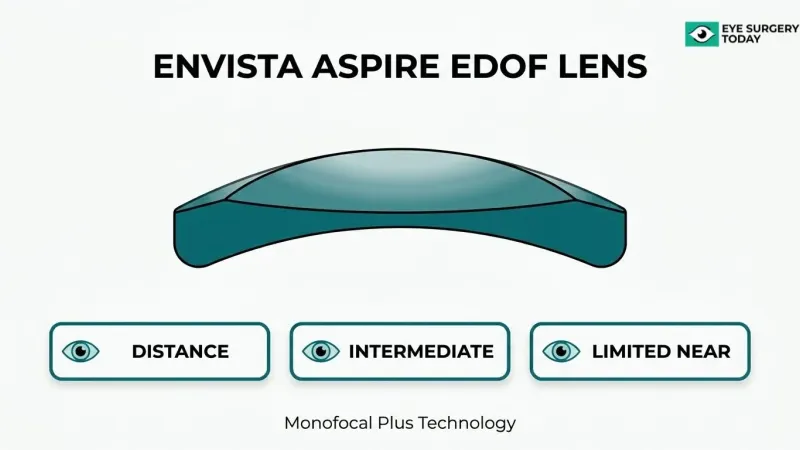
“What do doctors mean by distance, intermediate, and near vision—and why does it matter for cataract surgery?
In this video, leading eye surgeons break down the three ranges of vision and how they impact your lens choice and daily life.
👁️ The 3 ranges of vision explained:
Distance (6–10+ feet)
- Driving
- Watching TV or movies
- Sports and outdoor activities
Intermediate (2–3 feet / arm’s length)
- Computer use
- Cooking and countertops
- Car dashboard and GPS
Near (12–16 inches)
- Reading
- Phone use
- Detailed close-up work
🔍 Why this matters:
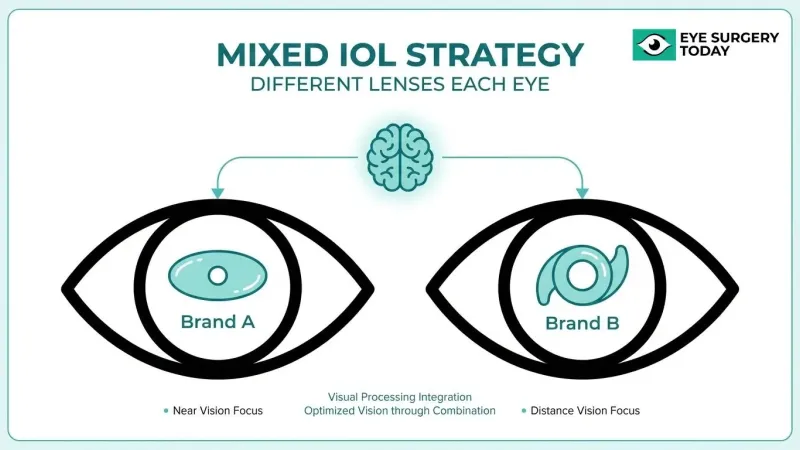
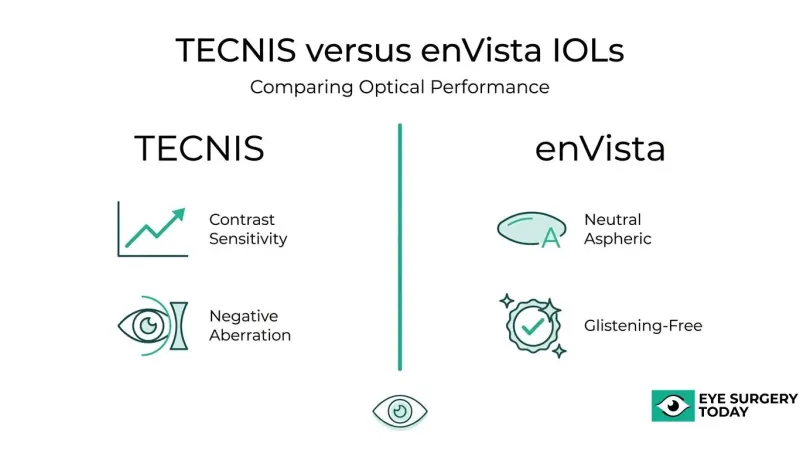
- Different lenses are designed to prioritize different ranges of vision.
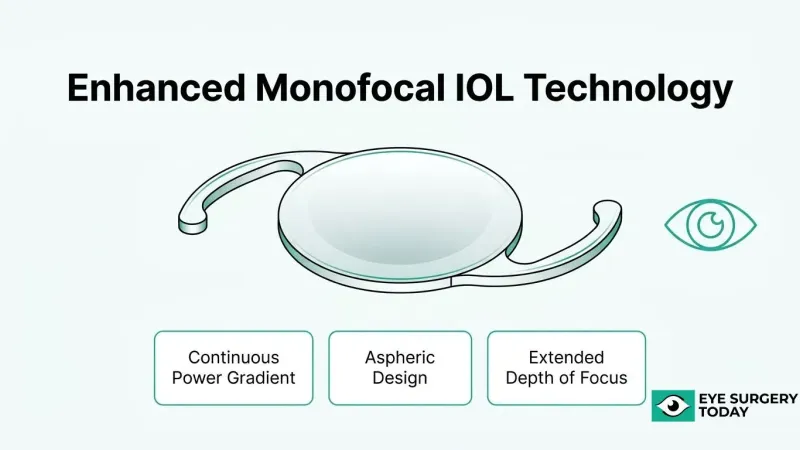
- Monofocal lenses: best clarity at one distance
- Multifocal/trifocal lenses: provide a range of vision
- Trade-offs are always involved—there is no “perfect” lens
⚠️ Common misconception:
- Many patients think they’ll “gain” distance vision without losing near vision—but that’s not how it works.
- Improving one range of vision often means:
- Giving up some natural ability in another range
- Or relying on glasses for certain tasks
💡 Key takeaway:
Before your cataract consultation, understand how you use your eyes throughout the day.
This will help your surgeon recommend the best lens for your lifestyle.
Subscribe to Eye Surgery Today for expert guidance on cataract surgery, lens options, and vision correction.
#CataractSurgery #VisionCorrection #EyeHealth”